Free tool
Can My Dog Eat That? — NZ Food Safety Checker
Your dog just ate something off the bench, or the kids want to share a snack with the cat. Search the food below and get an instant answer — safe, caution, or dangerous — with a full vet-sourced guide behind every result (155 foods and growing).
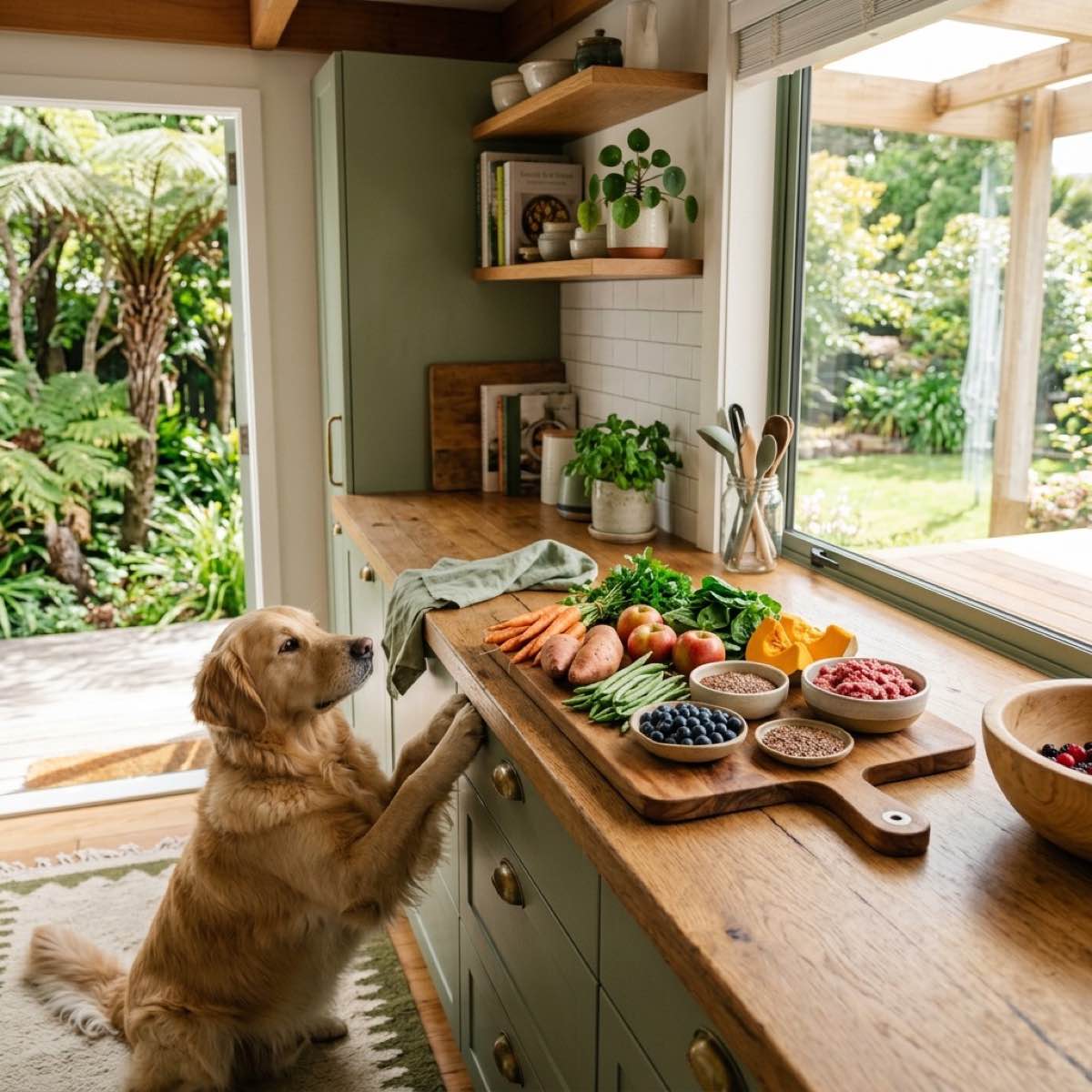
- alcoholDangerous — do not feedAlcohol (including fermenting dough and fruit) is toxic — never give it to dogs.
- almondsBest avoidedFatty, often salted, and a choking/obstruction risk.
- applesGenerally OK in moderationPrepared apple pieces are fine — remove the core and seeds.
- apricotsBest avoidedSkip whole apricots — the stone, stem and leaves are the hazard; tiny plain flesh is different.
- avocadoBest avoidedNot a dog treat — stone, skin and rich flesh all cause problems.
- bananaGenerally OK in moderationPlain banana in small amounts is fine as an occasional treat.
- blueberriesGenerally OK in moderationPlain blueberries are a good small treat.
- breadCaution — small, plain amounts onlyPlain baked bread isn't ideal; raw yeast dough and raisin bread are dangerous.
- broccoliCaution — small, plain amounts onlyTiny plain amounts only — no sauces, no large hard pieces.
- cabbageGenerally OK in moderationPlain washed cabbage is fine occasionally — no coleslaw, dressing, onion or garlic.
- cantaloupeGenerally OK in moderationA little plain flesh is fine — remove rind and seeds.
- carrotsGenerally OK in moderationPlain carrot pieces are a great low-fat treat.
- cauliflowerGenerally OK in moderationPlain cauliflower is fine occasionally — no cheese sauce, onion, garlic or gravy.
- celeryGenerally OK in moderationPlain washed celery is a fine crunchy treat — no dips or seasoning.
- cheeseCaution — small, plain amounts onlySmall plain amounts only — dairy upsets many dogs.
- cherriesBest avoidedBest avoided — pits, stems and leaves contain cyanide compounds and the stone is a choking risk.
- chivesDangerous — do not feedChives are an allium, like onion and garlic — toxic to dogs.
- chocolateDangerous — do not feedTheobromine and caffeine are toxic to dogs.
- christmas cakeDangerous — do not feedContains raisins, sultanas and often alcohol — dried vine fruit is toxic; treat as a vet call.
- christmas puddingDangerous — do not feedRaisins, currants and alcohol make it toxic — treat ingestion as a vet call.
- cinnamonBest avoidedBest avoided — a trace baked in differs from spice powder, but cinnamon isn't needed.
- coconutCaution — small, plain amounts onlyA little plain flesh may be okay — keep it small; skip cream, bars and sweet slices.
- coffeeDangerous — do not feedCaffeine is a poisoning risk — coffee, grounds, beans and energy drinks are all unsafe.
- cooked beefGenerally OK in moderationA little plain lean cooked beef is fine — no bones, onion, garlic or gravy.
- cooked bonesDangerous — do not feedCooked bones splinter and block or pierce the gut.
- cooked chickenGenerally OK in moderationPlain cooked boneless chicken is fine occasionally — no bones, skin, onion or seasoning.
- corn cobsDangerous — do not feedCorn cobs are a classic intestinal blockage — kernels off the cob are different.
- cucumberGenerally OK in moderationPlain cucumber pieces are a fine crunchy treat.
- curryBest avoidedBest avoided — built on onion and garlic, plus salt, fat and spice.
- eggsGenerally OK in moderationPlain cooked eggs are fine — avoid raw egg and seasoned leftovers.
- fruit mince piesDangerous — do not feedDried vine fruit and alcohol fillings are toxic — keep well away from dogs.
- garlicDangerous — do not feedGarlic is an allium, like onion — toxic to dogs.
- garlic breadDangerous — do not feedGarlic is toxic to dogs — garlic butter and onion powder make this unsafe.
- grapesDangerous — do not feedGrapes, raisins and currants can cause kidney failure — treat any amount as a vet call.
- green beansGenerally OK in moderationPlain washed green beans are a fine treat — no onion, garlic, butter or gravy.
- ham and baconBest avoidedSalty, fatty processed meat — not for dogs.
- hot cross bunsDangerous — do not feedMost contain raisins or sultanas — dried vine fruit is toxic to dogs.
- ice creamBest avoidedDairy, sugar and risky flavourings (e.g. chocolate).
- instant noodlesBest avoidedBest avoided — salty, fatty seasoning sachets often contain onion and garlic.
- kiwifruitCaution — small, plain amounts onlySmall pieces of plain ripe flesh only — no peel or whole fruit.
- kumaraGenerally OK in moderationPlain cooked kumara (sweet potato) is fine occasionally — no onion, garlic, butter or gravy.
- leeksDangerous — do not feedLeeks are an allium, like onion — toxic to dogs.
- lunch meatBest avoidedBest avoided — processed slices are salty and often seasoned with onion or garlic.
- macadamia nutsDangerous — do not feedMacadamias are toxic to dogs.
- mangoGenerally OK in moderationPlain ripe flesh is fine — remove skin and stone.
- meat piesBest avoidedBest avoided — rich, salty, fatty pastry and filling, often with onion or gravy.
- mushroomsBest avoidedSkip mushrooms; wild/unknown mushrooms are a vet call.
- nutmegBest avoidedBest avoided — nutmeg contains myristicin and isn't a dog food.
- oatsGenerally OK in moderationPlain cooked oats are fine occasionally — no sugar, milk, chocolate, raisins or xylitol.
- onion gravyDangerous — do not feedOnion and garlic are toxic to dogs — onion gravy is unsafe.
- onionsDangerous — do not feedOnions, garlic, chives and leeks damage red blood cells.
- orangesCaution — small, plain amounts onlyA little peeled flesh if tolerated — skip peel and seeds.
- peachesBest avoidedBest avoided — the stone, stem and leaves are the hazard; tiny plain flesh is different.
- peanut butterCaution — small, plain amounts onlyOnly plain, xylitol-free peanut butter — xylitol is highly toxic.
- peasGenerally OK in moderationPlain peas are fine occasionally — no butter, salt, gravy, onion or garlic.
- pecansBest avoidedBest avoided — fatty, hard to digest, and prone to mould toxins.
- pepperoniBest avoidedBest avoided — processed, salty, fatty and often contains garlic and onion.
- pineappleGenerally OK in moderationPlain fresh flesh is fine — skip skin, core and syrup.
- plumsBest avoidedBest avoided — the stone, stem and leaves are the hazard; fallen orchard plums are a common NZ problem.
- popcornCaution — small, plain amounts onlyTiny amounts of plain air-popped only — never salty/buttery.
- porkCaution — small, plain amounts onlyTiny amounts of plain lean cooked pork only — no bones, fat or seasoning.
- potatoesCaution — small, plain amounts onlyPlain cooked only — raw or green potato is unsafe.
- pumpkinGenerally OK in moderationPlain cooked pumpkin is fine occasionally — no pie mix, onion, garlic or butter.
- quinoaGenerally OK in moderationPlain cooked quinoa is fine occasionally — no onion, garlic, salt or dressings.
- raisinsDangerous — do not feedRaisins, sultanas and currants are toxic — treat any exposure as a vet call.
- raw chickenBest avoidedAd-hoc raw chicken is a food-safety risk.
- riceGenerally OK in moderationPlain cooked rice in small amounts is fine.
- salamiBest avoidedBest avoided — processed, salty, fatty and often contains garlic and onion.
- saltBest avoidedBest avoided — salty chips, seawater, salt dough and stock powder are a poisoning risk in quantity.
- sausage rollsBest avoidedBest avoided — salty, fatty pastry and seasoned filling.
- sausagesBest avoidedBest avoided — fatty, salty and often seasoned with onion and garlic.
- spring onionsDangerous — do not feedSpring onions are an allium — toxic to dogs.
- stock cubesDangerous — do not feedConcentrated salt plus onion and garlic powder — unsafe for dogs.
- strawberriesGenerally OK in moderationPlain strawberries are fine as a small treat.
- stuffingDangerous — do not feedOnion, garlic, raisins and alcohol make stuffing toxic — keep it away from dogs.
- teaDangerous — do not feedTea contains caffeine — black, green, matcha and iced tea are unsafe for dogs.
- tomatoesCaution — small, plain amounts onlySmall amounts of ripe red flesh only — avoid green parts and the plant.
- trifleBest avoidedBest avoided — alcohol, chocolate, grapes or raisins may be hidden in trifle.
- turkeyGenerally OK in moderationPlain cooked boneless turkey is fine occasionally — no stuffing, gravy, onion, garlic or skin.
- walnutsBest avoidedFatty and mould-prone — best avoided.
- watermelonGenerally OK in moderationPlain flesh is fine — skip the rind and seeds.
- xylitol lollies and gumDangerous — do not feedXylitol sweets and gum are extremely toxic to dogs.
- yoghurtCaution — small, plain amounts onlyLimited plain yoghurt only — check for xylitol; dairy upsets many dogs.
Quick reference only, based on our vet-sourced guides (ASPCA / VCA / Pet Poison Helpline / SPCA). Always click through for the detail. If your pet has eaten something risky or seems unwell, contact a NZ vet, after-hours emergency clinic, or the SPCA — don't wait.
If your pet ate something risky
Contact your NZ vet or nearest after-hours emergency clinicstraight away — with toxic foods, earlier is always better. Don't try home remedies (never make a pet vomit at home), and keep the packaging handy so the vet knows exactly what was eaten.
Keep reading
- Feeding Calculator — how much should your dog or cat eat per day?
- NZ Dog Food Guide — choosing the right everyday food
- Pet Emergency Kit NZ — be ready before something happens
FAQ
What foods are toxic to dogs?
The big ones to keep away from dogs include chocolate, grapes/raisins/currants, onions and garlic, xylitol (sugar-free lollies and gum), macadamia nuts, cooked bones and corn cobs. If your dog has eaten any of these, contact a NZ vet or after-hours clinic straight away.
What human foods can dogs safely eat?
In small, plain amounts: carrots, cucumber, banana, apple (no core/seeds), blueberries, strawberries, watermelon flesh, cooked eggs and plain cooked rice are generally fine for most dogs. Treats should stay under about 10% of daily energy.
What should I do if my pet ate something dangerous?
Contact your NZ vet or nearest after-hours emergency clinic immediately — don't wait for symptoms, and don't try home remedies like making your pet vomit. Have the packaging or food details ready if you can.
Where do these answers come from?
Every food links to a full PetMall Wiki guide that cites veterinary toxicology sources — ASPCA Animal Poison Control, VCA Animal Hospitals, Pet Poison Helpline and SPCA New Zealand. The checker is a quick index of those reviewed guides.
My food isn't listed — is it safe?
Not necessarily. If a food isn't in our list, don't assume it's fine. Check with your NZ vet before sharing it, and if your pet already ate it and seems off-colour, call the vet now.
Important: this checker is a quick reference built on our vet-sourced guides (ASPCA, VCA, Pet Poison Helpline, SPCA NZ) — it is not emergency advice. If your pet has eaten something dangerous or seems unwell, contact a NZ vet or after-hours emergency clinic immediately.
petmall.co.nz
Shop at PetMall
The products below are practical support items for your pet. PetMall ships across New Zealand.
- Dog FoodStart with food that matches your dog's life stage and activity level — and change brands slowly over 7–10 days.
- Dog TreatsTraining rewards and everyday treats — small, soft pieces work best for consistent reinforcement.
- Dog ToysA small rotation of chew, fetch, and puzzle toys usually works better than buying a large variety at once.
- Cat FoodStart with food that matches your cat's life stage — change brands slowly over 7–10 days to avoid digestive upset.
- Cat LitterClumping or crystal, most cats prefer an unscented litter and a clean tray — one tray per cat plus one spare is the NZ rule of thumb.
- Cat TreatsGreat for bonding and training — keep treats under 10% of daily calories to protect your cat's waistline.