Dog Food NZ: Dry, Wet, Raw & Freeze-Dried — What's Best for Your Dog?
Choosing the right dog food in New Zealand is a common challenge. With diverse options from traditional kibble to trendy raw diets, many Kiwi pet...
Choosing the right dog food in New Zealand is a common challenge. With diverse options from traditional kibble to trendy raw diets, many Kiwi pet owners seek the "best" diet (our best dog food NZ roundup compares dry, wet and raw head to head), but the ideal choice is unique to each dog. This guide explores available options, their pros and cons, local considerations, and practical advice to help you make an informed decision for your furry family member.
Understanding Your Dog's Core Nutritional Needs
Dogs are omnivores, thriving on a balanced diet of high-quality protein, fats, carbohydrates, vitamins, and minerals.
- Protein: Essential for muscle, skin, hair, and immune function. Look for high-quality animal proteins like chicken, beef, lamb (a NZ favourite!), fish, or venison, which provide amino acids.
- Fats: A concentrated energy source, crucial for healthy skin, a shiny coat, and vitamin absorption. Essential fatty acids (Omega-3 and Omega-6) support brain function and reduce inflammation.
- Carbohydrates: Provide energy and dietary fibre. Complex carbohydrates from whole grains or vegetables offer sustained energy and aid digestive health.
- Vitamins and Minerals: Micronutrients vital for bodily processes, including bone development, nerve function, and immune strength.
- Water: The most critical nutrient, involved in every physiological process. Constant access to fresh, clean water is paramount.
A "complete and balanced" food, indicated by AAFCO (Association of American Feed Control Officials) or FEDIAF (European Pet Food Industry Federation) guidelines, provides these nutrients in correct ratios for a specific life stage. Reputable brands available in NZ typically formulate to these international benchmarks.
Dry Kibble: The Convenient Choice
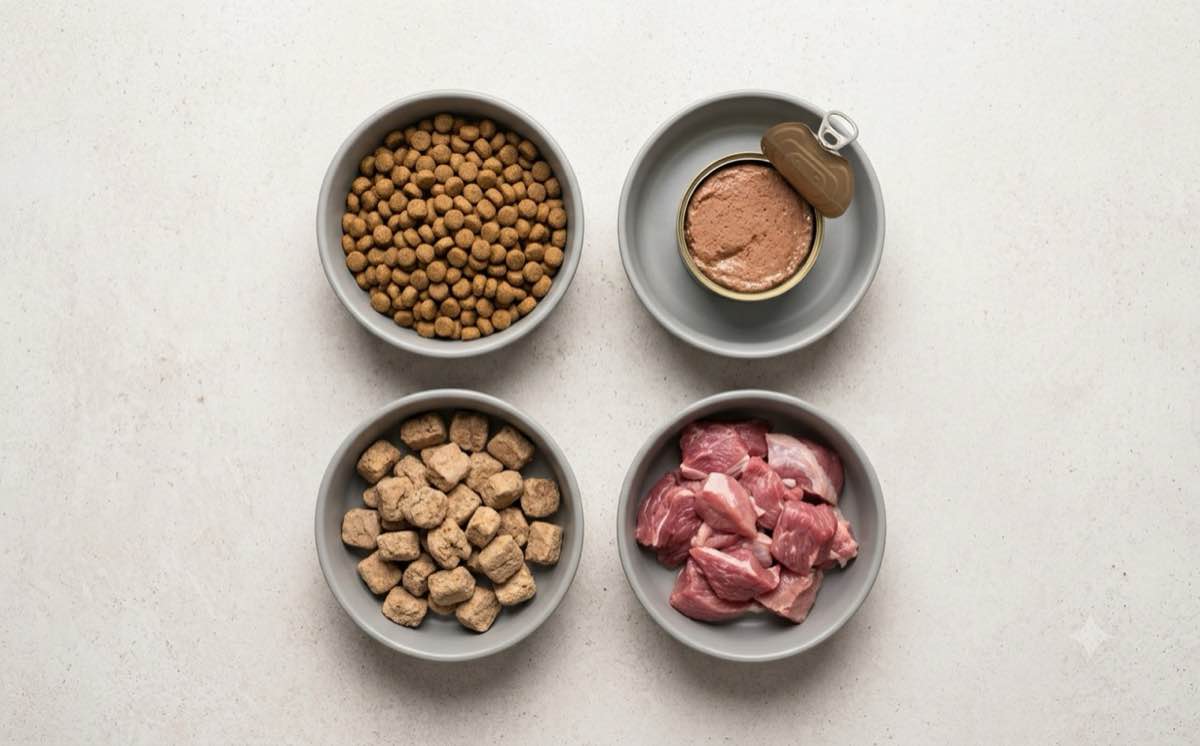
Dry kibble is New Zealand's most popular dog food, offering unparalleled convenience and affordability.
Pros:
- Cost-Effective: Generally the most economical option, especially for larger breeds or multiple dogs.
- Convenience: Easy to store with a long shelf life, ideal for busy households and travel.
- Dental Health (Minor): Crunchy texture offers some minor abrasive action against plaque.
- Nutritionally Complete: Reputable brands are formulated to be "complete and balanced" for specific life stages.
Cons:
- Processing: Most kibble undergoes extrusion at high temperatures, potentially reducing nutrients.
- Lower Moisture Content: Dogs on dry kibble need ample water for hydration, a concern for those prone to urinary or kidney issues.
- Palatability: Some picky eaters may find kibble less appealing.
- Ingredient Quality Variation: Quality varies widely; cheaper brands may use fillers or artificial additives.
What to Look For in NZ Kibble:
- Named Meat as First Ingredient: Prioritise specific animal protein (e.g., "deboned lamb," "chicken meal"). Avoid generic "meat by-products."
- Quality Carbohydrates: Choose complex carbohydrates like brown rice, oats, or sweet potato. Limit corn, wheat, or soy.
- Limited Fillers: Focus on whole, recognisable ingredients.
- No Artificial Additives: Avoid artificial colours, flavours, or chemical preservatives; prefer natural ones like mixed tocopherols.
- AAFCO/FEDIAF Statement: Ensures nutritional completeness for a specific life stage.
Popular NZ-Available Kibble Brands: Black Hawk, Royal Canin, Hill's Science Diet, Orijen, Acana, Addiction (NZ-based), and K9 Natural.
NZD Weekly Cost Example (20kg medium dog, active):
- *Based on ~2.1kg (300g/day) dry food per week.*
- Budget Kibble (e.g., Tux, some supermarket brands): $8.40 - $10.50 (20kg bag: $80-$100)
- Mid-Range Kibble (e.g., Black Hawk, Eukanuba): $16.80 - $22.40 (15kg bag: $120-$160)
- Premium Kibble (e.g., Orijen, Acana): $25.80 - $33.00 (11.4kg bag: $140-$180)
For a tier-by-tier breakdown of what to look for on the bag, see our best dry dog food NZ guide.
Wet Food: Hydration and Palatability
Wet dog food, in cans, pouches, or rolls, offers distinct advantages, especially for dogs with specific needs or picky eaters.
Pros:
- High Moisture Content: Typically 75-85% moisture, aiding hydration, beneficial for kidney/urinary issues.
- High Palatability: Rich aroma, soft texture, and often less processed nature appeal to picky eaters, seniors, or recovering dogs.
- Easier Digestion: Higher moisture and less intensive processing can make it easier to digest.
- Portion Control: Pre-portioned options simplify calorie management.
Cons:
- Higher Cost: Generally more expensive per serving than kibble.
- Storage and Convenience: Requires refrigeration; shorter shelf life. Cans/pouches are heavier and bulkier.
- Dental Health (Less Benefit): Provides minimal abrasive action, requiring more diligent dental care.
- Smell: Strong aroma can be less pleasant for some owners.
What to Look For in NZ Wet Food: Prioritise named meat. Look for transparent lists, avoid artificial additives, and ensure AAFCO/FEDIAF completeness. NZ brands like Ziwi Peak or K9 Natural are good examples.
NZD Weekly Cost Example (20kg medium dog, active):
- *Based on ~6kg (800g-1kg/day) wet food per week.*
- Budget Wet Food (e.g., My Dog, Pedigree cans): $35 - $50 (12 x 400g cans: $25-$35)
- Mid-Range Wet Food (e.g., some Royal Canin/Hill's pouches, quality rolls): $50 - $75 (3 x 2kg rolls: $45-$60)
- Premium Wet Food (e.g., Ziwi Peak, K9 Natural Cans/Pouches): $80 - $120 (390g can: $8-$10)
Raw Feeding: The Natural Approach (BARF & Prey Model)
Raw feeding, involving uncooked meat, bones, and organs, has gained traction among Kiwi pet owners seeking a diet closer to a dog's wild ancestors.
Introduction to Raw Feeding: Raw feeding (BARF or Prey Model) aims for a minimally processed diet mimicking wild canids.
Types of Raw Diets:
- BARF (Biologically Appropriate Raw Food): Includes raw meat, bones, organs, fruits, vegetables, and sometimes supplements.
- Prey Model Raw (PMR): Strictly focuses on whole prey or parts (80% muscle meat, 10% edible bone, 10% organs), excluding fruits, vegetables, and grains.
Pros:
- High Moisture Content: Better hydration, supports kidney/urinary health.
- Highly Digestible Nutrients: Proponents claim better nutrient absorption.
- Improved Health Indicators: Reported benefits: shinier coats, cleaner teeth (from raw bones), increased energy, smaller, firmer stools.
- Better Control Over Ingredients: Good for allergies/sensitivities.
Cons:
- Safety Concerns (Bacterial Contamination): Raw meat can harbour bacteria (Salmonella, E. coli), posing risks to dogs and humans. Strict hygiene is essential.
- Nutritional Imbalance: DIY diets risk nutritional imbalance, especially for puppies; vet guidance is crucial.
- Cost & Convenience: Expensive, requires freezer space, less convenient for travel.
- Dental (Bone Risks): Raw bones can help clean teeth but risk chipped teeth, choking, or internal injuries.
- Veterinary Stance: Many vets advise caution due to risks and limited scientific evidence for claimed benefits.
NZ Context for Raw Feeding: Raw feeding is growing in NZ. Brands like K9 Natural (a pioneer), Frontier Pet Foods, and Raw Essentials offer pre-prepared, balanced raw meals. Many Kiwi owners also DIY, sourcing locally. For DIY, safe handling and nutritional completeness are paramount; consult a vet or certified nutritionist.
What to Look For in NZ Raw Food: For safety and balance, consider commercially prepared "complete and balanced" raw meals from reputable brands that adhere to AAFCO/FEDIAF guidelines and undergo pathogen testing.
NZD Weekly Cost Example (20kg medium dog, active):
- *Based on ~2.8kg-4.2kg (400-600g/day) raw food per week.*
- Pre-made Raw (e.g., K9 Natural frozen, Frontier Pet Foods): $70 - $110+ (3.6kg box: $60-$80)
- DIY Raw (bulk meat, bones, organs): $40 - $70+ (highly variable)
Freeze-Dried & Air-Dried Food: The Best of Both Worlds?
Freeze-dried and air-dried foods offer a middle ground, preserving nutrients by removing moisture without high-heat processing, combining convenience with nutritional benefits.
Introduction to Freeze-Dried & Air-Dried Food: Both use gentle dehydration to remove moisture without high heat, preserving nutrients, flavour, and integrity, creating shelf-stable products.
Pros:
- Nutrient Retention: Minimal heat retains natural vitamins, minerals, enzymes, and amino acids.
- High Palatability: Preserved natural flavours appeal to picky eaters.
- Convenience: Shelf-stable, lightweight, easy to store/serve, and great for travel. Can be fed dry or rehydrated.
- High Moisture (if rehydrated): Offers hydration benefits similar to wet or raw food.
- NZ Angle: NZ is a leader; Ziwi Peak (air-dried) and K9 Natural (freeze-dried) are prime examples, using ethically sourced local ingredients.
Cons:
- High Cost: Expensive due to quality and processing.
- Can be Messy (if rehydrated): Rehydrating can be messier than kibble.
- Availability: Smaller range of brands compared to traditional kibble or wet food.
What to Look For: Prioritise high-quality, named animal proteins, ideally from ethically sourced origins. Check for minimal fillers, artificial additives, and AAFCO/FEDIAF statements for completeness.
NZD Weekly Cost Example (20kg medium dog, active):
- *Based on ~1.05kg-1.4kg (150-200g/day) food per week.*
- Ziwi Peak Air-Dried (2.5kg bag): $39 - $50 (bag: $140-$180)
- K9 Natural Freeze-Dried (1.8kg bag): $62 - $77 (bag: $160-$200)
The Grain-Free Debate in NZ
The "grain-free" trend has been prominent in NZ, with many pet owners opting for these diets believing them to be healthier or more natural.
Introduction to the Grain-Free Debate: The trend arose from beliefs that grains are allergens or not ancestral. Grains like corn, wheat, rice were replaced with peas, lentils, potatoes, tapioca.
Current Scientific Understanding & DCM Link: In 2018, the FDA investigated a link between certain grain-free (BEG) diets and Dilated Cardiomyopathy (DCM), a serious heart condition. Many implicated diets were grain-free, high in legumes (peas, lentils) and potatoes, potentially interfering with taurine or causing other nutritional imbalances. Grains themselves are generally not common allergens and provide digestible energy and nutrients for most dogs.
NZ Context: Kiwi pet owners have access to many grain-free options, and the FDA's findings are relevant here, as many implicated brands are imported. It's crucial for NZ owners to be aware of this ongoing research.
Recommendations:
- Consult Your Vet: Discuss diet with your vet, especially if grain-free.
- Balanced Diet: Ensure food is complete and balanced, ideally formulated by a veterinary nutritionist.
- Ingredient Diversity: Avoid diets heavily reliant on legumes or potatoes as primary ingredients.
- Consider Grains: For most dogs without a rare grain allergy, quality whole grains are healthy.
Life Stage Feeding: Tailoring Nutrition
A dog's nutritional needs change significantly throughout their life. Feeding a diet appropriate for their life stage is crucial for optimal health.
- Puppy Food: Puppies need higher protein, fat, and specific minerals (calcium, phosphorus) in precise ratios for rapid growth and bone/muscle development. Large breeds require controlled calcium to prevent orthopedic issues.
- Adult Maintenance Food: For dogs over one year (or older for large breeds) with moderate activity, providing balanced nutrients to maintain health without weight gain.
- Senior Food: Older dogs benefit from fewer calories (to prevent obesity), increased fibre, and added joint support (glucosamine, chondroitin) and antioxidants.
- Specific Needs: Specialised diets exist for weight, sensitive stomachs, allergies, or medical conditions (e.g., kidney disease, diabetes). Feed therapeutic diets only under vet guidance.
Always choose a food with an AAFCO/FEDIAF statement indicating it's suitable for your dog's specific life stage.
Reading NZ Pet Food Labels
Understanding pet food labels empowers you to make informed choices.
- Ingredient List: Listed by weight, heaviest first. Look for named meat as the first ingredient.
- Guaranteed Analysis: Shows minimum protein/fat, maximum fibre/moisture. A general idea, not ingredient quality.
- Nutritional Adequacy Statement (AAFCO/FEDIAF): Critical: states if food is "complete and balanced" for a life stage (e.g., "for growth," "adult maintenance") or "supplemental feeding only." Choose complete and balanced for daily feeding.
- Feeding Guidelines: Starting point based on weight. Adjust for activity and metabolism.
- Country of Origin: Important for sourcing/quality. Many brands are imported; NZ brands like Ziwi Peak and K9 Natural highlight local ingredients.
How Much to Feed Your Dog: A Size Guide & NZD Weekly Cost Summary
Feeding guidelines are just that – guides. Your dog's ideal portion depends on their age, breed, activity level, metabolism, and the food's calorie density. Monitor their body condition score (you should be able to feel their ribs easily but not see them prominently, and they should have a visible waist).
General Feeding Guide (Daily, adjust as needed):
- Small Dogs (e.g., Chihuahua, 2-5kg): 50-150g dry food, 150-300g wet food.
- Medium Dogs (e.g., Border Collie, 10-25kg): 150-350g dry food, 400-800g wet food.
- Large Dogs (e.g., Labrador, 25-45kg): 300-600g dry food, 800-1200g wet food.
- Giant Breeds (e.g., Great Dane, 45kg+): 500g+ dry food, 1200g+ wet food.
NZD Weekly Cost Summary (for a 20kg medium dog, active):
| Food Type | Estimated Weekly Cost (NZD) |
|---|---|
| Budget Dry Kibble | $8.40 - $10.50 |
| Mid-Range Dry Kibble | $16.80 - $22.40 |
| Premium Dry Kibble | $25.80 - $33.00 |
| Budget Wet Food | $35 - $50 |
| Mid-Range Wet Food | $50 - $75 |
| Premium Wet Food | $80 - $120 |
| Pre-made Raw | $70 - $110+ |
| DIY Raw | $40 - $70+ |
| Ziwi Peak Air-Dried | $39 - $50 |
| K9 Natural Freeze-Dried | $62 - $77 |
Transitioning Your Dog's Food
When changing your dog's food, do so gradually over 7-10 days to avoid digestive upset. Start by mixing 25% new food with 75% old food for a few days, then move to 50/50, then 75% new/25% old, until fully transitioned.
Conclusion
The "best dog food NZ" is unique to your dog's needs, health, budget, and lifestyle. Prioritise quality, nutritional completeness, and vet advice, whether choosing dry, wet, raw, or freeze-dried. Understanding options and labels empowers you to choose a diet that helps your dog thrive.
---
Related reading
Shop related dog food categories at PetMall
Looking for dog food in New Zealand? Browse the PetMall category for current options and nationwide delivery.
---
Important Notice
*This guide provides general information. Always consult your NZ veterinarian for advice specific to your pet's health needs.*
NZ Brand Guides
If you are comparing specific ranges sold here, we keep objective, independently written guides to Black Hawk, Ziwi Peak and Royal Canin — covering what each range does well and who it suits.
Sources
- Ministry for Primary Industries, Code of Welfare: Dogs, checked 2026-07-22: https://www.mpi.govt.nz/animals/animal-welfare/codes/all-animal-welfare-codes/code-of-welfare-dogs/
- World Small Animal Veterinary Association, Global Nutrition Guidelines for Companion Animals, checked 2026-07-22: https://wsava.org/global-guidelines/global-nutrition-guidelines/
- SPCA New Zealand, What to Feed Your Dog or Puppy, checked 2026-07-22: https://www.spca.nz/advice-and-welfare/article/what-to-feed-your-dog-or-puppy
Related guides
petmall.co.nz
Shop at PetMall
The products below are practical support items for your pet. PetMall ships across New Zealand.
- Dog FoodStart with food that matches your dog's life stage and activity level — and change brands slowly over 7–10 days.
- Dog TreatsTraining rewards and everyday treats — small, soft pieces work best for consistent reinforcement.
- Dog ToysA small rotation of chew, fetch, and puzzle toys usually works better than buying a large variety at once.
- Dog GroomingA gentle brush and the right shampoo make maintenance easier — especially for dogs that get muddy on walks.
- Leads & HarnessesComfort matters: padded contact points and adjustable fit help reduce rubbing on longer walks or tramping weekends.
- Flea & Worm TreatmentFor NZ conditions, look for protection that fits your routine (monthly vs longer-lasting) and your dog's weight range.