PetMall Knowledge Hub Tools
Dog Age Calculator NZ: Dog Years to Human Years
Wondering how old your dog really is? Enter your dog's age and size below to see an estimate in human years. The old "multiply by 7" rule is a myth — dogs age fastest in their first two years, and bigger dogs age faster later in life, so size matters.
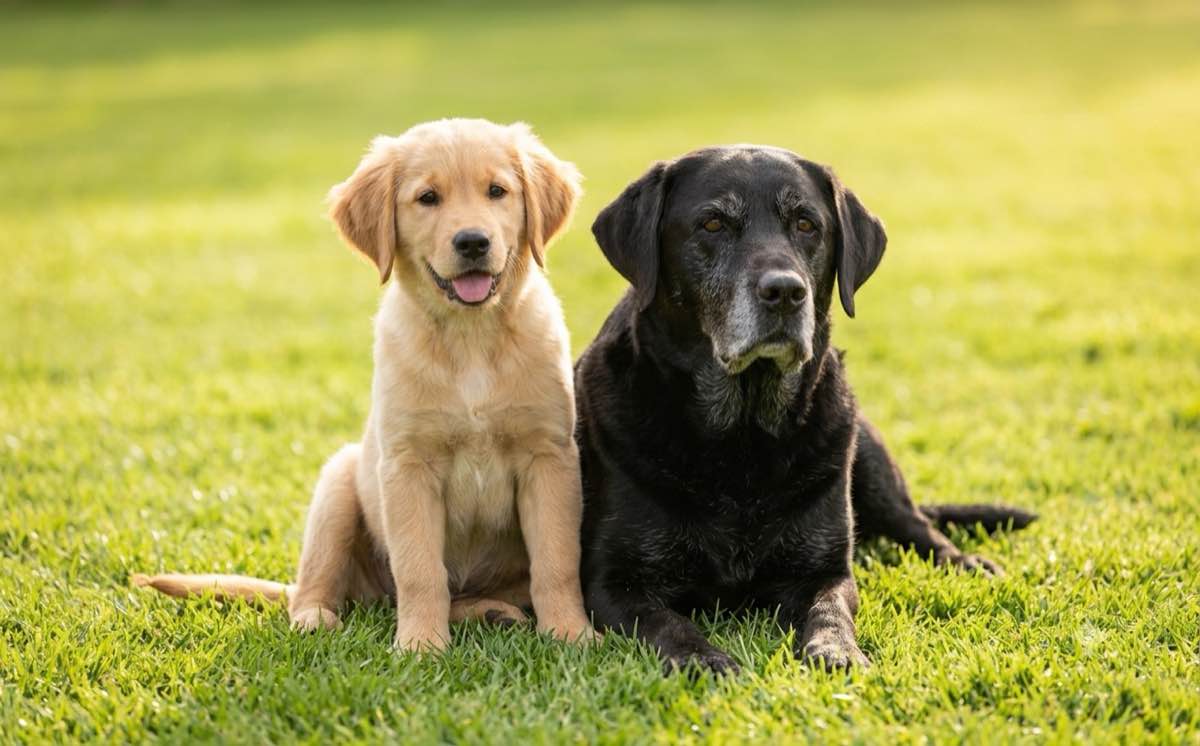
Larger dogs age faster in later life, so size changes the estimate.
~24
human years (estimate)
This is a population-average estimate, not veterinary advice. Real ageing varies by breed, genetics and health. For your dog’s individual needs, talk to a registered New Zealand vet.
Dog age chart: dog years to human years
The same size-adjusted estimate the calculator above uses, laid out year by year for each size. Figures are rounded human-year equivalents: averages, not a precise measurement.
| Dog age | Smallup to ~10 kg | Medium~10–25 kg | Large~25–40 kg | Giant~40 kg+ |
|---|---|---|---|---|
| 1 year | 15 | 15 | 15 | 15 |
| 2 years | 24 | 24 | 24 | 24 |
| 3 years | 28 | 29 | 30 | 31 |
| 4 years | 32 | 34 | 36 | 38 |
| 5 years | 36 | 39 | 42 | 45 |
| 6 years | 40 | 44 | 48 | 52 |
| 7 years | 44 | 49 | 54 | 59 |
| 8 years | 48 | 54 | 60 | 66 |
| 9 years | 52 | 59 | 66 | 73 |
| 10 years | 56 | 64 | 72 | 80 |
| 11 years | 60 | 69 | 78 | 87 |
| 12 years | 64 | 74 | 84 | 94 |
| 13 years | 68 | 79 | 90 | 101 |
| 14 years | 72 | 84 | 96 | 108 |
| 15 years | 76 | 89 | 102 | 115 |
| 16 years | 80 | 94 | 108 | 122 |
How the dog age calculation works
Your dog races through childhood: roughly 15 human years in their first year and about 24 by age two. After that, ageing slows to a steadier rate that depends on size — small dogs add about 4 human years per year, giant breeds closer to 7.
These figures come from veterinary life-stage guidance (AVMA / AAHA aligned). They are averages to help you picture your dog's stage of life — not a precise measurement. Breed, genetics, desexing and overall health all shift the real picture.
A note on accuracy
This tool gives a general estimate only and is not veterinary advice. If you have any concern about your dog's health, weight or ageing, please see a registered New Zealand vet, who can assess your individual dog.
New Zealand Veterinary AssociationCommon questions
How do you convert dog years to human years?
Vets generally estimate a dog's first year as about 15 human years, the second year as about another 9 (so a 2-year-old dog is roughly 24 in human terms), and each year after that as roughly 4 to 7 human years depending on body size. This calculator follows that AVMA/AAHA-aligned approach.
Is the 'one dog year equals seven human years' rule accurate?
No. It's a rough myth that overstates early ageing and understates later ageing. Dogs mature very quickly in their first two years, then age at a steadier, size-dependent rate. A size-adjusted estimate is far closer to reality.
Why does my dog's size change the result?
Smaller dogs tend to live longer and age more slowly in later life, while large and giant breeds age faster and are considered senior sooner. That's why a 9-year-old small dog and a 9-year-old giant breed are at quite different life stages.
What age is a senior dog in NZ?
It varies by size: many giant breeds are seniors by around 6-7 years, while small dogs may not be considered senior until 10-11. Regardless of the number, yearly vet checks and watching weight, teeth and joints become more important as dogs mature.
Is this calculator exact?
No — it's a population-average estimate to give you a feel for your dog's life stage. Genetics, breed, desexing and health all affect real ageing. For advice specific to your dog, talk to a registered New Zealand vet.
Keep exploring
petmall.co.nz
Shop at PetMall
The products below are practical support items for your pet. PetMall ships across New Zealand.
- Dog FoodStart with food that matches your dog's life stage and activity level — and change brands slowly over 7–10 days.
- Dog TreatsTraining rewards and everyday treats — small, soft pieces work best for consistent reinforcement.
- Dog ToysA small rotation of chew, fetch, and puzzle toys usually works better than buying a large variety at once.
- Dog GroomingA gentle brush and the right shampoo make maintenance easier — especially for dogs that get muddy on walks.
- Leads & HarnessesComfort matters: padded contact points and adjustable fit help reduce rubbing on longer walks or tramping weekends.
- Flea & Worm TreatmentFor NZ conditions, look for protection that fits your routine (monthly vs longer-lasting) and your dog's weight range.