New Puppy Checklist NZ: Everything You Need (2026)
Your ultimate new puppy checklist for NZ! Get ready for your furry friend with essential supplies, health tips, training advice & NZ laws.
Bringing a new puppy into your home is an incredibly exciting time, but it also comes with a significant amount of preparation and responsibility. This comprehensive guide, informed by over a decade of New Zealand pet supplies expertise, will walk you through everything you need to know and acquire before your furry companion arrives. From essential supplies and health considerations to training, socialisation, and understanding your legal obligations as a dog owner in Aotearoa, we’ll ensure you're fully equipped to provide a loving, safe, and enriching environment for your new family member. Get ready to welcome your puppy with confidence and a clear plan, setting them up for a happy and healthy life from day one.
Before Your Puppy Arrives: Preparing Your Kiwi Home
Preparation is key to a smooth transition for both you and your new puppy. Before they even set a paw inside, your home needs to be a safe and welcoming haven. Think of it as puppy-proofing, much like baby-proofing, but with a focus on curious mouths and sharp teeth!
Puppy-Proofing Your Home
Walk through your home, room by room, from a puppy’s perspective. Get down on your hands and knees to spot potential hazards. Electrical cords are a major concern – secure them, cover them, or move them out of reach. Remove any small objects that could be swallowed, such as coins, children's toys, or craft supplies. Houseplants can be toxic; research common varieties like lilies, sago palms, and philodendrons, and move them to inaccessible spots or remove them entirely. Secure bins with lids that can't be easily knocked over, and store cleaning products, medications, and chemicals in high, locked cupboards. Remember, puppies explore with their mouths, so anything chewable or swallowable is a potential risk.
Setting Up Their Space
Your puppy needs their own designated safe space. This could be a crate, a playpen, or a specific corner of a room. This area should be quiet, comfortable, and away from high-traffic areas. A crate, when introduced correctly, becomes a secure den for your puppy, aiding in toilet training and providing a safe retreat. Ensure it's large enough for them to stand, turn around, and lie down comfortably. Inside, place a soft bed or blanket, and a few safe chew toys. This space will be their sanctuary, especially during the initial days when they're adjusting to their new surroundings.
Essential Supplies Checklist
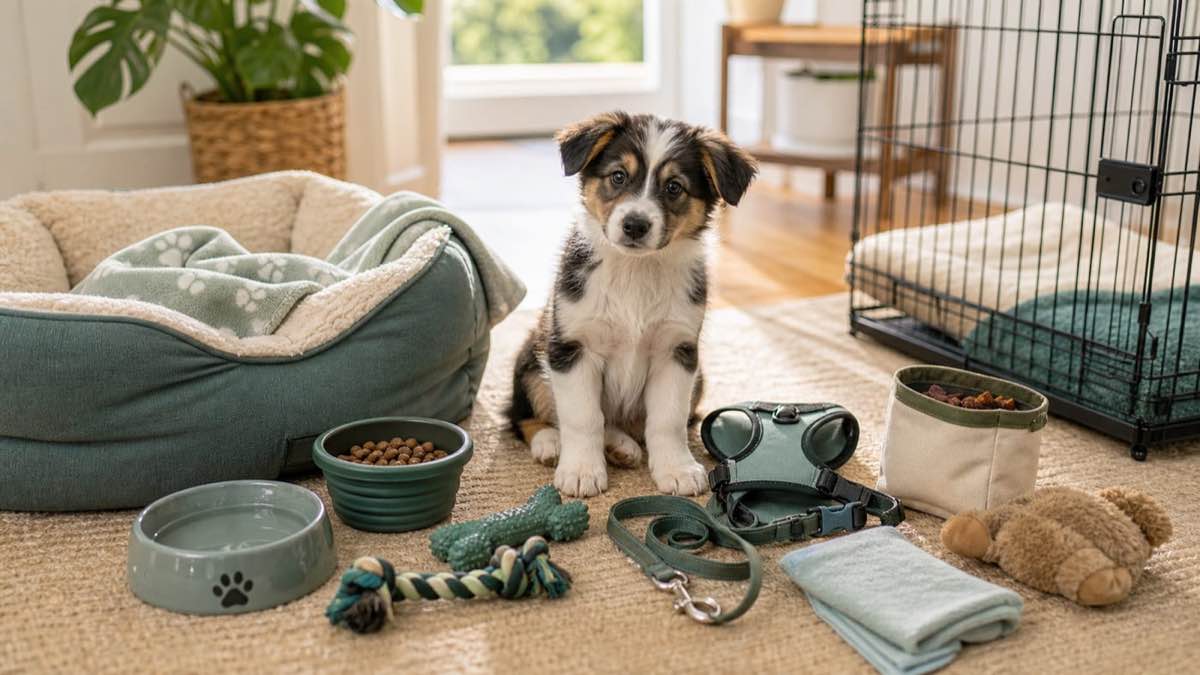
Gathering the necessary supplies beforehand will save you last-minute trips and ensure you have everything ready for their arrival. This initial shopping trip is exciting, but focus on functionality and safety.
- Food and Water Bowls: Stainless steel or ceramic are durable and easy to clean. Avoid plastic, which can harbour bacteria and cause skin irritation.
- Premium Puppy Food: Choose a high-quality puppy-specific formula appropriate for their breed size and age. We'll delve into what to look for in the food section.
- Collar and Lead: A lightweight, adjustable collar and a standard lead (around 1.5-2 metres) are perfect for starting. Ensure the collar fits snugly but allows two fingers to slip underneath. You might want to consider a harness for walks, especially for smaller breeds or those prone to pulling.
- ID Tag: Essential! Include your phone number and your puppy's name. Microchipping is mandatory in NZ, but an ID tag is an immediate visual identifier.
- Bedding: A comfortable, washable bed. Consider a durable, chew-resistant option if your puppy is a keen chewer.
- Crate or Playpen: As discussed, for safety, training, and a secure den.
- Toys: A variety of safe, durable chew toys, puzzle toys, and soft toys. Rotate them to keep your puppy engaged.
- Grooming Tools: Puppy shampoo, a soft brush, nail clippers, and a toothbrush/toothpaste designed for dogs.
- Cleaning Supplies: Enzyme cleaner for accidents (essential!), paper towels, and pet-safe disinfectants.
- Poop Bags: You'll be using a lot of these! Be a responsible Kiwi dog owner.
Health & Wellness: Setting Up for a Healthy Start
Your puppy's health is paramount. Establishing a relationship with a local veterinarian is one of the first and most important steps you'll take.
Finding a Local Vet and First Check-up
Research veterinary clinics in your area. Ask friends for recommendations or check online reviews. Schedule a 'welcome' check-up within the first few days of bringing your puppy home. This initial visit allows the vet to assess your puppy's overall health, check for any congenital issues, discuss a vaccination schedule, and set up a parasite control plan. This is also a great opportunity to ask any questions you have about their specific breed, diet, or behaviour. A typical initial vet consultation in NZ might cost anywhere from NZD $70 - $120.
Vaccinations, Worming, and Flea Treatment
Your vet will guide you through the necessary vaccinations. Puppies typically receive a series of vaccinations to protect against common diseases like parvovirus, distemper, hepatitis, and leptospirosis. These usually start around 6-8 weeks of age and require boosters. Regular worming is crucial, as puppies are often born with worms. Your vet will recommend a schedule and appropriate product. Flea and tick prevention is also vital, especially in NZ's climate. Discuss the best options with your vet, considering topical treatments, oral medications, or collars.
Microchipping and Registration
Under the Dog Control Act 1996, all dogs in New Zealand must be microchipped by three months of age or when first registered, whichever comes first. This is a quick, relatively painless procedure performed by your vet. The microchip links your puppy to your contact details, significantly increasing the chances of reunion if they ever go missing. Once microchipped, you must register your dog with your local council. For example, in Auckland, dog registration fees for a desexed dog can range from NZD $90 - $120 annually, with discounts often available for responsible owners or early registration. Unregistered dogs can incur significant fines.
Pet Insurance: A Kiwi Consideration
Veterinary care can be expensive, especially in emergencies. Pet insurance can provide peace of mind and help cover unexpected costs. Research different providers and policies available in New Zealand. Consider what's covered (accidents, illness, routine care), the excess, and the percentage of costs reimbursed. It's often best to get insurance when your puppy is young and healthy, before any pre-existing conditions develop.
Not sure why your dog is behaving this way? Try our free Dog Behaviour DecoderTraining & Socialisation: Building a Well-Adjusted Companion
Early training and socialisation are fundamental to raising a well-behaved and confident dog. This is where you lay the groundwork for a lifetime of good behaviour.
Potty Training Basics
Consistency is key. Take your puppy out frequently – every 1-2 hours, after waking up, after eating, and before bed. Praise and reward them immediately when they go to the toilet outside. Establish a designated 'potty spot' in your garden. Crate training can be a huge asset here, as dogs naturally don't want to soil their sleeping area. Be prepared for accidents and clean them thoroughly with an enzyme cleaner to eliminate odours that might attract them back to the same spot.
Basic Obedience Commands
Start with simple commands like 'sit', 'stay', 'come', and 'leave it'. Use positive reinforcement methods – treats, praise, and toys. Keep training sessions short, fun, and frequent. Consistency across all family members is important. Puppy pre-school classes are an excellent way to learn these basics under the guidance of a professional trainer.
Puppy Pre-School and Socialisation Classes
Enrolling in puppy pre-school is highly recommended. These classes, often run by vets or professional trainers, provide a safe and controlled environment for your puppy to socialise with other puppies and people. This early exposure is crucial for developing good social skills and preventing future behavioural issues. It also teaches you how to communicate effectively with your puppy and address common puppy behaviours. The NZ Kennel Club (NZKC) often lists accredited trainers and puppy classes.
Exposure to New Experiences
Beyond formal classes, actively expose your puppy to a variety of sights, sounds, smells, and people. Take them for short walks (once fully vaccinated) on different surfaces – grass, concrete, gravel. Introduce them to friendly, vaccinated dogs and different types of people (children, adults, people with hats or glasses). Car rides, trips to the local pet shop, or even just sitting on a busy footpath can be valuable learning experiences. The goal is to build a confident dog who isn't fearful of new situations.
Daily Care & Routine: The Rhythm of Puppy Life
Establishing a consistent daily routine provides security and predictability for your puppy, helping them feel safe and understand expectations.
Feeding Schedule and Diet
Puppies need to eat more frequently than adult dogs. Follow the feeding guidelines on your chosen puppy food, typically 2-4 meals a day depending on age and breed. Stick to a consistent schedule. Avoid feeding table scraps, which can lead to digestive upset and encourage begging. Always ensure fresh, clean water is available. For breeds like the Labrador Retriever or German Shepherd, who grow quickly, ensuring a balanced diet that supports healthy bone and joint development is particularly important.
Exercise and Play
Puppies have bursts of energy followed by long naps. Short, frequent play sessions are better than one long, exhausting one. Tailor exercise to their age and breed. Over-exercising a young puppy can damage their developing joints. For example, a young French Bulldog will have different exercise needs than a working breed puppy. Focus on supervised play in a secure garden, short walks, and mental stimulation through puzzle toys. As they grow, you can gradually increase the duration and intensity of walks and activities, perhaps even exploring some of NZ's dog-friendly walking tracks.
Grooming Routine
Start grooming early to get your puppy accustomed to it. Regular brushing helps remove loose hair, prevents matting (especially for long-haired breeds), and is a great bonding experience. Bathe your puppy only when necessary, using a puppy-specific shampoo to avoid irritating their skin. Trim nails regularly – your vet or groomer can show you how. Don't forget dental hygiene; brush their teeth daily with dog-specific toothpaste to prevent dental disease, a common issue in adult dogs.
Legal & Community Responsibilities: Being a Responsible Kiwi Dog Owner
Owning a dog in New Zealand comes with specific legal obligations and community expectations. Understanding these ensures you and your dog are good citizens.
Dog Registration and Bylaws
As mentioned, all dogs must be registered with your local council. Each council has its own bylaws regarding dog control, which can cover everything from leash laws in public places, designated off-leash areas, and rules about barking. For example, Auckland Council has specific rules about dogs on beaches during certain times of the year. Familiarise yourself with these rules to avoid fines and ensure harmonious living with your neighbours and community. MPI (Ministry for Primary Industries) provides general guidance on animal welfare and responsible ownership, which underpins many local bylaws.
Barking and Noise Control
Excessive barking can be a nuisance to neighbours and may lead to complaints to the council. Address barking issues early through training and ensuring your puppy is not bored, lonely, or anxious. Provide plenty of mental and physical stimulation. If barking becomes a persistent problem, seek advice from a professional dog trainer or your vet.
Leash Laws and Public Spaces
Most public places in New Zealand require dogs to be on a leash. Always carry poop bags and clean up after your dog – it's not just good manners, it's often a bylaw. Respect signage in parks and reserves that indicate on-leash, off-leash, or prohibited areas. Being a responsible dog owner means respecting shared spaces and ensuring your dog is under control at all times.
What to Look For: Smart Choices for Your Puppy's Needs
When selecting products for your new puppy, focus on quality, safety, and natural ingredients where possible. Avoid marketing hype and choose items that genuinely benefit your puppy's health and development.
Puppy Food
Look for a high-quality puppy food that lists a named meat source (e.g., 'chicken meal', not 'meat by-products') as the first ingredient. Avoid foods with excessive fillers, artificial colours, flavours, or preservatives. Consider options that are grain-inclusive unless your vet specifically recommends a grain-free diet. Look for formulas balanced for your puppy's size (small, medium, large breed) to support appropriate growth rates. Many reputable brands offer puppy-specific formulas designed to meet their unique nutritional needs during this critical growth phase. Brands that source ingredients locally or have strong ethical production standards are a bonus.
Toys
Choose durable, non-toxic toys appropriate for your puppy's size and chewing habits. For chew toys, natural rubber or dental-specific chews are excellent. Avoid toys with small, easily detachable parts that could be swallowed. Rotate toys to keep your puppy engaged and prevent boredom. Puzzle toys that dispense treats are fantastic for mental stimulation and can help reduce destructive chewing.
Beds and Bedding
Opt for a bed with a removable, washable cover. Consider durability – a chew-resistant bed can save you money in the long run. For young puppies, a simple, soft mat or blanket inside their crate might be sufficient. As they grow, you can invest in more substantial bedding. Look for materials that are easy to clean and provide good support.
Grooming Tools
For brushes, choose one suitable for your puppy's coat type (e.g., a soft slicker brush for most, a de-shedding tool for double coats). Nail clippers should be sharp and the correct size for your puppy's nails. Invest in a good quality, tearless puppy shampoo with natural ingredients to avoid skin irritation. Regular toothbrushes designed for dogs and enzymatic toothpaste are crucial for early dental care.
Flea and Worming Treatments
Always consult your vet for recommendations on flea and worming treatments. They can advise on the most effective and safest products for your puppy based on their age, weight, and local parasite prevalence. Many natural alternatives exist, but their efficacy can vary, so always prioritise vet-approved products for these critical health needs. SPCA NZ also provides excellent resources on preventative health care for puppies.
Quick Summary
- Prepare Your Home: Puppy-proof your living space and set up a safe, designated area for your puppy before they arrive.
- Prioritise Health: Schedule an immediate vet check-up, ensure vaccinations are up-to-date, and get your puppy microchipped and registered with your local council.
- Invest in Training & Socialisation: Enroll in puppy pre-school and actively expose your puppy to new experiences to build confidence and good behaviour.
- Establish a Routine: Consistent feeding, exercise, and grooming schedules provide security and aid in development.
- Be a Responsible Owner: Understand and adhere to NZ dog control laws, including leash laws and noise control, and always clean up after your dog.
Sources
- SPCA New Zealand, Dog Socialisation Checklist, checked 2026-07-20: https://www.spca.nz/advice-and-welfare/article/dog-socialisation-checklist
- New Zealand Companion Animal Register (NZCAR), About microchipping — permanent ID; 900+ approved agents nationwide can scan the chip and contact the owner directly, checked 2026-07-28: https://www.animalregister.co.nz/about-microchipping
- Auckland Council, Dog Registration and Fees, checked 2026-07-20: https://www.aucklandcouncil.govt.nz/dogs-animals/register-your-dog/Pages/default.aspx
- New Zealand Legislation, Dog Control Act 1996 Section 36A (Microchipping), checked 2026-07-20: https://www.legislation.govt.nz/act/public/1996/0013/latest/DLM375323.html
Free PetMall tools
Related guides
petmall.co.nz
Shop at PetMall
The products below are practical support items for your pet. PetMall ships across New Zealand.
- Dog FoodStart with food that matches your dog's life stage and activity level — and change brands slowly over 7–10 days.
- Dog TreatsTraining rewards and everyday treats — small, soft pieces work best for consistent reinforcement.
- Dog ToysA small rotation of chew, fetch, and puzzle toys usually works better than buying a large variety at once.
- Dog GroomingA gentle brush and the right shampoo make maintenance easier — especially for dogs that get muddy on walks.
- Leads & HarnessesComfort matters: padded contact points and adjustable fit help reduce rubbing on longer walks or tramping weekends.
- Flea & Worm TreatmentFor NZ conditions, look for protection that fits your routine (monthly vs longer-lasting) and your dog's weight range.