Pet First Aid NZ: What To Do Before You Reach the Vet
A practical NZ pet first aid guide for heatstroke, choking, bleeding, poisoning, seizures, and emergency vet preparation.
As a pet owner in Aotearoa, you want to be prepared for anything your furry, feathered, or scaled companion might encounter. While our beautiful landscapes offer incredible adventures, they also present unique hazards. Accidents and sudden illnesses can strike at any time, and knowing basic pet first aid can make a critical difference in the moments before you can reach a Kiwi vet.
This guide is designed to empower you with practical, vet-aware advice for common pet emergencies in New Zealand. It's crucial to remember that first aid is not a substitute for professional veterinary care, but rather a vital bridge to keep your pet stable and comfortable until a vet can provide definitive treatment. Always contact your vet immediately if you suspect an emergency, even if you've provided initial first aid.
---
Build Your NZ Pet First Aid Kit
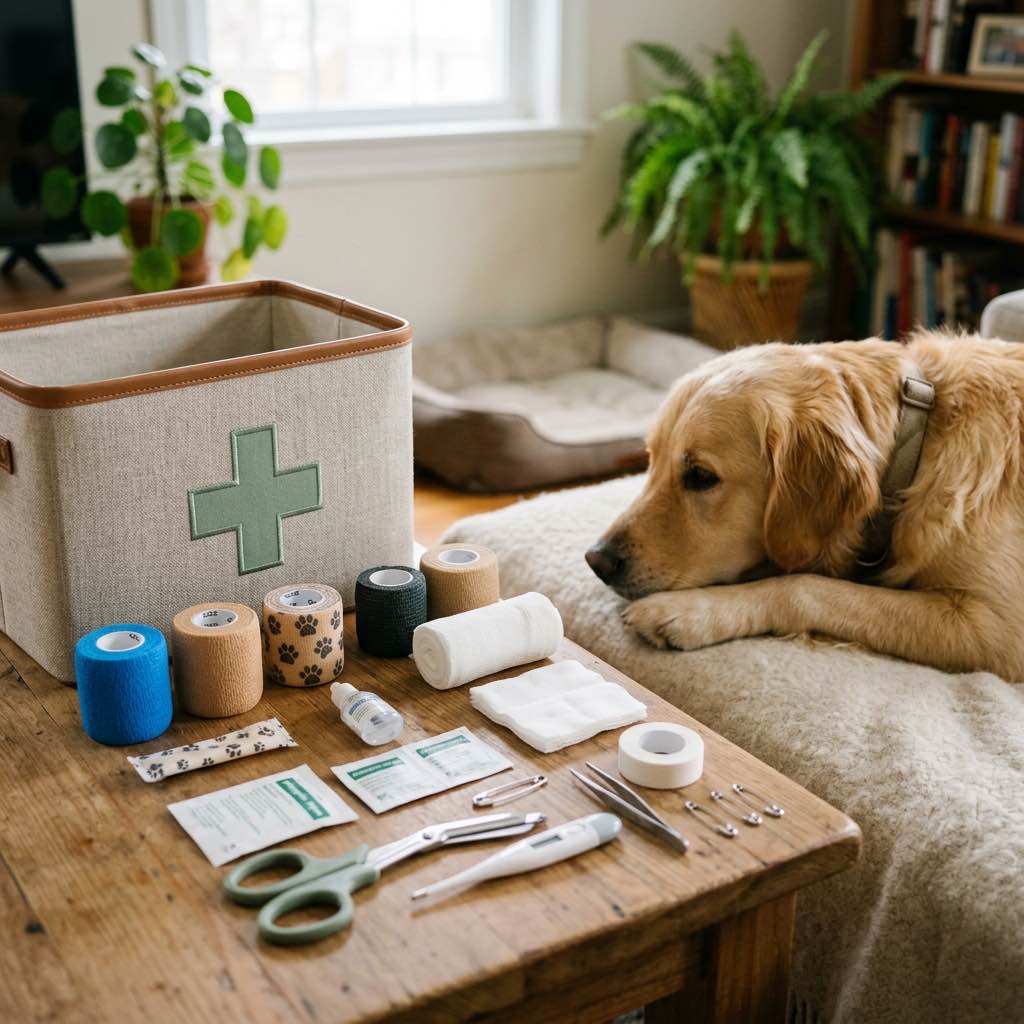
A well-stocked first aid kit is your first line of defence in an emergency. Keep one readily accessible at home and consider a smaller, portable version for your car, bach, or when you're out tramping with your dog.
Here’s what to include, with an eye on practicality for New Zealand conditions:
| Item | Purpose | NZ Specific Notes |
|---|---|---|
| Absorbent Pads/Gauze Rolls | Control bleeding, cover wounds | Essential for any first aid scenario. |
| Non-Stick Dressings | Protect wounds, prevent sticking | Use over open wounds before bandaging. |
| Self-Adhesive Vet Wrap | Secure dressings, provide light support | Often called 'Co-Flex' or 'Vetrap', available at pet stores or vets. |
| Medical Adhesive Tape | Secure bandages, hold gauze | Ensure it's pet-safe and breathable. |
| Antiseptic Wipes/Solution | Clean minor wounds (e.g., Chlorhexidine, Povidone-iodine) | Diluted Betadine (povidone-iodine) or a chlorhexidine solution are common. Avoid alcohol on open wounds. |
| Sterile Saline Solution | Flush wounds, eyes, remove irritants | Small bottles of sterile saline (e.g., for contact lenses) are perfect. |
| Blunt-Nosed Scissors | Cut bandages, trim fur around wounds | Safer for pets than sharp-tipped scissors. |
| Tweezers | Remove splinters, ticks, stingers | Fine-tipped for precision. |
| Digital Rectal Thermometer | Check body temperature | Normal range for dogs/cats: 37.8-39.2°C. Use a small amount of lubricant. |
| Disposable Gloves | Maintain hygiene, protect handler | Always recommended when dealing with blood or fluids. |
| Clean Towels/Blanket | Warmth, comfort, gentle restraint | Useful for wrapping an injured pet or providing a soft surface. |
| Soft Muzzle (Cloth/Basket) | Prevent biting from a stressed/injured pet | Crucial for safety, even the most docile pet can bite when in pain or fear. Practice fitting it beforehand. |
| Emergency Contact List | Vet, after-hours vet, NZ Poison Centre | Keep visible and updated. Include your pet's microchip number. |
| Pet-Safe Electrolyte Solution | Rehydration for mild dehydration/vomiting | Consult your vet before administering. |
| Activated Charcoal (Powder/Liquid) | Absorb certain toxins | Only administer under direct veterinary instruction. |
| Hydrogen Peroxide (3%) | Induce vomiting in dogs (specific cases only) | Dogs only — NEVER give to a cat (it can cause severe, bloody stomach inflammation). Even in dogs, only use on explicit veterinary instruction. |
Important Considerations:
- Expiry Dates: Regularly check and replace expired items.
- Accessibility: Store your kit in an easily accessible location that everyone in the household knows about.
- Pet poisoning — call the right line: New Zealand *does* have a pet-specific service. The Animal Poisons Helpline is 0800 869 738 — it is free for New Zealand pet owners (currently staffed roughly 11am–7pm NZ time; a 24-hour line is available to vet clinics). The general human line 0800 POISON (0800 764 766) is not the one to call — the National Poisons Centre says it is not expert in animal poisonings. Your vet remains the first call in a true emergency.
---
Heatstroke in NZ Summers
New Zealand summers can be deceptively hot, especially with high humidity, making heatstroke a serious risk for pets. Dogs, in particular, regulate their temperature primarily through panting and are highly susceptible. Brachycephalic (flat-faced) breeds like Pugs, Bulldogs, and Persians are at even higher risk.
Common Causes:
- Left in Cars: Even on a mild 20°C day, the temperature inside a car can reach dangerous levels (40°C+) within minutes. This is a leading cause of heatstroke and often fatal.
- Over-Exercised: Running or playing vigorously during the hottest parts of the day.
- Lack of Shade/Water: Being confined outdoors without access to shade or fresh water.
- Hot Pavements: Walking on hot asphalt can burn paw pads and raise body temperature.
Symptoms:
- Excessive panting, often very heavy and loud
- Bright red gums or tongue, later turning pale or bluish
- Profuse drooling
- Lethargy, weakness, staggering gait
- Vomiting (sometimes with blood) or diarrhoea
- Collapse, seizures, loss of consciousness
First Aid Steps:
- Act Immediately: Move your pet to a cool, shaded area.
- Cool aggressively and immediately — speed matters more than the exact method. Get cold water onto your pet as fast as you can. For a young, otherwise healthy dog, cold-water immersion (a tub, or continuously hosing/pouring cold water over the whole body) is the fastest, most effective method. If immersion isn't possible, soak them with cool or cold water and lay cold, wet towels over the head, neck, armpits and groin — swap the towels every minute or two, because towels left in place quickly warm up and then slow cooling down. A fan over the wet coat speeds evaporation. The older advice to avoid ice-cold water — on the theory that it constricts blood vessels and "traps heat" — has been overturned by the evidence; the priority is rapid cooling. Stop active cooling once your pet feels cool to the touch / is no longer distressed (roughly 39.4°C if you can measure it) to avoid over-cooling, and get to a vet either way.
- Offer Water: If conscious, offer small amounts of cool water to drink. Do not force water.
- Transport to Vet: Even if your pet appears to recover, it's crucial to get them to a vet immediately. Heatstroke can cause internal organ damage that isn't immediately visible. Continue cooling efforts during transport.
Prevention is Key:
- Never leave your pet in a parked car. Not even for a minute.
- Exercise during cooler hours: Early morning or late evening.
- Provide ample shade and fresh water if your pet is outdoors.
- Test the pavement: If it's too hot for your bare hand, it's too hot for your pet's paws.
- Be extra cautious with at-risk breeds and older or overweight pets.
---
Choking: What To Do
Choking is a terrifying emergency that requires swift action. Pets, especially dogs, often chew on inappropriate objects or eat too quickly, leading to blockages in their airway.
Common Causes:
- Toys (especially small or broken pieces)
- Bones (cooked bones are particularly dangerous as they can splinter)
- Sticks or stones
- Food (gulped down too fast)
- Balls (especially those that can get lodged in the back of the throat)
Symptoms:
- Paw at their mouth or face
- Distressed, laboured breathing or gasping
- Coughing or gagging violently
- Blue-tinged gums or tongue (cyanosis) due to lack of oxygen
- Collapse or loss of consciousness
- Panic and frantic behaviour
First Aid Steps:
- Assess the Situation: Stay calm but act quickly. Can you see the object? Is your pet still breathing at all?
- Open Mouth Check (Caution!): If your pet is conscious and not biting, carefully open their mouth and look for the object. If you can clearly see it and safely reach it with tweezers or your fingers, try to sweep it out. Be extremely careful not to push the object further down the throat or get bitten. If your pet is thrashing, do not attempt this.
- Heimlich Manoeuvre (Modified for Pets):
- Small Pets (Cats, Small Dogs): You can briefly hold a small pet up by the hips so gravity helps, and deliver a few firm thumps (back blows) between the shoulder blades. Do not shake them — shaking a choking animal risks serious injury and is not recommended.
- Medium to Large Dogs:
- Stand behind your dog, wrapping your arms around their abdomen, just behind the last rib.
- Make a fist with one hand and place it just below their rib cage. Place your other hand over your fist.
- Deliver 3-5 sharp, upward and forward thrusts, similar to the human Heimlich manoeuvre.
- Check the mouth after each set of thrusts.
- Unconscious Pet: If your pet loses consciousness, stop the Heimlich, lay them on their side and check whether they are breathing and have a heartbeat.
- If unconscious and not breathing — start full CPR, not just a few compressions. An unconscious, non-breathing pet needs cardiopulmonary resuscitation continued all the way to the vet. Lay them on their side and give chest compressions at 100–120 per minute, pushing down one-third to one-half of the chest width, in uninterrupted 2-minute cycles. If you are able, add 2 rescue breaths for every 30 compressions. Have someone phone the emergency vet while you work.
- Seek Vet Care Immediately: Even if you successfully dislodge the object, always take your pet to the vet. There could be internal damage or residual irritation.
---
Bleeding and Wounds
Cuts, scrapes, and punctures are common injuries for active pets, especially those enjoying NZ's outdoors. Knowing how to manage bleeding and clean a wound can prevent infection and further complications.
Types of Wounds:
- Abrasions: Scrapes, superficial skin damage.
- Lacerations: Deep cuts with jagged edges.
- Incisions: Clean cuts, often from sharp objects like glass.
- Puncture Wounds: Deep, narrow wounds (e.g., from sticks, thorns, animal bites). These can be deceptive as they may look small but cause significant internal damage and infection.
First Aid Steps:
- Stay Calm & Secure Your Pet: A pet in pain might bite. If necessary, use a soft muzzle.
- Control Bleeding:
- Apply direct, firm pressure to the wound with a clean cloth, gauze, or even your hand. Maintain pressure for at least 5-10 minutes without lifting to check.
- If a limb is bleeding, elevate it above the heart if possible.
- For severe bleeding that soaks through the dressing, add more layers on top and continue pressure.
- Do NOT use a tourniquet unless it's a life-threatening arterial bleed and you've been instructed by a vet, as it can cause severe tissue damage.
- Clean the Wound (After Bleeding is Controlled):
- Gently trim hair around the wound with blunt-nosed scissors (if possible and safe).
- Flush the wound thoroughly with sterile saline solution. This helps remove dirt and debris.
- You can gently clean the surrounding skin with an antiseptic wipe (chlorhexidine or povidone-iodine, diluted as per instructions). Avoid scrubbing the wound itself.
- Cover the Wound:
- Apply a non-stick pad directly over the wound.
- Wrap with gauze or vet wrap, ensuring it's snug but not too tight (you should be able to fit two fingers underneath).
- Secure with medical tape.
- Seek Vet Care:
- Immediately for deep cuts, puncture wounds, persistent bleeding, or wounds that may require stitches.
- For minor scrapes, clean thoroughly and monitor for signs of infection (redness, swelling, pus, heat, pain). If any develop, see your vet.
- Puncture wounds from sticks or bites are particularly prone to infection and often require antibiotics.
NZ Specifics: Be aware of potential injuries from fencing wire on rural properties, sharp shells at the beach, or sticks and rocks during walks in bushland or paddocks.
---
Suspected Poisoning
Poisoning is a critical emergency. Pets, especially curious dogs and cats, can ingest toxic substances found around the home, garden, or even out on a walk.
Puppy First Weeks Checklist NZGet a personalised checklist for your puppy's first weeks — organised by timeline and category, print-friendly, free.Build my checklist →Common NZ Poisons:
- Household Items: Cleaning products, rat bait (often containing brodifacoum or bromadiolone), slug bait (metaldehyde is highly toxic), antifreeze (ethylene glycol, highly attractive to pets but deadly), human medications (Paracetamol, ibuprofen, antidepressants), essential oils (especially for cats).
- Garden Toxins: Fertilizers, pesticides, compost, certain plants (lilies for cats, oleander, cycads, karaka berries, daffodil bulbs, some fungi).
- Food: Chocolate, grapes/raisins, onions, garlic, avocado (especially birds), xylitol (artificial sweetener found in many sugar-free products).
Symptoms: Symptoms vary widely depending on the toxin but can include:
- Vomiting and/or diarrhoea
- Lethargy, weakness, collapse
- Excessive drooling
- Tremors, seizures, disorientation
- Difficulty breathing, coughing
- Increased thirst or urination
- Changes in gum colour
- Skin irritation or burns (if topical exposure)
First Aid Steps:
- Identify the Poison: This is the most crucial step. If possible, bring the packaging, label, or a sample of the substance (e.g., plant part, vomit) to the vet. This helps them determine the best course of treatment.
- Call Your Vet IMMEDIATELY: Do not wait for symptoms to appear. Time is critical. Describe what happened, what was ingested, and how much.
- Do NOT Induce Vomiting Unless Instructed by a Vet: For some poisons (e.g., corrosive substances, petroleum products), inducing vomiting can cause more harm. Your vet will advise if it's appropriate and how to do it (in dogs this is sometimes done with 3% hydrogen peroxide). Never give hydrogen peroxide to a cat — it is not a safe emetic for cats and can cause severe, bloody gastritis; vomiting in cats must be induced by a vet.
- Do NOT Give Home Remedies: Milk, salt, or other home remedies are generally ineffective and can sometimes be dangerous.
- Prevent Further Exposure: Remove your pet from the source of the poison. If it's on their fur, try to prevent them from licking it off (e.g., with a cone or by wrapping them). For skin exposure, rinse thoroughly with water.
- Transport to Vet: Get your pet to the vet as quickly and safely as possible. Keep them warm and calm during transport.
---
Seizures
A seizure is a temporary, uncontrolled burst of electrical activity in the brain. It can be frightening to witness, but knowing how to respond can help keep your pet safe.
Causes:
- Idiopathic epilepsy (most common cause in dogs)
- Brain injury or tumour
- Toxins (e.g., lead poisoning, slug bait)
- Metabolic disorders (e.g., low blood sugar, liver disease)
- Heatstroke
- Infections
Symptoms (can vary in intensity):
- Pre-seizure (Aura): May include restlessness, whining, seeking attention, hiding.
- Ictus (The Seizure Itself):
- Loss of consciousness, collapse.
- Paddling of limbs, rigid posture.
- Drooling, foaming at the mouth.
- Involuntary urination or defecation.
- Vocalisation (whining, barking).
- Body tremors or muscle twitching.
- Can last from a few seconds to several minutes.
- Post-seizure (Post-ictal Phase): Disorientation, confusion, temporary blindness, weakness, excessive hunger or thirst. This phase can last minutes to hours.
First Aid Steps During a Seizure:
- Stay Calm & Keep Your Pet Safe: The most important thing is to prevent your pet from injuring themselves.
- Move any furniture or objects away from your pet that they might hit.
- If your pet is on a raised surface (e.g., couch, bed), gently lower them to the floor.
- Do NOT try to hold your pet down or restrain their movements.
- Do NOT Put Your Hands in Their Mouth: Your pet has no control during a seizure and could accidentally bite you severely. They will not swallow their tongue.
- Time the Seizure: Note the start and end time. This information is critical for your vet.
- Reduce Stimulation: Turn off bright lights, lower the volume of the TV or radio, and speak in a calm, soothing voice (if at all).
- Keep Them Cool: If the seizure lasts more than a few minutes, body temperature can rise. You can place a cool, damp cloth on their paws or head, but do not immerse them in water.
After the Seizure:
- Monitor: Your pet will likely be disoriented and confused. Keep them in a quiet, safe space.
- Contact Your Vet: Call your vet immediately, even if it was a short seizure and your pet seems to recover. This is especially important for a first-time seizure, multiple seizures in a short period (cluster seizures), or a seizure lasting longer than 5 minutes (status epilepticus, which is a medical emergency).
- Transport to Vet: Your vet may advise you to bring your pet in for examination and diagnosis.
---
Bee Stings and Spider Bites
Encounters with insects and spiders are part of life in New Zealand, and while most bites and stings are minor, some can cause significant reactions in pets.
Bee and Wasp Stings
Pets often get stung on their paws or face while investigating buzzing insects.
Symptoms:
- Sudden pain, yelping, limping (if paw is stung).
- Localised swelling, redness, and tenderness at the sting site.
- Paw licking or rubbing the face.
- Allergic Reaction (Anaphylaxis - Rare but Serious): Severe facial swelling (especially around the eyes and muzzle), hives, vomiting, diarrhoea, difficulty breathing, weakness, collapse. This requires immediate veterinary attention.
First Aid Steps:
- Remove the Stinger (if present): Bees leave their stinger behind, wasps do not. If you see a stinger, get it out as fast as possible by whatever method is quickest — scrape it with a blunt edge or simply pluck it. Speed matters far more than technique: venom keeps being injected until the stinger is gone, so don't waste time hunting for a credit card.
- Apply a Cold Compress: A cold pack or ice wrapped in a cloth applied to the sting site can help reduce swelling and pain.
- Monitor for Allergic Reaction: Watch your pet closely for at least 30 minutes to an hour after the sting for any signs of an allergic reaction.
- Contact Your Vet:
- If your pet has been stung multiple times.
- If stung inside the mouth or throat, as swelling can obstruct the airway.
- If you notice any signs of an allergic reaction. Your vet may administer antihistamines or other medications.
Spider Bites
New Zealand has relatively few dangerous spiders. The Katipo and Redback spiders are venomous, but bites are rare. Most other spider bites are minor.
Symptoms:
- Localised swelling, redness, and pain at the bite site.
- More Severe Bites (e.g., Katipo/Redback): Muscle tremors, weakness, lethargy, vomiting, paralysis, collapse.
First Aid Steps:
- Clean the Bite Area: Gently wash the area with mild soap and water.
- Apply a Cold Compress: This can help reduce swelling and pain.
- Monitor: Observe your pet for any worsening symptoms.
- Seek Vet Care Immediately: If you suspect a bite from a venomous spider (Katipo or Redback) or if your pet shows any signs of a severe reaction (weakness, tremors, vomiting, difficulty breathing), get them to the vet without delay. If possible, try to safely capture the spider (without putting yourself at risk) or take a clear photo for identification.
---
Finding Emergency Vet Care in NZ
Knowing where to go and what to do when your pet needs urgent care is paramount. New Zealand's veterinary landscape includes a mix of independent clinics and larger hospital groups, many of which offer after-hours or emergency services.
Before an Emergency Strikes:
- Know Your Vet's After-Hours Plan: Most regular vets will have an answering service that directs you to their own after-hours number or to a dedicated emergency clinic they partner with. Save this number in your phone.
- Locate Your Nearest Emergency Vet Clinic: In larger cities like Auckland, Wellington, Christchurch, and Dunedin, there are dedicated after-hours and emergency veterinary services (not all are open 24/7 — confirm the hours for your local clinic). Know their address and phone number. For example:
- Auckland: ARC (Animal Referral Centre), VSA (Veterinary Specialists Auckland)
- Wellington: After Hours Veterinary Clinic
- Christchurch: After Hours Veterinary Centre
- Dunedin: Dunedin Emergency & After-Hours Vet Clinic
- Keep Your Pet's Medical Records Handy: If you need to visit an unfamiliar emergency vet, having access to your pet's history (vaccination status, current medications, existing conditions) can be very helpful.
During an Emergency:
- Call Ahead: Always call the emergency vet clinic before you arrive. This allows them to prepare for your arrival and provide crucial first aid advice over the phone. Be ready to describe your pet's symptoms and the suspected emergency.
- Follow Instructions: Listen carefully to any advice given by the vet or veterinary nurse. They might guide you on how to safely transport your pet or administer specific first aid.
- Transport Safely:
- Use a secure pet carrier for cats and small dogs.
- For larger dogs, a sturdy blanket or stretcher can help if they are unable to walk.
- If your pet is in pain, they may bite. Consider using a soft muzzle if safe to do so.
- Have someone else drive if possible, so you can focus on your pet.
Costs of Emergency Care: Emergency veterinary care in New Zealand can be expensive due to the specialised nature of the services, staffing costs, and equipment.
- After-hours consultation fees typically range from $150 - $300+, before any diagnostics or treatment.
- Complex procedures, hospitalisation, or surgery can quickly run into thousands of dollars.
- Pet Insurance: Many Kiwi pet owners opt for pet insurance to help cover unexpected veterinary bills. It's worth researching different providers and plans to find one that suits your needs.
Remember, your vet is your best resource in an emergency. Don't hesitate to call them, even if you're unsure if it's a true emergency. It's always better to be safe than sorry when it comes to your beloved pet.
---
Sources
- Merck Veterinary Manual, What to Do in a Dog or Cat Emergency (heatstroke cooling, bleeding control, choking, safe handling of injured animals), checked 2026-07-19: https://www.merckvetmanual.com/special-pet-topics/emergencies/emergency-care-for-dogs-and-cats
- Animal Poisons Helpline (NZ) — 0800 869 738, free for all New Zealand pet owners (staffed ~11am–7pm NZ time; 24-hour line for vet clinics), checked 2026-07-23: https://www.animalpoisons.com.au/news/new-zealand-animal-poisons-helpline/
- Pet Poison Helpline, searchable poison and toxin list, checked 2026-07-19: https://www.petpoisonhelpline.com/poisons/