First Guinea Pig or Rabbit Setup NZ: Beginner Checklist
First guinea pig or rabbit setup NZ checklist: housing, weather, renting, budgeting and beginner links for small-pet owners.
First guinea pig or rabbit setup NZ planning should start before the animal comes home. Choose one species, confirm housing, weather protection, daily cleaning, handling rules, rent permission and holiday cover, then buy the pet. Rabbits and guinea pigs are small, but they are not low-responsibility starter animals.
Guinea pig or rabbit: choose before you shop
Start with the species profiles, then build the setup around the animal. The American Guinea Pig profile suits many beginners because guinea pigs have a predictable floor-level routine, but they still need companionship, space, hay, cleaning and calm handling. The Holland Lop Rabbit profile shows why rabbits can be rewarding, but they need more room, careful handling and rabbit-proofed living space.
Do not buy a generic "small animal" cage and decide later. Rabbits and guinea pigs have different bodies, behaviours and housing needs. SPCA New Zealand does not recommend housing rabbits and guinea pigs together, so a mixed-species setup should not be the beginner plan.
Use the Small Pets hub, Guinea Pig Care NZ, Rabbit Care NZ and Find a Breed before visiting a breeder, rescue, store or rehoming listing.
Quick beginner comparison
| Choice | Better fit when | Pause if |
|---|---|---|
| American Guinea Pig | You want a floor-level pet with gentle daily routines and can keep compatible guinea pigs. | You want one tiny cage, occasional cleaning or a pet for very young children to carry around. |
| Holland Lop Rabbit | You can provide a roomy enclosure, safe exercise area and calm handling. | You want a cuddly lap pet or have no safe rabbit-proofed space. |
| Other small pets | You have researched the exact species, legality and housing. | You are choosing only by price, cuteness or cage size. |
The setup order that saves stress
The safest beginner order is boring, which is exactly why it works:
- Read the species guide and profile first.
- Decide who will do daily feeding, water checks, hay top-ups and cleaning.
- Measure the indoor or outdoor space before buying housing.
- Check rent, body corporate, flatmate and council expectations.
- Buy the enclosure, hides, bedding, hay storage and cleaning gear.
- Set up the area and test the routine for a few days.
- Bring home the animal only when the household is ready.
That order also keeps the budget honest. In NZD, the animal may cost less than the first proper enclosure, bedding, hay, accessories, carrier and vet relationship. A cheap purchase can still become a serious weekly commitment.
Housing: bigger, cleaner, easier to manage
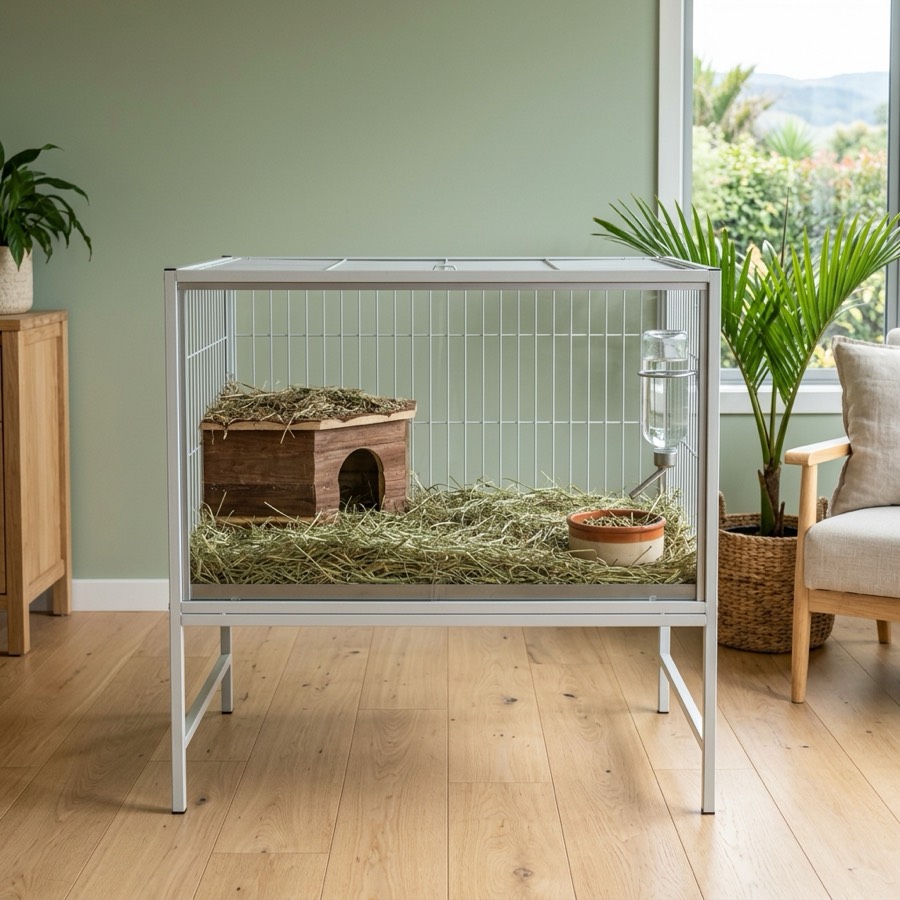
For detailed housing decisions, use Small Pet Hutch and Cage NZ. The short version: choose the largest practical enclosure, make cleaning easy, and create separate zones for resting, hay, water, toileting and exercise.
Guinea pigs generally do best with flat floor space, soft footing, hiding places and compatible guinea-pig company. Rabbits need enough room to hop, stretch, stand, hide and exercise. Both species need daily attention; a hutch in a corner is not a complete lifestyle.
Avoid wire floors and damp bedding. SPCA guidance for guinea pigs and rabbits repeatedly points back to space, clean housing, shelter and enrichment. If a setup smells quickly, feels cramped or is difficult to clean, it is usually the wrong setup for a beginner home.
Indoor or outdoor in New Zealand?
NZ weather changes the decision. Outdoor hutches need shade, shelter, airflow, predator protection, rain protection and a way to stay dry during rough weather. Wellington wind, Auckland humidity, Canterbury frosts and summer heat can all make a backyard setup harder than it looked in the shop.
Indoor setups are often more manageable for beginners, especially when the household can supervise, clean and notice changes quickly. But indoor does not mean free-roaming without planning. Rabbits chew, dig and squeeze into awkward spaces. Guinea pigs need safe flooring, hiding areas and protection from household noise, dogs, cats and toddlers.
Think about power cords, houseplants, balcony edges, heat pumps, direct sun and slippery floors. A good small-pet area is calm, ventilated, easy to clean and boringly secure.
Food and water basics
This guide is not a feeding chart, but the setup must make daily feeding easy. Plan space for clean hay storage, fresh water, food bowls or bottles, and a routine for removing soiled bedding and uneaten fresh food.
Guinea pigs and rabbits are herbivores with species-specific feeding needs. Use Guinea Pig Care NZ or Rabbit Care NZ for the detail, and talk to a rabbit- or small-animal-aware vet if you are unsure. Do not copy a feeding plan from another species because the cage looks similar.
Handling and children
Small pets can be fragile and easily stressed by rough handling. For children, set household rules before the animal arrives:
- Sitting on the floor for handling is safer than carrying around the house.
- Adults open cages, supervise interaction and decide when the pet needs a break.
- No chasing, grabbing, loud teasing or surprise picking up.
- Friends visiting the house follow the same rules.
- Cleaning and feeding are adult responsibilities, with children helping where age-appropriate.
This matters because rabbits and guinea pigs are prey animals. Many enjoy routine and gentle presence more than being lifted, passed around or cuddled on demand.
Renting, travel and rehoming
If you rent, check Tenancy Services guidance on pet consent and get written approval where needed. A landlord may care about chewing, smell, bedding disposal, water damage, outdoor structures and end-of-tenancy cleaning even when the pet is small.
Plan holiday care before purchase. A rabbit or guinea pig still needs daily checks over Christmas, long weekends and winter trips. Make sure the backup carer can handle feeding, water, cleaning, weather changes and transport if veterinary advice is needed.
If plans change, rehome responsibly through a rescue, breeder, experienced keeper or local network. MPI's other-pets import guidance is a reminder that small pets still sit inside NZ biosecurity and animal welfare systems, not just casual trading. Guinea pigs are legal to keep in New Zealand, but that legality does not extend to letting them go. Never release unwanted small pets outdoors.
First-week checklist
Before bringing a guinea pig or rabbit home:
- Choose either guinea pig or rabbit; do not plan to house them together.
- Read the relevant profile: American Guinea Pig or Holland Lop Rabbit.
- Confirm enclosure size, floor type, hides, bedding, hay, water and cleaning gear.
- Budget in NZD for setup, weekly supplies, transport carrier and veterinary care.
- Decide where the animal goes during heat, storms, frosts and holidays.
- Check pet consent if renting or living under body corporate rules.
- Keep at least three verified PetMall pages handy: Small Pets, Small Pet Hutch and Cage NZ and Find a Breed.
Key takeaways
- First guinea pig or rabbit setup NZ planning starts with species choice, not a cage purchase.
- Rabbits and guinea pigs should not be treated as interchangeable small pets.
- Housing, cleaning, hay, weather protection and gentle handling matter from day one.
- NZ renters should check pet consent before bringing the animal home.
- Outdoor setups need serious weather and predator planning; indoor setups need pet-proofing.
- Draft the routine on paper first, then bring the pet home when the whole household can repeat it.
Related reading
- Small Pets hub
- American Guinea Pig profile
- Holland Lop Rabbit profile
- Guinea Pig Care NZ
- Rabbit Care NZ
- Small Pet Hutch and Cage NZ
- Small Pets in NZ Guide
- Find a Breed
Reference sources
- SPCA New Zealand: Caring for guinea pigs - checked 2026-06-04.
- SPCA New Zealand: Companion rabbits - checked 2026-06-04.
- SPCA New Zealand: How to improve your pet rabbit's quality of life - checked 2026-06-04.
- MPI: Other pets - checked 2026-06-04.
- Tenancy Services: Requesting pet consent - checked 2026-06-04.
Related guides
petmall.co.nz
Shop at PetMall
The products below are practical support items for your pet. PetMall ships across New Zealand.