Small Pets in NZ: Rabbits, Guinea Pigs, Rats & More — Complete Guide
Explore our comprehensive small pets NZ guide covering legal requirements, popular pets, adoption vs. buying, costs, and vet care in New Zealand.
Welcome to the definitive wiki.petmall.co.nz guide for small pet ownership in Aotearoa New Zealand. Choosing a small pet can bring immense joy, but it's crucial to understand the unique legal, ethical, and care considerations specific to our country. This comprehensive small pets NZ guide will walk you through everything from biosecurity laws to typical costs and essential vet care, ensuring you're well-prepared to provide a loving and legal home.
Understanding New Zealand's Biosecurity and Pet Laws
New Zealand's unique ecosystem and agricultural economy are highly vulnerable to introduced pests and diseases. To protect our native flora and fauna, and our primary industries, the Ministry for Primary Industries (MPI) enforces strict biosecurity regulations under the Biosecurity Act 1993. These laws dictate which animals can be imported, bred, kept, and sold within New Zealand.
The Role of MPI and Biosecurity
The Ministry for Primary Industries (MPI) is the government agency responsible for safeguarding New Zealand's biosecurity. This includes managing risks associated with imported animals, plants, and products. For pet owners, this means understanding that not all animals legal in other countries are legal here. Attempting to import, possess, or breed prohibited animals can result in significant penalties, including fines and even imprisonment. It's not just about animal welfare; it's about protecting our entire country.
Legal, Restricted, and Prohibited Animals
When considering a small pet, it's vital to know its legal status in New Zealand:
- Legal/Unrestricted Animals: These are animals that are generally permitted to be kept as pets without specific permits, provided they are sourced legally within New Zealand. This category includes most common small pets like rabbits, guinea pigs, rats, mice, and many common bird species. Ferrets are the notable exception — they are treated as a pest species rather than a pet, and are covered separately below.
- Restricted Animals: Some animals may be legal to keep but come with specific conditions, permits, or require a licence. For small pets, this is less common but can apply to certain exotic birds or reptiles that may be subject to CITES (Convention on International Trade in Endangered Species of Wild Fauna and Flora) regulations, even if bred domestically. Always verify with MPI if you are unsure about a less common species.
- Prohibited Animals: These animals are illegal to import, possess, breed, or sell in New Zealand. This category includes many species that are popular pets overseas but pose a significant biosecurity risk to NZ. Examples often include many species of reptiles (e.g., snakes, turtles, most lizards), amphibians (e.g., exotic frogs, salamanders), and certain exotic mammals (e.g., sugar gliders, hedgehogs, raccoons). It is illegal to keep these animals, and you should never attempt to acquire them. If you encounter someone selling or possessing a prohibited animal, you should report it to MPI.
Practical Steps for Owners
- Verify Legality: Before acquiring any pet, especially if it's not a common rabbit or guinea pig, always verify its legal status with MPI. Their website (mpi.govt.nz) is the authoritative source for information on permitted and prohibited species.
- Source Responsibly: Only acquire pets from reputable sources within New Zealand. This helps ensure the animal is legally present in the country and has not been illegally imported.
- Understand Your Responsibilities: As an owner, you are legally responsible for ensuring your pet does not escape into the wild, where it could become a pest. This is particularly relevant for species like rabbits and ferrets, which have established wild populations that cause significant environmental damage.
Legal Alternatives to Prohibited Pets
If you're drawn to the idea of an exotic pet that is prohibited in New Zealand, consider the wonderful legal alternatives available. For example, instead of a snake, you might explore the fascinating world of native geckos or skinks (though these require specific permits and are generally not suitable as 'pets' in the traditional sense, often being conservation animals). For those interested in unique mammals, chinchillas are legal to keep here and are quiet, long-lived and clean — note ferrets do not belong on this list, as they are an unwanted organism and cannot legally be sold or bred in New Zealand. Rats are also surprisingly affectionate and intelligent. Remember, the goal is to find a pet that thrives legally and ethically in our unique environment.
Most Popular Small Pets in NZ
New Zealanders love their small pets! Here are some of the most popular choices, known for their companionship and relatively manageable care requirements:
Rabbits
Rabbits are intelligent, social, and can be litter-trained, making them wonderful companions. They require spacious housing, a diet rich in hay, fresh vegetables, and a small amount of pellets. Regular handling from a young age helps them become friendly. They can live 8-12 years.
- Care Needs: Large hutch or indoor enclosure, daily exercise, unlimited hay, fresh water, daily greens, annual vet checks, desexing, and vaccinations (RHDV).
- Considerations: Can be destructive if not given appropriate enrichment, require significant space, and benefit from companionship (bonded pairs).
Guinea Pigs
Affectionate and vocal, guinea pigs are completely legal to keep in New Zealand and make fantastic pets, especially for families. They are generally gentle and rarely bite. They thrive on social interaction and are best kept in pairs or small groups. Their lifespan is typically 5-7 years.
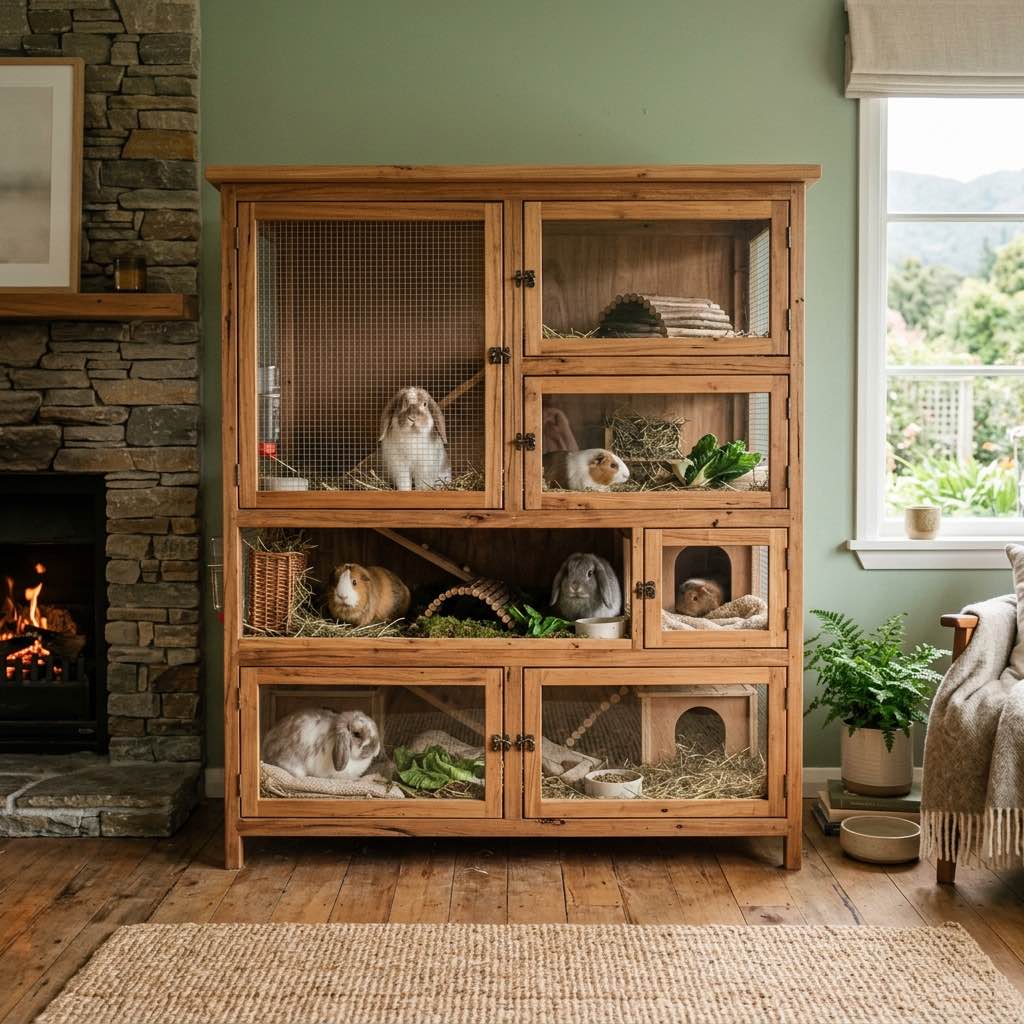
- Care Needs: Spacious cage, unlimited hay, fresh water, daily fresh vegetables (especially vitamin C rich ones), daily handling, and regular cage cleaning.
- Considerations: Require daily interaction, prone to certain health issues if diet is poor (e.g., scurvy), and need protection from temperature extremes.
Rats
Rats are highly intelligent, social, and incredibly affectionate. They can learn tricks, respond to their names, and enjoy human interaction. They are clean animals and bond strongly with their owners. Rats typically live 2-3 years.
- Care Needs: Large multi-level cage, daily out-of-cage time, high-quality rat pellets, fresh vegetables, fresh water, enrichment toys, and social companionship (same-sex pairs or groups).
- Considerations: Shorter lifespan, prone to respiratory issues, require significant mental stimulation and social interaction.
Mice
Mice are small, active, and fascinating to watch. While not as interactive as rats, they can become quite tame with regular handling. They are best kept in same-sex groups as they are highly social. Their lifespan is around 1-2 years.
- Care Needs: Secure, well-ventilated cage, bedding for burrowing, high-quality mouse pellets, fresh water, small amounts of fresh vegetables, and enrichment.
- Considerations: Fragile, require secure housing to prevent escapes, and need regular cage cleaning due to their metabolism.
Ferrets — Not an Option for New Owners in New Zealand
Ferrets are popular pets in Australia, the UK and much of the United States, so they turn up on plenty of "best small pets" lists. In New Zealand they are a different story. Ferrets are classified as an unwanted organism under the Biosecurity Act 1993, and since 2002 it has been illegal to sell, distribute or breed them here (full detail on the ferret ban and what it means for existing owners). They were banned because escaped and released ferrets are serious predators of native birds and their eggs.
- What this means in practice: You cannot legally buy a pet ferret in New Zealand, and no pet shop or breeder can legally sell you one. A very small number of people hold specific authorisation to keep ferrets (historically for rabbit control), but that is not a pathway open to someone looking for a household pet.
- If you already have one: Existing owners are not required to give up an animal they lawfully held before the ban, but you cannot breed from it or pass it on by sale. Some councils — Auckland among them — add further restrictions on keeping ferrets at all, so check your own council's animal bylaw.
- If a ferret is what appealed to you: Rats are the closest match in temperament — genuinely intelligent, interactive, trainable, and happy to spend out-of-cage time with you. Rabbits suit people who wanted a larger animal to bond with. Both are legal, widely available from NZ rescues, and covered above.
See our full list of exotic pets banned and restricted in NZ for the wider picture on prohibited species.
Birds (e.g., Budgerigars, Cockatiels)
Many bird species are popular small pets in NZ. Budgerigars and cockatiels are known for their intelligence, ability to mimic sounds, and social nature. They thrive on interaction and can form strong bonds with their owners. Their lifespan varies greatly by species, from 5-10 years for budgies to 15-20+ for cockatiels.
- Care Needs: Spacious cage allowing flight, perches of varying sizes, high-quality bird seed/pellets, fresh water, daily fresh fruits and vegetables, enrichment toys, and social interaction. For specific care, see our guides on Budgerigars or Cockatiels.
- Considerations: Can be noisy, require daily interaction, need regular cage cleaning, and can be messy.
Reptiles & Amphibians (Limited Legal Options)
While many reptiles and amphibians are prohibited, a few species are legally kept in New Zealand, primarily native geckos and skinks. These often require specific permits from the Department of Conservation (DOC) and are generally not recommended for novice pet owners due to their specialised care and conservation status. For those interested in a legal, non-native reptile, the Leopard Gecko is a popular choice, provided it is sourced from legal, domestic breeding. For more information, see our guide on /reptiles/breeds/leopard-gecko.
- Care Needs: Highly specialised enclosures with specific temperature, humidity, and lighting requirements; specific diets; and often require permits.
- Considerations: High initial setup costs, very specific care, and limited availability of exotic vets for non-native species.
Where to Adopt vs. Buy Small Pets in NZ
Choosing where to get your new small pet is an important decision that impacts animal welfare and responsible ownership.
Adopting from the NZ SPCA or Rescue Groups
Adopting a small pet from an SPCA centre or a dedicated small animal rescue group is worth considering first. These organisations often have a wide variety of rabbits, guinea pigs, rats, and sometimes other small animals looking for forever homes. The NZ SPCA small animal section at your local branch is an excellent place to start. Advantages of adoption include:
- Health Checks: Animals are typically vet-checked, desexed (for rabbits and ferrets), vaccinated, and microchipped (if applicable).
- Temperament Assessment: Staff can provide insights into the animal's personality and history.
- Support: Adoption fees usually include initial vet care and ongoing advice.
- Ethical Choice: You're giving a second chance to an animal in need.
Check the SPCA website (spca.nz) or local rescue groups like Rabbit Rescue, Guinea Pig Rescue, or Rat Rescue NZ for available animals.
Buying from Reputable Breeders
If you're looking for a specific breed or a very young animal, a reputable breeder is a good option. A good breeder will:
- Prioritise the health and welfare of their animals.
- Be knowledgeable about the species and breed.
- Allow you to see the parents and the living conditions.
- Provide health guarantees and ongoing support.
- Not sell animals that are too young to be separated from their mothers.
Avoid 'backyard breeders' who may prioritise profit over animal welfare.
Buying from Pet Stores
Pet stores can be a convenient option, but it's crucial to choose one that prioritises animal welfare. Look for stores that:
- Have clean, spacious enclosures.
- Provide appropriate food and water.
- Have knowledgeable staff who can answer your questions.
- Source their animals ethically from reputable breeders.
Be wary of stores with overcrowded or unsanitary conditions, or staff who cannot provide basic care information.
Typical Costs in NZD for Small Pets
Owning a small pet involves both initial setup costs and ongoing expenses. It's important to budget for these to ensure you can provide proper care.
Initial Setup Costs (Estimates in NZD)
- Animal Cost:
- Rabbits: $50 - $150 (adoption fees often include desexing/vaccinations, making them good value)
- Guinea Pigs: $30 - $80
- Rats/Mice: $15 - $40
- Ferrets: $100 - $300 (adoption fees often include desexing/vaccinations)
- Birds (Budgie/Cockatiel): $30 - $150
- Leopard Gecko: $150 - $300 (from a reputable NZ breeder)
- Housing:
- Cages/Hutches: $100 - $500+ (depending on size and complexity)
- Terrariums (for reptiles): $200 - $800+ (highly specialised, includes heating/lighting)
- Accessories:
- Food bowls, water bottles/dishes: $20 - $50
- Bedding (initial supply): $20 - $50
- Toys, enrichment items: $30 - $100
- Carrier for vet visits: $30 - $80
- Vet (Initial):
- First check-up: $60 - $100
- Desexing (Rabbits/Ferrets): $200 - $500
- Vaccinations (Rabbits/Ferrets): $80 - $150
Total Initial Setup: Expect to spend anywhere from $300 to $1500+ depending on the animal and setup complexity.
Ongoing Monthly Costs (Estimates in NZD)
- Food:
- Hay (for rabbits/guinea pigs): $20 - $40
- Pellets/Kibble: $15 - $50
- Fresh vegetables/fruits: $20 - $50
- Bedding/Litter: $15 - $40
- Treats/Chew Toys: $10 - $30
Total Ongoing Monthly: $80 - $200+ (higher for multiple animals or specialised diets).
Emergency & Annual Vet Costs
This is where costs can vary significantly. It's crucial to have an emergency fund for your pet.
- Annual Check-up: $60 - $100
- Annual Vaccinations (Rabbits/Ferrets): $80 - $150
- Dental Issues (Rabbits/Guinea Pigs): $300 - $800+ (can be recurring)
- Respiratory Infections (Rats): $150 - $400+
- Injury/Illness: $200 - $1000+ (depending on severity and treatment)
Pet insurance for small animals is becoming more available in NZ and can help manage unexpected vet bills.
Vet Care for Small Animals in NZ
Finding appropriate veterinary care for small animals in New Zealand is crucial, as not all vets have experience with 'exotic' or pocket pets.
The Importance of an 'Exotic Vet'
Many general practice vets primarily treat cats and dogs. Small animals like rabbits, guinea pigs, rats, ferrets, birds, and reptiles have unique physiologies and require specialised knowledge for accurate diagnosis and treatment. An 'exotic vet' or a vet with a special interest in small/pocket pets will have the expertise, equipment, and medications necessary to provide the best care.
- How to Find One: Ask your local pet store for recommendations, search online directories, or ask for referrals from rescue groups. It's wise to identify an exotic vet *before* you need one in an emergency.
Common Health Issues and Preventative Care
- Rabbits: Dental issues (malocclusion), GI stasis, snuffles (respiratory infections), flystrike, RHDV (Rabbit Haemorrhagic Disease Virus) requiring vaccination.
- Guinea Pigs: Dental issues, scurvy (Vitamin C deficiency), respiratory infections, skin parasites, bladder stones.
- Rats: Respiratory infections (Mycoplasma), tumours, bumblefoot.
- Ferrets: Adrenal disease, insulinoma, dental disease, distemper (requiring vaccination).
- Birds: Respiratory issues, feather plucking, nutritional deficiencies, overgrown beaks/nails.
- Reptiles: Metabolic bone disease (due to improper lighting/diet), respiratory infections, parasites.
Preventative Care is Key:
- Annual Vet Checks: Even if your pet seems healthy, a yearly check-up can catch issues early.
- Appropriate Diet: The right diet is the single most important factor in preventing many small animal health problems.
- Cleanliness: Regular cleaning of enclosures prevents bacterial build-up and parasites.
- Enrichment: Mental and physical stimulation reduces stress and promotes overall well-being.
- Observation: Learn your pet's normal behaviour so you can spot subtle changes that might indicate illness.
Responsible Ownership: A Lifelong Commitment
Owning a small pet is a rewarding experience, but it's a significant commitment. Beyond the legal and financial aspects, responsible ownership means providing a stimulating environment, daily interaction, and a lifetime of love and care. Educate yourself continuously, stay informed about any changes in MPI regulations, and always put your pet's welfare first. By doing so, you'll ensure a happy, healthy, and legal life for your small companion in Aotearoa.
Quick Summary
- Biosecurity is Paramount: NZ has strict MPI laws (Biosecurity Act 1993) to protect its unique environment. Always verify an animal's legal status.
- Legal vs. Prohibited: Common small pets like rabbits, guinea pigs, rats, and mice are legal, while ferrets are banned (an unwanted organism since 2002). Many exotic reptiles, amphibians, and mammals are strictly prohibited too.
- Source Responsibly: Adopt from NZ SPCA or rescue groups, or buy from reputable breeders/pet stores.
- Budget Wisely: Account for initial setup (cages, animal cost, initial vet) and ongoing monthly costs (food, bedding, treats), plus emergency vet funds.
- Specialised Vet Care: Seek out an 'exotic vet' or a vet experienced with small/pocket pets for optimal health care.
- Preventative Care: Regular vet checks, appropriate diet, clean housing, and enrichment are crucial for preventing common ailments.
- Lifelong Commitment: Responsible ownership means continuous education and prioritising your pet's welfare within NZ's legal framework.
Sources
- MPI, Importing live animals — NZ Customs and MPI jointly enforce the rules on importing live animals, checked 2026-07-25: https://www.mpi.govt.nz/import/importing-live-animals
- MPI, Stopping pets becoming pests, checked 2026-07-25: https://www.mpi.govt.nz/biosecurity/biosecurity-and-your-pets/
- EPA, About new organisms — any species new to New Zealand needs EPA approval to import, develop, field test or release under the HSNO Act 1996, checked 2026-07-25: https://www.epa.govt.nz/industry-areas/new-organisms/about-new-organisms/
- New Zealand Legislation, Biosecurity Act 1993, checked 2026-07-25: https://www.legislation.govt.nz/act/public/1993/95/en/latest/
- New Zealand Legislation, Animal Welfare Act 1999 Section 10 (Obligations of Owners), checked 2026-07-25: https://www.legislation.govt.nz/act/public/1999/0142/latest/DLM49664.html
- New Zealand Veterinary Association (NZVA), Rabbit Haemorrhagic Disease (RHD) Advice for Pet Owners, checked 2026-07-25: https://nzva.org.nz/for-the-public/pets/rhd-owners
- Merck Veterinary Manual, Nutritional Problems and Vitamin C Requirements of Guinea Pigs, checked 2026-07-25: https://www.merckvetmanual.com/all-other-pets/guinea-pigs/nutritional-problems-of-guinea-pigs
- DOC, Ferrets: New Zealand animal pests — ferrets are declared unwanted organisms and prey on native birds and their eggs, checked 2026-07-25: https://www.doc.govt.nz/nature/pests-and-threats/animal-pests-and-threats/ferrets/
- Beehive.govt.nz, Pet ferrets to be banned — the 2002 announcement banning the sale, distribution and breeding of ferrets, checked 2026-07-25: https://www.beehive.govt.nz/release/pet-ferrets-be-banned
*Biosecurity and welfare rules change. Confirm the current requirements with MPI or your local council before acquiring any small pet.*