Pet Breed Guide NZ
Leopard Gecko
The Leopard Gecko (Eublepharis macularius) is a beloved small reptile, celebrated for its striking patterns, docile temperament, and relatively straightforward care, making it an excellent choice for first-time reptile owners. Originating from the arid and semi-arid regions of South Asia, these nocturnal lizards are known for their unique movable eyelids and fat-storing tails. They typically reach lengths of 20-25 cm and can live for 15-20 years with proper care. In New Zealand, Leopard Geckos are a popular and legal pet, widely available from local breeders. However, prospective Kiwi owners should always confirm current MPI and local council regulations before acquiring one.
Photo Gallery
NZ Ownership Snapshot
Verified NZ Status- Noise Level
- quiet
- Social Needs
- solitary
- Diet Type
- Insectivorous
- UVB Required
- Yes
Legal to keep in NZ — but cannot be imported. Leopard geckos are not on the HSNO Act's Schedule 2 prohibited-organisms list (which bans all snakes and all venomous reptiles) nor on the EPA's prohibited register, and DOC's Wildlife Act captive-lizard permits cover native geckos only. The NZ Herpetological Society lists them among exotics commonly kept here and NZ pet shops sell NZ-bred animals. MPI's pet import rules bar reptile imports, so all lawful stock is NZ captive-bred — buy from established NZ breeders or licensed shops. Verified 4 September 2026. Sources: legislation.govt.nz (HSNO Schedule 2), epa.govt.nz (prohibited organisms), mpi.govt.nz (pets other than cats and dogs), reptiles.org.nz, doc.govt.nz (holding lizards in captivity)
Breed Snapshot
- Size
- small
- Lifespan
- 15-20 years
- Origin
- South Asia
- Care Focus
- Enclosure-focused reptile with handling tolerance and activity needs that should be checked in a species-specific care guide.
- NZ Price
- NZD $100 - $400 (depending on morph and breeder)
- Annual Vet Cost
- Estimated annual vet/care costs in NZD for a Leopard Gecko can range from $150 - $400. This includes a recommended annual check-up, especially important given the scarcity of exotic vets in New Zealand. Consultations for specific health issues can cost $80 - $150 per visit, with medications or procedures adding to this. It's crucial to budget for potential specialist care, as finding an experienced exotic vet in some regions of NZ can be challenging. Many general vets may not have extensive reptile experience, so identifying a knowledgeable vet early is highly recommended.
Personality Scores
NZ Lifestyle Fit
Leopard Geckos are exceptionally well-suited for a variety of New Zealand homes, from city flats to suburban houses and even baches, thanks to their small size and contained habitat needs. They are quiet and do not require extensive space, making them ideal for apartment living. Climate considerations are important but easily managed indoors; while Auckland's humidity or the South Island's colder temperatures won't directly affect them, their enclosures require precise temperature and humidity control regardless of external conditions. A heated enclosure ensures they thrive in any part of NZ. There are no specific regional restrictions beyond the general requirement to check with your local council and MPI, as is good practice for all exotic pets. Sourcing a Leopard Gecko legally in NZ is straightforward; they are widely available from reputable, ethical breeders and specialist reptile stores throughout the country. It's always best to purchase from a local breeder who can provide information on the gecko's lineage and health history, ensuring you get a healthy, well-adjusted pet.
NZ legal status not yet verified against MPI, EPA, DOC and regional council records. Don't treat this page as confirmation that the species can legally be imported, bought, sold, bred or kept in New Zealand — check those official sources first.
About the Leopard Gecko
Leopard Geckos (Eublepharis macularius) are small, ground-dwelling lizards native to the dry grasslands and desert regions of Afghanistan, Pakistan, north-west India, and parts of Iran. They are renowned for their hardiness and calm disposition, making them one of the most popular pet reptiles globally, and certainly here in New Zealand. With a lifespan often exceeding 15-20 years in captivity, owning a Leopard Gecko is a long-term commitment. They typically grow to about 20-25 cm, including their tail, and are insectivorous, meaning their diet consists entirely of insects. Unlike many other geckos, Leopard Geckos possess eyelids, allowing them to blink and close their eyes. They are primarily nocturnal or crepuscular, being most active during dawn and dusk. While generally solitary, they can sometimes be housed in groups of females, though this requires careful monitoring. UVB lighting is beneficial for their health, aiding in calcium absorption and overall well-being.
What They Look Like
Leopard Geckos are easily identifiable by their distinctive appearance. They have soft, bumpy skin covered in small, non-overlapping scales, giving them a unique texture. Their most striking feature is their patterned skin, which typically consists of a yellow or cream base colour adorned with dark spots, bands, or blotches, resembling a leopard's coat – hence their name. Through selective breeding, a vast array of 'morphs' or colour variations have been developed, ranging from vibrant oranges and yellows to albinos, tangerines, and even patternless varieties. They possess large, expressive eyes with vertical pupils, and unlike many other gecko species, they have movable eyelids. Their tails are thick and fleshy, serving as a vital fat storage organ, which can detach (autotomy) as a defence mechanism and regenerate, though often not as perfectly as the original.
Personality & Behaviour
Leopard Geckos are generally docile and calm creatures, making them excellent pets for those who appreciate quiet companionship. They are not typically aggressive and can become quite tolerant of handling once accustomed to their owner. Being nocturnal, they are most active during the night, exploring their enclosure, hunting for insects, and basking under their heat source. During the day, they prefer to retreat into their hides, seeking warmth and security. They are solitary animals by nature, and while females can sometimes be housed together in spacious enclosures, males should never be kept with other males due to territorial aggression. Their behaviour is largely exploratory and food-driven, and they can learn to associate their owner with feeding time. They communicate through tail wags, especially when hunting or feeling threatened, and occasionally emit soft chirps or squeaks.
Life in New Zealand
Leopard Geckos have firmly established themselves as the most popular pet reptile in New Zealand, valued for their manageable size and relatively low maintenance compared to other exotic pets. Their legal status in NZ is 'legal', making them readily available from reputable local breeders and specialist pet stores across the country. This widespread availability means Kiwis have good access to healthy, captive-bred individuals. However, even with their legal status, it is crucial for prospective owners to consult the Ministry for Primary Industries (MPI) website and their local council bylaws. While generally permitted, specific regional restrictions or requirements can sometimes apply to exotic pets, ensuring responsible ownership and preventing environmental risks. The NZ Herpetological Society is also an excellent resource for local information and community support.
Is This the Right Pet for You?
Leopard Geckos are an ideal pet for beginners and experienced reptile enthusiasts alike, particularly those living in flats or smaller homes due to their modest enclosure requirements. Their quiet nature and nocturnal habits mean they won't disturb your household during the day. They are a long-term commitment, often living for 15-20 years, so potential owners must be prepared for this dedication. While generally low-maintenance, they do require consistent care, including temperature regulation, a specific diet, and a clean environment. They are not 'cuddly' pets but offer a fascinating glimpse into the world of reptiles. They can be suitable for older, responsible children who understand how to handle delicate animals. If you're looking for a quiet, visually appealing, and relatively easy-to-care-for exotic pet that thrives indoors, a Leopard Gecko could be the perfect addition to your Kiwi whānau.
Fun Facts
Fact 1
Leopard Geckos are one of the few gecko species with movable eyelids, allowing them to blink and close their eyes.
Fact 2
Their thick tails serve as fat storage, helping them survive periods of food scarcity in their natural desert habitats.
Fact 3
Like many lizards, they can 'drop' their tail (autotomy) as a defence mechanism when threatened, which will regenerate over time.
Fact 4
They are nocturnal, meaning they are most active during the night, hunting for insects and exploring their surroundings.
Fact 5
Leopard Geckos have tiny claws on their toes, but unlike many other geckos, they do not have sticky toe pads, so they cannot climb smooth vertical surfaces.
Related Breeds
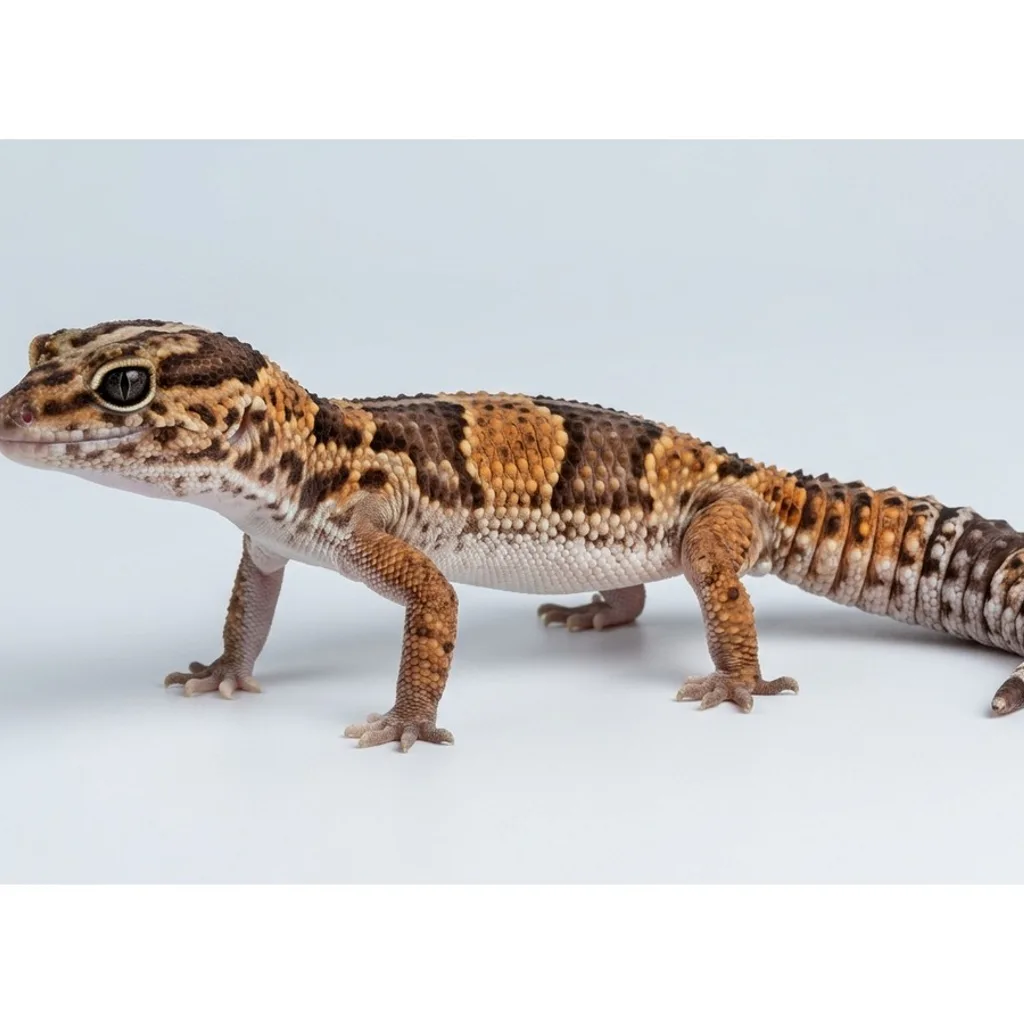
African Fat-tailed Gecko
The African Fat-tailed Gecko is a popular beginner reptile overseas, but it is prohibited in New Zealand: there is no legal captive population, reptile imports for the pet trade are not permitted, and under the HSNO Act 1996 it counts as a "new organism" that cannot lawfully be kept. This page explains the species and the NZ legal reality rather than how to keep one here. Typical lifespan in captivity overseas is 15-20 years.
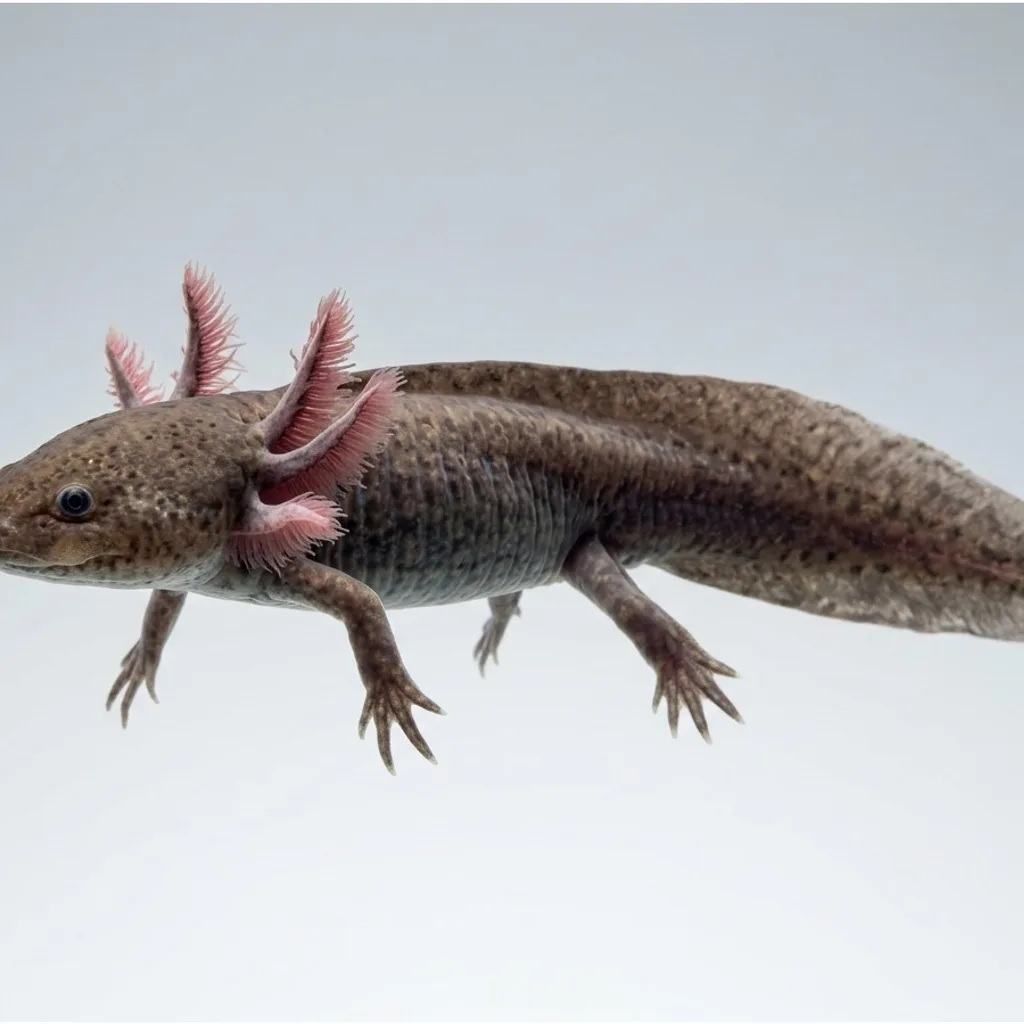
Axolotl (Mexican Walking Fish)
Axolotls are neotenic, fully aquatic salamanders native to Mexico. Famous for their branch-like external gills and smiling expressions, they are popular, low-maintenance aquarium pets in NZ.
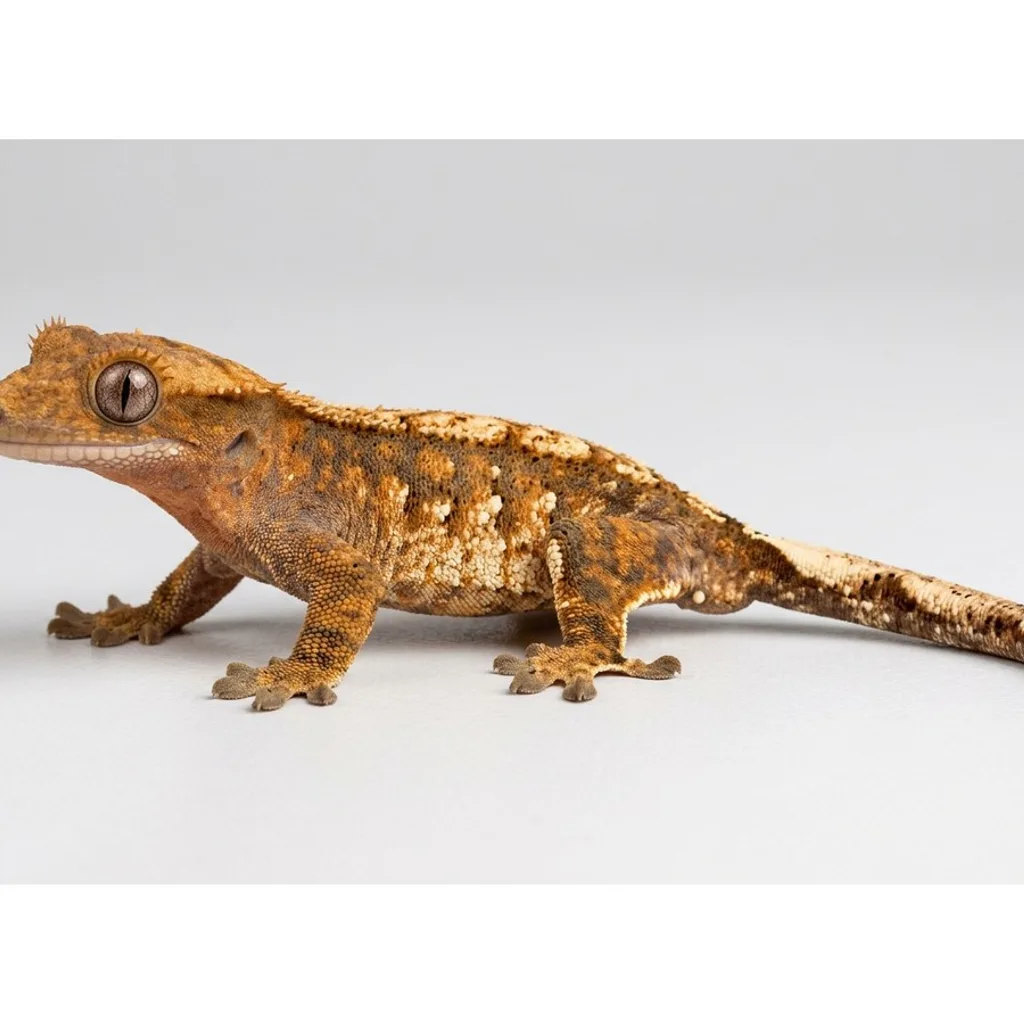
Crested Gecko
Crested geckos are hugely popular overseas, but they are not part of New Zealand's pet trade. Reptiles cannot be imported as pets, and there is no established NZ crested gecko population — they are absent from the New Zealand Herpetological Society's list of exotic reptiles kept here, and no NZ breeder or retailer offers them. Treat any local "crested gecko for sale" listing with extreme caution. If you want an NZ-legal lizard, look at leopard geckos, bearded dragons or blue-tongued skinks instead.
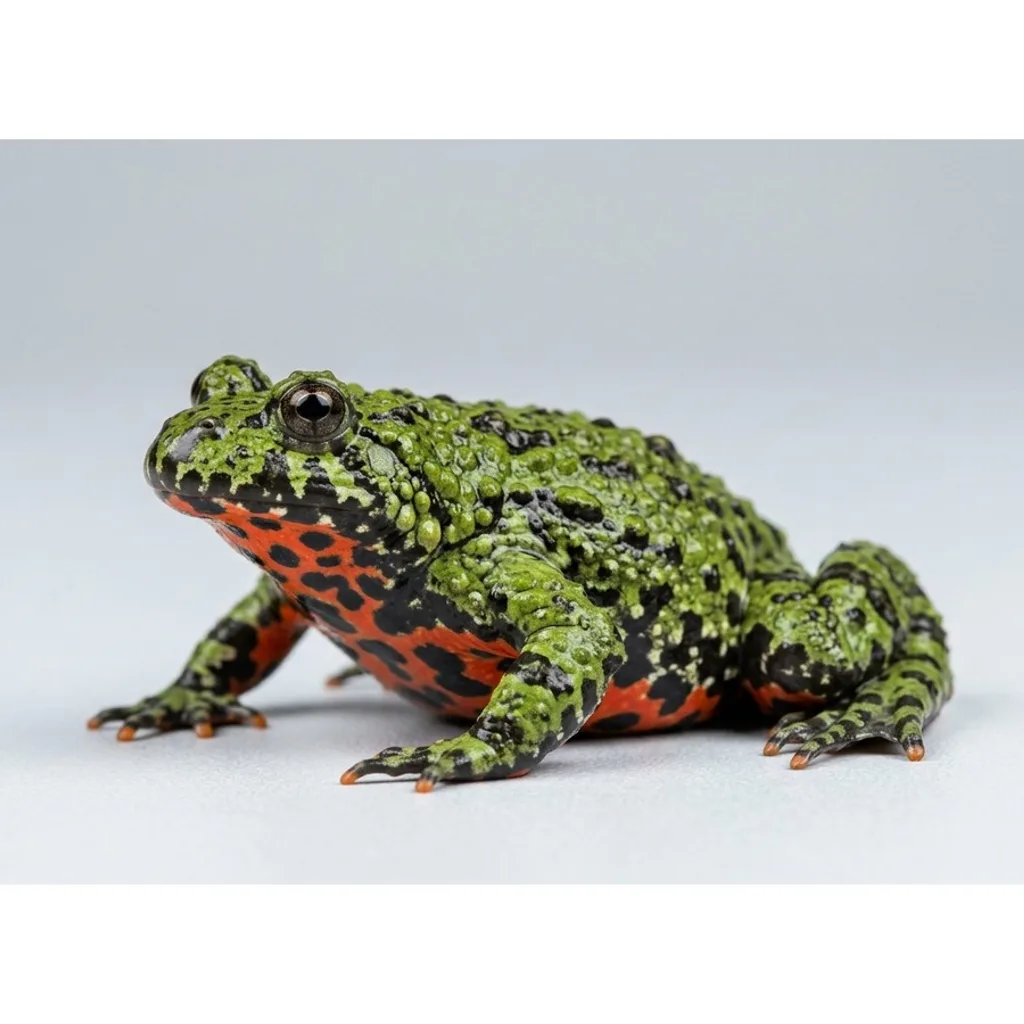
Fire-bellied Toad
The Fire-bellied Toad is not legally keepable in New Zealand; this page details the legal framework and approved alternative reptile species.