Pet Breed Guide NZ
Fire-bellied Toad
The Fire-bellied Toad, a small and captivating reptile originating from Asia, is renowned for its striking, vibrant red and black belly, which serves as a warning to potential predators. These semi-aquatic animals are relatively low-maintenance in terms of direct interaction, making them an intriguing observational pet. Their unique 'Unken reflex' defence, where they arch their back to display their colourful underside, adds to their distinctiveness. In New Zealand, the Fire-bellied Toad holds a 'restricted' legal status. Prospective Kiwi owners must undertake thorough due diligence, contacting MPI and their local council to understand the specific regulations and permit requirements before considering one.
Photo Gallery
NZ Ownership Snapshot
Prohibited in NZ- Noise Level
- quiet
- Social Needs
- solitary
- Diet Type
- Insectivorous
- UVB Required
- Yes
Fire-bellied Toads (Bombina sp.) are not approved for keeping in NZ. Note: Fire-bellied Newts (Cynops sp.) are different species and are legal in NZ.
Breed Snapshot
- Size
- small
- Lifespan
- 10-15 years
- Origin
- Asia
- Care Focus
- Enclosure-focused reptile with handling tolerance and activity needs that should be checked in a species-specific care guide.
- NZ Price
- Due to their 'restricted' legal status in New Zealand, Fire-bellied Toads are not legally available for purchase by the general public. Therefore, there is no established NZD price range for obtaining this animal from legal sources for private pet ownership. Any mention of a price would imply a legal market, which does not exist for private individuals in NZ.
- Annual Vet Cost
- Estimated annual vet/care costs for a Fire-bellied Toad in NZ would be challenging to quantify due to their restricted status and the scarcity of exotic vets. If one were legally owned, annual check-ups could range from NZD $80-$150. Treatment for common issues like skin infections or metabolic bone disease could easily add NZD $200-$500 or more per incident, especially considering the specialised knowledge required and the limited availability of exotic veterinarians across New Zealand. Proactive care is crucial to minimise these costs.
Personality Scores
NZ Lifestyle Fit
Fire-bellied Toads, despite their small size, require a very specific and controlled environment, making them suitable for various NZ home types from apartments to larger sections, provided the enclosure is correctly set up indoors. They are not tolerant of fluctuating temperatures or low humidity, which means climate control within their vivarium is paramount, regardless of New Zealand's diverse weather patterns. Whether you're in the humid north of Auckland or the colder, drier South Island, consistent internal tank conditions are non-negotiable. There are no specific regional restrictions beyond the national 'restricted' status, but prospective owners must always check with their local council for any specific bylaws regarding exotic animal keeping. Legally sourcing a Fire-bellied Toad in NZ is extremely difficult for private individuals due to its restricted status. Any acquisition would require specific MPI permits, and currently, there are no readily available legal sources for private pet ownership within New Zealand.
NZ legal status not yet verified against MPI, EPA, DOC and regional council records. Don't treat this page as confirmation that the species can legally be imported, bought, sold, bred or kept in New Zealand — check those official sources first.
No — you cannot legally keep, buy, or breed a Fire-bellied Toad (Bombina species) in New Zealand. While these small, colourful amphibians are widely kept in terrariums internationally, they are strictly prohibited under New Zealand's rigorous biosecurity laws. There are no legal captive populations of Fire-bellied Toads within the country, and importing them is entirely illegal.
Why Fire-bellied Toads are not legal in NZ
The primary legal barrier preventing the keeping of Fire-bellied Toads is the Hazardous Substances and New Organisms (HSNO) Act 1996. Under this legislation, any animal species that was not present in New Zealand before 29 July 1998 is classified as a "new organism."
Because no Bombina toad species had established legal populations in New Zealand before this date, they cannot be legally imported or kept today. The Environmental Protection Authority (EPA) maintains a strict ban on new amphibian and reptile imports to protect New Zealand’s native habitats. Review the prohibited organism policies on the EPA Prohibited Organisms portal.
The Newt-vs-Toad Confusion Trap
A common point of confusion in the Kiwi pet trade is the legal status of "fire-bellied" amphibians. The New Zealand Herpetological Society (NZHS) approved whitelist permits Japanese and Chinese Fire-bellied Newts (Cynops species), which were established in New Zealand prior to 1998.
However, Fire-bellied Toads (Bombina species) are completely prohibited. While newts are salamanders (tailed amphibians), toads are anurans (tailless amphibians).
Fire-bellied Toads are absent from the NZHS Exotic Pets whitelist. The introduction of foreign toads poses a significant biosecurity risk. Amphibians are highly susceptible to chytrid fungus (Batrachochytrium dendrobatidis), a devastating disease that has caused global declines in amphibian populations. Importing untested toads could introduce this pathogen, threatening New Zealand's critically endangered native frogs (Leiopelma species).
What if someone offers you one?
Since there are no legal captive populations or breeding pairs of Fire-bellied Toads in New Zealand, any toad offered for sale locally is illegal. Importing or purchasing a smuggled new organism is a serious crime under the Biosecurity Act 1993 and the HSNO Act 1996. Convictions carry heavy penalties, including substantial fines and prison terms.
Furthermore, smuggled animals bypass all biosecurity screening and quarantine, making them highly likely to carry diseases that could devastate New Zealand's native geckos and skinks.
If you encounter anyone advertising Fire-bellied Toads for sale, or if someone offers to sell you one, you should report it immediately to the Ministry for Primary Industries (MPI) via their confidential 24-hour biosecurity hotline at 0800 80 99 66.
Legal reptiles to keep instead
If you love terrariums and want to keep a fascinating, legal reptile as a pet in New Zealand, there are several highly popular options that are legally bred and traded within the Kiwi hobby:
- Crested Gecko: The Crested Gecko (Correlophus ciliatus) is an excellent legal choice. They are docile, climb glass and branches, and thrive in beautifully planted bio-active terrariums similar to those designed for amphibians. Learn more in our crested gecko guide.
- Leopard Gecko: The Leopard Gecko (Eublepharis macularius) is another highly recommended small lizard. They are easy to handle and do not require complex humidity controls. See our detailed leopard gecko guide.
- Bearded Dragon: If you prefer a larger, interactive pet, the Central Bearded Dragon (Pogona vitticeps) is highly popular and completely legal to keep. Read our bearded dragon care sheet.
Sources
- Environmental Protection Authority (EPA). Prohibited organisms in New Zealand, checked 2026-07-04: https://www.epa.govt.nz/industry-areas/new-organisms/prohibited-organisms-in-new-zealand/
- New Zealand Herpetological Society (NZHS). Approved exotic pet registry, checked 2026-07-04: https://www.reptiles.org.nz/herpetofauna/exotic-pets
Fun Facts
Fact 1
Fire-bellied Toads display a unique 'Unken reflex' where they arch their back to show their brightly coloured belly as a warning when threatened.
Fact 2
Their vibrant red and black belly serves as a form of aposematic coloration, signalling to predators that they are toxic.
Fact 3
Despite their name, Fire-bellied Toads are biologically amphibians, not true toads or reptiles, though they are often grouped with reptiles in the pet trade.
Fact 4
They are semi-aquatic, spending significant time both in shallow water and on land, making a paludarium setup ideal.
Fact 5
With proper care, Fire-bellied Toads can live for 10-15 years, making them a long-term commitment for pet owners.
Related Breeds
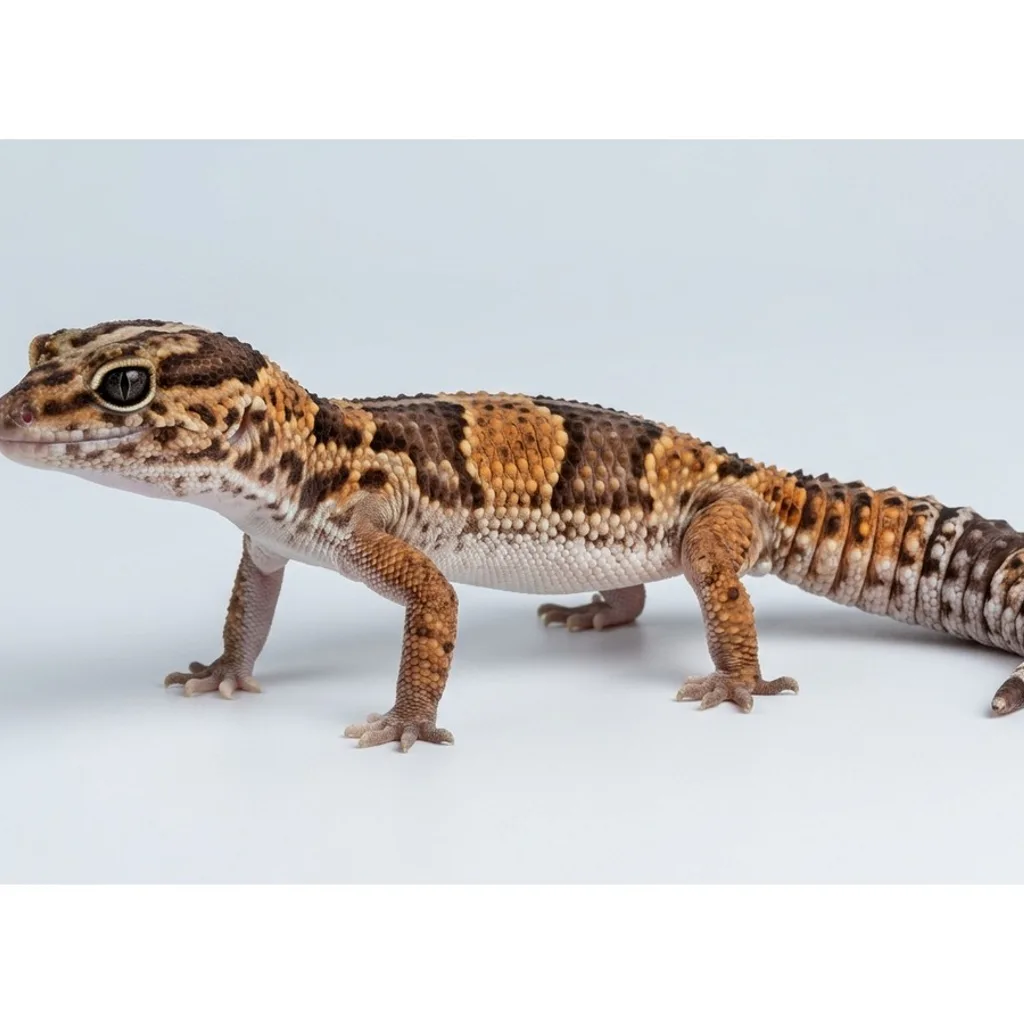
African Fat-tailed Gecko
The African Fat-tailed Gecko is a popular beginner reptile overseas, but it is prohibited in New Zealand: there is no legal captive population, reptile imports for the pet trade are not permitted, and under the HSNO Act 1996 it counts as a "new organism" that cannot lawfully be kept. This page explains the species and the NZ legal reality rather than how to keep one here. Typical lifespan in captivity overseas is 15-20 years.
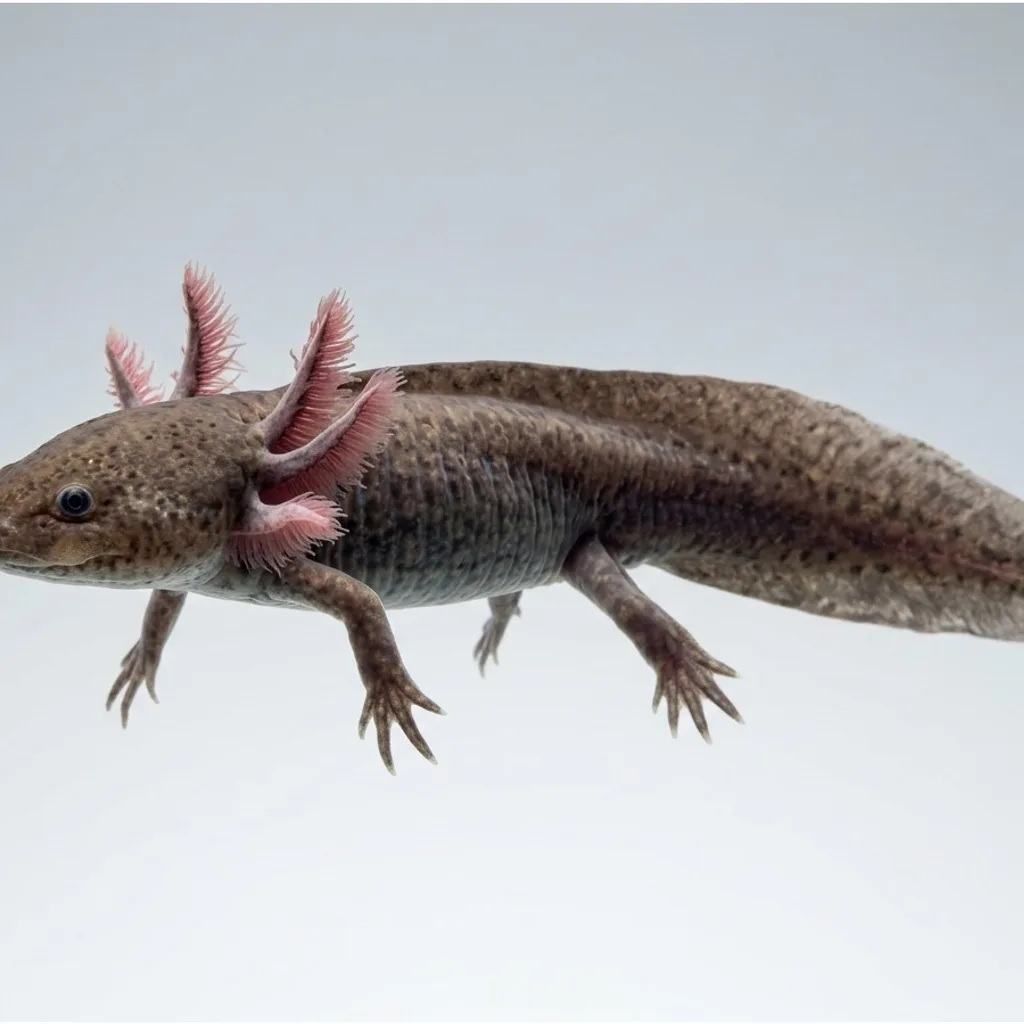
Axolotl (Mexican Walking Fish)
Axolotls are neotenic, fully aquatic salamanders native to Mexico. Famous for their branch-like external gills and smiling expressions, they are popular, low-maintenance aquarium pets in NZ.
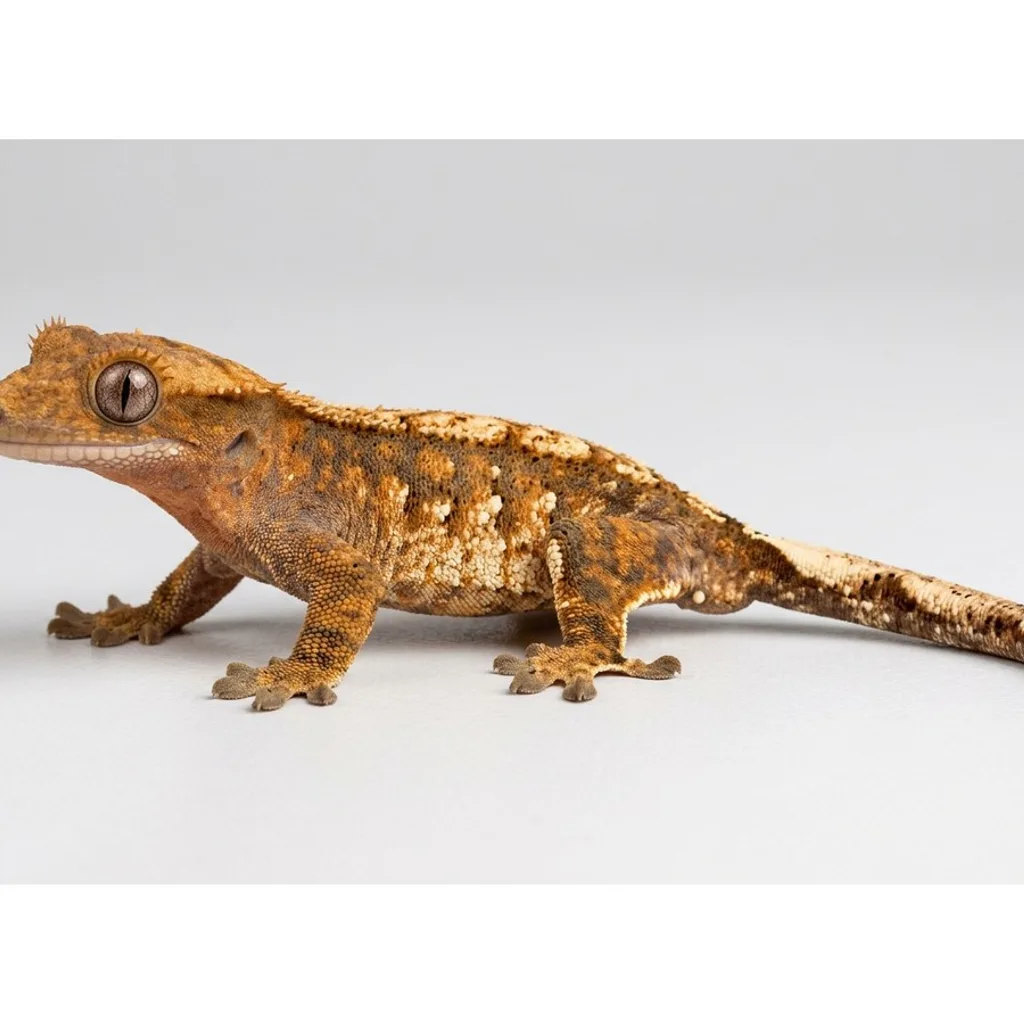
Crested Gecko
Crested geckos are hugely popular overseas, but they are not part of New Zealand's pet trade. Reptiles cannot be imported as pets, and there is no established NZ crested gecko population — they are absent from the New Zealand Herpetological Society's list of exotic reptiles kept here, and no NZ breeder or retailer offers them. Treat any local "crested gecko for sale" listing with extreme caution. If you want an NZ-legal lizard, look at leopard geckos, bearded dragons or blue-tongued skinks instead.
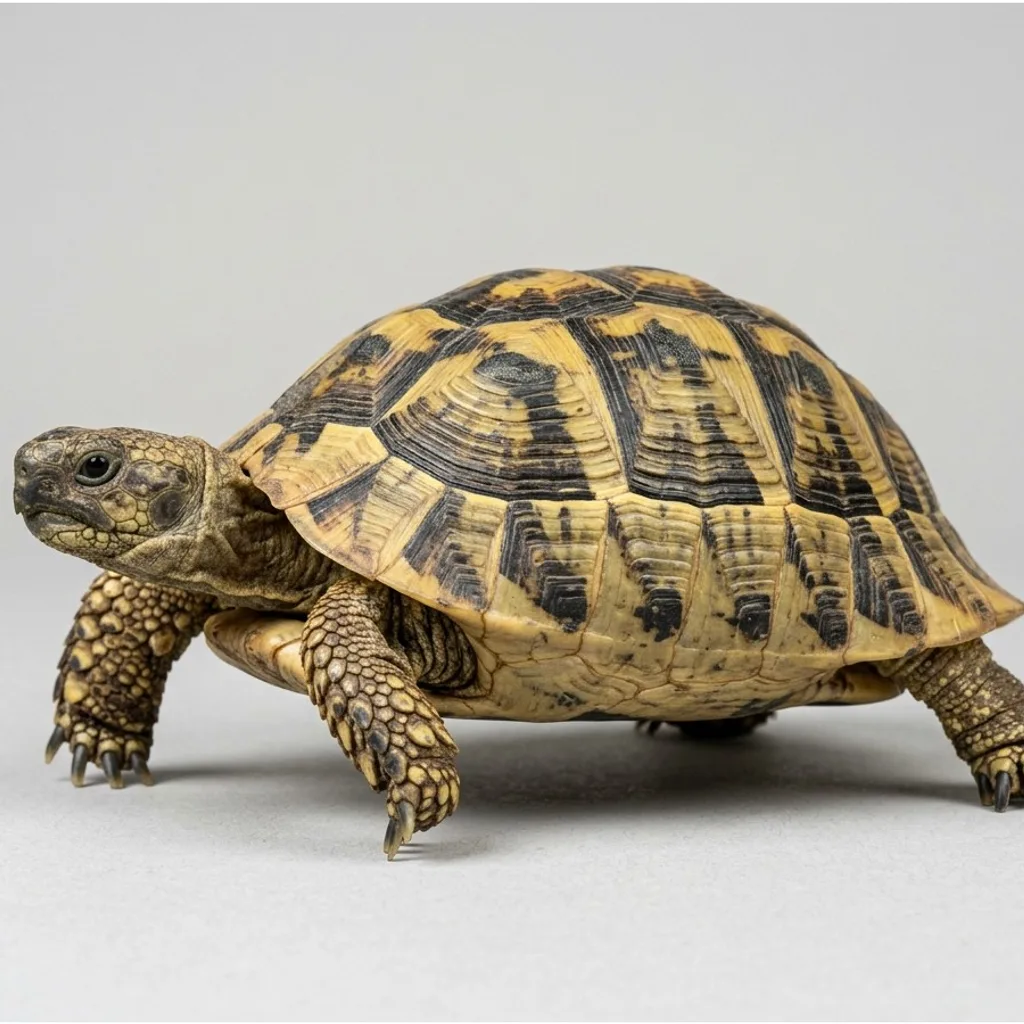
Hermann's Tortoise
Hermann's Tortoises are small, docile land tortoises native to southern Europe. Possessing beautiful shells and gentle temperaments, they make great outdoor pets in warmer parts of NZ, but require a 50+ year commitment.