Pet Breed Guide NZ
Veiled Chameleon
The Veiled Chameleon is not legally keepable in New Zealand due to biosecurity laws; this page details the restrictions and legal reptile alternatives.
Photo Gallery
NZ Ownership Snapshot
Prohibited in NZ- Noise Level
- quiet
- Social Needs
- solitary
Veiled Chameleons cannot be legally imported or kept as pets in New Zealand. MPI does not allow reptiles to be imported as pets (only some reptiles for zoos), and under the HSNO Act 1996 a species not present in NZ before 29 July 1998 is a "new organism" that cannot be imported or released without EPA approval. Veiled Chameleons are not part of New Zealand's pet trade.
Breed Snapshot
- Size
- small
- Lifespan
- 5-8 years
- Origin
- Yemen
- Care Focus
- Enclosure-focused reptile with handling tolerance and activity needs that should be checked in a species-specific care guide.
- NZ Price
- NOT AVAILABLE IN NZ — prohibited species, no lawful source or price
NZ Lifestyle Fit
Not legal to keep as a pet in NZ. MPI does not allow snakes or other reptiles to be imported as pets (only some reptiles for zoos); other than cats and dogs, only rabbits, guinea pigs and chinchillas can be imported as pets. Under the HSNO Act 1996, a species not present in NZ immediately before 29 July 1998 is a "new organism" that cannot be imported or released without EPA approval (s2A, s25), and knowingly, recklessly or negligently possessing one imported in breach of the Act is an offence (s109). Sources: mpi.govt.nz (Bringing pets to NZ other than cats and dogs); legislation.govt.nz (HSNO Act 1996). Checked 29 September 2026.
No — you cannot legally keep, buy, or breed a Veiled Chameleon (Chamaeleo calyptratus) in New Zealand. Although these colour-changing reptiles are highly sought after by pet owners worldwide, they are strictly prohibited under New Zealand's environmental protection and biosecurity laws. Veiled Chameleons are not part of New Zealand's pet trade, and they cannot be imported as pets.
Why Veiled Chameleons are not legal in NZ
Under the Hazardous Substances and New Organisms (HSNO) Act 1996, a species that was not present in New Zealand immediately before 29 July 1998 is a "new organism". A new organism cannot be imported or released without an approval from the Environmental Protection Authority (EPA), and knowingly, recklessly or negligently possessing one that was imported in breach of the Act is an offence.
Separately, the Ministry for Primary Industries (MPI) does not allow snakes or other reptiles to be imported as pets (only some reptiles for zoos), so there is no lawful way to bring a Veiled Chameleon into New Zealand as a pet. The species is not on the EPA's list of prohibited organisms (organisms, such as snakes and venomous reptiles, that can never be approved), but that does not make it legal to import or keep.
The Veiled Chameleon is also absent from the New Zealand Herpetological Society's list of exotics commonly kept in New Zealand — the NZHS is a hobby society, not a regulator, so that list is not an approval list.
Because of the high demand for chameleons among hobbyists, the species has been a target for illegal wildlife trafficking. In October 2016 an Auckland-based zoology student was convicted of attempting to import five veiled chameleons, an iguana and a corn snake into New Zealand. Details of this case are documented on the Wikipedia Wildlife Smuggling in New Zealand page.
What if someone offers you one?
Since Veiled Chameleons cannot be lawfully imported as pets and are not part of New Zealand's pet trade, any Veiled Chameleon offered for sale locally should be treated as illegal. Importing or purchasing a smuggled new organism is a serious crime under the Biosecurity Act 1993 and the HSNO Act 1996. Convictions carry heavy penalties, including substantial fines and prison terms.
Furthermore, smuggled animals bypass all biosecurity screening and quarantine, making them highly likely to carry diseases that could devastate New Zealand's native geckos and skinks.
If you encounter anyone advertising Veiled Chameleons for sale, or if someone offers to sell you one, you should report it immediately to the Ministry for Primary Industries (MPI) via their confidential 24-hour biosecurity hotline at 0800 80 99 66.
Legal reptiles to keep instead
If you love unique, arboreal reptiles with fascinating climbing behaviours, New Zealand has several legally kept lizard species that make fantastic pets:
- Leopard Gecko: For a beautifully patterned, docile lizard, the Leopard Gecko (Eublepharis macularius) is an incredibly popular and legal option in New Zealand. Check our detailed leopard gecko guide.
- Bearded Dragon: If you prefer a larger, interactive pet, the Central Bearded Dragon (Pogona vitticeps) is highly popular and completely legal to keep. Read our bearded dragon care sheet.
Sources
- Environmental Protection Authority (EPA). Prohibited organisms in New Zealand, checked 2026-07-04: https://www.epa.govt.nz/industry-areas/new-organisms/prohibited-organisms-in-new-zealand/
- Wikipedia. Wildlife smuggling in New Zealand, checked 2026-07-04: https://en.wikipedia.org/wiki/Wildlife_smuggling_in_New_Zealand
- New Zealand Herpetological Society (NZHS). Exotic pets — a hobby society's list of exotics commonly kept in New Zealand (not an approval list), checked 2026-09-28: https://www.reptiles.org.nz/herpetofauna/exotic-pets
- Ministry for Primary Industries (MPI). Bringing pets to NZ (other than cats and dogs), checked 2026-09-29: https://www.mpi.govt.nz/bring-send-to-nz/pets-travelling-to-nz/bringing-pets-to-nz-other-than-cats-and-dogs/
- New Zealand Legislation. Hazardous Substances and New Organisms Act 1996 (s2A, s25, s109, Schedule 2), checked 2026-09-28: https://www.legislation.govt.nz/act/public/1996/0030/latest/whole.html
Fun Facts
Fact 1
Veiled Chameleons can move each of their eyes independently, allowing them to look in two different directions at once.
Fact 2
Their prehensile tail acts as a fifth limb, providing extra grip and balance while climbing through branches.
Fact 3
The casque on their head is not just for show; it helps channel water droplets down to their mouth for drinking.
Fact 4
They shoot their tongue out at incredible speeds, often faster than the human eye can perceive, to catch prey.
Related Breeds & Species
PetMall visual placeholder
Japanese Fire-bellied Newt
A small, cool-water semi-aquatic newt from Japan. Famous for its bright orange belly and warning coloration. Requires a low-flow paludarium, cool temperatures, and zero handling due to mild skin toxins.
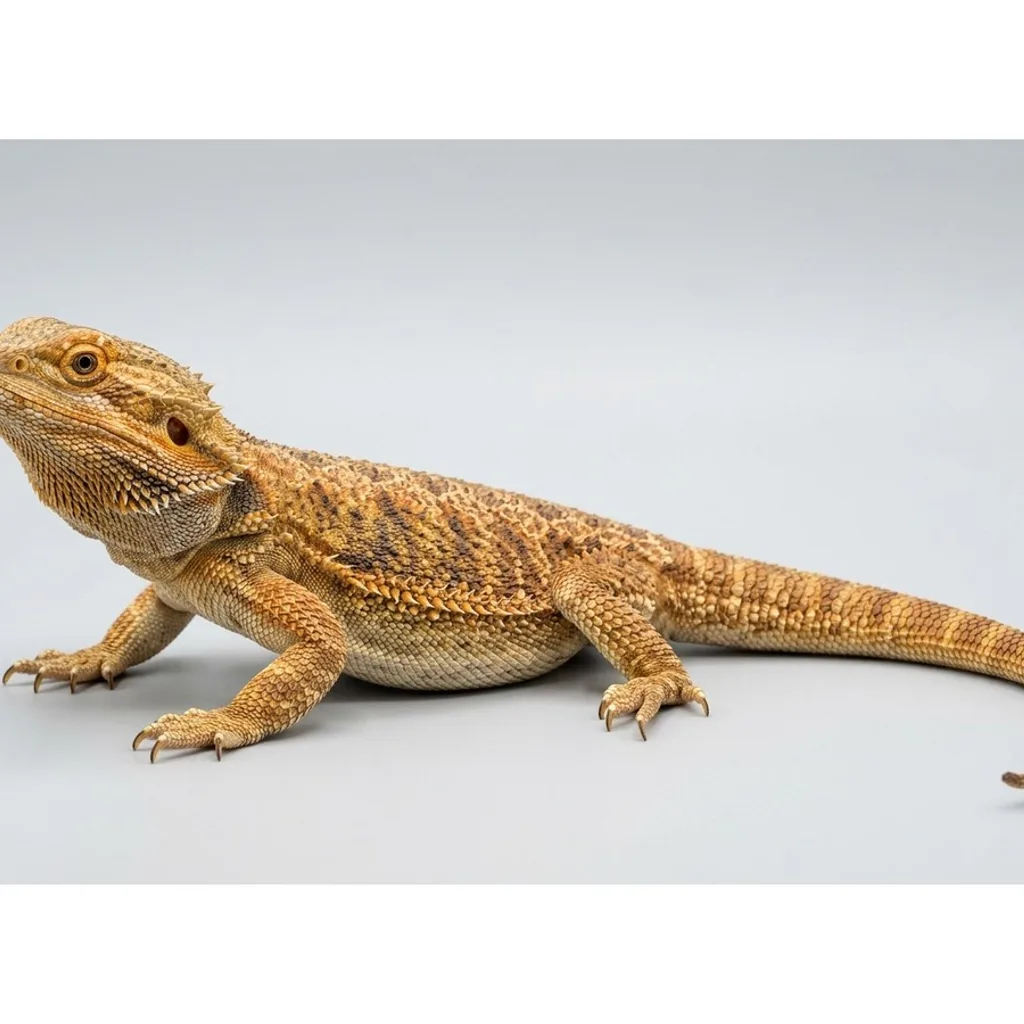
Bearded Dragon
Bearded dragons are one of the small number of non-native lizards legally kept in New Zealand. They are daytime-active and genuinely handleable, but they are also the most equipment-hungry of the common pet lizards: an adult needs roughly a 120x60x60cm vivarium, a 38-42°C basking spot and full-spectrum UVB. Skimp on the UVB and metabolic bone disease is the usual outcome. Typical lifespan is 10-15 years.
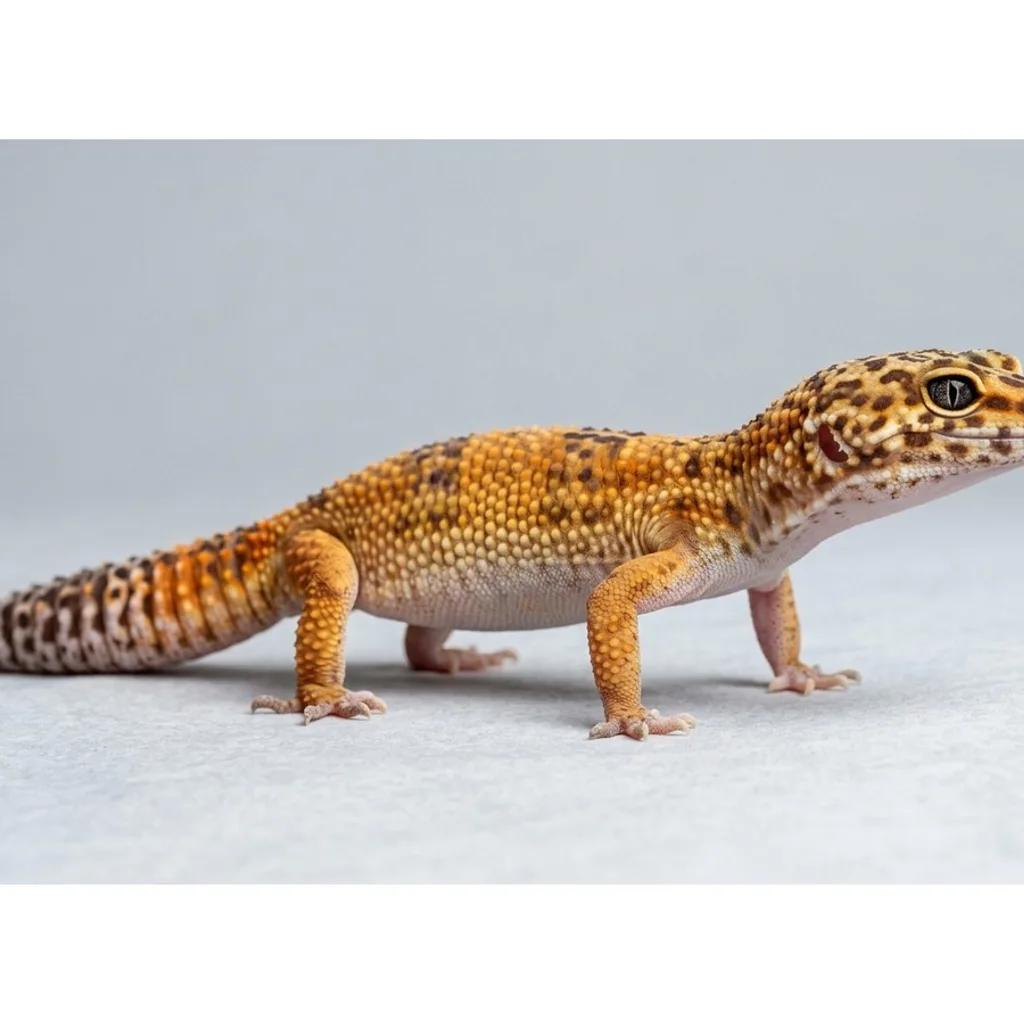
Leopard Gecko
Leopard geckos are legal to keep in New Zealand and among the exotic lizards commonly held here. They live on the ground, are most active at dusk and dawn, and eat live insects about every 2-3 days as adults. The New Zealand Herpetological Society gives a life span of 6-10 years that can reach 20 years in captivity, so plan for a long commitment.
PetMall visual placeholder
Eastern Long-necked Turtle (Snakeneck Turtle)
An active, freshwater carnivorous turtle native to Australia. Notable for its snake-like long neck. Requires large aquatic tanks, heavy filtration, a dry basking dock, and specialized handling.
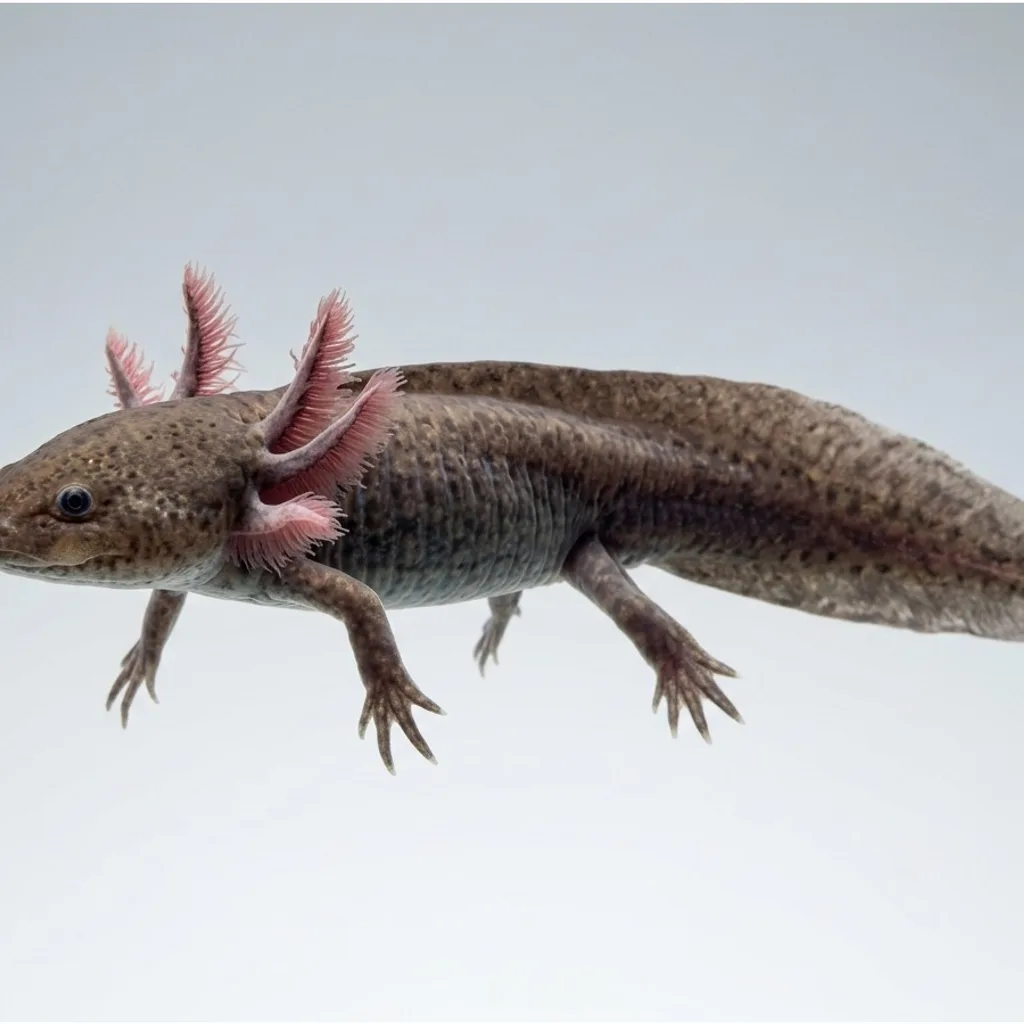
Axolotl (Mexican Walking Fish)
Axolotls are neotenic, fully aquatic salamanders native to Mexico. Famous for their branch-like external gills and smiling expressions, they are popular, low-maintenance aquarium pets in NZ.
PetMall visual placeholder
Greek Tortoise (Spur-thighed Tortoise)
A hardy, long-lived terrestrial herbivore requiring specialized UVB lighting, a high-fiber diet, and a multi-generational commitment due to a lifespan of 50-100 years. Legal in NZ.