Pet Breed Guide NZ
African Fat-tailed Gecko
The African Fat-tailed Gecko (Hemitheconyx caudicinctus) is a docile, nocturnal West African gecko often recommended for first-time reptile keepers in countries where it is legal. It cannot legally be kept in New Zealand. Its distinctive plump tail stores fat reserves, and unlike many geckos it has eyelids.
Photo Gallery
NZ Ownership Snapshot
Prohibited in NZ- Noise Level
- quiet
- Social Needs
- solitary
- Diet Type
- Insectivorous
- UVB Required
- Yes
Prohibited in New Zealand. There is no evidence of a legal captive population, and reptile imports for the pet trade are not permitted. Under the HSNO Act 1996 a species not established in NZ before 1998 is a "new organism" and cannot lawfully be kept without EPA approval. There is no legal price or legal source in NZ — if you are offered one here, it is not a lawful sale. Legal NZ reptile options are limited: see our NZ reptile legality guide before planning any purchase.
Breed Snapshot
- Size
- small
- Lifespan
- 15-20 years
- Origin
- West Africa
- Care Focus
- Enclosure-focused reptile with handling tolerance and activity needs that should be checked in a species-specific care guide.
- NZ Price
- NOT AVAILABLE IN NZ — prohibited species, no lawful source or price
- Annual Vet Cost
- Estimated annual vet/care costs for an African Fat-tailed Gecko in NZ can range from NZD $100 - $300, assuming no major health issues. This would cover a general check-up if needed, and basic supplies. However, it's important to budget more for potential illnesses, as exotic vet access in New Zealand is limited and can be costly, especially outside major metropolitan areas. A single emergency visit could easily exceed $300.
Personality Scores
NZ Lifestyle Fit
Not legally keepable in New Zealand, so no NZ home type is suitable — apartment, suburban house or rural bach alike. The species itself is undemanding by reptile standards in countries where it is legal (small, contained, indoor), which is exactly why it circulates in overseas beginner recommendations; that advice does not transfer to NZ. If you want a legal NZ reptile, start with our NZ reptile legality guide rather than importing or sourcing this species.
Prohibited in New Zealand. There is no evidence of a legal captive population, and reptile imports for the pet trade are not permitted. Under the HSNO Act 1996 a species not established in NZ before 1998 is a "new organism" and cannot lawfully be kept without EPA approval. There is no legal price or legal source in NZ — if you are offered one here, it is not a lawful sale. Legal NZ reptile options are limited: see our NZ reptile legality guide before planning any purchase.
NZ legal status — read this first
The African Fat-tailed Gecko cannot legally be kept in New Zealand. There is no known legal captive population here, reptile imports for the pet trade are not permitted, and under the HSNO Act 1996 a species that was not established in NZ before 1998 is a "new organism" that cannot lawfully be held without EPA approval. That means there is no legal price and no legal source in NZ — if you are offered one locally, it is not a lawful sale, and buying it exposes you to enforcement action as well as funding illegal wildlife trade. Overseas beginner-reptile advice about this species does not transfer to New Zealand. For what you can keep here, see our NZ reptile legality guide.
About the African Fat-tailed Gecko
The African Fat-tailed Gecko (Hemitheconyx caudicinctus) is a fascinating and increasingly popular pet reptile, particularly suited for beginners due to its docile nature and relatively straightforward care requirements. Hailing from the arid and semi-arid regions of West Africa, these nocturnal geckos are known for their robust health and impressive longevity, often living between 15 to 20 years in captivity. They are primarily ground-dwelling and spend their days hiding in burrows or under rocks, emerging at night to hunt for insects. Their calm demeanour makes them amenable to handling, contributing to their appeal as a companion animal. None of that is available to keepers in New Zealand, where the species is prohibited — the sections below describe the animal itself and the NZ legal reality, not how to keep one here.
What They Look Like
African Fat-tailed Geckos are small to medium-sized geckos, typically reaching lengths of 18-25 cm (7-10 inches) from snout to the tip of their tail, with females generally being slightly larger than males. Their most distinguishing feature is their thick, fleshy tail, which is used for fat storage – a vital adaptation for survival in their natural, often food-scarce environments. If a gecko drops its tail due to stress or injury, it will regenerate, though often appearing shorter and less perfectly formed. Their skin is soft and velvety, covered in small, granular scales. Wild-type coloration usually consists of shades of brown, tan, and cream, often with distinct bands or stripes, providing excellent camouflage. Captive breeding has also produced a wide array of beautiful morphs, showcasing various patterns and colours, including striped, banded, and patternless varieties, with common colours like tangerine, albino, and 'oreo' variations.
Personality & Behaviour
African Fat-tailed Geckos are renowned for their gentle and placid temperament, making them one of the most handleable gecko species. They are nocturnal, meaning they are most active during the night, exploring their enclosure and hunting. During the day, they prefer to hide away in their humid hides or other sheltered spots, conserving energy. They are generally solitary animals and do not require companionship; in fact, housing multiple males together can lead to aggression. While they can become accustomed to gentle handling, it's important to remember they are delicate creatures and should always be supported. They are not prone to biting, but may vocalise with soft chirps or squeaks if startled. Observing their natural behaviours, such as shedding their skin or hunting live insects, can be a rewarding experience for their owners.
Life in New Zealand
There is no lawful way to live with this species in New Zealand. Its care needs are often described as similar to the Leopard Gecko, which is why it shows up constantly in overseas "best beginner reptile" lists — but availability of information is not the same as legality, and NZ's rules are set by biosecurity law rather than by how easy an animal is to look after. Reptile imports for the pet trade are not permitted, and the HSNO Act 1996 treats species not established here before 1998 as new organisms requiring EPA approval. If you are researching this gecko because you saw one advertised in NZ, treat that listing as a warning sign rather than an opportunity: report it to MPI rather than buying. Legal NZ reptile keeping is narrow and mostly covers species already established in captivity here — check our NZ reptile legality guide before making any plans.
Is This the Right Pet for You?
For anyone in New Zealand the answer is no — not because of the animal, but because keeping one here is not legal. The species is genuinely undemanding by reptile standards in the countries where it is kept lawfully: a stable temperature gradient, a humid hide, live insects and infrequent gentle handling, across a lifespan that can reach two decades. If that is what appeals to you, the honest NZ options are (a) a legally kept reptile species already established in NZ captivity, sourced from a keeper who can show its provenance, or (b) enjoying this species through reputable overseas keepers' documentation. What is not an option is importing, buying or accepting one in New Zealand.
Fun Facts
Fact 1
African Fat-tailed Geckos store fat and water in their thick tails, which helps them survive periods of scarcity.
Fact 2
Unlike many other gecko species, African Fat-tailed Geckos have eyelids and can blink, giving them a very expressive look.
Fact 3
They are primarily nocturnal, meaning they are most active during the night, hunting for insects.
Fact 4
If threatened, an African Fat-tailed Gecko can 'drop' its tail as a defence mechanism, which will later regenerate.
Fact 5
They are native to West Africa, inhabiting arid and semi-arid grasslands and savannas.
Related Breeds
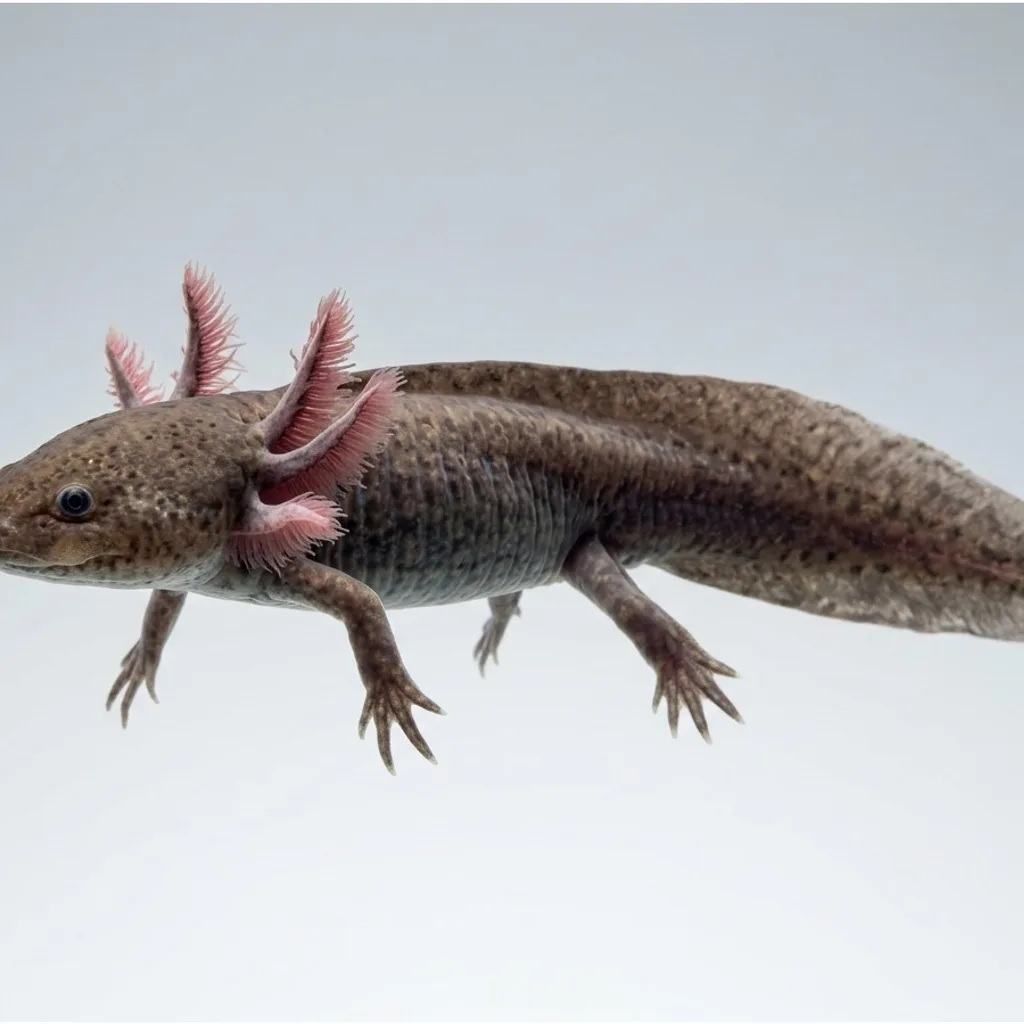
Axolotl (Mexican Walking Fish)
Axolotls are neotenic, fully aquatic salamanders native to Mexico. Famous for their branch-like external gills and smiling expressions, they are popular, low-maintenance aquarium pets in NZ.
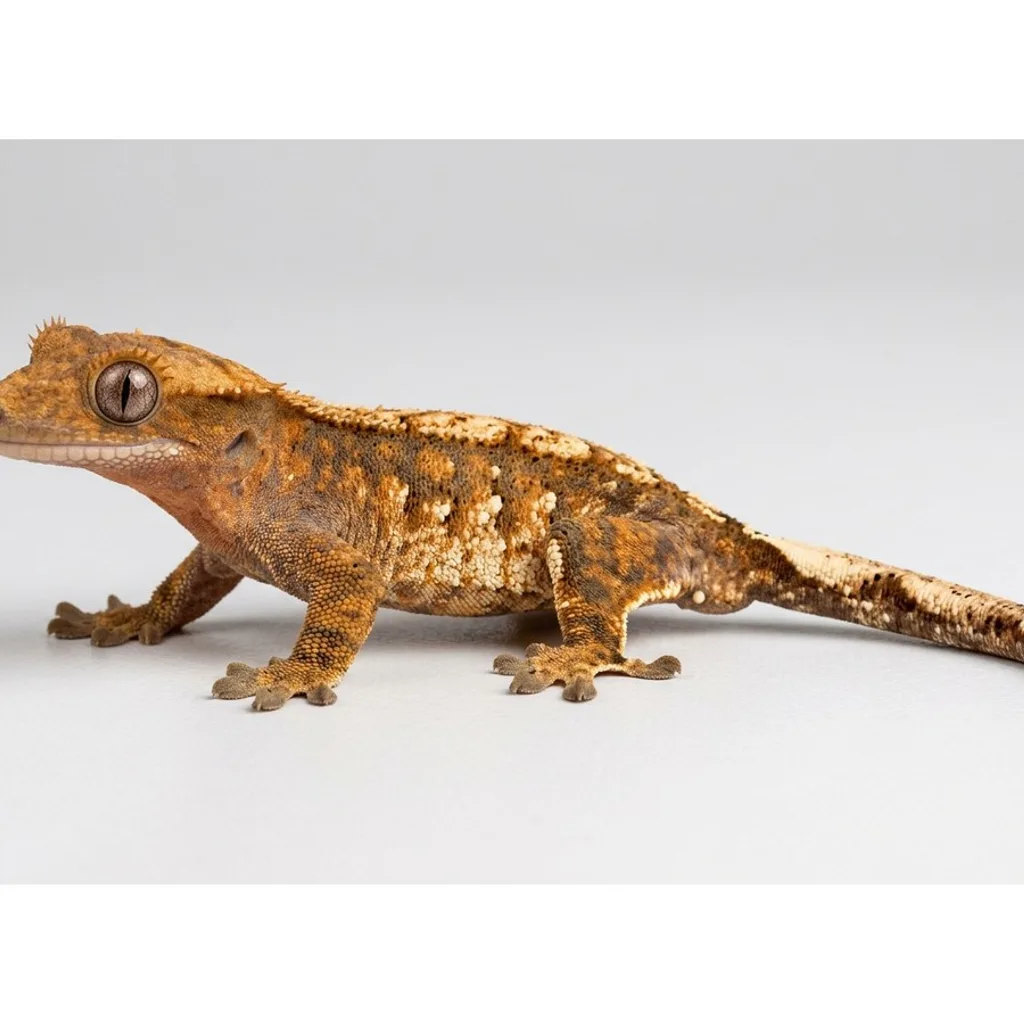
Crested Gecko
Crested geckos are hugely popular overseas, but they are not part of New Zealand's pet trade. Reptiles cannot be imported as pets, and there is no established NZ crested gecko population — they are absent from the New Zealand Herpetological Society's list of exotic reptiles kept here, and no NZ breeder or retailer offers them. Treat any local "crested gecko for sale" listing with extreme caution. If you want an NZ-legal lizard, look at leopard geckos, bearded dragons or blue-tongued skinks instead.
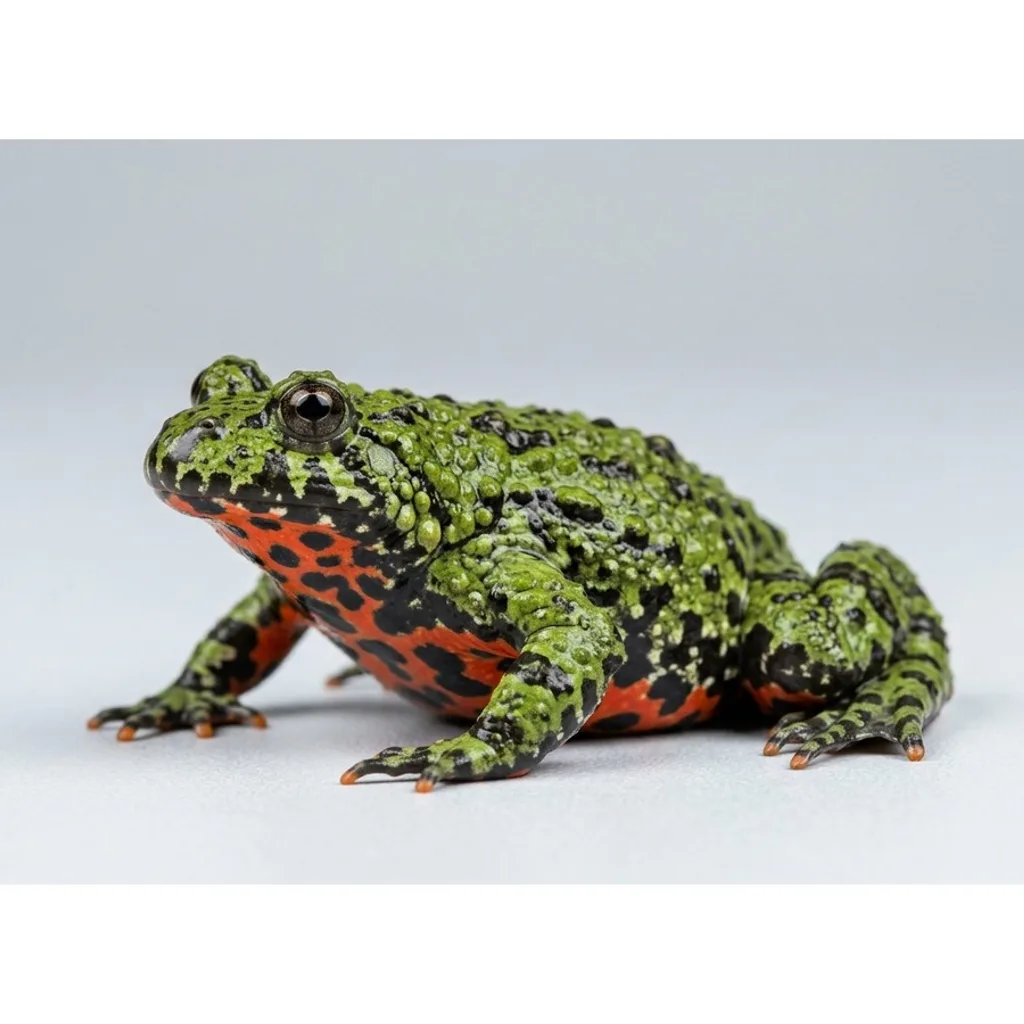
Fire-bellied Toad
The Fire-bellied Toad is not legally keepable in New Zealand; this page details the legal framework and approved alternative reptile species.
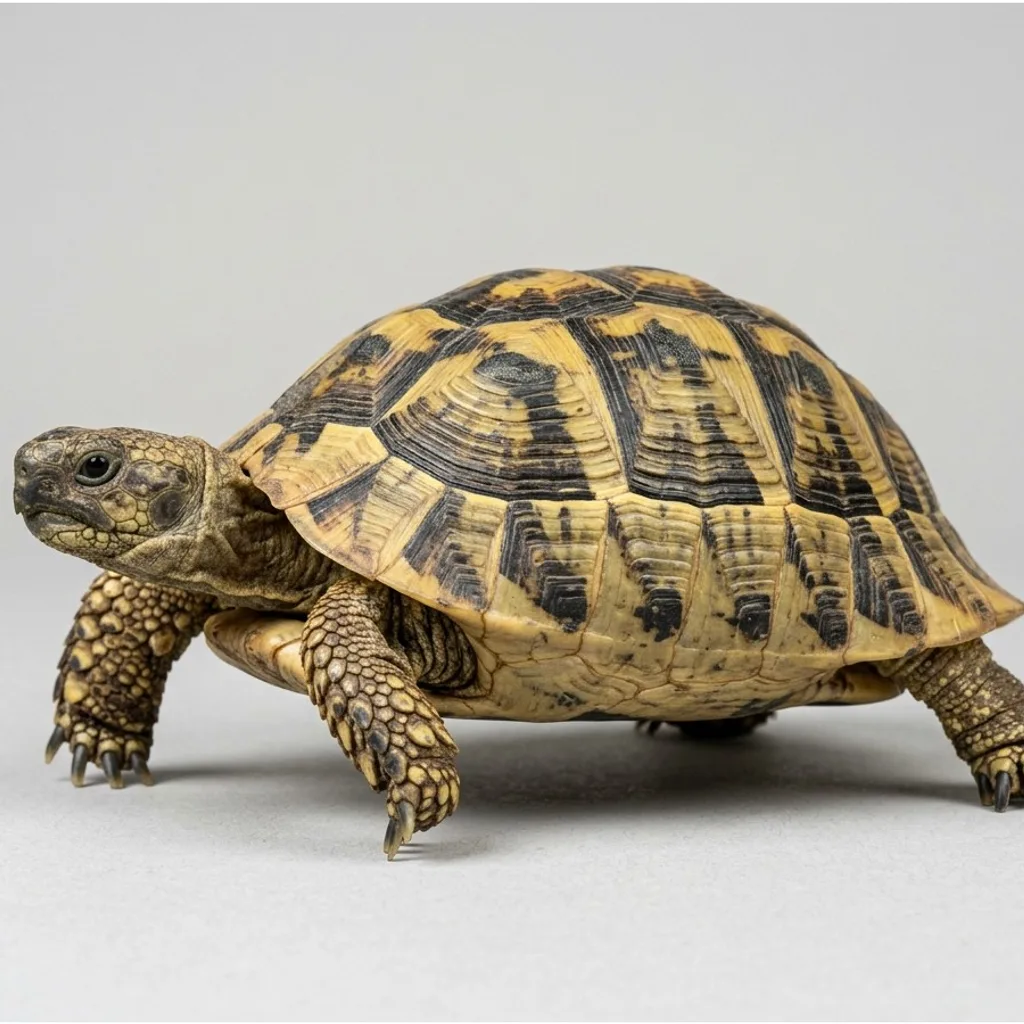
Hermann's Tortoise
Hermann's Tortoises are small, docile land tortoises native to southern Europe. Possessing beautiful shells and gentle temperaments, they make great outdoor pets in warmer parts of NZ, but require a 50+ year commitment.