Rabbit Care Guide NZ: Housing, Diet, Vet Costs & NZ-Specific Tips
Rabbit care NZ guide: housing, diet, vet costs, desexing, heat safety, and practical tips for Kiwi rabbit owners.
Welcome to the wonderful world of rabbit ownership in Aotearoa! Rabbits are intelligent, social, and affectionate creatures that can make fantastic companions. However, they are also complex animals with specific needs that differ significantly from cats or dogs. This comprehensive guide, tailored for New Zealand conditions, will walk you through everything you need to know to provide a happy, healthy, and enriching life for your long-eared friend.
From understanding their unique dietary requirements to navigating vet care in NZ and ensuring their housing is suitable for our diverse climate, we've got you covered. Let's dive in!
Are Rabbits Legal in NZ? A Biosecurity Note
It's a common question, given New Zealand's strict biosecurity laws and the historical impact of wild rabbits on our ecosystem. Yes, pet rabbits are legal in New Zealand! However, it's crucial to understand their status. Wild rabbits are considered an introduced pest species by the Ministry for Primary Industries (MPI) due to their devastating impact on agriculture and native ecosystems. This is why you won't find certain breeds of rabbits, or any exotic rabbit species, allowed into the country.
For pet owners, this means responsible ownership is paramount. Preventing escapes is not just about keeping your pet safe; it's a biosecurity responsibility. Ensure your rabbit's enclosure is secure, and never release a pet rabbit into the wild. Your local council or MPI can provide further information on pest management if you have concerns about wild rabbits in your area, but rest assured, your beloved pet rabbit is a welcome addition to your whānau.
Before You Bring Your Rabbit Home: Essential Setup & Costs
Bringing a rabbit into your home requires preparation. They need a safe, stimulating environment from day one. Here’s a breakdown of initial and ongoing costs in NZD:
Initial Setup Costs (Estimates in NZD)
- The Rabbit Itself:
- Rescue/Adoption: $50 - $150 (often includes desexing and initial vet check, a highly recommended option).
- Breeder: $80 - $250+ (depending on breed and pedigree).
- Housing:
- Large Indoor Enclosure/X-Pen: $100 - $300 (essential for space).
- Outdoor Hutch (predator-proof): $200 - $600+ (ensure it's large, secure, and weather-resistant).
- Litter Tray: $15 - $40.
- Food & Water:
- Heavy Ceramic Food Bowl: $10 - $30.
- Water Bottle or Heavy Ceramic Water Bowl: $10 - $30.
- Hay Feeder: $15 - $40.
- Initial Bag of High-Quality Pellets: $20 - $40.
- Large Bag of Timothy/Meadow Hay: $25 - $50.
- Bedding & Litter:
- Paper-based or Wood Pellet Litter: $20 - $40.
- Soft Bedding (e.g., fleece blankets): $15 - $40.
- Health & Grooming:
- Nail Clippers: $15 - $30.
- Soft Brush: $10 - $25.
- Carrier: $40 - $80.
- Enrichment & Toys:
- Chew Toys (untreated wood, hay-based): $10 - $50+.
- Tunnels/Hidey Houses: $20 - $60.
- Initial Vet Visit: $80 - $150 (for a general check-up).
- Desexing (highly recommended):
- Female (Spay): $250 - $500 (more complex surgery).
- Male (Neuter): $180 - $350.
Total Initial Investment: Roughly $700 - $2000+, depending on your choices and whether desexing is included.
Ongoing Monthly Costs (Estimates in NZD)
- Hay: $25 - $50 (unlimited supply is crucial).
- Pellets: $15 - $30.
- Fresh Greens: $20 - $40 (part of your regular grocery shop).
- Litter: $20 - $40.
- Replacement Toys/Enrichment: $10 - $30.
- Emergency Fund Contribution: $20 - $50 (crucial for unexpected vet bills).
Total Monthly Costs: Approximately $110 - $240.
Housing Your Rabbit in Aotearoa: Indoor vs. Outdoor
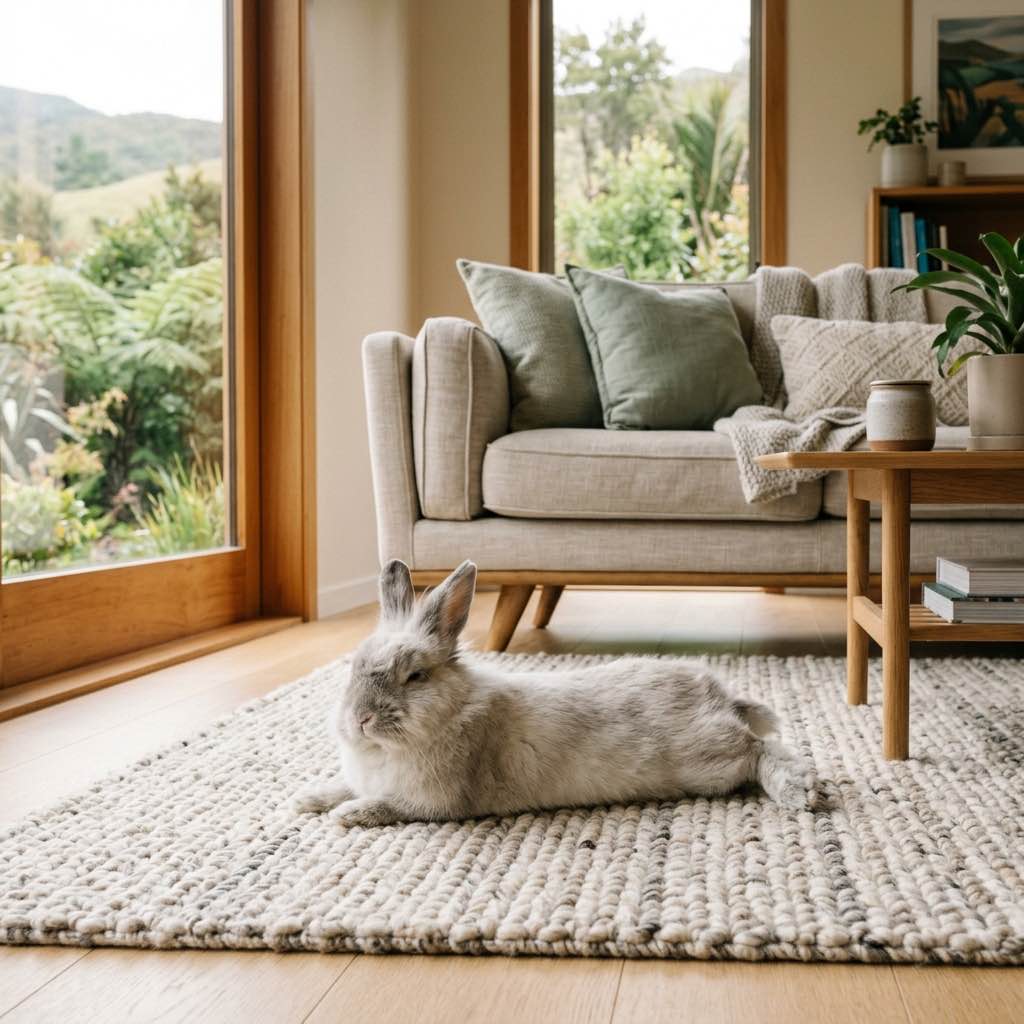
Providing appropriate housing is fundamental to your rabbit's wellbeing. The key is ample space, safety, and protection from the elements and predators. New Zealand's climate, from the humid summers of Auckland to the frosty winters of the South Island, demands careful consideration.
General Housing Principles
- Space is King: Rabbits need room to run, jump, and explore. A small hutch is never enough. Aim for a minimum of 2m x 2m of exercise space, accessible for several hours a day, in addition to their sleeping area.
- Safety First: Protection from predators (cats, dogs, stoats, ferrets) and hazards (toxic plants, electrical cords).
- Enrichment: Tunnels, hidey houses, chew toys, and platforms are vital for mental and physical stimulation. See our `Rabbit Housing` page for more ideas.
Indoor Housing
Pros:
- Weather Protection: Consistent temperatures, safe from extreme summer heat or winter cold. Ideal for areas like the South Island's harsh winters or Auckland's humid, hot summers.
- Predator-Free: Complete protection from external predators.
- Increased Interaction: Easier to bond with your rabbit and monitor their health.
- Cleanliness: Easier to manage litter training and keep their environment tidy.
Cons:
- Rabbit-Proofing: Your home will need extensive rabbit-proofing (electrical cords, toxic plants, furniture).
- Space: Requires a dedicated area in your home.
NZ Climate Considerations for Indoor Rabbits:
- Ensure good ventilation, especially in humid areas like Auckland, to prevent respiratory issues.
- Keep them away from draughts in winter and direct sunlight/heaters in summer.
Outdoor Housing
Pros:
- Fresh Air & Natural Environment: Can provide a stimulating environment if properly designed.
- More Space: Easier to provide a large run.
Cons:
- Predator Risk: Stoats, ferrets, wild cats, and even some domestic dogs pose a significant threat. A truly predator-proof hutch is essential.
- Weather Exposure: Vulnerable to NZ's diverse weather conditions.
- Flystrike Risk: Higher risk, especially in warmer, humid months.
- Less Interaction: Can be harder to bond and monitor health.
NZ Climate Considerations for Outdoor Rabbits:
- Summer Heat (especially Auckland/Northland): Rabbits are prone to heatstroke. Ensure the hutch is in full shade, has excellent ventilation, and provide frozen water bottles or ceramic tiles for cooling. Fresh, cool water is paramount.
- Winter Cold (especially South Island): The hutch must be fully insulated, weatherproof, and elevated off the cold ground. Provide extra bedding (straw is excellent for insulation) and ensure it's protected from wind and rain. Check water bottles frequently as they can freeze.
- Rain & Wind: The hutch must be completely waterproof and windproof. A solid roof with an overhang is crucial.
Outdoor Hutch Design:
- Size: As large as possible, with an attached, secure run. Multi-level is ideal.
- Materials: Sturdy timber, heavy-gauge welded mesh (not chicken wire, which is easily chewed through by predators).
- Security: Strong latches, solid floor (not wire mesh), and ideally, buried wire mesh around the perimeter of the run to prevent digging in/out.
- Shelter: A fully enclosed, dry, and dark sleeping area within the hutch.
- Elevation: Raise the hutch off the ground to prevent dampness and deter pests.
The Cornerstone of Rabbit Health: Diet
Diet is arguably the most critical factor in a rabbit's health. Their digestive system is unique and requires a very specific diet to function correctly. The wrong diet is the leading cause of illness in pet rabbits.
The Ideal Rabbit Diet
- Unlimited High-Quality Hay (80-90% of diet): This is the most important component. Hay provides essential fibre for digestion and wears down their continuously growing teeth. Timothy hay and Meadow hay are excellent choices. Avoid lucerne (alfalfa) hay for adult rabbits, as it's too high in calcium and protein.
- Limited High-Fibre Pellets (5-10% of diet): Choose a plain, high-fibre pellet designed specifically for rabbits. Avoid muesli-style mixes, which allow rabbits to selectively eat sugary, fatty components, leading to nutritional deficiencies and dental problems. A general guideline is 1/4 cup of pellets per 2kg of body weight per day.
- Fresh Greens (5-10% of diet): A variety of safe, washed leafy greens should be offered daily. Introduce new greens slowly to avoid digestive upset. Good options include kale, spinach (in moderation), carrot tops, parsley, coriander, mint, basil, bok choy, and spring greens. Avoid iceberg lettuce, which has little nutritional value and can cause diarrhoea.
- Treats (Very Limited): Small pieces of fruit (e.g., apple, banana, berries) or root vegetables (e.g., carrot) can be given occasionally as treats. Remember, these are high in sugar and should be offered sparingly.
- Fresh Water: Always available in a heavy ceramic bowl (preferred, as it's more natural and easier to drink from) and/or a sipper bottle. Change daily and clean bowls/bottles thoroughly.
For more detailed information on what to feed your rabbit, visit our `Rabbit Food` page.
Rabbit Health & Veterinary Care in NZ
Rabbits are prey animals, meaning they are experts at hiding signs of illness. Regular observation and prompt veterinary attention are crucial. Finding a "rabbit-savvy" or "exotic pet" vet is essential, as many vets primarily treat cats and dogs and may not have extensive experience with rabbit-specific conditions. Vet access is generally good in urban centres, but may be more limited in rural areas, so plan ahead.
Common Health Issues in Rabbits
- Dental Problems (Malocclusion): Due to their continuously growing teeth, rabbits can suffer from overgrown teeth or misaligned jaws, leading to difficulty eating, drooling, and pain. A hay-rich diet helps prevent this.
- GI Stasis (Gut Stasis): A life-threatening condition where the digestive system slows down or stops. Symptoms include loss of appetite, lethargy, and small or no faecal pellets. This is an emergency and requires immediate vet attention.
- Flystrike (Myiasis): Especially prevalent in warmer, humid months (like Auckland's summer), flies lay eggs on soiled fur (often around the bottom), and the maggots then eat the rabbit's flesh. Prevention involves daily checks, keeping the rabbit clean and dry, and potentially using preventative treatments recommended by your vet.
- Snuffles (Pasteurellosis/Respiratory Infections): Symptoms include sneezing, nasal discharge, and watery eyes. Can be chronic and requires vet treatment.
- Urinary Issues: Sludgy urine, bladder stones, or urinary tract infections can occur, often linked to diet (e.g., too much calcium).
- Parasites: Fleas, mites (ear mites, fur mites), and intestinal worms can affect rabbits. Regular preventative treatment may be recommended by your vet.
Preventative Care
- Annual Vet Check-ups: Even if your rabbit seems healthy, a yearly check-up with a rabbit-savvy vet is vital for early detection of issues.
- Desexing: Highly recommended for both males and females. It prevents unwanted litters, reduces territorial behaviours (spraying, aggression), and significantly lowers the risk of uterine cancer in females (which affects up to 80% of unspayed females over 3-4 years old). Costs were outlined above.
- Grooming: Regular brushing (especially for long-haired breeds) prevents matting and reduces the risk of hairballs (which rabbits cannot vomit). Nail trims every 4-6 weeks are also necessary.
- Daily Health Checks: Get into the habit of daily 'health MOTs' – check their eyes, nose, ears, teeth, and bottom. Ensure they are eating, drinking, and producing normal faecal pellets.
Vaccinations in NZ
Rabbit Haemorrhagic Disease Virus (RHDV), also known as Calicivirus, is a highly contagious and often fatal disease that affects both wild and pet rabbits in New Zealand. There are two main strains: RHDV1 and RHDV2.
Vaccinations are available in NZ to protect against RHDV. It is crucial to discuss vaccination protocols with your rabbit-savvy vet, as the specific vaccine and schedule may vary based on local outbreaks and your rabbit's risk factors. Vaccination is a vital part of preventative care, especially for outdoor rabbits or those with any exposure to the outdoors.
For general health support, consider looking at `Rabbit Health Supplements` available at PetMall.
Common Mistakes to Avoid
Even with the best intentions, new rabbit owners can sometimes make mistakes. Being aware of these common pitfalls can help you provide optimal care:
- Inadequate Hay: Not providing unlimited, good-quality hay is the most common and detrimental mistake. It leads to dental disease and life-threatening digestive issues.
- Feeding Muesli Mixes: These sugary, low-fibre mixes are akin to feeding a child fast food every day. They cause selective feeding, nutritional imbalances, and dental problems.
- Small Cages/Hutches: A small hutch is a prison, not a home. Rabbits need ample space to exercise and express natural behaviours. An outdoor hutch must always be accompanied by a large, secure run.
- Lack of Enrichment: Boredom leads to stress and behavioural problems. Provide plenty of chew toys, tunnels, and opportunities for exploration.
- Ignoring Subtle Health Signs: Rabbits hide illness. Any change in appetite, litter habits, or behaviour warrants immediate investigation and often a vet visit.
- Not Desexing: This increases health risks (especially uterine cancer in females) and can lead to behavioural issues. It's a fundamental part of responsible rabbit ownership.
- Housing Alone (without interaction): Rabbits are highly social animals and thrive with companionship. If you can't get a second rabbit (after desexing and proper bonding), you must commit to significant daily interaction with your single rabbit.
- Exposing to Extreme Weather: Leaving rabbits vulnerable to direct sun, heavy rain, strong winds, or freezing temperatures is dangerous and can be fatal. Always provide appropriate shelter for NZ's varied climate.
- Picking Up Incorrectly: Always support a rabbit's hindquarters when picking them up. A rabbit struggling and kicking can easily break its own spine.
Product Guidance & Recommendations
Choosing the right products can make a big difference in your rabbit's health and happiness:
- Hay: Look for fresh, green, fragrant Timothy or Meadow hay. Avoid dusty or yellowed hay. Brands like Oxbow or local farm suppliers are often good.
- Pellets: Choose high-fibre (20%+), plain, extruded pellets without added seeds or coloured pieces. Oxbow Essentials, Supreme Science Selective, or Burgess Excel are reputable brands.
- Litter: Paper-based pellets, wood stove pellets (ensure they are kiln-dried and not pine/cedar shavings, which can cause respiratory issues), or shredded paper are good options. Avoid clumping cat litter.
- Hutches/Enclosures: Prioritise size and security. For outdoor, look for solid construction, predator-proof mesh, and a waterproof roof. For indoor, large X-pens or multi-level rabbit-specific enclosures are excellent.
- Toys: Untreated wooden chew toys, hay-based toys, cardboard tunnels, and willow balls are great. Rotate toys to keep them interested.
- Grooming Tools: A soft slicker brush or a 'furminator' style brush (used gently) for shedding, and small animal nail clippers.
- Carriers: A sturdy, well-ventilated carrier is essential for vet visits and safe transport.
NZ-Specific Tips for Rabbit Owners
- Predator Awareness: If your rabbit is outdoors, be acutely aware of native and introduced predators. Stoats and ferrets are particularly cunning. Double-check all latches and wire security daily.
- Climate Monitoring: Keep a close eye on weather forecasts. Be prepared to bring outdoor rabbits inside during extreme heatwaves (common in summer, especially in the North Island) or severe cold snaps (typical for the South Island winter).
- Support Local Rescues: Consider adopting from a local rabbit rescue organisation. They often come desexed, vaccinated, and with a known history, and you'll be giving a rabbit a second chance.
- Garden Safety: Be mindful of common NZ garden plants that are toxic to rabbits, such as oleander, lily of the valley, foxglove, and many common bulbs. Always supervise free-roaming in the garden.
- Biosecurity Responsibility: Never release a pet rabbit into the wild. It's illegal and detrimental to NZ's environment.
Conclusion
Rabbits are truly rewarding pets, but they require a significant commitment to their unique needs. By understanding their housing, dietary, and health requirements, especially within the New Zealand context, you can ensure your rabbit lives a long, happy, and healthy life. With proper care, your rabbit will become a cherished member of your whānau, bringing joy and companionship for many years.
Quick Summary
- Legality: Pet rabbits are legal in NZ, but responsible ownership is crucial due to their pest status in the wild.
- Housing: Provide ample space (minimum 2m x 2m run), whether indoors or outdoors. Outdoor housing requires robust predator-proofing and weather protection for NZ's diverse climate.
- Diet: 80-90% unlimited, high-quality hay (Timothy/Meadow). Small amount of high-fibre pellets. Daily fresh greens. Limited treats. Always fresh water.
- Vet Care: Find a rabbit-savvy or exotic pet vet. Annual check-ups, desexing, and vaccinations (for RHDV1/RHDV2) are vital preventative measures.
- Costs: Expect initial costs of $700-$2000+ and ongoing monthly costs of $110-$240 (NZD).
- Common Mistakes: Avoid small cages, muesli mixes, lack of hay, and ignoring subtle signs of illness.
- NZ-Specific: Be mindful of local predators, monitor weather extremes, and consider adopting from local rescues. Never release a pet rabbit into the wild.
Sources
- SPCA New Zealand, Welfare and Caring Guidelines for Companion Rabbits, checked 2026-07-21: https://www.spca.nz/advice-and-welfare/article/caring-for-rabbits-and-kits
- New Zealand Veterinary Association (NZVA), Rabbit Haemorrhagic Disease (RHD) Advice for Pet Owners, checked 2026-07-21: https://nzva.org.nz/for-the-public/pets/rhd-owners
Related guides
petmall.co.nz
Shop at PetMall
The products below are practical support items for your pet. PetMall ships across New Zealand.