Guinea Pig Care Guide NZ: Complete Owner's Guide for Kiwis
Complete guide to guinea pig care NZ. Learn about housing, diet, health, costs, and biosecurity for happy, healthy cavies in New Zealand.
Welcome to the wonderful world of guinea pigs! These charming, chatty, and relatively low-maintenance rodents make fantastic pets for families, first-time pet owners, and seasoned animal lovers alike. Known for their distinctive 'wheeking' sounds, soft fur, and endearing personalities, guinea pigs, or 'cavies' as they're sometimes called, bring joy and companionship to any home. This comprehensive guide is tailored specifically for New Zealand owners, covering everything you need to know to provide a happy, healthy, and enriching life for your new furry friends, from setting up their home to understanding their unique needs in our unique Kiwi climate.
Quick Summary
- Social Animals: Always keep at least two guinea pigs; they thrive on companionship.
- Diet is Key: Unlimited access to high-quality hay is paramount for digestion and dental health.
- Vitamin C Essential: Guinea pigs cannot produce their own Vitamin C; it must be supplemented through diet.
- Spacious Housing: Provide a large, secure enclosure, whether indoors or outdoors, with plenty of room to roam.
- Regular Vet Checks: Find a vet experienced with small 'pocket pets' for routine care and emergencies.
- NZ Climate Considerations: Protect from extreme heat, cold, and dampness, and ensure predator-proof housing.
- Daily Interaction: Handle and interact with your guinea pigs daily to build trust and monitor their health.
Are Guinea Pigs Legal in New Zealand? (MPI & Biosecurity Notes)
Good news for prospective Kiwi guinea pig owners! Unlike some exotic pets, guinea pigs are not considered a restricted or prohibited species by the Ministry for Primary Industries (MPI) in New Zealand. They are a well-established domestic pet and do not require special permits for ownership. This means you can confidently welcome these adorable creatures into your home without navigating complex biosecurity regulations.
However, while guinea pigs aren't subject to specific MPI import restrictions for domestic ownership, all pet owners in New Zealand are bound by the Animal Welfare Act 1999. This act outlines the fundamental responsibilities for animal care, ensuring all animals have: adequate food and water, appropriate shelter, the opportunity to display normal patterns of behaviour, physical handling in a way that minimises the likelihood of unreasonable or unnecessary pain or distress, and protection from disease and injury. Responsible ownership, therefore, means providing a safe, healthy, and stimulating environment for your guinea pigs, adhering to the principles of good animal welfare.
Initial Setup & Costs in NZD
Bringing guinea pigs home involves an initial investment, followed by ongoing monthly expenses. Here's a breakdown of what you can expect to spend in New Zealand dollars:
One-Off Initial Costs:
- Guinea Pigs (x2 minimum): Expect to pay $30 - $80 per guinea pig from a reputable breeder, rescue, or pet shop. Remember, they *must* be kept in pairs or groups.
- Housing: This is often the biggest initial cost. A suitable cage or hutch can range from:
- Large Indoor Cage: $100 - $400+ (e.g., a large wire cage or C&C cage setup).
- Outdoor Hutch with Run: $200 - $600+ (ensure it's predator-proof and weather-resistant).
- Water Bottle & Food Bowls: $20 - $50 for a good quality drip-proof bottle and sturdy ceramic bowls.
- Hides & Tunnels: Guinea pigs need places to feel secure. Budget $30 - $100 for a few igloos, wooden houses, or fabric tunnels.
- Hay Rack: Essential for keeping hay clean and accessible. $10 - $30.
- Initial Bedding: Enough to get started. $20 - $50.
- Initial Food Supply: A bag of high-quality pellets and a large bale of hay. $40 - $80.
- Grooming Supplies: Nail clippers, soft brush. $20 - $40.
- Initial Vet Check: It's a good idea to have new pets checked by a vet. $60 - $120.
Estimated Total Initial Cost: $300 - $1000+ (depending heavily on housing choice).
Ongoing Monthly Costs:
- Hay: This will be your largest ongoing expense. A large bale can cost $20 - $40 and may last 1-2 months for a pair.
- Pellets: A bag of high-quality guinea pig pellets. $15 - $30 per month.
- Fresh Vegetables: Budget $20 - $40 per month for a variety of fresh greens and veggies.
- Bedding: Depending on your choice (fleece washing, disposable bedding). $20 - $50 per month.
- Treats/Toys: Occasional new chew toys or treats. $10 - $20 per month.
Estimated Total Ongoing Monthly Cost: $85 - $180+.
Choosing Your Guinea Pig
Where to Find Them
- Reputable Breeders: Often specialise in specific breeds and can offer advice on health and temperament.
- Animal Rescues/Shelters: Many guinea pigs are looking for forever homes. This is a fantastic option for giving a second chance.
- Pet Shops: Ensure the shop maintains high welfare standards, and the guinea pigs appear healthy and active.
Health Signs to Look For
When choosing your guinea pig, look for:
- Bright, Clear Eyes: No discharge or cloudiness.
- Clean Nose & Mouth: No crusting or wetness.
- Clean, Dry Bottom: No signs of diarrhoea or staining.
- Smooth, Full Coat: No bald patches, scabs, or excessive scratching.
- Active & Alert: Curious and responsive to their environment.
- Good Weight: Not too thin or obese.
The Importance of Companionship
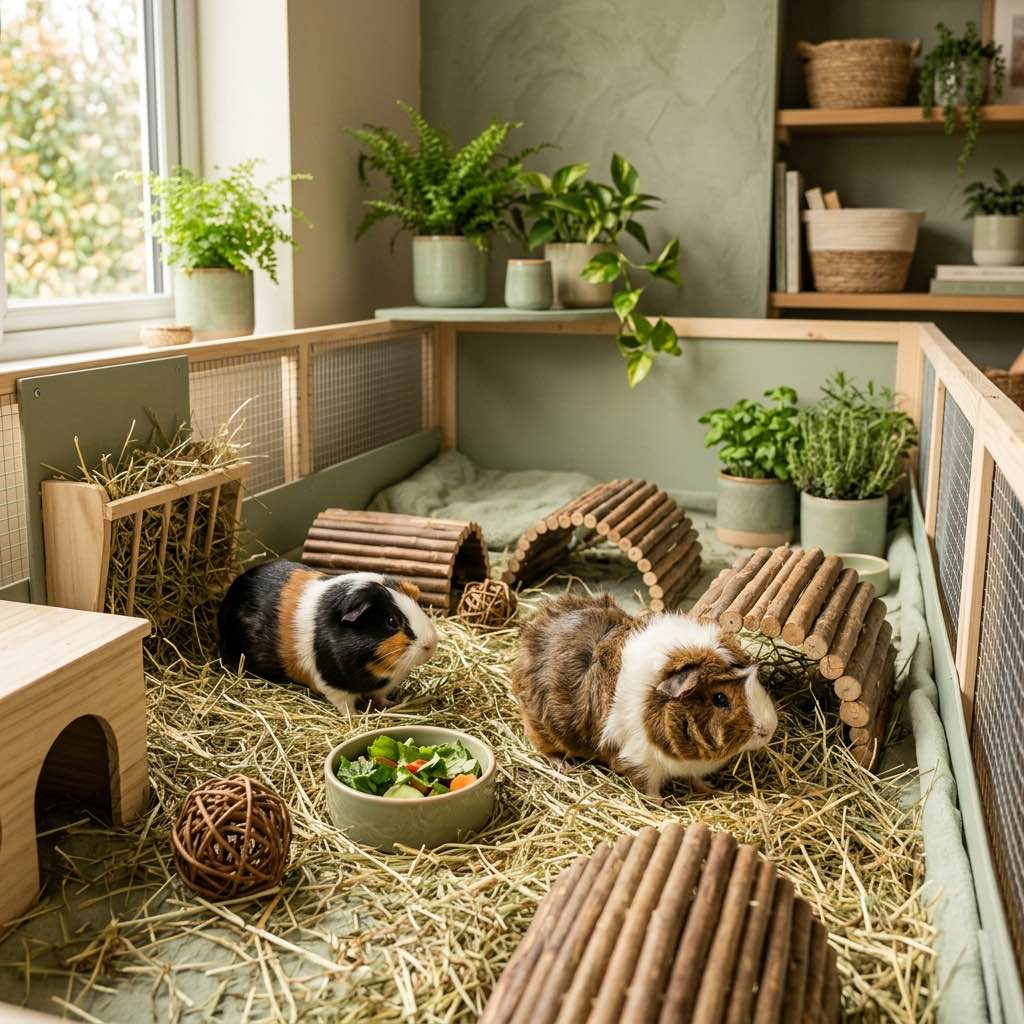
Guinea pigs are highly social animals and thrive in the company of their own kind. It is crucial to keep them in pairs or groups. A single guinea pig can become lonely, stressed, and even depressed. Ideal pairings include two sows (females), a neutered boar (male) and one or more sows, or two boars (if introduced young and given enough space). Never house un-neutered boars and sows together unless you intend to breed, as they reproduce very quickly.
Boars vs. Sows
Both sexes make excellent pets. Sows are often slightly smaller and can be a bit more docile. Boars can sometimes be prone to minor squabbles if not introduced correctly or if space is limited, but generally, two boars from a young age or a neutered boar with sows live harmoniously.
Housing Your Guinea Pigs in Aotearoa
Providing appropriate housing is fundamental to your guinea pigs' health and happiness, especially considering New Zealand's varied climate.
Space Requirements
Guinea pigs need far more space than many people realise. For two guinea pigs, a minimum cage size of 0.7 square metres (7.5 square feet) is recommended, but bigger is always better. This allows for separate eating, sleeping, and playing areas, and reduces the likelihood of squabbles.
Indoor vs. Outdoor Housing
#### Indoor Housing
Indoor housing is often preferred as it offers better protection from predators, extreme weather, and allows for more interaction with your pets. Popular indoor options include:
- C&C Cages (Cubes and Coroplast): These DIY-style cages are highly customisable, easy to clean, and allow for very large enclosures. They are excellent for providing ample space.
- Large Wire Cages: Ensure the base is solid to protect their feet and that the bars are spaced appropriately to prevent escapes or injuries.
NZ Climate Considerations for Indoor Housing:
- Temperature: Keep their indoor space between 18-24°C. Avoid draughts and direct sunlight that can overheat them.
- Humidity (Auckland): In humid areas like Auckland, ensure good ventilation to prevent mould and respiratory issues. Dehumidifiers can be helpful.
- South Island Cold: In colder regions, ensure their room is adequately heated during winter. Provide extra bedding and warm hides.
#### Outdoor Housing
Outdoor housing can be an option, but it comes with significant responsibilities and risks in New Zealand. If opting for outdoors, a secure hutch with an attached, predator-proof run is essential.
Key Considerations for Outdoor Housing in NZ:
- Predator Protection: New Zealand has various predators that pose a threat to guinea pigs, including possums, stoats, ferrets, cats, and dogs. The hutch and run *must* be constructed with strong, small-gauge wire mesh (not chicken wire) and have a solid, secure roof and floor (or buried wire mesh to prevent digging under).
- Weather Protection:
- Summer Heat: Provide constant shade. Guinea pigs are highly susceptible to heatstroke. Ensure excellent ventilation and access to cool spots. Consider bringing them inside on very hot days.
- Winter Cold (especially South Island): The hutch must be fully waterproof, draught-free, and well-insulated. Provide ample dry bedding (hay, straw) for warmth. Consider moving them into a shed or garage during severe cold snaps.
- Rain & Dampness: Ensure the hutch is elevated off the ground to prevent dampness and has a completely waterproof roof.
- Ventilation: Good airflow is crucial to prevent respiratory problems, but without creating draughts.
- Security: Ensure all latches are secure and cannot be opened by clever predators.
Bedding
Choosing the right bedding is vital for hygiene, comfort, and respiratory health.
- Fleece Liners: Popular for indoor cages. Absorbent, reusable, and soft on feet. Requires regular washing.
- Paper-Based Bedding: Highly absorbent and good for odour control. Safe and dust-free.
- Aspen or Kiln-Dried Pine Shavings: Safe options when kiln-dried to remove harmful phenols. Avoid cedar and untreated pine, which can cause respiratory issues.
- Hay: While essential for eating, it also serves as comfortable bedding and nesting material.
Accessories
- Water Bottle: Drip-proof, cleaned daily.
- Food Bowls: Heavy ceramic bowls are best to prevent tipping.
- Hay Rack: Keeps hay clean and off the cage floor.
- Hides/Shelters: At least one per guinea pig, allowing them to feel secure.
- Tunnels & Toys: Cardboard tubes, chew toys, and safe wooden toys provide enrichment.
Diet & Nutrition: The Kiwi Guinea Pig's Menu
Diet is the cornerstone of guinea pig health. A proper diet prevents many common ailments, especially dental and digestive issues.
1. Unlimited High-Quality Hay (80% of Diet)
This is non-negotiable. Hay should make up the vast majority of your guinea pig's diet. It's essential for:
- Dental Health: Constant chewing wears down their continuously growing teeth, preventing painful spurs and malocclusion.
- Digestive Health: The fibre keeps their delicate digestive system moving, preventing stasis and bloat.
Offer unlimited amounts of fresh, dust-free hay daily. Good options include Timothy hay, Orchard hay, or Meadow hay. Alfalfa hay is higher in calcium and protein, suitable for young, pregnant, or nursing guinea pigs, but generally not for adults.
2. High-Quality Guinea Pig Pellets (10% of Diet)
Choose a plain, high-fibre pellet specifically formulated for guinea pigs. Avoid mixes with seeds, nuts, or dried fruit, as these are unhealthy and can lead to selective feeding. Look for pellets fortified with Vitamin C. A small amount (about 1/8 to 1/4 cup per adult guinea pig) once a day is sufficient.
3. Fresh Vegetables (10% of Diet)
Offer a variety of fresh, washed vegetables daily. This is crucial for providing essential vitamins, minerals, and especially Vitamin C.
Excellent Daily Options (high in Vitamin C):
- Bell peppers (all colours, especially red and yellow)
- Dark leafy greens (kale, romaine lettuce, spring greens – in moderation due to calcium content)
- Coriander, parsley, mint
Offer in Moderation:
- Carrots (high in sugar)
- Cucumber, celery (low nutritional value)
- Broccoli, cabbage (can cause gas in some pigs)
Avoid:
- Iceberg lettuce (low nutrition, can cause diarrhoea)
- Potatoes, onions, garlic, avocado, rhubarb, anything from the lily family
- Seeds, nuts, sugary human snacks
4. Vitamin C Supplementation
Guinea pigs, like humans, cannot synthesise their own Vitamin C and must obtain it from their diet. A deficiency leads to scurvy, a painful and potentially fatal condition. While fresh vegetables provide some, many owners opt for a daily supplement, especially if their pigs are picky eaters or during times of stress/illness. This can be a liquid supplement added to water (though water bottles must be cleaned daily) or a chewable tablet. Consult your vet for appropriate dosages.
5. Fresh Water
Always provide fresh, clean water in a drip-proof water bottle. Change the water daily and clean the bottle thoroughly to prevent bacterial growth.
Health & Common Ailments: Keeping Your Kiwi Cavy Well
Guinea pigs are prey animals, so they are masters at hiding signs of illness. Regular observation is key to catching problems early. Find a local vet experienced with "pocket pets" or "exotic animals" – not all vets are equally knowledgeable about guinea pig specific conditions.
Signs of a Healthy Guinea Pig
- Active, alert, and curious
- Bright, clear eyes and clean nose
- Good appetite for hay and veggies
- Normal, firm droppings
- Clean, dry bottom
- Smooth, well-kept coat
- Regular urination
Common Health Issues
- Dental Problems (Malocclusion): Overgrown teeth, often due to insufficient hay. Signs include drooling, difficulty eating, weight loss. Requires vet intervention to trim teeth.
- Respiratory Infections: Caused by bacteria, often exacerbated by poor ventilation or dusty bedding. Symptoms: sneezing, nasal discharge, laboured breathing. Requires urgent vet attention and antibiotics.
- Scurvy (Vitamin C Deficiency): Lethargy, painful joints, reluctance to move, rough coat, poor appetite. Preventable with adequate Vitamin C in diet/supplements.
- Skin Mites/Fungus: Itching, hair loss, scabs. Can be very irritating and painful. Requires vet diagnosis and specific treatment.
- Urinary Stones (Bladder Stones): More common in older pigs or those with high calcium diets. Symptoms: straining to urinate, blood in urine, pain. Requires vet diagnosis (X-rays) and often surgery.
- Diarrhoea: Can be caused by sudden diet changes, unsuitable foods, or bacterial infections. Can quickly lead to dehydration. Seek vet advice.
- Bloat: A serious condition where gas builds up in the digestive tract. Symptoms: distended abdomen, lethargy, pain. Emergency vet care is needed.
- Pododermatitis (Bumblefoot): Sores on the bottom of their feet, often due to wire cage floors, rough bedding, or obesity. Preventable with solid, soft flooring and good hygiene.
Vet Access in NZ
Most general veterinary clinics in New Zealand will treat guinea pigs, but it's highly recommended to seek out a vet with specific experience in small or 'exotic' pets. These vets will have a deeper understanding of guinea pig physiology, common ailments, and appropriate medications/dosages. Don't hesitate to call around and ask about their experience with guinea pigs before you need an emergency appointment.
Handling & Socialisation
Regular, gentle handling from a young age helps guinea pigs become accustomed to human interaction. Always support their entire body, especially their bottom, as they can be prone to spinal injuries if dropped or handled incorrectly. Speak softly and offer treats to build trust. Daily interaction is crucial for bonding and allows you to monitor their health closely.
Enrichment & Exercise
Guinea pigs need mental and physical stimulation. Provide daily 'floor time' in a safe, guinea pig-proofed area outside their cage. Tunnels, cardboard boxes, and chew toys offer enrichment. They love to explore and popcorn (jump excitedly) when happy. Ensure they have opportunities to forage and chew, mimicking natural behaviours.
Common Mistakes to Avoid for Kiwi Guinea Pig Owners
- Housing Alone: This is perhaps the biggest mistake. Guinea pigs are social and need companionship.
- Insufficient Hay: Not providing unlimited, high-quality hay leads to serious dental and digestive issues.
- Small Cages: Cramped living conditions lead to stress, boredom, and health problems.
- Ignoring Subtle Health Signs: Guinea pigs hide illness well. Be vigilant for any changes in behaviour, appetite, or droppings.
- Unsafe Bedding: Using cedar or untreated pine shavings can cause respiratory problems.
- Lack of Vitamin C: Essential for their health; don't rely solely on pellets.
- Inadequate Predator Protection (Outdoor Pigs): A flimsy hutch is a death trap for outdoor guinea pigs in NZ.
- Overlooking Climate Risks: Not protecting them from extreme heat, cold, or dampness.
- Feeding Rabbit Pellets: Rabbit pellets lack Vitamin C and have different nutritional profiles.
Product Guidance & Recommendations
When shopping for your guinea pigs, always prioritise quality and safety. Here are some product types to look for:
- Hay: Look for large bales of Timothy, Orchard, or Meadow hay. Brands like Oxbow or local farm suppliers are excellent.
- Pellets: Choose a high-fibre, plain pellet specifically for guinea pigs, fortified with Vitamin C. Oxbow Essentials, Supreme Science Selective, or Burgess Excel are reputable brands.
- Cages: For indoor, consider C&C cage components for customisation or large, multi-level cages from brands like Midwest. For outdoor, look for sturdy, treated timber hutches with secure wire mesh and a waterproof roof. For sizing and materials, see our small pet hutch and cage guide.
- Bedding: Fleece liners (many small businesses make excellent ones in NZ), paper-based bedding like Carefresh, or kiln-dried aspen shavings.
- Water Bottles: Lixit or Classic brand bottles are generally reliable and drip-proof.
- Hides & Tunnels: Wooden houses, ceramic igloos, or fabric tunnels. Avoid plastic toys that can be chewed and ingested.
- Grooming: Small animal nail clippers and a soft brush.
- Health Supplements: Liquid vitamin C drops or chewable tablets can help, but fresh vegetables and fresh pellets do most of the work — vitamin C in pellets degrades with heat, light and moisture. See what guinea pigs eat for the daily vitamin C requirement.
- Food: Hay first, then fresh greens and cavy pellets — the full breakdown is in what do guinea pigs eat in NZ. If you are checking whether guinea pigs are even legal here (a surprisingly common question), we cover that in are guinea pigs illegal in NZ.
Conclusion
Guinea pigs are delightful companions that offer immense joy and personality. By understanding their specific needs, providing a suitable environment, a balanced diet, and attentive care, you'll ensure your Kiwi cavies live long, healthy, and happy lives. Remember, a little preparation and ongoing dedication go a long way in becoming a fantastic guinea pig owner. Enjoy your wheeking, popcorning, and purring friends!
Sources
- SPCA New Zealand, Welfare and Caring Guidelines for Companion Guinea Pigs, checked 2026-07-21: https://www.spca.nz/advice-and-welfare/article/caring-for-guinea-pigs
- SPCA New Zealand, Fresh Foods and Diet for Guinea Pigs, checked 2026-07-21: https://www.spca.nz/advice-and-welfare/article/fresh-foods-for-guinea-pigs
- Merck Veterinary Manual, Nutritional Problems and Vitamin C Requirements of Guinea Pigs, checked 2026-07-21: https://www.merckvetmanual.com/all-other-pets/guinea-pigs/nutritional-problems-of-guinea-pigs
- New Zealand Legislation, Animal Welfare Act 1999 Section 10 (Obligations of Owners), checked 2026-07-21: https://www.legislation.govt.nz/act/public/1999/0142/latest/DLM49664.html
Related guides
petmall.co.nz
Shop at PetMall
The products below are practical support items for your pet. PetMall ships across New Zealand.