Small Animal Bedding Types NZ: Paper, Wood, Fleece & More — Which Is Best for Guinea Pigs, Rabbits and Rats?
Choosing bedding for guinea pigs, rabbits, chinchillas or fancy rats in NZ? Compare paper pulp, wood shavings, hemp, straw and fleece liners — what each does and what to avoid.
Bedding is one of the most important choices you'll make for a small pet. It affects their respiratory health, foot comfort, odour control, and burrowing behaviour. The wrong bedding — even a type sold at pet shops — can cause respiratory problems or foot injuries. Here's what to know for guinea pigs, rabbits, chinchillas and fancy rats in New Zealand (hamsters and gerbils appear in overseas bedding advice but cannot legally be kept here).
What small animal bedding actually does
Bedding in a small pet's enclosure serves several functions:
- Absorption: Soaks up urine so the animal isn't living on wet substrate
- Odour control: Reduces ammonia build-up from waste
- Cushioning: Protects feet and joints from hard cage floors
- Burrowing and nesting: Some animals (hamsters especially) have strong instincts to dig and nest
- Insulation: Provides warmth in NZ's colder winters, particularly in South Island homes
No single bedding type excels at all of these equally — the best choice depends on the animal and your priorities.
The main types of small animal bedding
1. Paper pulp bedding (paper-based)
Paper bedding is made from unbleached recycled paper that's been processed into soft, absorbent pellets, crinkles, or fluff. It's the most widely recommended bedding type for most small pets in NZ.
Examples: Carefresh, Boxo, various store-brand paper bedding products available at NZ pet shops.
Pros:
- High absorbency — paper fluff/crinkle types can absorb significantly more than their weight in liquid
- Very low dust — important for animals with sensitive respiratory systems (guinea pigs in particular)
- Soft on feet — no splinters, no rough texture
- Supports burrowing (especially the deeper, fluffier types)
- Biodegradable and compostable in most NZ gardens
Cons:
- More expensive than wood shavings
- Needs to be changed frequently (every 3–7 days depending on animal size and cage size)
Best for: Guinea pigs, rabbits, hamsters, gerbils, degus, rats and mice. One of the safest options for all small animals.
NZ note: Paper bedding tends to compress in humid conditions (Auckland summers can accelerate this). Change more frequently in summer or if the bedding smells damp before the normal schedule.
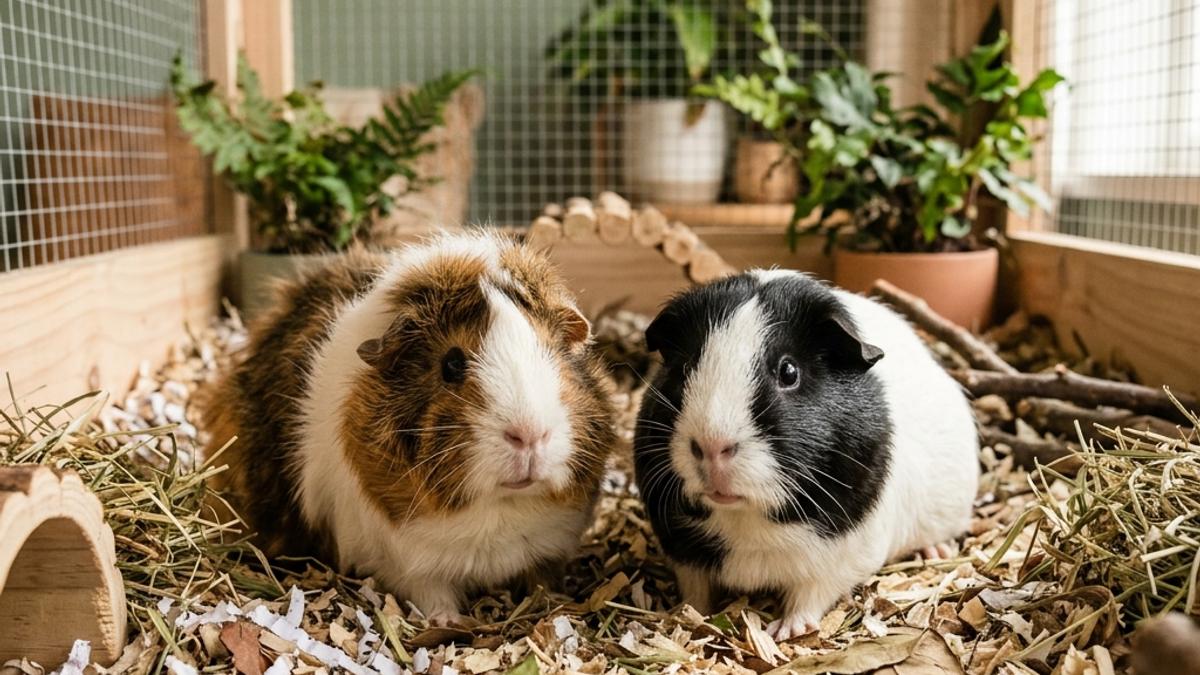
2. Aspen wood shavings
Aspen is the only wood shaving type considered safe for guinea pigs and most other small pets. It's made from aspen trees and does not contain the aromatic oils that make other wood shavings problematic.
Pros:
- Cheaper than paper bedding
- Good absorbency
- Supports burrowing
Cons:
- Slightly dustier than paper bedding (though much less so than pine or cedar)
- Can cause foot issues if the shavings are coarse-edged and the animal's feet are in contact for long periods
- Not always easy to source in NZ (check specialty pet suppliers)
Best for: Hamsters, gerbils, mice, rats. Acceptable for guinea pigs if dust is kept low. Good for burrowing animals that need deep substrate.
3. Pine and cedar shavings — avoid
Do not use pine or cedar shavings for guinea pigs, rabbits, hamsters, or other small animals. Both types contain aromatic phenol compounds that are released into the air as the wood dries. These compounds can cause:
- Respiratory irritation and disease
- Liver damage with long-term exposure
- Irritation to eyes and skin
Pine and cedar shavings are still sold at some NZ pet shops and garden centres as "animal bedding." This is a category error — they may be acceptable for large animals in well-ventilated outdoor spaces, but they are not safe for small mammals in enclosed cages. Read labels carefully.
4. Hemp bedding
Hemp bedding is made from the stalks of the hemp plant (Cannabis sativa L.) and is increasingly available in NZ through specialty pet suppliers and online.
Pros:
- Very low dust — comparable to paper bedding
- High absorbency
- Sustainable crop
- Virtually no aromatic oils — safe for small animals
Cons:
- Typically more expensive than wood shavings; similar price to mid-range paper bedding
- Less readily available in NZ than paper or wood options
- Stiffer texture than paper fluff — less soft underfoot
Best for: Guinea pigs, rabbits, hamsters. A good aspen alternative if aspen is unavailable in your area.
5. Straw
Straw (the stalks of wheat or other grain crops, not hay) is sometimes used as bedding, but it's not ideal for most NZ small pet setups.
Limitations:
- Low absorbency — urine passes through rather than being absorbed
- Can be sharp at the cut ends — risk of eye injuries and foot injuries
- Poor odour control compared to paper or hemp
When it's acceptable: As a supplemental nesting material for rabbits that want to arrange coarse material, or for outdoor rabbit hutches where the primary bedding layer underneath provides absorption. Not as a primary cage bedding.
Important distinction: Hay (dried grass) is a critical part of guinea pig and rabbit *diet* and should be available ad libitum at all times — but hay as food is different from straw used as bedding material. See our what do guinea pigs eat NZ and what do rabbits eat NZ guides.
6. Fleece liners
Fleece liners are fabric panels — usually sewn, multi-layer items with an absorbent inner layer and a fleece top layer — that sit on the cage floor and are washed and reused rather than discarded.
Pros:
- Reusable — lower long-term cost and less waste
- Soft and comfortable underfoot
- Easy to check if soiled (wet spots are visible)
- Good for guinea pigs and rabbits that don't burrow; fleece can be paired with a hay layer on top
Cons:
- Requires regular washing (every 2–4 days is typical for guinea pigs — they urinate frequently)
- The fleece top layer must be rinsed before washing to avoid clogging the machine with fur and hair — hand rinse in a bucket first
- Does not support burrowing instincts — hamsters and gerbils that need to dig will not be satisfied with fleece
- Some animals (especially guinea pigs that don't like the wicking effect) will "pee corner" obsessively and need more frequent changes
Best for: Guinea pigs and rabbits as a primary option if you're willing to maintain the washing routine. Not suitable for hamsters, gerbils, or animals with strong burrowing instincts.
NZ laundry note: Use a pet-safe laundry detergent without fragrance or brighteners; fragrances can irritate guinea pig and rabbit respiratory systems. Unscented sensitive-wash liquid or eco detergents work well.
7. Shredded paper and newspaper
Plain shredded paper (unprinted, unbleached) is safe and free. Newspaper ink used to be a concern, but most modern NZ newspaper printing uses soy-based inks that are safe once dry. However:
- Absorbency is lower than commercial paper bedding
- It doesn't control odour well
- Some animals will eat newspaper, which is not ideal
Shredded paper is acceptable as a supplemental nesting material rather than a primary cage substrate.
Bedding depth recommendations
- Hamsters and gerbils: Need 15–30 cm deep substrate for burrowing — deep bedding is a welfare requirement for these animals, not a luxury
- Guinea pigs: 5–8 cm is typical in indoor cages
- Rabbits: 5–10 cm; often prefer a separate hay area for sleep and a bedding area for toilet
- Rats and mice: 5–10 cm minimum; more if you want to encourage natural digging behaviour
Quick takeaways
- Paper pulp bedding is the safest, most versatile choice for most NZ small animals
- Aspen wood shavings are safe; pine and cedar are not — avoid any aromatic wood shavings
- Hemp bedding is a good low-dust alternative to paper if available
- Fleece liners work well for guinea pigs and rabbits but require washing every 2–4 days and don't suit burrowing animals
- Straw is not a primary bedding — low absorbency and potential for sharp edges
- Hamsters and gerbils need much deeper substrate (15–30 cm) for burrowing — this is a welfare requirement
Related guides
- First guinea pig / rabbit setup NZ
- Small pet hutch and cage guide NZ
- What do guinea pigs eat NZ
- What do rabbits eat NZ
- Small pets hub
---
References
- Merck Veterinary Manual, Providing a Home for a Rat — cedar, pine and other wood shavings contain oils that irritate small rodents' sensitive respiratory tracts and are not recommended; commercially available paper-based bedding is the best choice because it is not dusty and is digestible if eaten, checked 2026-07-28: https://www.merckvetmanual.com/all-other-pets/rats/providing-a-home-for-a-rat
- RSPCA Knowledgebase, Where should I keep my guinea pigs? — solid floors covered with dust-free bedding such as paper, paper litter or plant-origin material (e.g. hay) are preferred; wood shavings should be avoided because they stick to the guinea pig's rear and cause irritation, checked 2026-07-28: https://kb.rspca.org.au/categories/companion-animals/other-pets/guinea-pigs/where-should-i-keep-my-guinea-pigs
---
*This guide provides general care information for NZ small pet owners. For species-specific or health-related advice, consult a registered New Zealand exotic or small-animal vet.*
Free PetMall tools
Related guides
petmall.co.nz
Shop at PetMall
The products below are practical support items for your pet. PetMall ships across New Zealand.