Fighter Fish NZ: Care Guide, Tank Setup & Why They Fight (2026)
Fighter fish (Betta splendens) care guide for NZ owners: tank size, water temp, feeding, fighting behaviour, and where to buy in New Zealand.
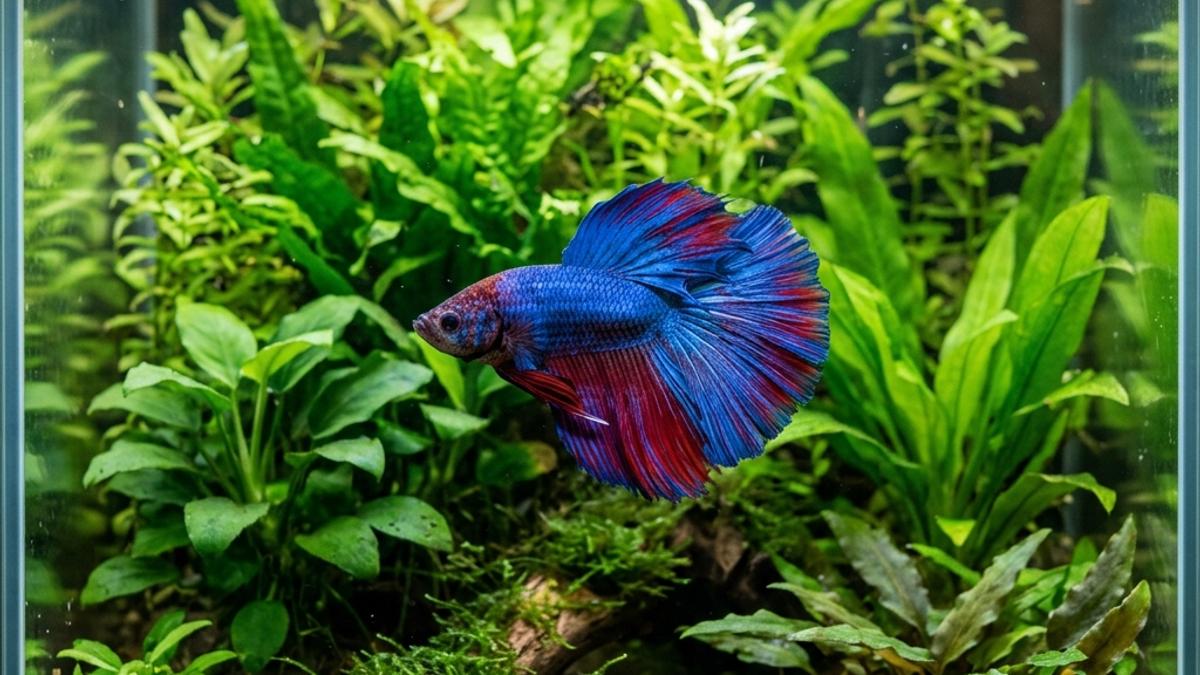
Fighter fish — known internationally as Betta splendens or Siamese fighting fish — are among the most popular aquarium fish in New Zealand. Sold at Animates, specialty fish shops, and online, their vibrant fins, bold personalities, and relatively straightforward care make them a top pick for first-time fish keepers and experienced aquarists alike. But despite their widespread availability, fighter fish are often sold with misleading advice or kept in conditions far too small for their actual needs.
This guide covers everything NZ owners need to know: why fighter fish fight, how to set up a proper tank, water requirements for New Zealand tap water, feeding, common health problems, and how to source healthy fish.
See also: Our detailed Betta Fish profile covers the full biology, temperament, and lifespan of Betta splendens.
---
Why Do Fighter Fish Fight?
Fighter fish earned their name honestly. Male Betta splendens are intensely territorial and will fight any other male they encounter — including their own reflection. In their natural habitat (shallow rice paddies and slow streams of Southeast Asia), males establish and defend territories. In an aquarium, that territory is the entire tank.
Key behaviour facts:
- Male vs male = always fight. Two male fighter fish in the same tank will fight until one is seriously injured or killed. Never house them together.
- Males and females fight too. Males can injure or kill females outside of breeding. They should only be introduced briefly for spawning and immediately separated.
- Females can sometimes coexist. Groups of 4–6 female bettas (a "sorority") can live together in tanks 80L+ with plenty of hiding spots — but aggression can still occur and must be monitored.
- Mirrors trigger aggression. Showing a male his own reflection causes him to flare and may stress him if prolonged. Brief "mirror exercises" (2–3 minutes, 2–3 times per week) can actually be stimulating — but sustained exposure is harmful.
---
Setting Up a Fighter Fish Tank in NZ
One of the most common myths is that fighter fish are fine in tiny bowls. In the wild, male bettas defend territories of up to 1 square metre. The minimum recommended tank size is:
- Single male: 15–20 litres minimum; 30–40 litres is noticeably better for health and lifespan
- Female sorority: 80 litres minimum, heavily planted
Equipment checklist
| Item | Why it matters |
|---|---|
| Filter (low flow) | Bettas need clean water but hate strong currents — use a sponge filter or baffle the output |
| Heater | NZ homes can get cold; fighter fish need 24–28°C year-round |
| Thermometer | Verify the temperature — heaters can fail |
| Lid | Bettas are jumpers; a tight-fitting lid is essential |
| Live or silk plants | Provide hiding spots and reduce stress; avoid sharp plastic decor that tears fins |
| Water conditioner | NZ tap water contains chlorine and chloramine — always dechlorinate |
NZ water chemistry
New Zealand tap water varies by region but is generally:
- pH: 7.0–7.5 (most regions) — ideal for bettas (prefer 6.5–7.5)
- Hardness: Moderate (GH 5–15 dGH in most NZ cities)
- Chlorine/Chloramine: Present — always use a dechlorinator (e.g., Seachem Prime) before adding tap water
Run the tank through the nitrogen cycle before adding a fighter fish — this takes 4–6 weeks. Uncycled tanks expose fish to toxic ammonia spikes, the leading cause of death in new setups.
---
Feeding Fighter Fish
Fighter fish are carnivores in the wild, eating insects and larvae. Their stomachs are roughly the size of their eye — overfeeding is a very common mistake.
Recommended diet:
- High-quality betta pellets as the staple (look for protein >40% from named fish sources)
- Frozen bloodworms or daphnia 2–3 times per week as variety
- Live daphnia or baby brine shrimp (if you can source them) for enrichment
Feeding routine:
- 2–4 pellets, twice daily
- Fast for one day per week — this prevents constipation and bloat
- Remove uneaten food within 5 minutes to maintain water quality
Do not feed flake food as a staple — it breaks down quickly and lacks the protein density fighter fish need.
---
Common Health Problems
| Problem | Signs | Cause |
|---|---|---|
| Fin rot | Ragged, disintegrating fin edges | Poor water quality, bacteria |
| Velvet | Gold/rust dust on body; fish scratches | Parasitic dinoflagellate (*Oodinium*) |
| Ich (white spot) | Small white dots on fins/body | Parasitic protozoan; triggered by stress/temperature fluctuations |
| Bloat/dropsy | Swollen belly, pinecone scales | Often fatal; usually bacterial or organ failure |
| Swim bladder disorder | Fish swims sideways or sinks | Overfeeding, constipation, or infection |
Most fighter fish health problems are water quality issues in disguise. Weekly 25–30% water changes and regular filter maintenance prevent the majority of conditions.
---
Tank Mates: Can Fighter Fish Live With Other Fish?
Male fighter fish can coexist with peaceful, non-nippy species in a well-sized tank — but individual temperament varies. Always have a backup plan (a spare tank or divider) ready if aggression occurs.
Generally compatible (in 40L+):
- Corydoras catfish (bottom dwellers, no fin-nipping)
- Neon or cardinal tetras (small, fast, keep in groups of 6+)
- Mystery snails and nerite snails
- Otocinclus catfish
Avoid:
- Guppies (fancy tails trigger aggression)
- Tiger barbs, serpae tetras (known fin nippers)
- Any other betta
- Large, boisterous fish that will outcompete for food
---
Where to Buy Fighter Fish in NZ
Fighter fish are widely available throughout New Zealand:
- Pet chain stores (Animates, Petbarn): Stock regular veil-tail and halfmoon bettas year-round. Price range: $10–$25 NZD. Quality is generally adequate, though tank conditions vary by store.
- Specialty aquarium shops: Better quality fish, wider variety (crowntail, plakat, giant betta), and staff who can advise properly. Prices: $20–$80 NZD.
- Online (Trade Me): Reputable private breeders sell high-quality fish with careful bag-and-heatpack shipping. Check seller feedback and reviews. Expect $25–$100+ NZD for specialty strains.
- Fish clubs: The New Zealand Aquarium Society and regional clubs sometimes hold auctions or sales with locally-bred stock.
What to look for when buying:
- Active, alert posture — not hiding or clamped fins
- Clear eyes, no white spots or fuzzy patches
- Fins intact with no fraying at the edges
- Seller can tell you the fish's age and feeding history
---
Fighter Fish Lifespan
With proper care, fighter fish live 2–4 years on average, with some reaching 5 years in ideal conditions. Most fish sold at pet stores are already 6–12 months old. Buying from a breeder who knows the hatch date gives you a clearer picture of remaining lifespan.
Key factors that reduce lifespan: small tanks, temperature swings (common in NZ winters), poor diet, and chronic stress from inappropriate tank mates or harassment.
---
Fighter Fish and the Law in NZ
Betta splendens are legal to keep in New Zealand. They are widely available and not subject to any import restrictions for domestic pets purchased through legitimate NZ retailers.
The Animal Welfare Act 1999 applies to all fish kept in New Zealand — you are legally obliged to meet your fish's physical, health, and behavioural needs. The minimum tank sizes and husbandry practices outlined in this guide reflect those obligations.
---
Quick Reference
| Parameter | Fighter Fish Requirement |
|---|---|
| Minimum tank size | 15–20L (single male); 80L+ (female sorority) |
| Water temperature | 24–28°C |
| pH | 6.5–7.5 |
| Feeding frequency | 2–4 pellets, twice daily |
| Water changes | 25–30% weekly |
| Tank mates | Peaceful only; no other male bettas |
| Lifespan | 2–4 years |
| NZ price | $10–$80 NZD depending on type |
For a deeper dive into Betta splendens biology, temperament scoring, and breed variants, visit our full Betta Fish breed profile.
Sources
- SPCA New Zealand, Fish Deserve Betta Than a Bowl, checked 2026-07-24: https://www.spca.nz/advice-and-welfare/article/fish-deserve-betta-than-a-bowl
- RSPCA (UK), Companion Fish Behaviour and Welfare Guidelines, checked 2026-07-24: https://www.rspca.org.uk/adviceandwelfare/pets/fish/behaviour
Related guides
petmall.co.nz
Shop at PetMall
The products below are practical support items for your pet. PetMall ships across New Zealand.
- Fish FoodMatch food to your fish — floating pellets for bettas, sinking for bottom feeders. Feed small amounts your fish finish in a couple of minutes.
- Tank Cleaning & MaintenanceA gravel vacuum and an algae scraper do more for water quality than any gadget — most beginner tank problems are maintenance, not equipment.
- Filters & MediaA good filter is the heart of a healthy tank — choose low-flow models for bettas and long-finned fish.
- Heating & LightingA heater is essential for tropical fish through NZ winters — most bettas and community fish want a stable 24–28°C.
- Water TreatmentDechlorinator and test kits are non-negotiable — stable water quality prevents most beginner fish losses.