Tang Fish NZ: Surgeonfish Care, Tank Requirements & Species Guide (2026)
Tang fish (surgeonfish) in NZ: which species are available, what size marine tank they need, feeding, and why they're the most popular reef fish in NZ.
Tang fish — also called surgeonfish — are the bright, active fish made famous by the movie Finding Nemo (the Blue Tang is the best known of them). They're one of the most popular marine aquarium fish in New Zealand, but they need significantly more space and care than freshwater tropical fish. This guide covers the most available tang species in NZ, what they actually require, and the honest challenges of keeping them.
New to fish keeping? Start with Tropical Fish NZ: Best Freshwater Species for Beginners before jumping into marine tanks. Freshwater setups are significantly easier and cheaper than marine reef environments.
---
What Are Tang Fish?
Tangs belong to the family Acanthuridae, a group of about 80 species of marine fish commonly referred to as surgeonfish. They are native to tropical oceans worldwide, with the vast majority inhabiting the vibrant coral reefs of the Pacific and Indian Oceans.
The name "surgeonfish" comes from their primary physical characteristic: one or more razor-sharp, scalpel-like spines located on either side of the tail base (the caudal peduncle). These spines are covered in mucus and can be folded flat or extended to slash at predators or territorial rivals. Aquarists must handle tangs with extreme care, as a thrashing tang can easily inflict painful cuts on human hands or rip through standard plastic fish nets.
In the wild, tangs play a vital ecological role. They are primary herbivores and constant grazers, spending their entire day feeding on turf algae that grows on reef structures. This constant grazing prevents algae from smothering and killing living corals — a behaviour that makes them highly valued in home reef aquariums but also impacts their care requirements in captivity.
---
Tang Species Available in NZ (2026)
While there are dozens of species globally, New Zealand's strict biosecurity rules mean only a select group of tangs are regularly imported. The following four species are the most commonly available in NZ specialty marine stores:
1. Blue Tang (*Paracanthurus hepatus*)
Made globally famous as "Dory" from Finding Nemo, the Pacific Blue Tang (also called the Regal Tang or Hippo Tang) features a striking palette of royal blue, a bold black "palette" shape, and a bright yellow tail. They are peaceful toward other fish but highly active. Despite their massive popularity, they are not beginner fish. They are highly susceptible to marine parasites and stress-related illnesses if housed incorrectly.
| Tank Size (Min) | Temperature | Difficulty | NZ Price |
|---|---|---|---|
| 300 Litres | 24°C – 26°C | Moderate | $80 – $180 per fish |
For detailed information on the biological needs and dietary care of this iconic species, refer to the LiveAquaria Regal Blue Tang Profile.
2. Yellow Tang (*Zebrasoma flavescens*)
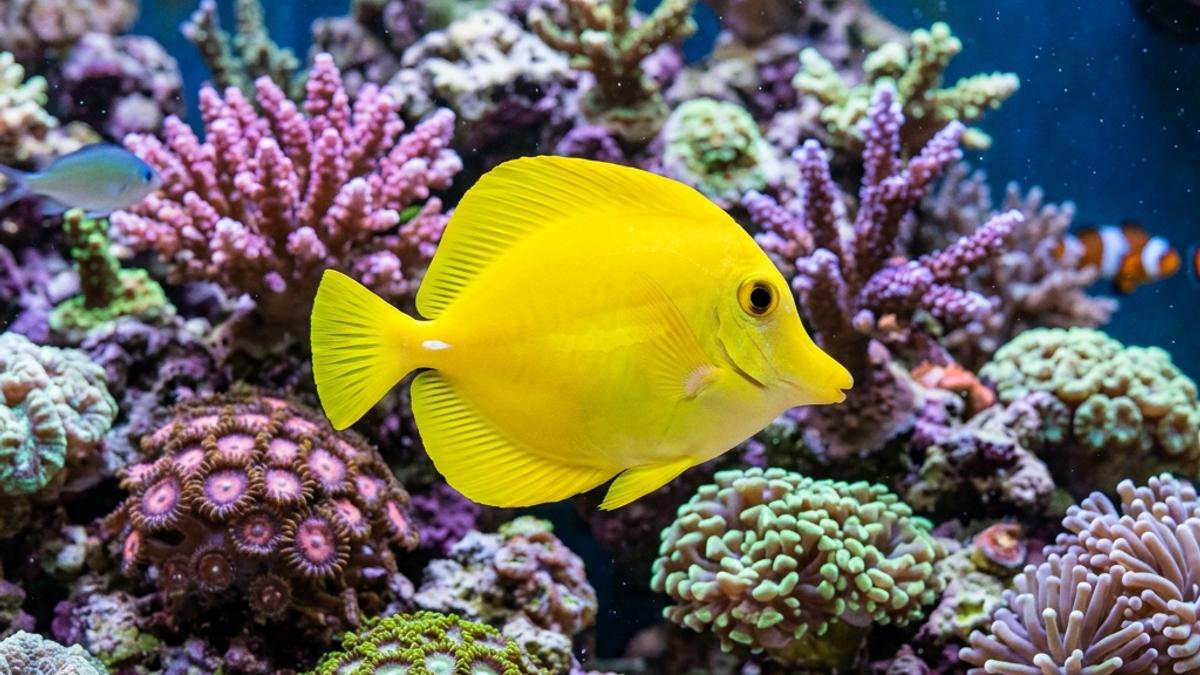
Renowned for their solid, glowing lemon-yellow colouration and oval body shape, Yellow Tangs are highly active and visually stunning. By tang standards, they are relatively hardy, making them the most popular introductory tang for marine aquarists. They are excellent algae grazers.
| Tank Size (Min) | Temperature | Difficulty | NZ Price |
|---|---|---|---|
| 200 Litres | 24°C – 26°C | Easy-Moderate | $80 – $150 per fish |
*Note: Historical wild populations from Hawaii are subject to strict collection bans; therefore, most Yellow Tangs sold in NZ are now sourced from sustainable aquaculture projects or alternate Indo-Pacific regions.* Learn more in the LiveAquaria Yellow Tang Profile.
3. Powder Blue Tang (*Acanthurus leucosternon*)
The Powder Blue Tang is one of the most breathtaking marine fish, boasting a pastel blue body, a yellow dorsal fin, a white throat, and a black face. However, they are highly sensitive, notoriously aggressive toward other tangs, and demand pristine water quality. They are recommended only for experienced marine hobbyists with mature, stable reef aquariums.
| Tank Size (Min) | Temperature | Difficulty | NZ Price |
|---|---|---|---|
| 300 Litres | 24°C – 26°C | Hard | $120 – $250 per fish |
4. Kole / Bristletooth Tang (*Ctenochaetus strigosus*)
Also known as the Yellow Eye Kole Tang, this species has a subtle, sophisticated beauty with a dark reddish-brown body covered in fine pink stripes and a prominent yellow ring around the eye. They possess specialized "bristle-like" teeth designed to comb detritus and film algae off rocks and glass. Because they remain relatively compact (growing to about 15cm), they have more manageable space requirements.
| Tank Size (Min) | Temperature | Difficulty | NZ Price |
|---|---|---|---|
| 150 Litres | 24°C – 26°C | Easy-Moderate | $80 – $160 per fish |
---
What Tang Fish Actually Need (Being Honest)
Keeping marine fish is a major step up from freshwater tropical fish. Tangs, in particular, are demanding animals. Prospective owners must honestly evaluate whether they can provide the following four pillars of care:
1. Immense Swimming Space
Tangs are built for constant, open-water swimming along coral reefs. They cannot thrive in small tanks. Housing a Blue Tang in a tank under 300 litres is cruel and will result in chronic stress, stunted growth, muscle atrophy, and Head and Lateral Line Erosion (HLLE) disease. The minimum tank sizes listed above are absolute baselines, not recommendations.
2. Saltwater Marine Aquarium Infrastructure
Tangs cannot live in freshwater. They require a saltwater setup with highly specific parameters:
- Salinity: Kept at a stable Specific Gravity (SG) of 1.025.
- Temperature: Maintained between 24°C and 26°C.
- Water Quality: Low nitrates, zero ammonia, and high dissolved oxygen.
Setting up a marine tank requires significant financial investment. A basic 300L setup will cost between $2,000 and $8,000+ NZD in New Zealand, covering:
- Sump tank, return pump, and heavy-duty protein skimmer.
- Powerheads for high water movement (tangs love strong currents).
- Live rock or reef-safe structural decor.
- Reverse Osmosis Deionised (RODI) water unit and premium marine salt mix.
- High-intensity reef lighting and digital refractometer.
3. Constant Herbivorous Diet
While they will eat mysis shrimp and frozen foods, tangs are specialized herbivores. A lack of plant matter will ruin their digestive health and immune systems. Owners must provide sheets of dried marine algae (nori, which can be bought cost-effectively at local Asian supermarkets) attached to a veggie clip in the tank daily. This must be supplemented with high-quality, plant-based marine pellets.
4. Intra-Species Aggression
Tangs are notoriously territorial toward their own kind and other fish with similar body shapes or colours. In a standard home aquarium, you should keep only one tang unless you have a tank exceeding 400 to 500 litres. If you plan to house multiple tangs, they should be introduced to the tank simultaneously to prevent established fish from bullying newcomers to death.
---
Where to Buy Tang Fish in NZ
Because marine fish require specialised holding tanks and water systems, you will rarely find them in standard corporate pet chains.
- Specialty Marine Shops: These dedicated stores are the only reliable source for marine livestock in New Zealand. They import fish through approved biosecurity channels, quarantine them, and ensure they are eating before sale.
- Trade Me: Private reef keepers occasionally list established tangs when shutting down tanks. Always ask for video proof that the fish is actively swimming and eating before buying. Shipping marine fish within NZ is risky and requires insulated packaging and oxygenation.
- Regional Marine Societies: Many cities have local marine aquarium clubs where members share advice and trade captive-bred or established reef specimens.
Before buying any tang: Ask the store staff to feed the fish in front of you. A healthy tang will eagerly consume pellets or nori. Inspect the skin carefully for tiny white spots (Marine Ich, a common and deadly parasite) and look for active, alert behaviour.
---
Tang Fish and NZ Regulations
- Legality: Sourcing and keeping common hobby tang species is fully legal in New Zealand, and there are no Department of Conservation permits required for home aquariums.
- Biosecurity Import Rules: All marine ornamentals imported into NZ must comply with Ministry for Primary Industries (MPI) biosecurity standards and undergo quarantine at approved airport transitional facilities. Always purchase from reputable shops to ensure compliance.
- Environmental Alert: It is a serious offence under the Biosecurity Act to release any non-native fish, plants, or aquarium water into New Zealand's natural streams, lakes, or coastal oceans, as they can introduce devastating foreign pathogens and disrupt local marine ecosystems.
---
References
- Ministry for Primary Industries, Import Health Standards for Ornamental Fish, accessed June 2026: https://www.mpi.govt.nz/import/live-animals/ornamental-fish-and-marine-invertebrates/
- Ornamental Aquatic Trade Association (OATA), How to care for tangs & rabbitfish — recommends an aquarium of at least 300 litres for a single individual under 20cm, and warns that the scalpel-like scales near the tail can injure handlers, checked 2026-07-24: https://ornamentalfish.org/wp-content/uploads/Tangs-and-rabbitfish-Sept-2022.pdf
---
*Disclaimer: This guide is for informational and educational purposes only. Marine reef aquariums are highly complex ecosystems requiring specialized knowledge and equipment. For diagnostic advice or treatment of marine fish diseases, consult a registered aquatic animal veterinarian or marine health professional in New Zealand.*
Related guides
petmall.co.nz
Shop at PetMall
The products below are practical support items for your pet. PetMall ships across New Zealand.
- Fish FoodMatch food to your fish — floating pellets for bettas, sinking for bottom feeders. Feed small amounts your fish finish in a couple of minutes.
- Tank Cleaning & MaintenanceA gravel vacuum and an algae scraper do more for water quality than any gadget — most beginner tank problems are maintenance, not equipment.
- Filters & MediaA good filter is the heart of a healthy tank — choose low-flow models for bettas and long-finned fish.
- Heating & LightingA heater is essential for tropical fish through NZ winters — most bettas and community fish want a stable 24–28°C.
- Water TreatmentDechlorinator and test kits are non-negotiable — stable water quality prevents most beginner fish losses.