Dog Toys NZ: 4 Chew Styles and Safer Picks
Dog toys NZ guide: match toys to your dog’s chew style, reduce waste and vet risks, and build a safer toy rotation for everyday enrichment at home.
The 4 Chew Styles Every Dog Owner Should Know
Dogs chew for many reasons – exploration, stress relief, dental health, or just plain fun. Understanding your dog's chew style is crucial for choosing appropriate dog toys in NZ, preventing frustration, and keeping them safe. We can generally categorise dogs into four main chew styles:
- Gentle Chewers: These dogs mouth toys softly, carry them around, and rarely try to break them. Think small breeds or older dogs.
- Light Chewers: They enjoy a good chew but aren't typically destructive. They might slowly wear down softer toys.
- Power Chewers: These dogs are determined and strong, aiming to demolish toys. Breeds like Labrador Retrievers often fall into this category.
- Destructive Chewers: Beyond power chewing, these dogs are on a mission to shred, tear, and ingest pieces, often due to boredom or anxiety.
Why Matching Toy to Chew Style Saves Money and Vet Bills
Investing in the right dog toys in NZ isn't just about fun; it's a smart financial and health decision. When you give a power chewer a toy designed for a gentle chewer, it's a recipe for disaster. The toy will be destroyed quickly, leading to wasted money and, more critically, potential health risks. Small, ingested pieces can cause choking hazards, intestinal blockages, or cuts in the mouth and digestive tract, resulting in expensive emergency vet visits.
Conversely, a gentle chewer might ignore a super-durable, hard toy, missing out on the enrichment and dental benefits appropriate toys provide. Matching the toy to the chew style ensures the toy lasts longer, providing better value for your dollar. It also means your dog is engaging with the toy as intended, reducing the likelihood of them trying to break it apart in unsafe ways.
Consider the environmental impact too. Constantly replacing flimsy toys contributes to waste. By choosing durable, appropriate options, you're making a more sustainable choice for your pet and the planet. Proper toy selection also supports positive behaviour, redirecting natural chewing instincts away from your furniture or shoes. Ultimately, understanding your dog's chew style is fundamental to their safety, happiness, and your peace of mind, saving you both money and potential heartache.
Light Chewers and Puppies: Safe Options
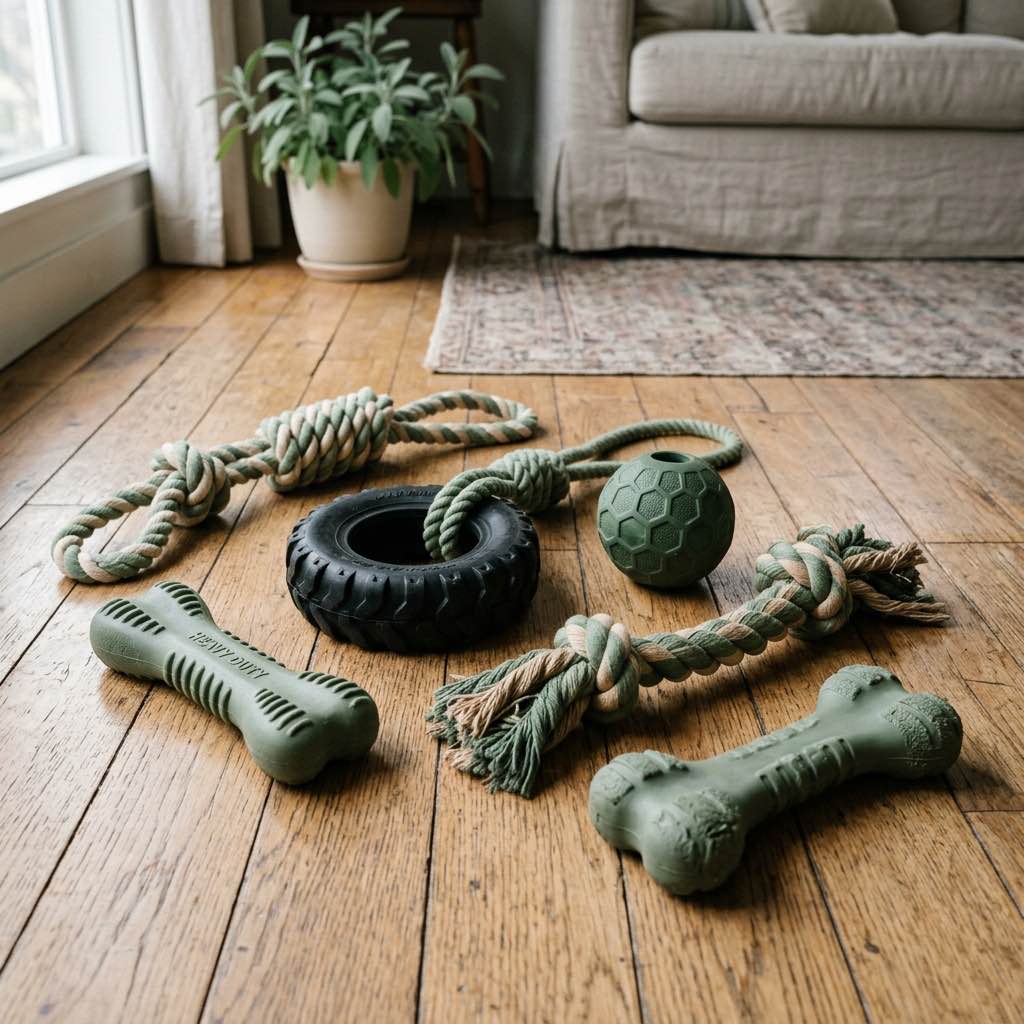
Light chewers and puppies share some common needs when it comes to dog toys in NZ. Puppies, with their developing jaws and teething discomfort, require toys that are gentle on their gums but still satisfying to chew. Light chewers, while not as destructive as their power-chewing counterparts, still enjoy a good gnaw without the intent to demolish.
For puppies, look for softer rubber or silicone toys, often designed with textures to soothe sore gums. Teething rings, soft plush toys (without small, easily detachable parts), and interactive puzzle toys that dispense treats are excellent choices. Always ensure puppy toys are appropriately sized – too small, and they become a choking hazard; too large, and they might not be able to mouth them properly. Supervise all play, especially with new toys, to ensure they aren't tearing off and ingesting pieces. A good starting point for new puppy owners is our new puppy checklist NZ.
Light chewers benefit from a wider range of materials. Durable plush toys, softer rubber balls, and even some softer nylon chews can work well. Look for toys that offer varied textures and shapes to keep them engaged. Puzzle toys are fantastic for mental stimulation, turning mealtime into a fun challenge. Brands offering natural rubber options are often a good choice, providing satisfying give without being easily destroyed. Remember, even light chewers can surprise you, so regular inspection for wear and tear is essential. Replace any toy showing signs of breaking apart to prevent ingestion risks.
Power Chewers: What Actually Lasts
Power chewers are dogs with strong jaws and a determined mindset, often seen in breeds like Staffordshire Bull Terriers, Labrador Retrievers, and even some Golden Retrievers. For these dogs, finding dog toys in NZ that truly stand up to their chewing prowess can feel like an endless quest. The key is to focus on extreme durability, appropriate size, and materials designed to withstand intense pressure.
Materials that Matter:
- Hard Rubber: Look for solid, dense rubber toys. Brands like Kong (their "Extreme" black line) are renowned for their durability. These can range from $20-$60 depending on size and complexity. They offer a satisfying chew and can often be stuffed with treats for added enrichment.
- Nylon Chews: High-quality nylon bones are designed to be gnawed on for extended periods. They don't break down into ingestible pieces easily, though small shavings might come off over time. Always choose a size too large for your dog to swallow. Prices typically range from $15-$40.
- Natural Hard Chews (with caution): Antlers, while popular, can be very hard and potentially cause dental fractures. If you choose antlers, opt for split antlers to expose the marrow, making them less likely to chip teeth. Always supervise. Similarly, very hard natural bones can pose risks. Discuss with your vet if these are suitable for your dog's dental health.
- Wood-based Chews: Some brands offer durable, non-splintering wood chews (e.g., coffee wood). These can be a good alternative for dogs who enjoy the texture of wood but need something safer than sticks. Prices are usually $15-$35.
Types of Toys for Power Chewers:
- Stuffable Rubber Toys: The classic Kong is a staple. Freezing wet food or peanut butter inside extends the chewing time significantly, turning a quick snack into a long-lasting activity.
- Interactive Puzzle Toys (Durable Versions): While many puzzle toys are for lighter chewers, some brands offer robust versions made from hard plastic or rubber that can withstand more determined efforts. These are excellent for mental stimulation, which is just as important as physical chewing.
- Heavy-Duty Balls: For fetch, opt for solid rubber balls that are too large to be swallowed and won't easily puncture. Tennis balls, while fun, are often quickly shredded by power chewers and the felt can be abrasive to teeth.
- Rope Toys (Use with Extreme Caution): While rope toys can seem durable, power chewers often shred them, and ingested strands can cause severe intestinal blockages. If you use rope toys, it must be under constant, direct supervision, and removed immediately if fraying occurs. Many vets advise against them for power chewers.
Important Considerations:
- Size: Always choose toys that are too large for your dog to swallow whole or get stuck in their throat.
- Supervision: Even with the most durable toys, supervision is key. Regularly inspect toys for damage and discard them if they start to break apart.
- Rotation: Don't give all toys at once. Rotate them to keep your dog interested and to extend the life of each toy.
- Dental Health: While chewing is good for teeth, excessively hard toys can cause fractures. If you hear your dog grinding or see them struggling, the toy might be too hard.
Finding the perfect dog toys in NZ for a power chewer requires patience and observation. Prioritise safety and durability to ensure your dog enjoys their chewing without risk.
Destructive Chewers: Damage Control and Mental Stimulation
Destructive chewers go beyond simply enjoying a good gnaw; they often have an underlying drive to completely dismantle and ingest parts of their dog toys in NZ. This behaviour can stem from boredom, anxiety, lack of appropriate outlets, or even a genetic predisposition in breeds like the Border Collie who need significant mental engagement. For these dogs, the strategy shifts from finding "indestructible" toys to managing the chewing impulse and providing alternative, safer outlets.
Strategies for Destructive Chewers:
- Redirection to Appropriate Chews: Offer extremely durable, non-ingestible chews (like the toughest rubber or nylon options mentioned for power chewers) *only* under direct supervision. The goal is to satisfy the chewing urge without allowing ingestion of pieces.
- Mental Stimulation is Key: Often, destructive chewing is a symptom of unmet mental needs. Incorporate daily puzzle feeders, snuffle mats, training sessions, and scent work. These activities tire a dog's brain, reducing the urge to chew destructively out of boredom. Our guide on dog enrichment NZ offers many ideas.
- Supervision and Management: Never leave a destructive chewer unsupervised with a toy they might destroy and ingest. When you can't supervise, use a crate or a safe, toy-free zone.
- Edible Chews (with caution): High-quality, long-lasting edible chews (e.g., bully sticks, dental chews) can be given under supervision. Ensure they are appropriate for your dog's size and chewing strength, and always monitor for choking hazards as they get smaller.
- Professional Help: If destructive chewing is severe, accompanied by other anxiety signs (pacing, excessive barking, house soiling), consult a vet or a certified dog behaviourist. They can help identify underlying causes and develop a comprehensive behaviour modification plan.
Remember, a destructive chewer isn't "naughty"; they're often communicating an unmet need. Addressing the root cause through enrichment and management is more effective than simply trying to find a toy they can't destroy.
Building a Toy Rotation for Your NZ Dog
A well-organised toy rotation is a game-changer for keeping your dog engaged and extending the life of your dog toys in NZ. Instead of leaving all toys out all the time, select 3-5 appropriate toys for your dog's current chew style and keep the rest stored away.
Rotate these toys every few days or weekly. This simple practice prevents boredom, makes old toys feel new again, and allows you to inspect toys for wear and tear before they become a hazard. It also helps you manage different types of toys – for example, having a specific "chew time" toy and a separate "playtime" toy. A good rotation ensures your dog always has something interesting to interact with, promoting mental stimulation and physical activity without overwhelming them or leading to rapid destruction.
Final Thoughts
Choosing the right dog toys in NZ is about understanding your dog's unique chewing habits. By matching toys to their chew style, you're not just saving money on replacements; you're actively promoting their safety and well-being. A thoughtful toy rotation, combined with supervision, ensures your furry friend stays happy, engaged, and safe from potential hazards. Invest in quality, appropriate toys, and enjoy the many benefits they bring to your dog's life.
Sources
- SPCA New Zealand, Dog behaviour and training — enrichment and reward-based play, checked 2026-07-22: https://www.spca.nz/advice-and-welfare/article/dog-behaviour-and-training
- Merck Veterinary Manual, Dental Disorders of Dogs — teeth can be fractured from biting inappropriate objects such as real bones, hooves, antlers and hard nylon toys, checked 2026-07-22: https://www.merckvetmanual.com/dog-owners/digestive-disorders-of-dogs/dental-disorders-of-dogs
- Ministry for Primary Industries, Code of Welfare: Dogs, checked 2026-07-22: https://www.mpi.govt.nz/animals/animal-welfare/codes/all-animal-welfare-codes/code-of-welfare-dogs/
Related guides
petmall.co.nz
Shop at PetMall
The products below are practical support items for your pet. PetMall ships across New Zealand.
- Dog TreatsTraining rewards and everyday treats — small, soft pieces work best for consistent reinforcement.
- Dog ToysA small rotation of chew, fetch, and puzzle toys usually works better than buying a large variety at once.
- Dog FoodStart with food that matches your dog's life stage and activity level — and change brands slowly over 7–10 days.
- Dog GroomingA gentle brush and the right shampoo make maintenance easier — especially for dogs that get muddy on walks.
- Leads & HarnessesComfort matters: padded contact points and adjustable fit help reduce rubbing on longer walks or tramping weekends.
- Flea & Worm TreatmentFor NZ conditions, look for protection that fits your routine (monthly vs longer-lasting) and your dog's weight range.