Dog Grooming Brushes NZ: Which Type Does Your Dog Actually Need?
Many Kiwi pet owners find themselves frustrated: their dog is still shedding, matted, or the brush just isn't working. The truth is, there's no single...
Many Kiwi pet owners find themselves frustrated: their dog is still shedding, matted, or the brush just isn't working. The truth is, there's no single "best" dog brush. Just like human hair, every dog's coat is unique, requiring specific tools. Using the wrong brush is ineffective, uncomfortable for your dog, and can even damage their coat. This guide will help you choose the right grooming brushes for your furry whānau member.
Regular grooming is crucial for your dog's health, not just their looks. Our active, outdoorsy Kiwi dogs often pick up tangles, mats, and debris from beaches, bush tracks, and backyards. A consistent routine with the correct brushes prevents painful mats, reduces shedding, distributes natural oils for a healthy shine, and allows early detection of skin issues or lumps. This preventative care saves hassle and potentially expensive vet bills. A well-groomed dog is happier and healthier, and the bonding time is priceless.
---
Slicker Brush: The Tangle Tamer for Medium and Long Coats
The slicker brush, with its tightly packed, fine wire bristles bent at the tips, is a versatile and essential tool for dogs with medium to long, curly, or wavy coats.
What it's best for: Slicker brushes excel at removing loose undercoat, detangling mats, and smoothing the topcoat. They're invaluable for dogs prone to tangles, especially "bush dogs" on tramping tracks, removing burrs, twigs, and debris. For beach dogs, they help remove sand and prevent salt-induced knots. Dogs in humid areas like Auckland will find it crucial for addressing early-stage matting.
Which dogs benefit most: Breeds like Golden Retrievers, Border Collies, Shetland Sheepdogs, Cocker Spaniels, Poodles (before a full groom), and many mixed breeds with similar coat types. It also works well for double coats, lifting dead undercoat without damaging the topcoat.
How to use it: Always brush gently with light, short strokes, following hair growth. For stubborn tangles, use "line brushing" – holding up sections and brushing small layers. Avoid pressing too hard, as wire bristles can scratch the skin. Regular, gentle sessions are key.
Practical costs: In NZ, a good quality slicker brush ranges from $15-$50+. Investing in a comfortable, durable model is worthwhile for effectiveness and longevity.
---
Bristle Brush: The Finishing Touch for Short, Smooth Coats
Resembling a human hairbrush, the bristle brush features natural or synthetic bristles. Its main role is to smooth, distribute natural oils, and add shine, rather than detangle or remove large amounts of dead hair.
What it's best for: Ideal for short, smooth-coated breeds, it removes loose surface hair, dust, and debris, leaving a sleek, glossy finish. For all other coat types, it's an excellent finishing tool after using a specialised brush, enhancing natural lustre by spreading skin oils. Perfect for a quick spruce-up after a walk.
Which dogs benefit most: Beagles, Greyhounds, Pugs, Dalmatians, Boxers, and short-haired Labradors will use this as their primary tool. For longer-coated breeds, it's the perfect final step to polish their coat.
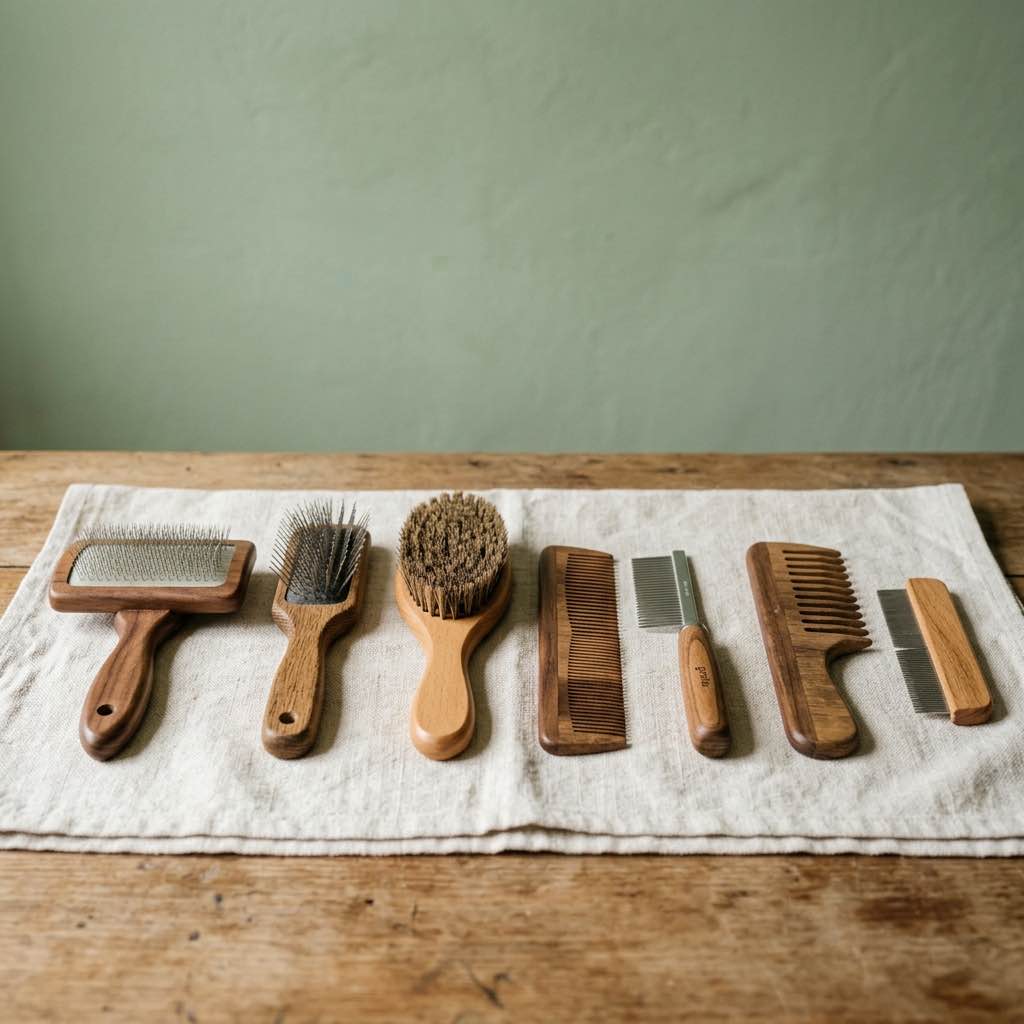
How to use it: Use long, even strokes in the direction of hair growth. Gentle enough for daily use, it's a lovely way to bond. For short coats, a few times a week is often sufficient. The massaging action stimulates circulation, benefiting coat health.
Practical costs: Generally affordable, $10-$30. Consider bristle stiffness: softer for very short coats/sensitive skin, firmer for slightly thicker short coats.
---
Pin Brush: The Fluff Enhancer for Delicate and Fluffy Coats
The pin brush is recognisable by its widely spaced metal pins, each with a rounded tip, set into a soft, rubber cushion. It's designed for gentle grooming.
What it's best for: Perfect for dogs with long, fluffy, or delicate coats prone to tangling but not severe matting. It gently separates and detangles individual strands without pulling, making it comfortable for sensitive dogs. Excellent for daily brushing to prevent tangles and remove loose topcoat hairs. Less likely to damage fragile long hair than a slicker. Helps gently remove surface debris from fluffy coats.
Which dogs benefit most: Golden Retrievers (especially feathering), Pomeranians, Shih Tzus, Yorkshire Terriers, Afghan Hounds, and other long-haired or double-coated breeds. A good choice for puppies of any breed to introduce them to grooming.
How to use it: Use gentle, long strokes, working from roots to tips. For longer coats, section the hair. A pin brush isn't for heavy-duty mat removal; gently work out snags with fingers or a wide-toothed comb first. Rounded tips make it safe and comfortable for the skin.
Practical costs: Readily available, typically $15-$40. Look for sturdy, well-secured pins with comfortable rounded tips.
---
Deshedding Tool: Battling the NZ Summer Shedding Season
Often recognised by brands like Furminator, the deshedding tool is specialised to significantly reduce shedding by safely removing loose, dead undercoat. It features a finely toothed metal blade that glides through the topcoat.
What it's best for: A game-changer for double-coated breeds and heavy seasonal shedding, especially during NZ summer. It dramatically reduces loose hair by up to 90%, removing dead undercoat without cutting or damaging the healthy topcoat. Crucial for maintaining natural insulation and protection. A lifesaver for keeping homes cleaner in areas like the Coromandel or Gisborne.
Which dogs benefit most: Prime candidates are breeds with dense undercoats, including popular NZ breeds like Huskies, German Shepherds, Labradors, Golden Retrievers, Bernese Mountain Dogs, and Akitas. Not suitable for single-coated breeds (e.g., Greyhounds, Poodles) or very sparse coats, as it can cause irritation.
How to use it: Use sparingly and with care, typically once or twice a week for 10-20 minutes during peak shedding. Always brush in the direction of hair growth with gentle, long strokes. Never press hard to avoid skin irritation. Stop when less hair is collected or if your dog shows discomfort. Overuse can damage skin and coat. Best used outdoors.
Practical costs: A greater investment, typically $40-$80 in NZ. For heavy-shedding breeds, the reduction in hair and improved comfort during hot weather makes it worthwhile. Look for a comfortable handle and a sturdy, rust-resistant blade.
---
Rubber Curry Brush: The Gentle Cleaner for Short Coats and Bath Time
The rubber curry brush, or grooming mitt, features soft, flexible rubber nubs or teeth, offering a gentle massage while grooming.
What it's best for: A fantastic choice for short, smooth-coated dogs and those with sensitive skin. The soft rubber is less abrasive than metal bristles. It effectively removes loose hair, dirt, and debris, stimulating circulation for a healthy coat. Perfect for gently removing sand and loose hair from a Staffy after a beach frolic. Incredibly useful during bath time, working shampoo into the coat, creating lather, and dislodging dirt and loose hair efficiently.
Which dogs benefit most: Boxers, Dalmatians, Pugs, Beagles, short-haired Labradors, Vizslas, and most Staffies. Dogs with very sensitive skin or those anxious about traditional brushing often tolerate a rubber brush much better due to its gentle, massaging action.
How to use it: For dry grooming, use circular motions or short, firm strokes to dislodge loose hair and dirt. Its flexibility contours to the dog's body, even over bony areas. During bathing, apply shampoo, then use the brush to work it through, massaging the skin and lifting dirt. Easy to clean by rinsing under water.
Practical costs: Among the most affordable tools, typically $10-$25. Durable and long-lasting. Consider nub size and spacing: smaller for very fine coats, larger for slightly thicker coats or shampoo work.
---
Dematting Comb: The Last Resort for Stubborn Mats
The dematting comb, or rake, is a specialised tool for safely breaking up and removing severe mats and tangles that other brushes can't handle. It typically features sharp, bladed teeth or strong, widely spaced metal teeth, often with a curved edge, designed to slice through dense knots.
What it's best for: A problem-solver for matted coats, especially in long-haired or double-coated breeds where tangles are dense and close to the skin. Crucial if your dog has picked up numerous burrs on a South Island track or developed tight mats from damp conditions. It prevents the need for shaving the entire area when a mat is too large or tight to be gently brushed out.
Which dogs benefit most: Breeds prone to severe matting, particularly if grooming has been neglected, such as Poodles, Bichon Frises, Old English Sheepdogs, Afghan Hounds, and any long-haired dog that frequently gets knots. This is not a general grooming tool.
How to use it: Requires extreme caution and a gentle hand. Never pull or yank. Isolate the mat, hold the hair at its base (close to the skin) to prevent pulling, then gently saw or slice through the mat from the outer edge inwards with short, controlled strokes. If a mat is very tight or close to the skin, seek professional help from a groomer or vet to avoid injury. The goal is to break mats into smaller, manageable sections for brushing out with a slicker or pin brush. Not for everyday use.
Practical costs: Typically $20-$50. Look for a comfortable grip and durable, sharp (but safely guarded) blades if it's a cutting type. Dull blades can pull hair, causing discomfort.
---
Quick Match Table: Find Your Dog's Perfect Brush
To help you quickly identify the best brush for your dog, here's a handy guide:
| Dog Coat Type / Breed Examples | Primary Brush Recommendation | Secondary / Finishing Brush | Specialised Tool (if needed) |
|---|---|---|---|
| Short, Smooth Coats: Beagles, Pugs, Greyhounds, Dalmatians, Staffies, short-haired Labradors | Rubber Curry Brush (for massage & shedding) | Bristle Brush (for shine & removing surface dirt) | Deshedding Tool (for specific shedding seasons) |
| Medium to Long, Straight Coats: Golden Retrievers, Border Collies, Shetland Sheepdogs, Cocker Spaniels | Slicker Brush (for tangles, undercoat) | Pin Brush (for daily maintenance, delicate areas) | Deshedding Tool (for undercoat shedding) |
| Fluffy, Long, Delicate Coats: Pomeranians, Shih Tzus, Yorkshire Terriers, Afghan Hounds, Poodles (between grooms) | Pin Brush (for gentle detangling, daily brushing) | Slicker Brush (for stubborn tangles, deeper detangling) | Dematting Comb (for severe mats) |
| Double Coats (Heavy Shedders): Huskies, German Shepherds, Bernese Mountain Dogs, Akitas | Deshedding Tool (for undercoat removal) | Slicker Brush (for tangles, general grooming) | Pin Brush (for topcoat maintenance) |
| Curly / Wavy Coats: Poodles, Bichon Frises, Cockapoos, Portuguese Water Dogs | Slicker Brush (for detangling, opening up curls) | Pin Brush (for gentle separation of curls) | Dematting Comb (for tight mats) |
| Wirehaired Coats: Terriers (e.g., Fox Terrier, Jack Russell), Schnauzers | Bristle Brush (for smoothing, removing loose hair) | Slicker Brush (for general tidying, light detangling) | Stripping Knife (for hand-stripping, professional use) |
---
General Grooming Tips for a Happy Dog and Home
Now that you know which brushes to use, here are a few extra tips to make grooming a positive experience:
- Start Early: Introduce grooming tools and routines to your puppy as soon as possible. Positive early experiences make lifelong grooming easier.
- Positive Reinforcement: Make grooming positive with treats, praise, and gentle handling. Keep sessions short initially, gradually increasing duration.
- Establish a Routine: Regular grooming, even a quick brush-down every few days, is more effective and less stressful than infrequent, arduous sessions. Consistency prevents small tangles from becoming big mats.
- Check Everything: Use grooming time for a quick health check. Look for new lumps, hot spots, irritations, parasites, or changes in coat, ears, paws, and nails. Early detection saves vet bills.
- Be Patient: Some dogs need more time to adjust. For anxious dogs, consult a professional groomer or vet for advice.
- Consider Professional Help: For complex coats, severe matting, or if you're overwhelmed, a professional groomer can safely and effectively handle challenging situations. They can help reset a neglected coat for easier home maintenance.
Choosing the right dog grooming brush is fundamental to responsible pet ownership. By understanding your dog's coat and selecting appropriate tools, you ensure their comfort, maintain health, and significantly reduce shedding and matting. The right brush makes grooming enjoyable and effective, strengthening your bond and keeping your dog happy and healthy for all their Kiwi adventures.
---
Important Notice
*This guide provides general information. Always consult your NZ veterinarian for advice specific to your pet's health needs.*
Sources
- Ministry for Primary Industries, Code of Welfare: Dogs, checked 2026-07-22: https://www.mpi.govt.nz/animals/animal-welfare/codes/all-animal-welfare-codes/code-of-welfare-dogs/
- Merck Veterinary Manual, Routine Health Care of Dogs — regular brushing removes loose hair and prevents mats; matted hair irritates skin and can lead to infection; use pet clippers rather than scissors on mats, checked 2026-07-22: https://www.merckvetmanual.com/dog-owners/routine-care-of-dogs/routine-health-care-of-dogs
Related guides
petmall.co.nz
Shop at PetMall
The products below are practical support items for your pet. PetMall ships across New Zealand.
- Dog GroomingA gentle brush and the right shampoo make maintenance easier — especially for dogs that get muddy on walks.
- Dog FoodStart with food that matches your dog's life stage and activity level — and change brands slowly over 7–10 days.
- Dog TreatsTraining rewards and everyday treats — small, soft pieces work best for consistent reinforcement.
- Dog ToysA small rotation of chew, fetch, and puzzle toys usually works better than buying a large variety at once.
- Leads & HarnessesComfort matters: padded contact points and adjustable fit help reduce rubbing on longer walks or tramping weekends.
- Flea & Worm TreatmentFor NZ conditions, look for protection that fits your routine (monthly vs longer-lasting) and your dog's weight range.