Dog Breed Guide NZ
Border Collie
The Border Collie stands out as a true workaholic genius, a breed of unmatched intelligence and stamina originally honed for demanding farm work along the Anglo-Scottish border. These dogs thrive on having a 'job' to do, whether it's herding, agility, or complex training, making them incredibly loyal and eager-to-please companions. While brilliant, their high energy and mental stimulation needs mean they are not suited for a sedentary lifestyle; without sufficient exercise and purpose, they can become anxious or destructive. In New Zealand, Border Collies are ideal for active individuals or families with a spacious home and section, or even better, a rural property where their natural instincts can flourish, perfectly fitting into an outdoor-centric Kiwi lifestyle.
Photo Gallery
Breed Snapshot
- Size
- 14-25 kg
- Lifespan
- 12-15 years
- Origin
- Anglo-Scottish border region
- Temperament
- Intelligent, energetic, alert, work-focused, loyal, eager to please
- NZ Price
- $800 - $2,500 NZD from registered breeders; $150-$350 NZD adoption via SPCA
- Annual Vet Cost
- Estimated annual vet costs for a Border Collie in NZ can range from $600 - $1,200 NZD, excluding major emergencies or surgeries. This covers routine vaccinations, flea and worm treatments, annual health checks, and pet insurance premiums. Breed-specific health issues like Hip and Elbow Dysplasia, Osteochondritis Dissecans (OCD), Collie Eye Anomaly (CEA), Trapped Neutrophil Syndrome (TNS), and Epilepsy can incur significant additional costs for diagnostics, medication, or surgery, potentially running into thousands of dollars. Regular screening by responsible breeders helps mitigate these risks, but owners should budget for potential health challenges.
Personality Scores
NZ Lifestyle Fit
The Border Collie's suitability in New Zealand largely depends on the owner's lifestyle and living situation. For an apartment in Auckland, a Border Collie is generally unsuitable. Their immense energy and need for mental stimulation will quickly lead to destructive behaviours and anxiety in a confined space, even with regular walks. Auckland's humid summers can also be challenging for their double coats, requiring access to shade and cooling. A house with a decent-sized, securely fenced section offers a better environment, but it's crucial to understand that a section alone is not enough. They still require 1-2 hours of vigorous exercise daily, beyond just pottering in the garden. For these dogs, a section is merely an extension of their indoor space, not a substitute for proper activity. The ideal environment for a Border Collie in New Zealand is a rural farm or a lifestyle block. Here, they have ample space to run, explore, and potentially engage in their natural herding instincts, providing them with the 'job' they crave. South Island's cold winters are generally manageable for their double coat, provided they have warm, dry shelter. High UV levels across New Zealand mean all dogs, especially those with lighter coats, need access to shade during peak sun hours. MPI has no specific restrictions on Border Collies in New Zealand.
Origins & History
The Border Collie's lineage traces back to the rugged Anglo-Scottish border region, where they were meticulously bred for their superior herding abilities. Their name itself, 'Border', signifies this geographical origin. For centuries, these dogs were indispensable to shepherds, capable of controlling flocks with an intense stare, known as 'the eye', and remarkable agility. Unlike many breeds developed for specific appearances, the Border Collie was selectively bred almost exclusively for its working prowess, prioritising intelligence, trainability, and stamina above all else. This dedication to function has resulted in one of the most intelligent and capable dog breeds in the world, a legacy that continues to define them today, making them popular not just on farms but in dog sports globally.
Appearance
Border Collies are medium-sized dogs, typically weighing between 14-25 kg, with an athletic and well-balanced build that speaks to their agility and endurance. They possess a keen, intelligent expression, often with captivating, expressive eyes that can be brown, blue, or even one of each. Their coat comes in two main varieties: the 'rough' coat, which is medium-length and feathered, and the 'smooth' coat, which is shorter and coarser. Both types are double-layered, providing protection against various weather conditions. While black and white is the most iconic colour combination, Border Collies can display a wide array of colours, including tri-colour, merle, red, blue, sable, and more, often with various markings. Their alert ears can be erect, semi-erect, or dropped.
Temperament & Personality
At their core, Border Collies are intelligent, energetic, and incredibly alert dogs with an inherent work ethic. They are intensely focused and possess an unwavering loyalty to their families, eager to please and quick to learn. This combination makes them highly trainable and excel in various disciplines, from obedience and agility to herding and search and rescue. However, their high intelligence and energy are a double-edged sword; a bored Border Collie is a destructive Border Collie. They require significant mental and physical stimulation daily to prevent anxiety, obsessive behaviours, or destructive tendencies. They thrive on having a 'job' to do, whether it's formal training, complex puzzle toys, or extensive outdoor activities. With proper socialisation and exercise, they can be wonderful family companions, though their herding instinct might lead them to 'herd' children or other pets.
Life in New Zealand
Border Collies are incredibly popular in New Zealand, particularly in rural areas where their herding instincts are put to good use on sheep and cattle farms. Their adaptability to New Zealand's varied climate, from the humid summers of Auckland to the colder winters of the South Island, makes them a robust companion, provided they have adequate shelter. Beyond farm work, they are frequently seen excelling in dog sports like agility, obedience, and flyball, which are well-supported by numerous clubs across the country. For active Kiwi families, a Border Collie can be the ultimate adventure buddy, joining on tramping trips, runs along the beach, or exploring local reserves. However, prospective owners must commit to meeting their substantial exercise and mental stimulation needs to ensure a happy, well-adjusted dog in the New Zealand lifestyle.
Is This the Right Breed for You?
Choosing a Border Collie means committing to an active and engaging lifestyle. If you're an outdoor enthusiast, enjoy dog sports, or live on a lifestyle block or farm, a Border Collie could be your perfect match. They offer unparalleled loyalty, intelligence, and a zest for life that can be incredibly rewarding. However, if your lifestyle is more sedentary, you live in a small flat with limited outdoor access, or you're unable to dedicate several hours daily to their physical and mental needs, this breed is likely not for you. They are not 'couch potatoes' and will not be content with just a quick walk around the block. A Border Collie thrives when challenged, loved, and given a purpose, making them an extraordinary companion for the right Kiwi owner.
Fun Facts
Fact 1
Border Collies are consistently ranked among the most intelligent dog breeds in the world.
Fact 2
They possess an intense stare, known as 'the eye', which they use to control and direct livestock.
Fact 3
A Border Collie named Chaser learned over 1,000 words, demonstrating an incredible capacity for language comprehension.
Fact 4
Many Border Collies have heterochromia, meaning they can have two different coloured eyes, often one blue and one brown.
Fact 5
They are dominant in dog sports like agility, obedience, and flyball, often setting world records.
Related Breeds
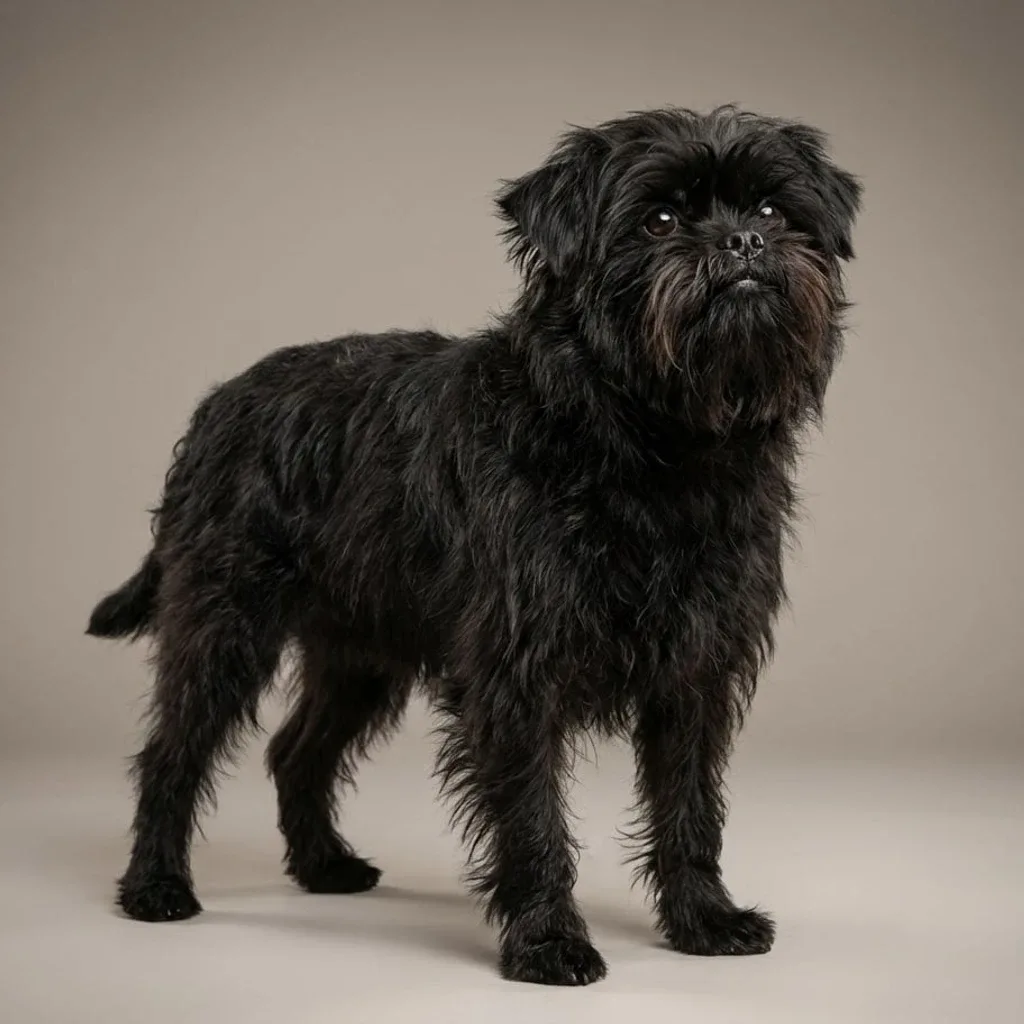
Affenpinscher
The Affenpinscher is a sturdy, monkey-like terrier-type toy breed known for its confidence and playful spirit. Despite its small size, it possesses a courageous heart and a loyal personality, making it a wonderful companion for Kiwi apartment dwellers or those with smaller sections.
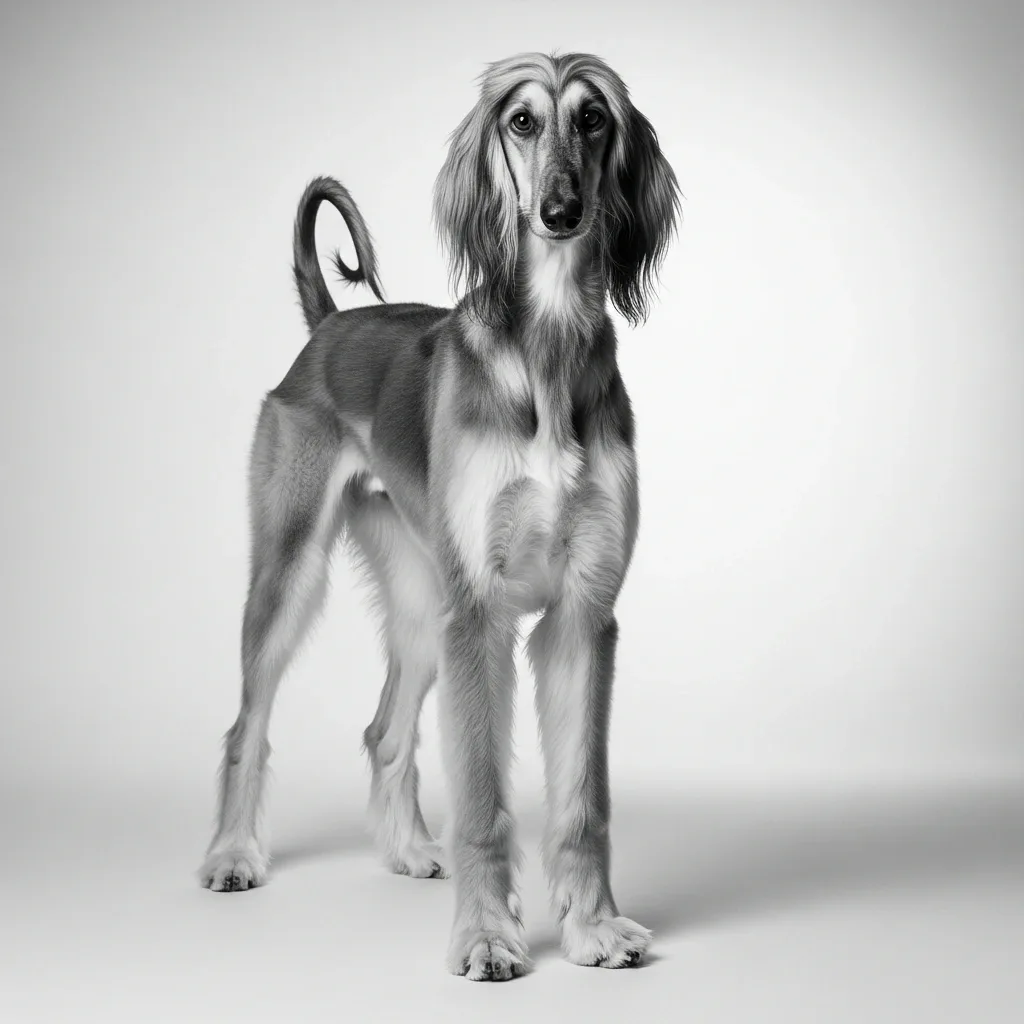
Afghan Hound
The Afghan Hound is an elegant aristocrat with a dignified and aloof personality. Known for its striking, silky coat, this breed is a high-maintenance beauty that requires ample space to run and an owner dedicated to its complex grooming needs.
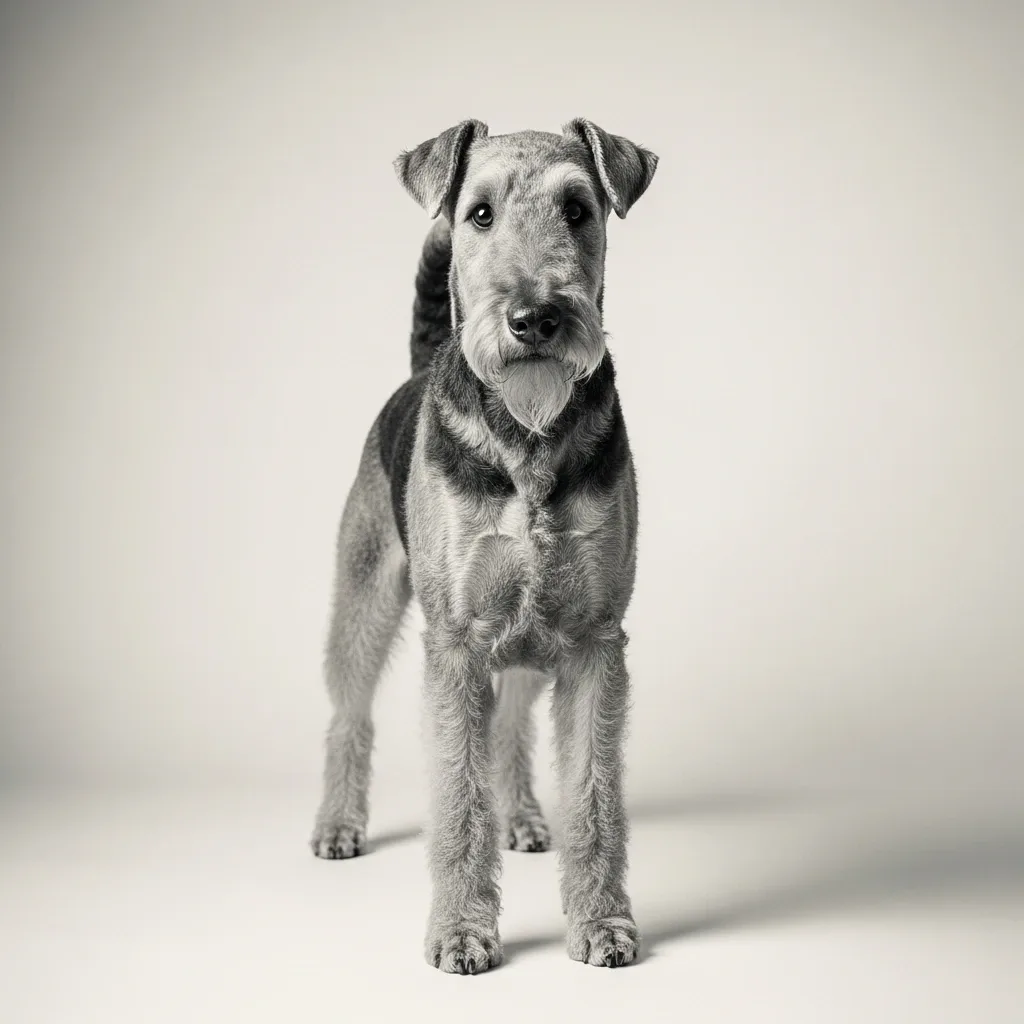
Airedale Terrier
The 'King of Terriers', the Airedale is the largest of all terrier breeds. They are brave, hardworking, and highly intelligent, making them excellent partners for active Kiwi families who love tramping and outdoor adventures.
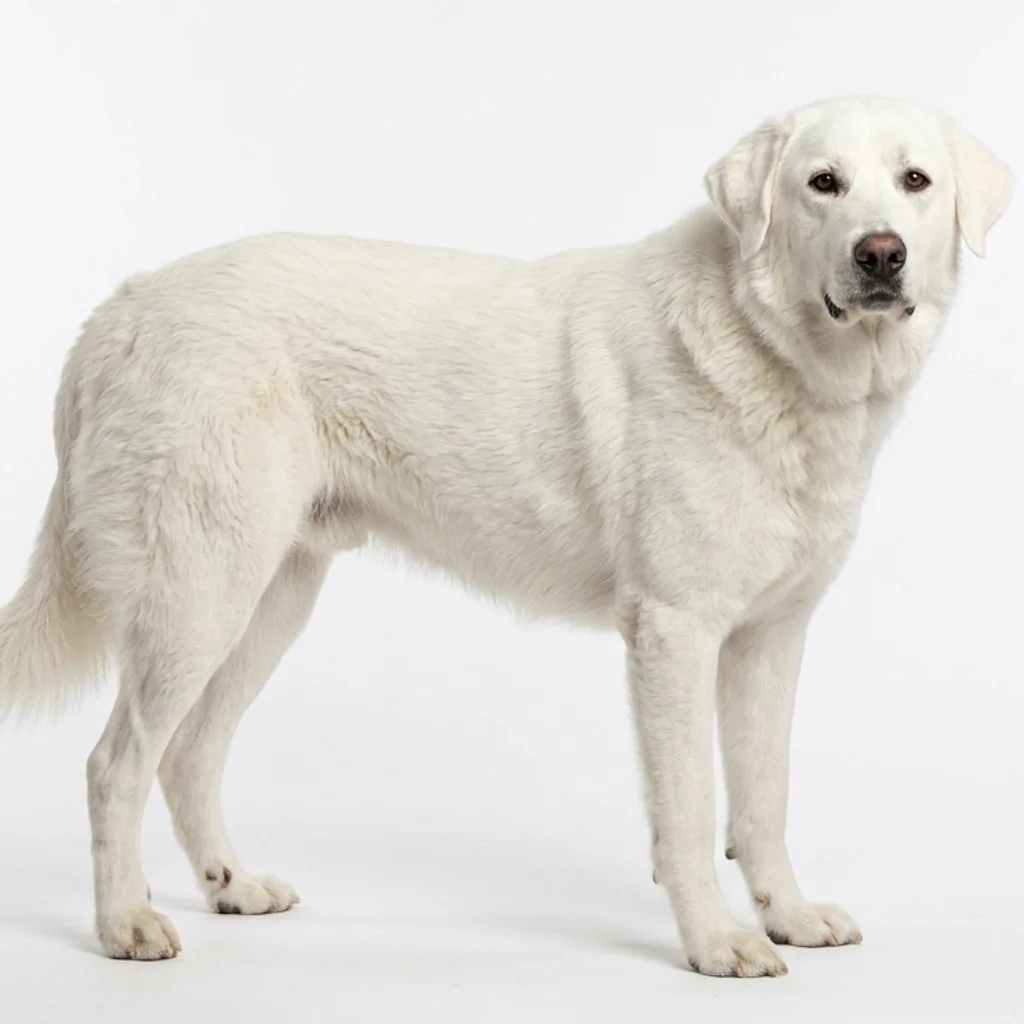
Akbash Dog
Originally a Turkish livestock guardian, the Akbash is a serious, protective, and independent breed. They are not suited for apartment living and thrive on large NZ lifestyle blocks where they can have a 'territory' to watch over.