Dog Breed Guide NZ
Affenpinscher
The Affenpinscher, often dubbed the "monkey dog" due to its distinctive facial features, is a sturdy, terrier-type toy breed packed with personality. Known for its confidence, alert nature, and playful spirit, this little dynamo possesses a courageous heart and unwavering loyalty despite its small stature. Originating as a ratter, it retains a feisty charm. For Kiwi pet parents, the Affenpinscher makes a wonderful companion, adapting beautifully to apartment living in cities like Auckland or homes with smaller sections across New Zealand, bringing joy and a touch of mischief to any household.
Photo Gallery
Breed Snapshot
- Size
- 3.2-4.5 kg
- Lifespan
- 12-15 years
- Origin
- Being enriched
- Temperament
- Confident, alert, playful, loyal, courageous
- NZ Price
- $2,500 - $4,000 NZD from registered breeders; $150-$350 NZD adoption via SPCA (when available)
- Annual Vet Cost
- Estimated annual vet costs for an Affenpinscher in New Zealand typically range from '$400 - $700 NZD' for routine check-ups, vaccinations, flea/worm treatments, and dental care. However, due to breed-specific health issues, these costs can increase. Affenpinschers are prone to patellar luxation (kneecap dislocation), which might require surgery costing '$2,000 - $5,000 NZD' per knee. They can also experience heart conditions like Patent Ductus Arteriosus (PDA), potentially requiring specialist care or surgery. Brachycephalic airway syndrome, though less severe than in flatter-faced breeds, can sometimes lead to breathing difficulties, especially in warmer weather, and may incur vet visits for management. Regular dental care is crucial to prevent periodontal disease, a common issue in small breeds, with professional cleanings costing '$300 - $800 NZD'. Owners should budget for potential higher costs if these conditions arise.
Personality Scores
NZ Lifestyle Fit
The Affenpinscher is an excellent fit for many New Zealand living situations. For those in Auckland apartments or city flats, their small size and moderate exercise needs make them ideal companions, thriving indoors as long as they get daily walks and mental engagement. They adapt well to homes with smaller sections, enjoying a secure outdoor space but preferring to be inside with their family. Rural New Zealand farms are generally not suitable; their small stature and terrier instincts could put them at risk with larger livestock or wildlife, and they lack the robust working dog attributes needed for such environments. Regarding climate, Affenpinschers are adaptable. In Auckland's humid summers, ensure they have access to shade and fresh water, and avoid strenuous exercise during peak heat. Their wiry coat offers some insulation, but in the South Island's cold winters, a warm dog coat for outdoor excursions is advisable. New Zealand's high UV index means light-skinned areas, like their nose, can be susceptible to sunburn, so consider sun protection during long outdoor periods. MPI (Ministry for Primary Industries) has no specific restrictions on the Affenpinscher breed, making them straightforward to own in NZ.
Origins & History
The Affenpinscher boasts a fascinating history, tracing its roots back to 17th-century Germany. Its name, derived from the German "Affe" (monkey) and "Pinscher" (terrier), perfectly encapsulates its unique appearance and spirited nature. These small, wiry-haired dogs were originally bred as ratters, tasked with keeping kitchens and stables free of vermin in Central European towns. Their fearless demeanour and agile build made them highly effective at this job. Over time, their charming personalities and distinctive looks caught the attention of the upper classes, leading to their refinement as companion dogs. While still retaining their terrier instincts, the Affenpinscher evolved into the beloved toy breed we know today, celebrated for its intelligence and affectionate disposition. Despite its long history, it remains a relatively rare breed globally, including here in Aotearoa.
Appearance
The Affenpinscher is a compact and sturdy toy dog, typically weighing between 3.2 and 4.5 kilograms and standing around 23-30 cm at the shoulder. Its most striking feature is undoubtedly its "monkey-like" face, characterised by large, dark, round eyes, a short muzzle, and a prominent chin beard and bushy eyebrows, often giving it a thoughtful or mischievous expression. The coat is dense, harsh, and wiry, about 2.5 cm long over the body, and shaggier on the head, chest, and legs. Common colours include black, grey, silver, red, black and tan, and belgian (a mix of red, brown, and black hairs), with black being the most traditional. Their gait is light and confident, reflecting their self-assured temperament.
Temperament & Personality
Beneath their charming, somewhat comical exterior, Affenpinschers possess a confident, alert, and often mischievous personality. They are known for their playful spirit, always ready for a game or an adventure. Despite their small size, they are incredibly courageous, often unaware of their stature when confronted with perceived threats, making them excellent little watchdogs. Loyalty is a hallmark of the breed; they form strong bonds with their families and thrive on companionship, often preferring to be close to their humans. While intelligent, they can also exhibit a stubborn streak, a remnant of their terrier heritage, which requires patient and consistent training. They are generally good with older, respectful children and can coexist peacefully with other pets if properly socialised from a young age. Their lively and curious nature ensures there's never a dull moment with an Affenpinscher around.
Life in New Zealand
The Affenpinscher is remarkably well-suited to various New Zealand lifestyles, particularly for those living in urban environments or with smaller outdoor spaces. Their compact size makes them ideal for apartment living in cities like Auckland or Wellington, provided they receive adequate daily exercise and mental stimulation. They thrive on being part of family activities and are not dogs to be left alone for extended periods. Their wiry coat offers some protection against cooler temperatures, making them adaptable to South Island winters, though a warm coat for walks is always a good idea. In humid Auckland summers, care should be taken to avoid overheating during the hottest parts of the day. Their alert nature makes them good little guardians, quick to bark at unfamiliar sounds, which can be a bonus for security but requires training to manage excessive noise. They enjoy exploring local parks and reserves, and their portable size makes them easy companions for trips to the bach or a cafe.
Is This the Right Breed for You?
An Affenpinscher could be your perfect companion if you're seeking a small, sturdy, and spirited dog with a big personality. They are ideal for individuals or families who can offer consistent companionship, enjoy playful interactions, and appreciate a dog with a strong, independent streak. Their moderate exercise needs fit well with daily walks around the neighbourhood or playtime in a secure backyard. However, potential owners should be prepared for their grooming requirements and the need for early socialisation and consistent positive reinforcement training to manage their terrier tendencies. They are not suited for homes where they would be left alone for long hours or for those seeking a highly biddable, always-obedient breed. If you're ready for a loyal, courageous, and endlessly entertaining little "monkey dog" to share your Kiwi lifestyle, the Affenpinscher might just be your perfect match.
Fun Facts
Fact 1
The Affenpinscher's name translates from German as 'monkey-like terrier', a perfect description of its distinctive facial features and spirited personality.
Fact 2
Despite their small size, Affenpinschers were originally bred in 17th-century Germany as fierce ratters, keeping kitchens and stables free of vermin.
Fact 3
They are often referred to as the 'monkey dog' or 'diablotin moustachu' (mustachioed little devil) in France, highlighting their mischievous charm.
Fact 4
The breed is known for its 'big dog' attitude in a small package, often fearless and unaware of its own diminutive stature.
Fact 5
Affenpinschers are relatively rare, even in New Zealand, making them a unique and special companion for those lucky enough to own one.
Related Breeds
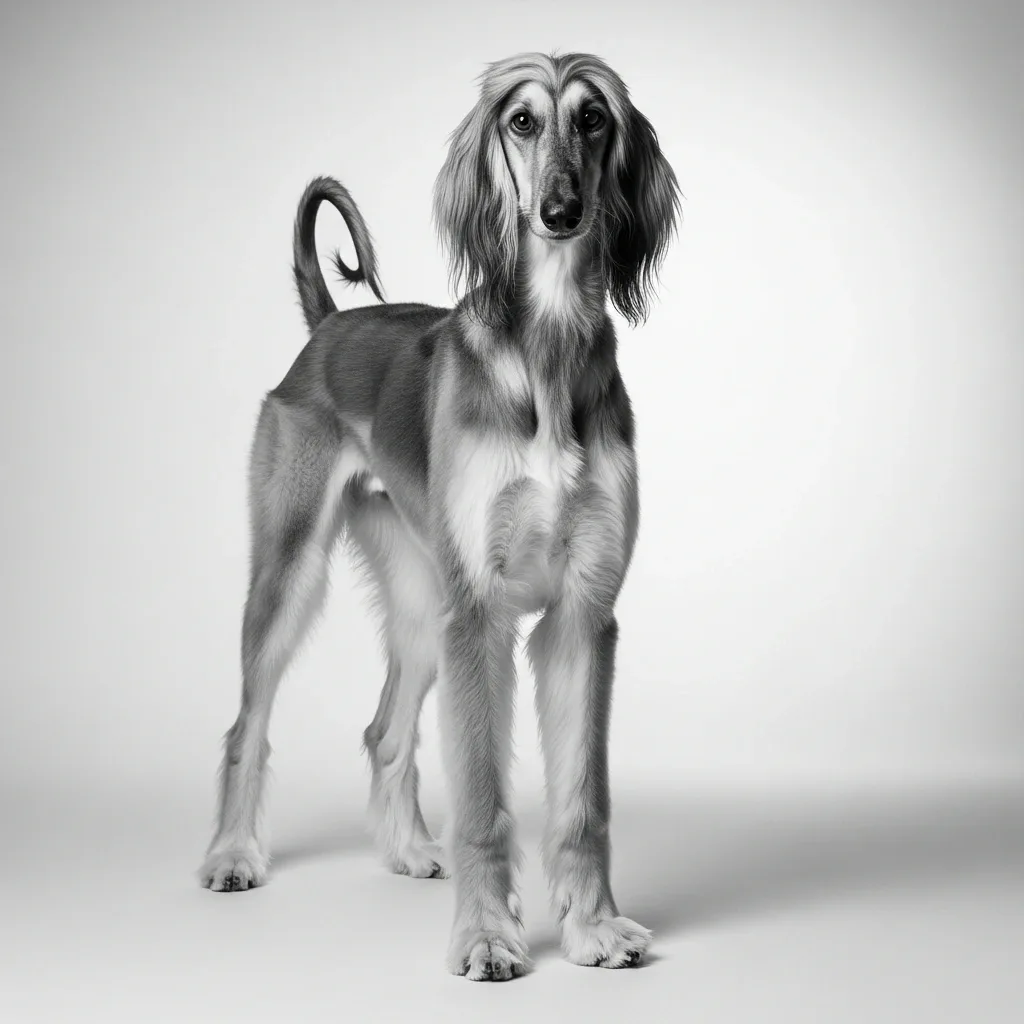
Afghan Hound
The Afghan Hound is an elegant aristocrat with a dignified and aloof personality. Known for its striking, silky coat, this breed is a high-maintenance beauty that requires ample space to run and an owner dedicated to its complex grooming needs.
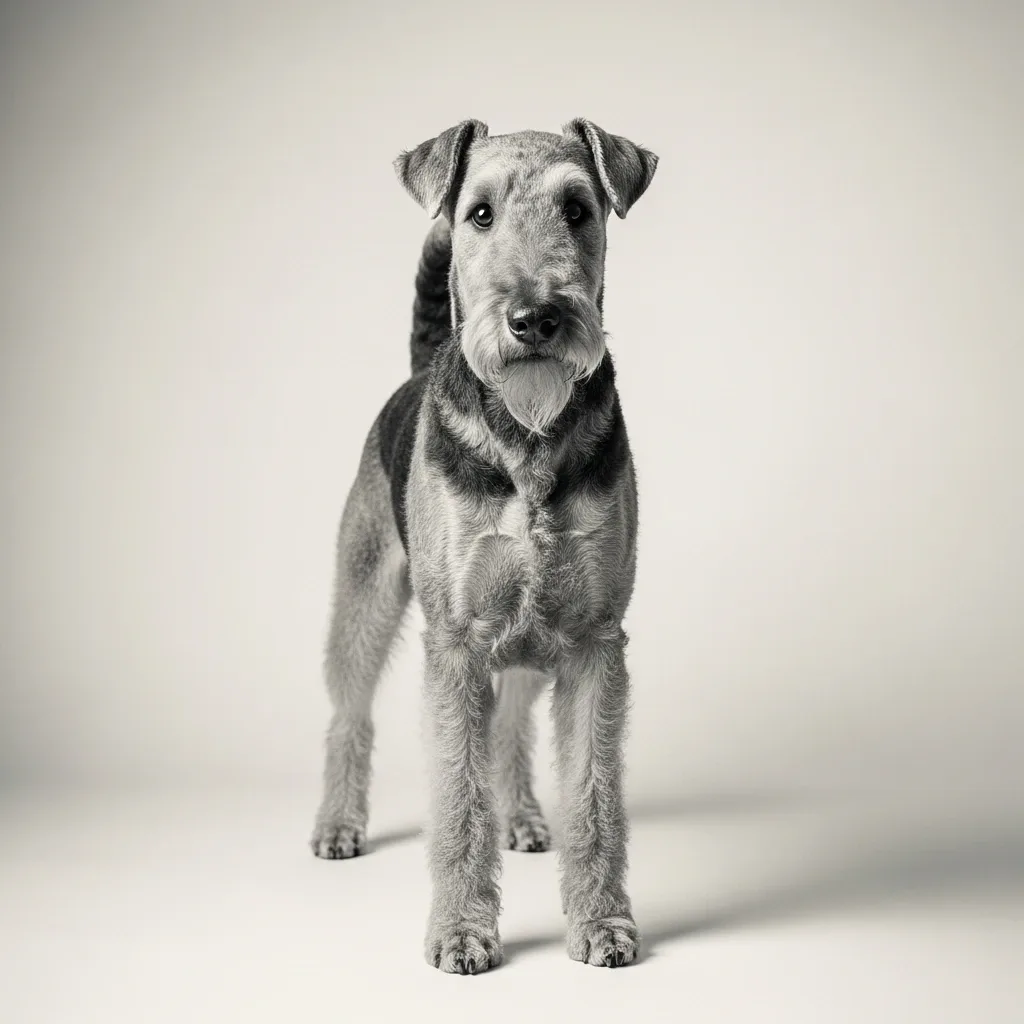
Airedale Terrier
The 'King of Terriers', the Airedale is the largest of all terrier breeds. They are brave, hardworking, and highly intelligent, making them excellent partners for active Kiwi families who love tramping and outdoor adventures.
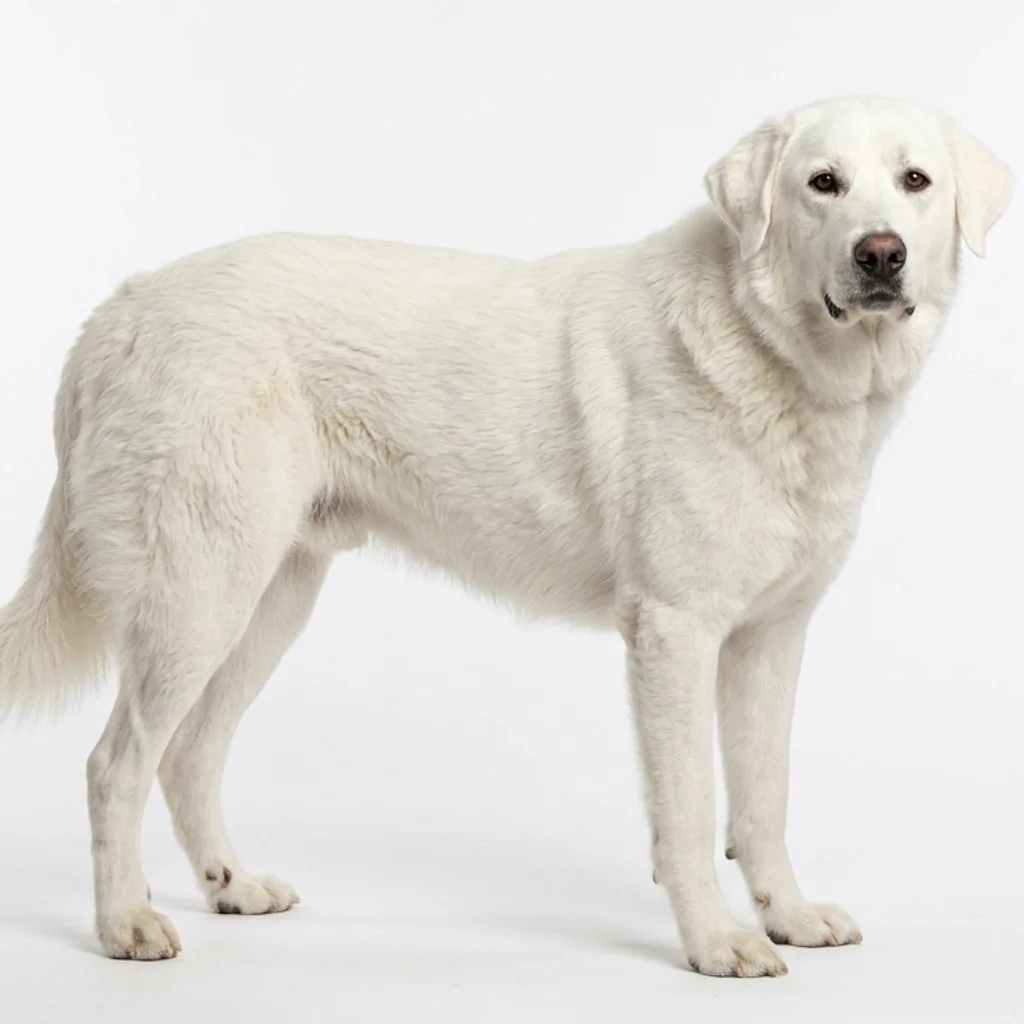
Akbash Dog
Originally a Turkish livestock guardian, the Akbash is a serious, protective, and independent breed. They are not suited for apartment living and thrive on large NZ lifestyle blocks where they can have a 'territory' to watch over.
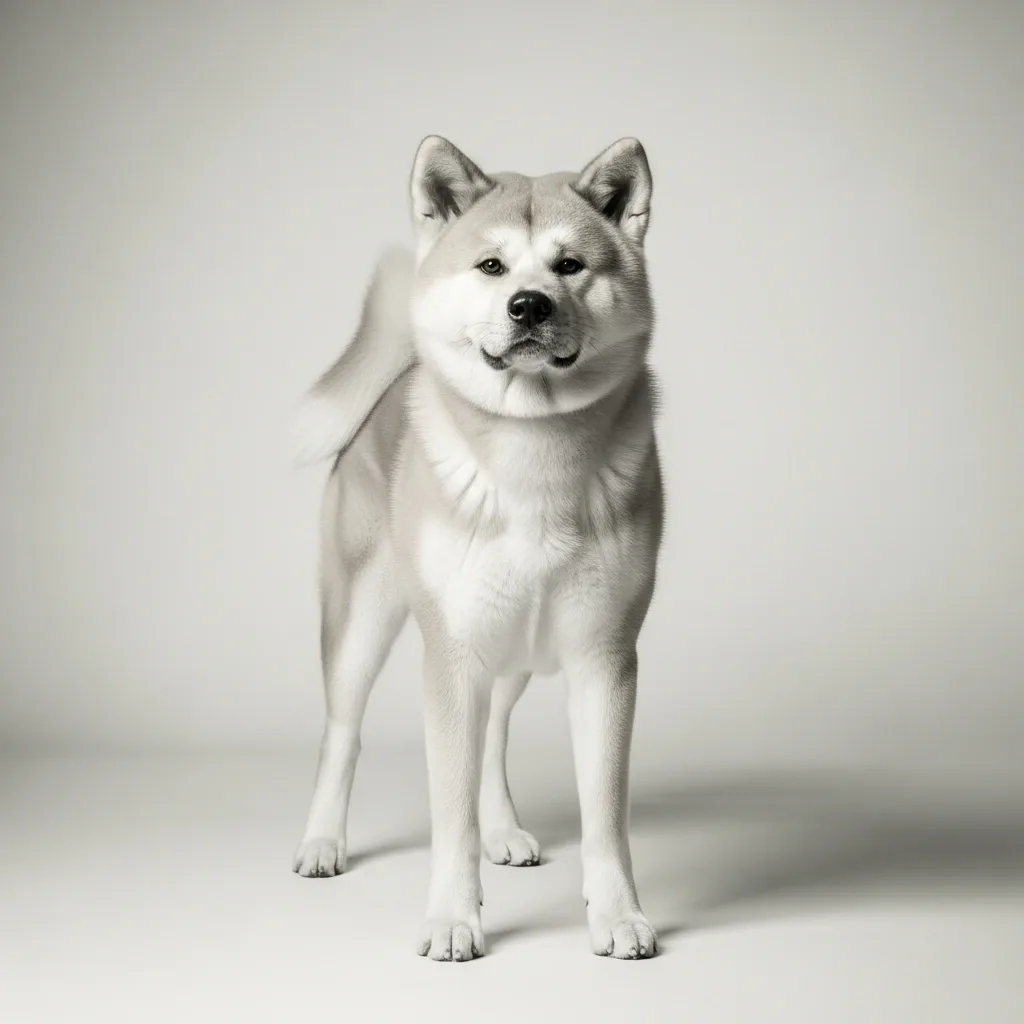
Akita
Akitas are powerful, dignified dogs with a strong protective instinct. Originally from Japan, they are fiercely loyal to their owners but can be reserved with strangers. They are heavy shedders and require a dedicated owner who understands their strong personality.