Dog Breed Guide NZ
Afghan Hound
The Afghan Hound, an elegant aristocrat, captivates with its striking, silky coat and dignified, aloof personality. This ancient sighthound, known for its independent spirit and regal bearing, is a high-maintenance beauty requiring a dedicated owner. Originating from the mountains of Afghanistan, they possess a unique blend of grace and athleticism. While their stunning appearance is undeniable, prospective Kiwi owners must be prepared for their complex grooming needs and their requirement for ample space to run. For the right New Zealand household with a large, securely fenced section and a commitment to consistent care, the Afghan Hound can be a loyal and magnificent companion, adding a touch of exotic grandeur to the home.
Photo Gallery
Breed Snapshot
- Size
- Male: 25-30 kg; Female: 20-25 kg
- Lifespan
- 12-15 years
- Origin
- Being enriched
- Temperament
- Independent, dignified, aloof, loyal, confident
- NZ Price
- $2,000 - $4,500 NZD from registered breeders; $150-$350 NZD adoption via SPCA (if available)
- Annual Vet Cost
- Estimated annual vet costs for an Afghan Hound in NZ can range from $800 - $1,500 NZD, excluding emergency care. This includes routine check-ups, vaccinations, flea/worm treatments, and potential breed-specific health screenings. Common health issues for Afghan Hounds include hip and elbow dysplasia, bloat (gastric torsion), hypothyroidism, certain eye conditions (e.g., cataracts, progressive retinal atrophy), and sensitivity to anaesthesia. Regular screening for these conditions, especially as they age, can contribute to the higher end of the cost estimate. Pet insurance is highly recommended to help manage unexpected health expenses.
Personality Scores
NZ Lifestyle Fit
The Afghan Hound's suitability for different New Zealand living situations varies significantly. They are **not recommended for apartment living**, even in cities like Auckland, due to their size and profound need for ample space to run and stretch their legs. A house with a large, securely fenced section is essential. Their high prey drive means off-leash exercise must be in very secure areas, making urban parks without robust fencing unsuitable. Rural NZ farms could be ideal, provided they are kept safely contained and their sighthound instincts are managed to prevent chasing livestock. Auckland's humid summers can make their long coat prone to matting and overheating, requiring diligent grooming and cooling measures. South Island's cold winters are generally well-tolerated due to their thick coat, but shelter from extreme weather is still necessary. New Zealand's high UV index necessitates consideration for their skin, especially if their coat is ever clipped short. There are no specific MPI restrictions on Afghan Hounds, but all general dog ownership regulations apply.
Origins & History
The Afghan Hound is one of the oldest dog breeds, with a history stretching back thousands of years to the ancient mountains and deserts of Afghanistan, Pakistan, and India. Believed to be among the earliest sighthound types, their original purpose was hunting large game, including leopards and gazelles, across rugged terrain. Their exceptional speed, agility, and keen eyesight were invaluable for tracking and bringing down prey. Evidence of their existence can be found in ancient Egyptian tombs and Afghan caves, with early depictions resembling the breed we know today. They were highly prized by nomadic tribes, often living within family encampments, which contributed to their dignified yet somewhat independent nature. The breed was largely unknown outside its native lands until the early 20th century when it was introduced to the Western world, quickly gaining admiration for its exotic beauty and regal presence.
Appearance
The Afghan Hound is instantly recognisable by its distinctive, long, silky coat and proud, aristocratic bearing. Males typically stand between 68-74 cm at the shoulder and weigh 25-30 kg, while females are slightly smaller at 63-69 cm and 20-25 kg. Their most striking feature is their flowing coat, which covers their entire body, including their legs and ears, often reaching the ground. The coat comes in a wide variety of colours and patterns. Beneath the luxurious hair lies a lean, muscular body built for speed and endurance, characteristic of a sighthound. They possess a high hip bone structure, large paws, and a distinctive 'ring' tail. Their expressive, almond-shaped eyes and long, pendulous ears framed by silky hair complete their elegant profile.
Temperament & Personality
True to their ancient heritage, Afghan Hounds are known for their independent, dignified, and often aloof personality. They are not typically demonstrative dogs, preferring to bestow affection on their own terms. While they can be reserved with strangers, they form deep, loyal bonds with their immediate family. Their intelligence is undeniable, but it often comes with a stubborn streak, making training a unique challenge that requires patience, consistency, and positive reinforcement. They possess a confident and sometimes mischievous nature, often described as having a 'cat-like' independence. Despite their regal appearance, they are playful and can be quite clownish in the comfort of their home. They thrive in environments where they feel secure and respected, and their sensitivity means they do not respond well to harsh training methods.
Life in New Zealand
Bringing an Afghan Hound into a New Zealand home requires careful consideration of their specific needs. Their requirement for ample space to run means a large, securely fenced section is paramount, as their strong sighthound prey drive makes off-leash adventures in unfenced areas risky. The Kiwi lifestyle, with its emphasis on outdoor activities, can suit an Afghan Hound well, provided their exercise needs are met in safe environments. Their luxurious coat demands significant grooming, which can be a time commitment, especially with New Zealand's varied climate. They are not typically suited to apartment living or small urban flats. Owners need to be prepared for their independent nature, which means they might not be the most obedient dog at the local park, but their loyalty to their family is unwavering. Regular socialisation from a young age is crucial for them to adapt well to various situations and people they might encounter across Aotearoa.
Is This the Right Breed for You?
The Afghan Hound is not a breed for the faint of heart or the first-time dog owner. They demand a significant commitment in terms of time, effort, and resources. If you are captivated by their stunning looks and are prepared for the extensive grooming required to maintain their silky coat, then you're halfway there. However, their independent and sometimes stubborn temperament means they require an owner with patience, a good sense of humour, and a firm but gentle hand in training. They need a home with a large, securely fenced outdoor area where they can stretch their legs and satisfy their instinct to run. They thrive with owners who understand and appreciate their unique, aristocratic personality and are willing to invest in their physical and mental well-being. If you're looking for an always-obedient, highly biddable companion, this might not be the breed for you. But if you desire a magnificent, loyal, and somewhat enigmatic companion who will undoubtedly turn heads wherever you go, and you can provide the dedication they deserve, an Afghan Hound could be a wonderful addition to your Kiwi whānau.
Fun Facts
Fact 1
Afghan Hounds are one of the oldest dog breeds, with their lineage tracing back thousands of years.
Fact 2
They were originally bred to hunt large game, including leopards, in the mountains of Afghanistan.
Fact 3
Despite their regal appearance, they are often described as having a 'cat-like' independence and can be quite mischievous.
Fact 4
Their unique hip structure and large paws allow them to navigate rugged terrain with incredible agility.
Fact 5
The Afghan Hound was one of the first breeds to be recognised by the NZKC (New Zealand Kennel Club) when it was formed.
Related Breeds
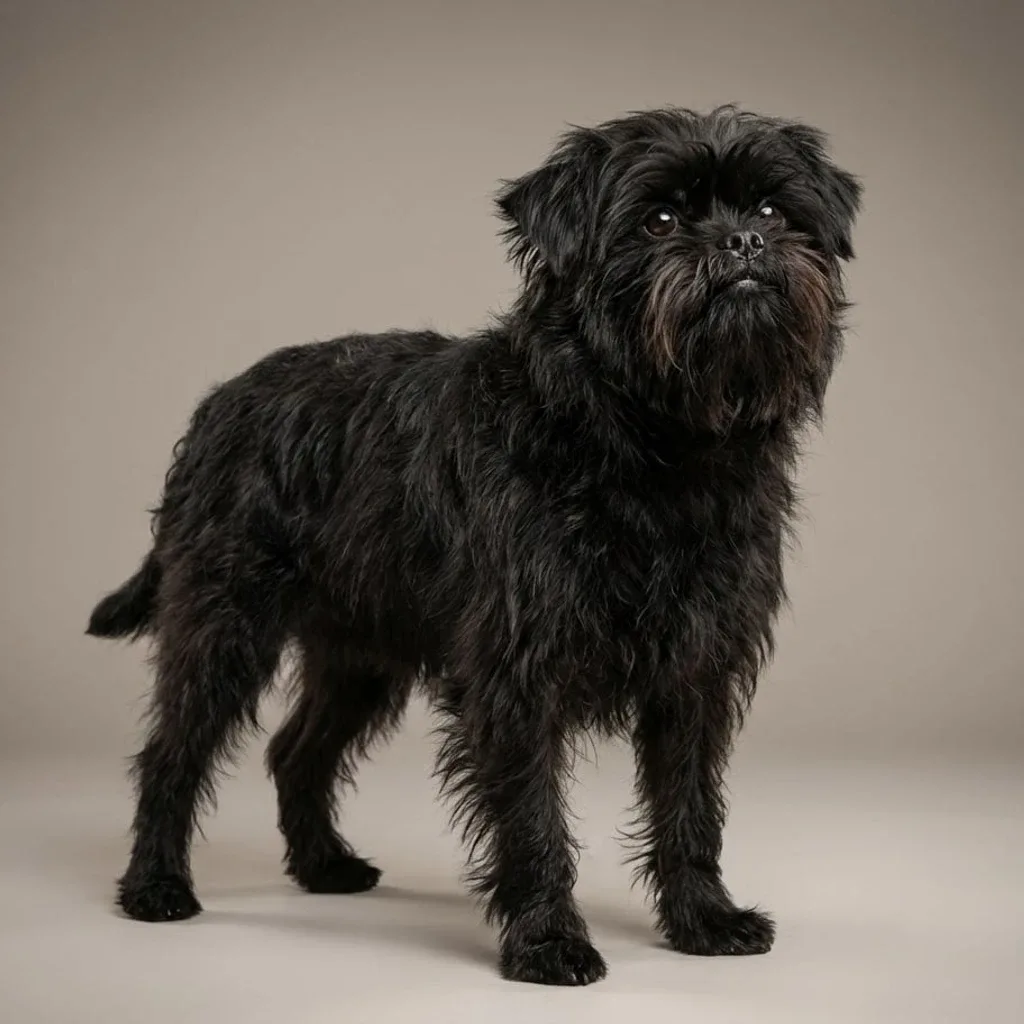
Affenpinscher
The Affenpinscher is a sturdy, monkey-like terrier-type toy breed known for its confidence and playful spirit. Despite its small size, it possesses a courageous heart and a loyal personality, making it a wonderful companion for Kiwi apartment dwellers or those with smaller sections.
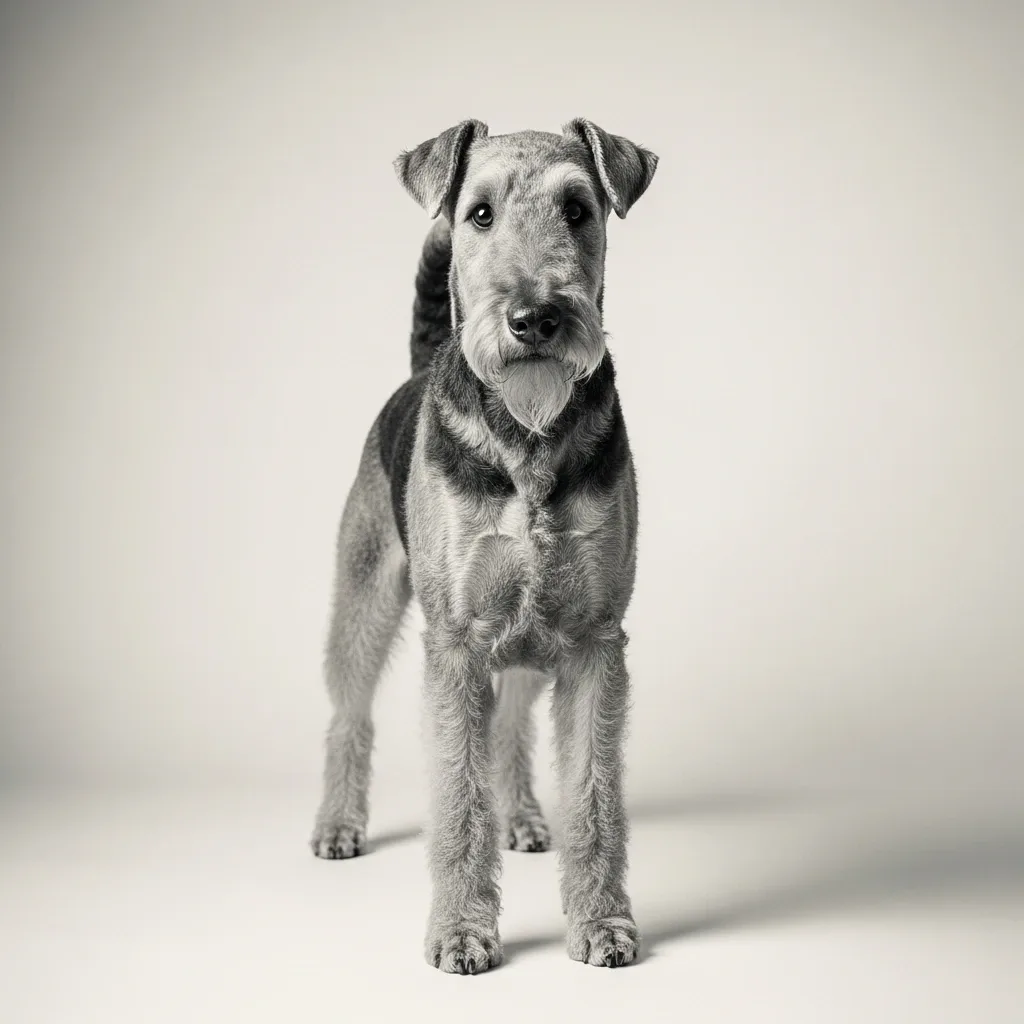
Airedale Terrier
The 'King of Terriers', the Airedale is the largest of all terrier breeds. They are brave, hardworking, and highly intelligent, making them excellent partners for active Kiwi families who love tramping and outdoor adventures.
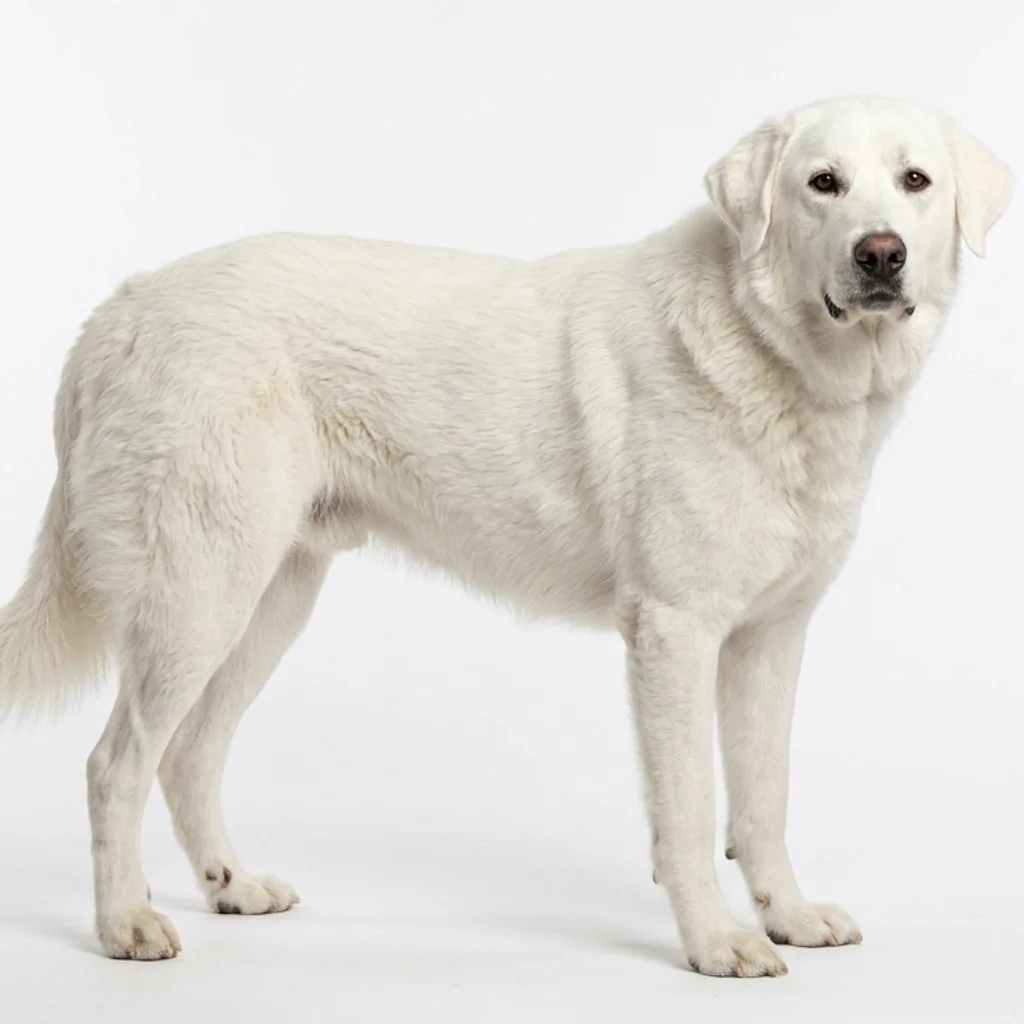
Akbash Dog
Originally a Turkish livestock guardian, the Akbash is a serious, protective, and independent breed. They are not suited for apartment living and thrive on large NZ lifestyle blocks where they can have a 'territory' to watch over.
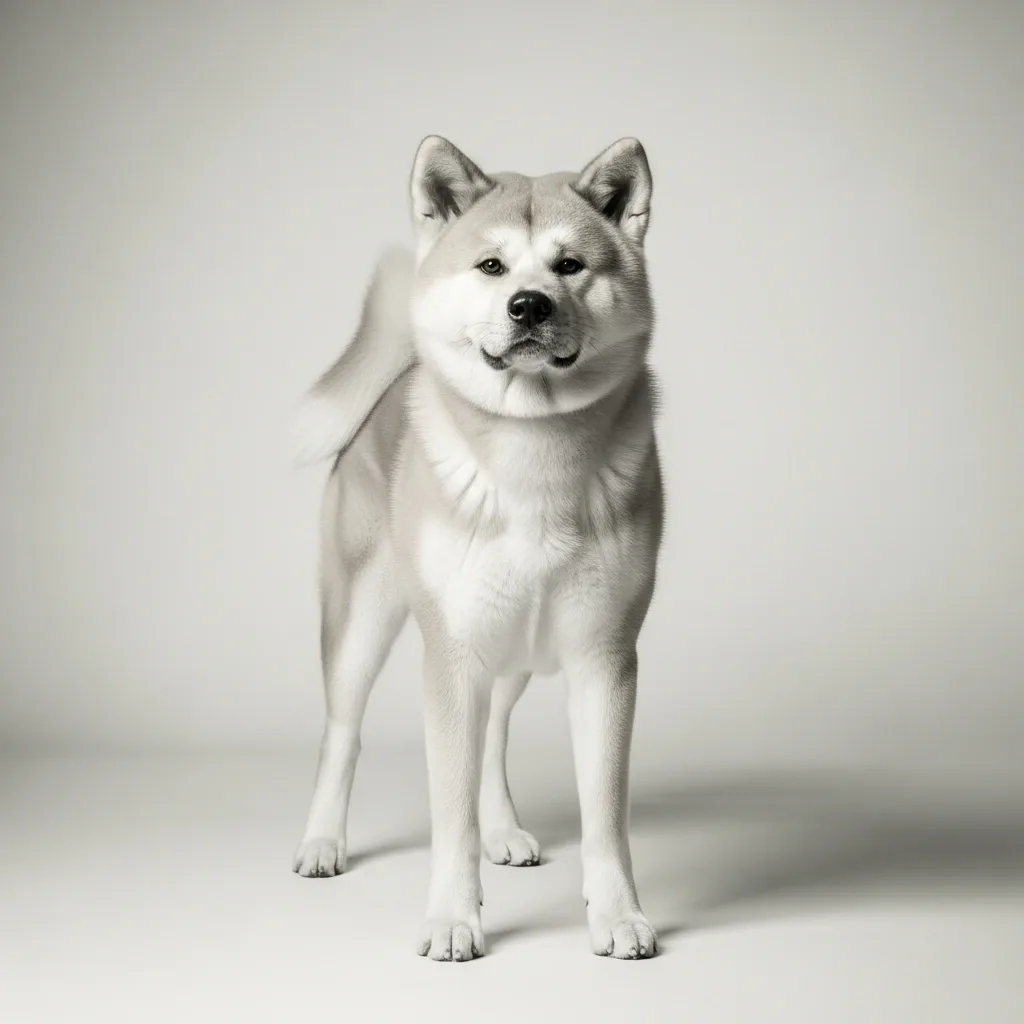
Akita
Akitas are powerful, dignified dogs with a strong protective instinct. Originally from Japan, they are fiercely loyal to their owners but can be reserved with strangers. They are heavy shedders and require a dedicated owner who understands their strong personality.