Dog Breed Guide NZ
Akbash Dog
Hailing from Turkey, the Akbash Dog is a formidable and independent livestock guardian, purpose-bred to protect flocks from predators. Unlike many companion breeds, their serious and watchful nature means they thrive when given a 'territory' to oversee. This isn't a breed for a small city section; they require vast, secure spaces where their natural instincts can flourish. In New Zealand, the Akbash finds its ideal home on large lifestyle blocks or rural farms, where their protective loyalty makes them an invaluable asset for property and livestock guardianship. Their calm yet vigilant presence is perfectly suited to the wide-open spaces of Aotearoa, offering peace of mind to their Kiwi owners.
Photo Gallery
Breed Snapshot
- Size
- 34-64 kg
- Lifespan
- 10-11 years
- Origin
- Being enriched
- Temperament
- The Akbash Dog is a calm, quiet and steady livestock guardian with an independent working mind. It tends to be protective of its flock, property and family rather than casually sociable with strangers, so early handling and secure boundaries matter.
- NZ Price
- $1,500 - $3,500 NZD from registered breeders (if available, as they are less common); $150-$350 NZD adoption via SPCA (rarely available for this specific breed).
- Annual Vet Cost
- Estimated annual vet costs for an Akbash Dog in NZ range from $800 - $1,500+ NZD. This includes routine check-ups, vaccinations, flea and worm treatments. However, as a large breed, they are prone to conditions like hip and elbow dysplasia, bloat (gastric dilatation-volvulus), and certain eye conditions. Diagnostic tests, medications, or surgeries for these issues can significantly increase costs, potentially reaching several thousands of dollars in a given year. Pet insurance is highly recommended for this breed.
Personality Scores
NZ Lifestyle Fit
The Akbash Dog's suitability for various New Zealand living situations is quite specific. An apartment in Auckland is entirely unsuitable; their large size, high exercise needs, and territorial barking would lead to significant stress for both dog and owner. Even a house with a modest section in a suburban area would be challenging; they require extensive, securely fenced outdoor space to patrol and thrive. Their natural guarding instincts mean they need a 'job' and a large territory to oversee. Rural New Zealand farms or large lifestyle blocks are where the Akbash truly shines. Here, they have the space to roam, patrol, and fulfil their innate purpose, whether guarding livestock or simply the property. Their dense double coat handles the South Island's cold winters remarkably well, but owners must ensure adequate shade and fresh water during Auckland's humid summers and high UV periods. While there are no specific MPI restrictions on owning an Akbash Dog within New Zealand, responsible ownership, including secure containment and proper training, is paramount due to their protective nature.
Origins & History
The Akbash Dog's lineage stretches back thousands of years to the plains of Turkey, where it was developed as a dedicated livestock guardian. Its primary role was to protect sheep and goats from predators such as wolves and bears, often working independently and making its own decisions in the field. The breed's distinctive white coat wasn't just for aesthetics; it served as camouflage, allowing the Akbash to blend seamlessly with its flock, making it difficult for predators to distinguish between dog and sheep. This ancient heritage has deeply ingrained a strong protective instinct and an independent spirit into the breed's very core, shaping its temperament and needs even today. Unlike herding dogs that gather livestock, the Akbash's method is to deter threats through its imposing presence and, if necessary, direct confrontation.
Appearance
The Akbash Dog is a large, powerful, and athletic breed, exuding an air of quiet dignity. Males typically stand between 71-86 cm at the shoulder and weigh 41-64 kg, while females are slightly smaller. Their most striking feature is their dense, white double coat, which can be either medium or long in length. This coat provides excellent insulation against both cold and heat, a testament to its origins in varied climates. Beneath the coat, they possess a muscular yet agile build, allowing for both endurance and bursts of speed when needed. Their head is broad with a strong muzzle, and their V-shaped ears are typically dropped. The tail is usually carried low but can curl over the back when alert, often with a slight plume. Their overall appearance is one of strength, elegance, and alertness.
Temperament & Personality
The Akbash possesses a unique temperament, characteristic of a true livestock guardian. They are serious, intelligent, and fiercely protective of their family and territory. While deeply loyal and affectionate with their immediate human family, they are typically reserved and wary of strangers. This isn't a breed that will enthusiastically greet every visitor; rather, they will observe and assess, often placing themselves between their family and perceived threats. Their independence means they are not overly eager to please and can be strong-willed, requiring a confident and consistent owner. They are generally calm and quiet when everything is in order but can be incredibly vigilant and vocal when sensing danger. Early and extensive socialisation is crucial to ensure they are well-adjusted and can differentiate between a genuine threat and a harmless visitor.
Life in New Zealand
For the Akbash Dog, life in New Zealand offers an ideal environment, provided the right conditions are met. Their inherent need for a 'territory' to patrol makes them perfectly suited to the large sections, lifestyle blocks, or rural farms that are common across Aotearoa. They excel when given a job to do, whether it's guarding livestock or simply overseeing a large property. Their thick double coat is well-equipped for the South Island's colder winters, while ample shade and water are essential during the humid Auckland summers. However, it's vital that their property is securely fenced, as their protective instincts can lead them to expand their patrol boundaries if not contained. They are not suited for urban living or small suburban backyards; their mental and physical well-being depends on having space to roam and a purpose to fulfil. For the right Kiwi owner, an Akbash can be a devoted and effective guardian.
Is This the Right Breed for You?
Adopting an Akbash Dog is a significant commitment, and they are certainly not a breed for everyone. They are best suited for experienced dog owners who understand the unique traits of a livestock guardian breed. Ideal owners will live in a rural or semi-rural setting with a large, securely fenced property where the Akbash can fulfil its natural guarding instincts. They require consistent, patient training and extensive socialisation from a young age to channel their independence and protective nature appropriately. If you're looking for a highly obedient, constantly playful, or universally friendly dog, the Akbash is likely not the right choice. However, if you seek a loyal, intelligent, and dedicated guardian for your family and property, and you can provide the space, training, and understanding this magnificent breed requires, an Akbash can be an incredibly rewarding companion in the New Zealand landscape.
Fun Facts
Fact 1
The Akbash Dog's white coat helps it blend in with sheep, making it difficult for predators to distinguish between dog and flock.
Fact 2
They are one of the oldest known livestock guardian breeds, with a history spanning thousands of years in Turkey.
Fact 3
The name 'Akbash' literally translates to 'white head' in Turkish, referring to their distinctive coat colour.
Fact 4
Akbash Dogs are known for their exceptional eyesight and hearing, crucial traits for detecting distant threats.
Fact 5
Unlike many dog breeds, the Akbash is often nocturnal, a trait inherited from its guardian role of protecting flocks at night.
Related Breeds
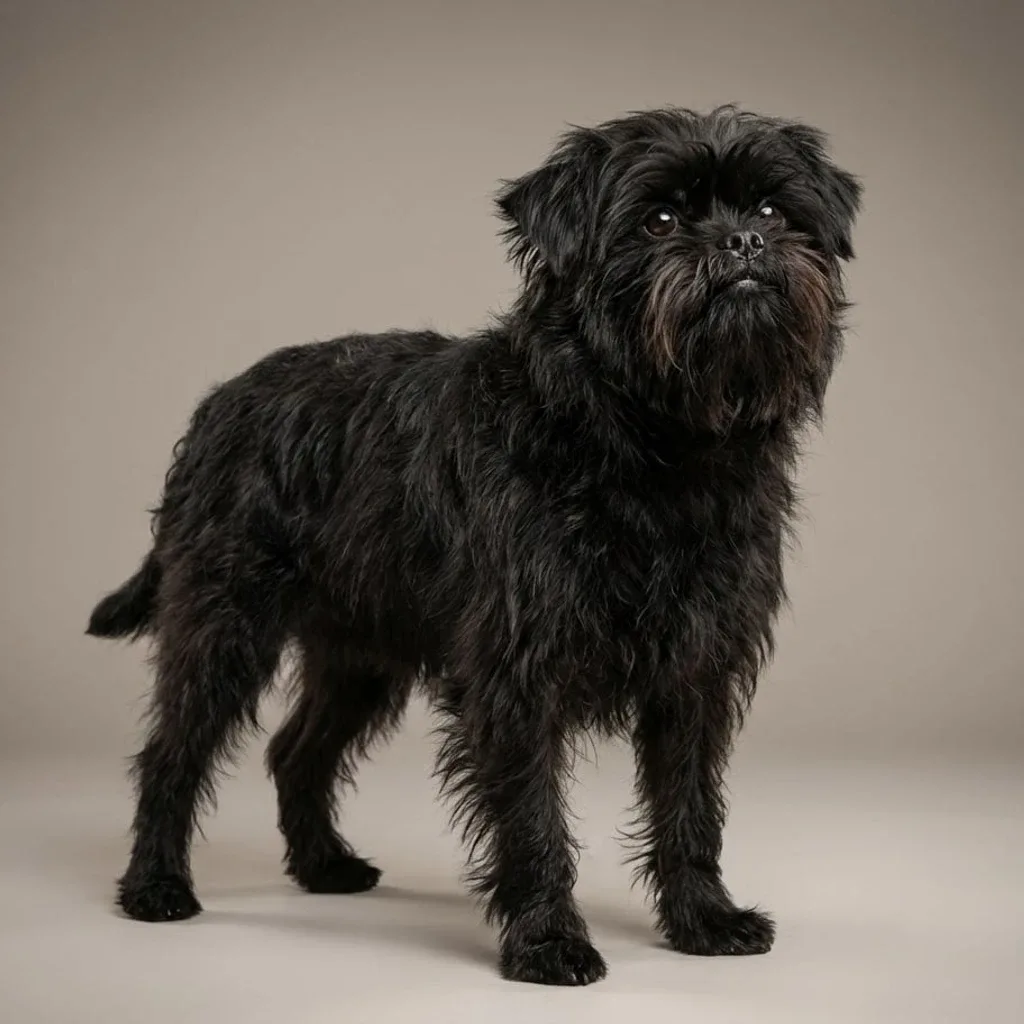
Affenpinscher
The Affenpinscher is a sturdy, monkey-like terrier-type toy breed known for its confidence and playful spirit. Despite its small size, it possesses a courageous heart and a loyal personality, making it a wonderful companion for Kiwi apartment dwellers or those with smaller sections.
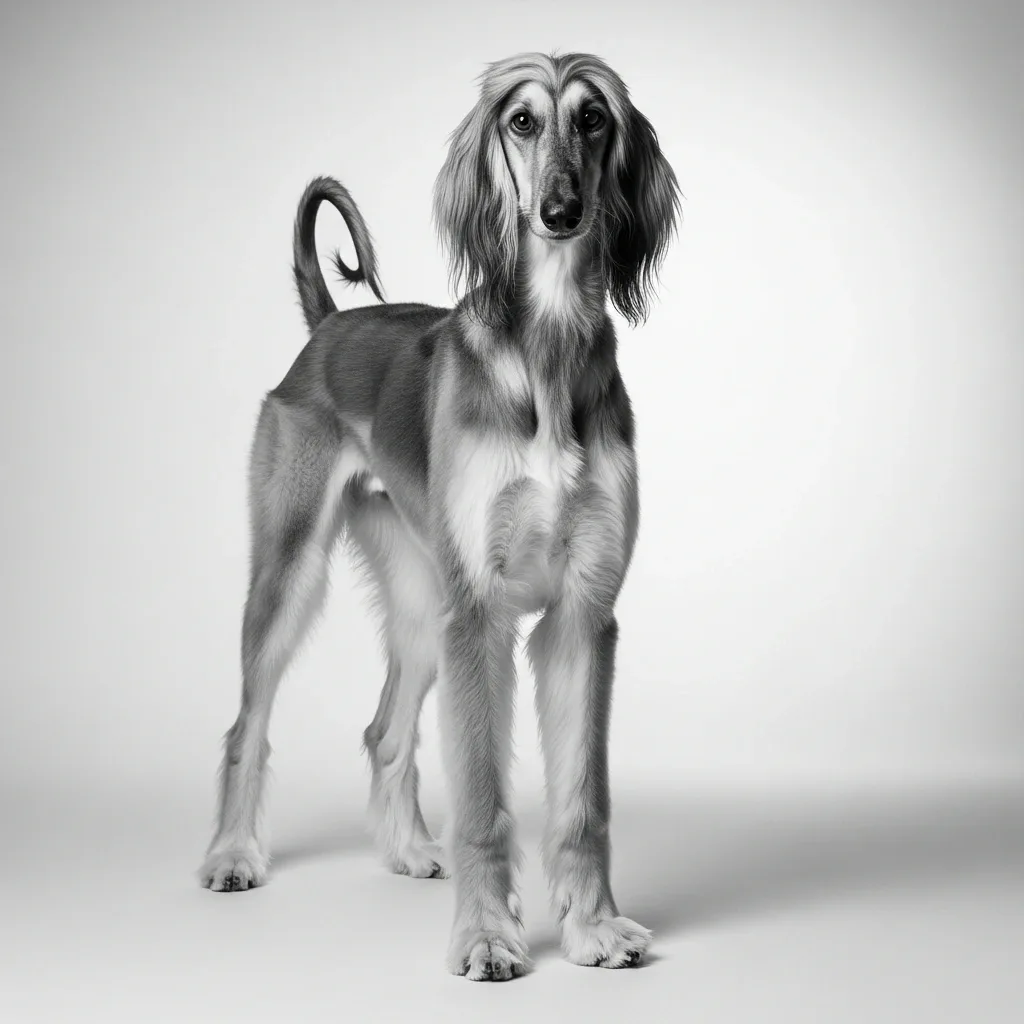
Afghan Hound
The Afghan Hound is an elegant aristocrat with a dignified and aloof personality. Known for its striking, silky coat, this breed is a high-maintenance beauty that requires ample space to run and an owner dedicated to its complex grooming needs.
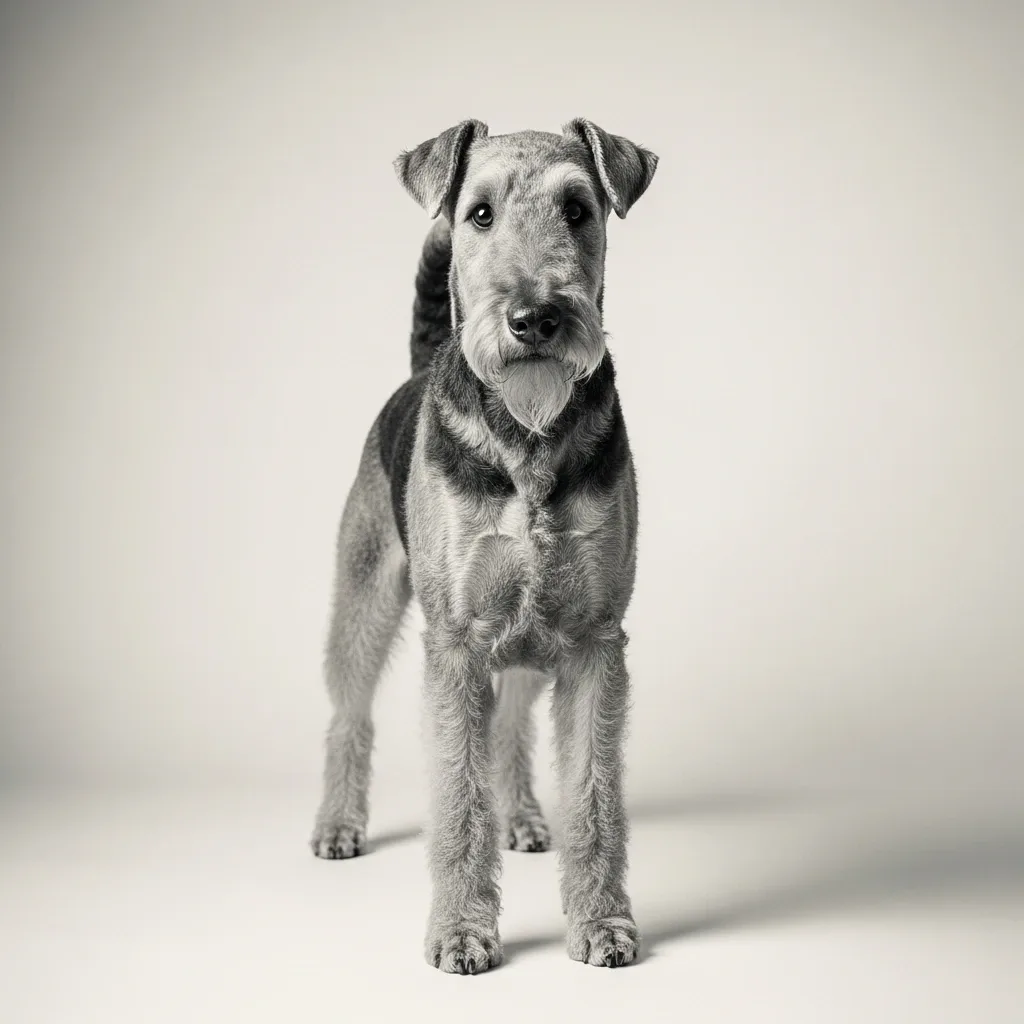
Airedale Terrier
The 'King of Terriers', the Airedale is the largest of all terrier breeds. They are brave, hardworking, and highly intelligent, making them excellent partners for active Kiwi families who love tramping and outdoor adventures.
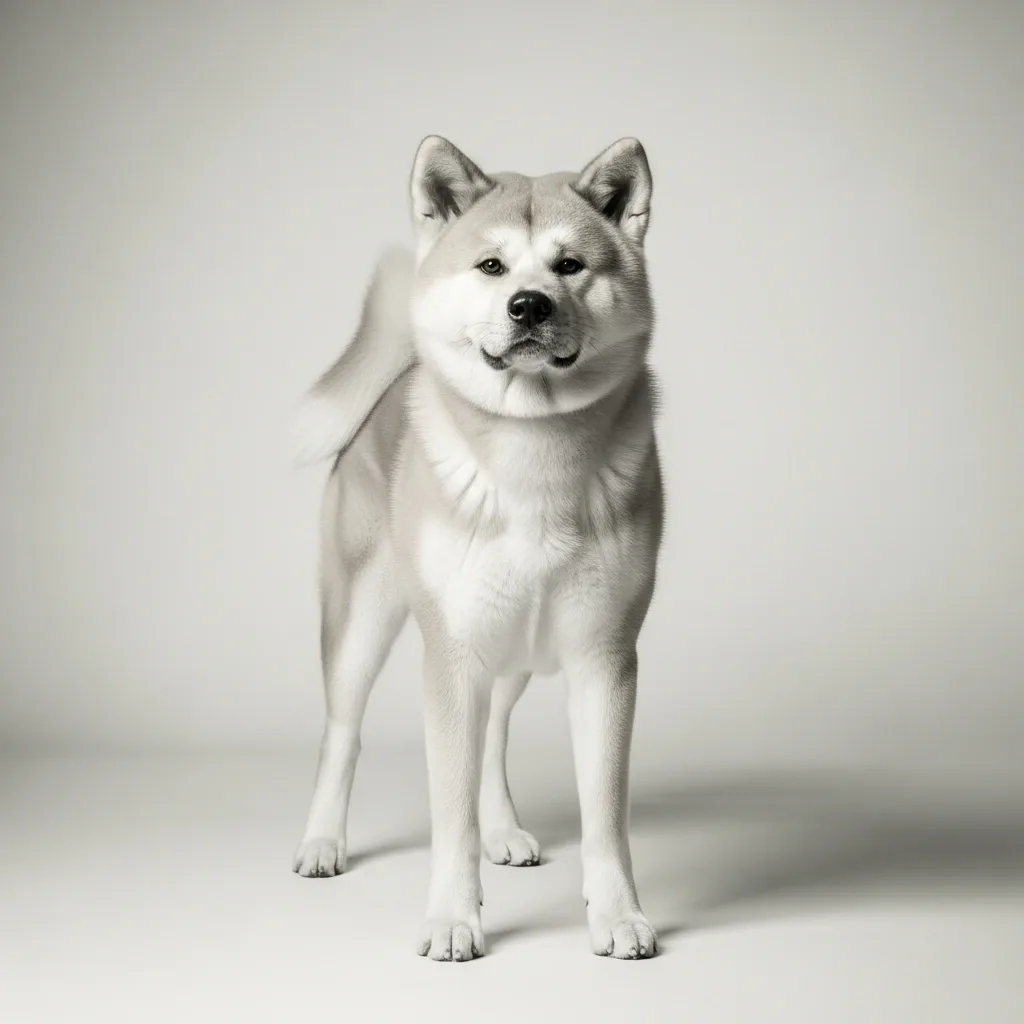
Akita
Akitas are powerful, dignified dogs with a strong protective instinct. Originally from Japan, they are fiercely loyal to their owners but can be reserved with strangers. They are heavy shedders and require a dedicated owner who understands their strong personality.