Dog Breed Guide NZ
Akita
The Akita is a majestic and powerful dog, renowned for its profound loyalty and dignified presence. Originating from Japan, these intelligent canines possess a strong protective instinct, making them fiercely devoted companions to their families. While they can be reserved with strangers, their courage and alertness are undeniable. Akitas are heavy shedders and require consistent grooming, along with dedicated training and socialisation from an early age. For the right Kiwi owner who understands their independent spirit and provides a secure, spacious environment, an Akita can be a truly rewarding and unwavering family member, thriving in homes with experienced dog handlers.
Photo Gallery
Breed Snapshot
- Size
- Male: 45-59 kg; Female: 32-45 kg
- Lifespan
- 10-13 years
- Origin
- Being enriched
- Temperament
- Courageous, loyal, dignified, independent, protective, alert
- NZ Price
- $1,800 - $4,000 NZD from registered breeders; $150-$350 NZD adoption via SPCA
- Annual Vet Cost
- Estimated annual vet costs for an Akita in NZ range from $800 - $1,500 NZD, excluding major surgeries. This includes routine check-ups, vaccinations, flea/worm treatments, and dental care. However, due to breed-specific health issues like hip and elbow dysplasia, bloat, autoimmune thyroiditis, and progressive retinal atrophy, costs could significantly increase if these conditions arise. Specialist consultations, diagnostic tests, and potential surgeries for these issues can easily add thousands of dollars to annual expenses.
Personality Scores
NZ Lifestyle Fit
The Akita's suitability for different New Zealand living situations varies significantly. An apartment in Auckland, while possible for a highly dedicated owner, is generally not ideal due to their size, exercise needs, and heavy shedding. Auckland's humid summers can also be uncomfortable for their thick double coat, requiring careful management to prevent overheating. A house with a secure, well-fenced section is far more suitable, allowing them space to exercise and patrol. Secure fencing is paramount, as their protective instincts and prey drive mean they can be escape artists or chase small animals. In rural NZ farm settings, an Akita's strong prey drive could pose a risk to livestock, necessitating very careful training and supervision. South Island cold winters are generally well-tolerated by their double coat, but high UV levels across New Zealand mean lighter-coloured Akitas, or those with exposed skin, may need sun protection. There are no specific MPI restrictions on the Akita breed in New Zealand, but responsible ownership, including microchipping and registration with local councils, is mandatory.
Origins & History
The Akita's story is deeply rooted in the mountainous regions of Japan, specifically the Akita Prefecture, from which it derives its name. For centuries, these powerful dogs were revered for their strength, courage, and unwavering loyalty. Originally bred to hunt large game like bear, wild boar, and deer, they were also used as guard dogs for royalty and nobility. The breed faced near extinction during World War II, with many being culled for their fur or to provide food. However, dedicated efforts by Japanese enthusiasts, along with the introduction of Akitas to the United States after the war (notably by Helen Keller), helped to revive and popularise the breed globally. The most famous Akita, Hachiko, symbolises the breed's legendary loyalty, waiting for his deceased owner at a train station for years, a testament to their profound bond with humans.
Appearance
The Akita is a large, powerfully built dog, exuding an air of dignity and strength. Males typically weigh between 45-59 kg and stand 64-70 cm at the shoulder, while females are slightly smaller at 32-45 kg and 58-64 cm. They possess a broad head, small, triangular ears that stand erect, and deep-set, dark eyes that convey an intelligent and alert expression. One of their most striking features is their thick, double coat, which provides excellent insulation against harsh weather. The outer coat is coarse and straight, while the undercoat is soft and dense. Common coat colours include red, fawn, white, and brindle, often with a white mask or 'urajiro' markings on the cheeks, muzzle, chest, and tail. Their distinctive tail is carried curled over the back, adding to their regal appearance.
Temperament & Personality
An Akita's temperament is a complex blend of courage, loyalty, and independence. They are known for being exceptionally devoted to their families, often forming a strong, protective bond with their primary owner. This protective instinct means they can be reserved, even aloof, with strangers, requiring careful socialisation from a young age to ensure they are well-adjusted. Akitas are dignified and calm indoors but possess a strong prey drive, a remnant of their hunting heritage. They are intelligent but can be strong-willed and independent thinkers, meaning training requires consistency, patience, and a firm yet fair approach. Their alert nature makes them excellent watchdogs, always aware of their surroundings. While generally good with children they are raised with, supervision is always recommended, especially with unfamiliar children or other pets.
Life in New Zealand
Bringing an Akita into a Kiwi home requires understanding their specific needs in our unique environment. Their thick double coat, while excellent for South Island winters, can make Auckland's humid summers challenging. Owners must ensure access to shade, cool water, and avoid strenuous exercise during the hottest parts of the day to prevent overheating. Their strong protective instincts mean secure fencing is non-negotiable for any section, preventing them from roaming or encountering unfamiliar dogs or people unsupervised. Early and ongoing socialisation is crucial for Akitas living in New Zealand, helping them navigate interactions in dog parks, beaches, and public spaces respectfully. Active Kiwi families who enjoy daily walks, tramping on leash, or have spacious sections will find an Akita a devoted companion, provided their independent nature and strong will are met with consistent, positive training.
Is This the Right Breed for You?
The Akita is not a breed for first-time dog owners. They require an experienced, confident, and patient owner who understands canine behaviour and is prepared for a significant commitment. Their independent and sometimes stubborn nature means they thrive with consistent, positive reinforcement training and early, extensive socialisation. While fiercely loyal to their families, their reserved nature with strangers and potential for dog-dog aggression means they need careful management in public. Akitas are heavy shedders, demanding regular grooming. They need a secure home with a good-sized section for exercise and mental stimulation. If you're looking for an unwavering, dignified, and protective companion, and are prepared to invest the time and effort into their training and care, the Akita can be an incredibly rewarding addition to your Kiwi whānau.
Fun Facts
Fact 1
The Akita is famously known for the true story of Hachiko, the loyal dog who waited for his deceased owner at a train station every day for nearly ten years.
Fact 2
Originally, Akitas were bred in Japan for hunting large game, including bears, wild boar, and deer.
Fact 3
There are two distinct types of Akita: the Japanese Akita (Akita Inu) and the American Akita, though in NZ they are often just referred to as Akita.
Fact 4
The first Akita brought to the United States was a gift to Helen Keller in 1937.
Fact 5
Akitas are known for their unique 'Akita smile', a facial expression that can resemble a human smile.
Related Breeds
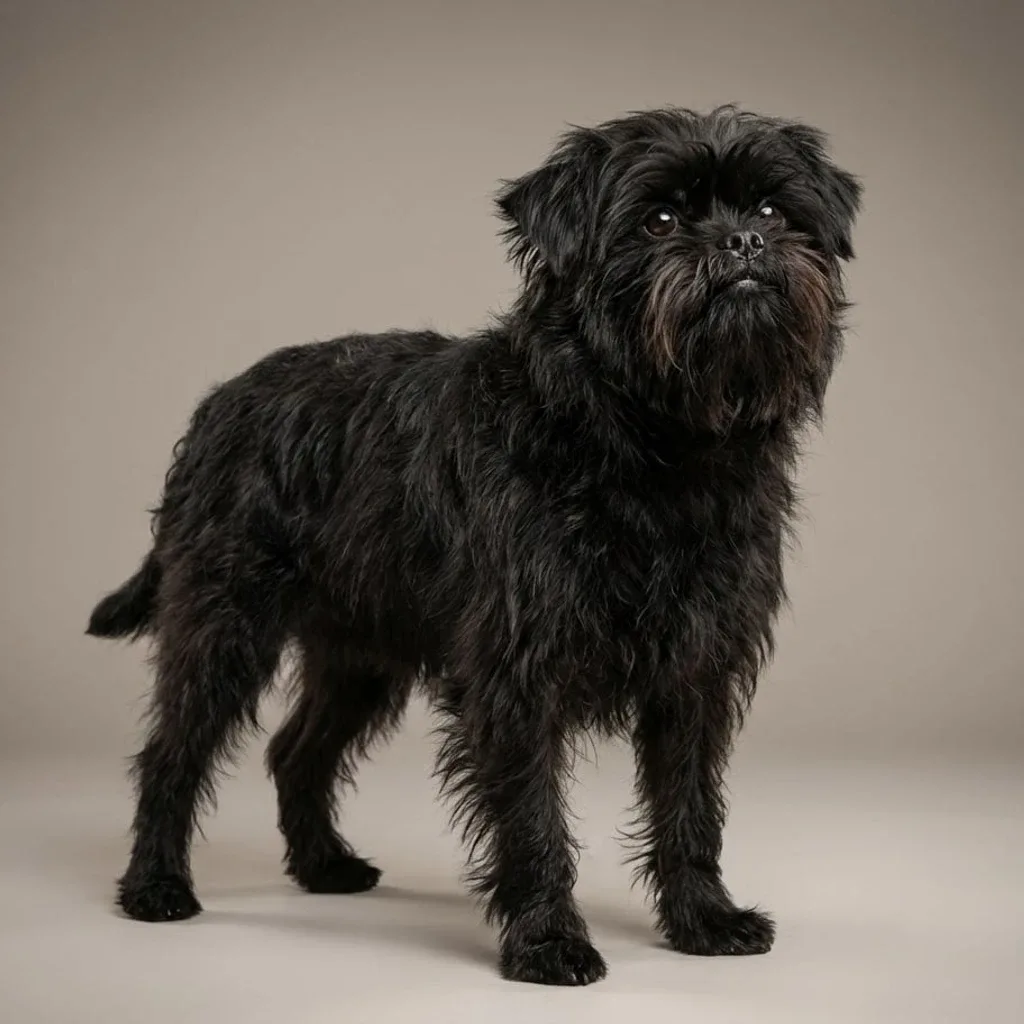
Affenpinscher
The Affenpinscher is a sturdy, monkey-like terrier-type toy breed known for its confidence and playful spirit. Despite its small size, it possesses a courageous heart and a loyal personality, making it a wonderful companion for Kiwi apartment dwellers or those with smaller sections.
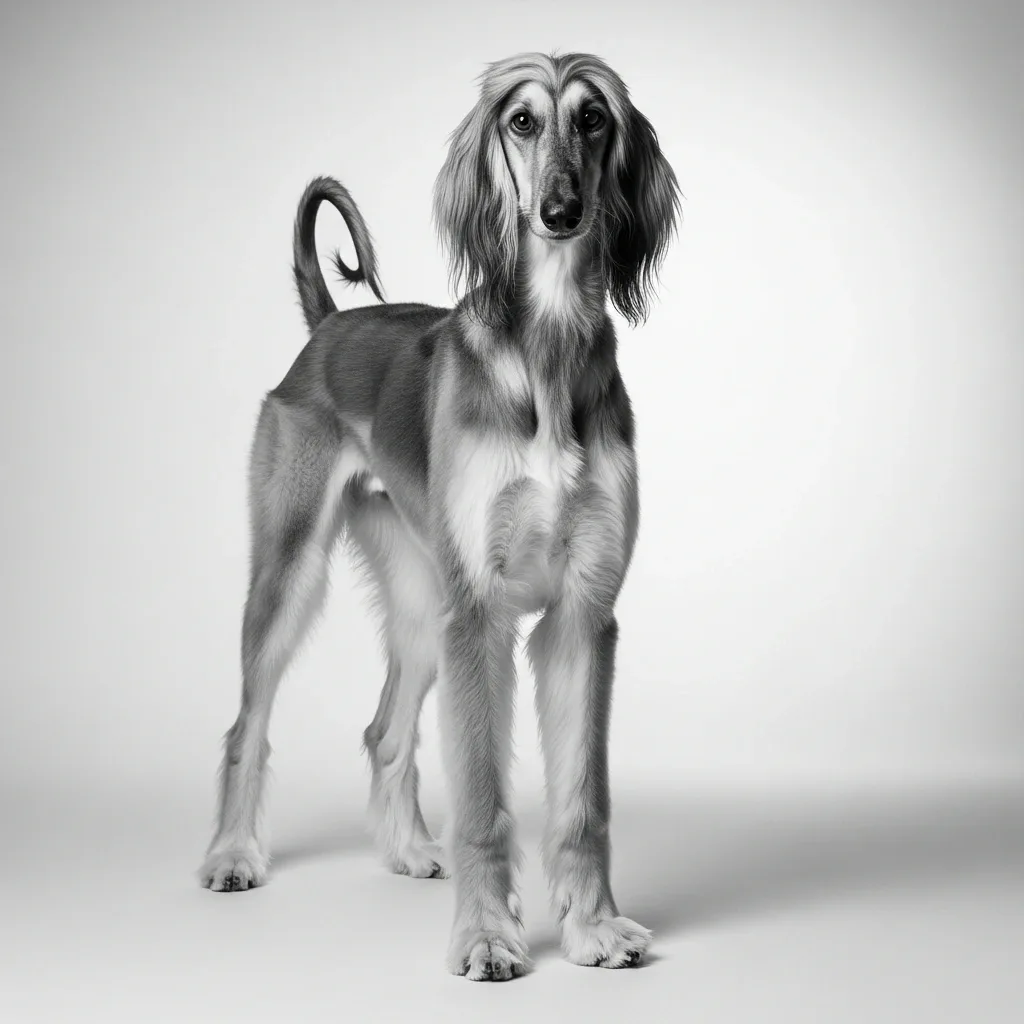
Afghan Hound
The Afghan Hound is an elegant aristocrat with a dignified and aloof personality. Known for its striking, silky coat, this breed is a high-maintenance beauty that requires ample space to run and an owner dedicated to its complex grooming needs.
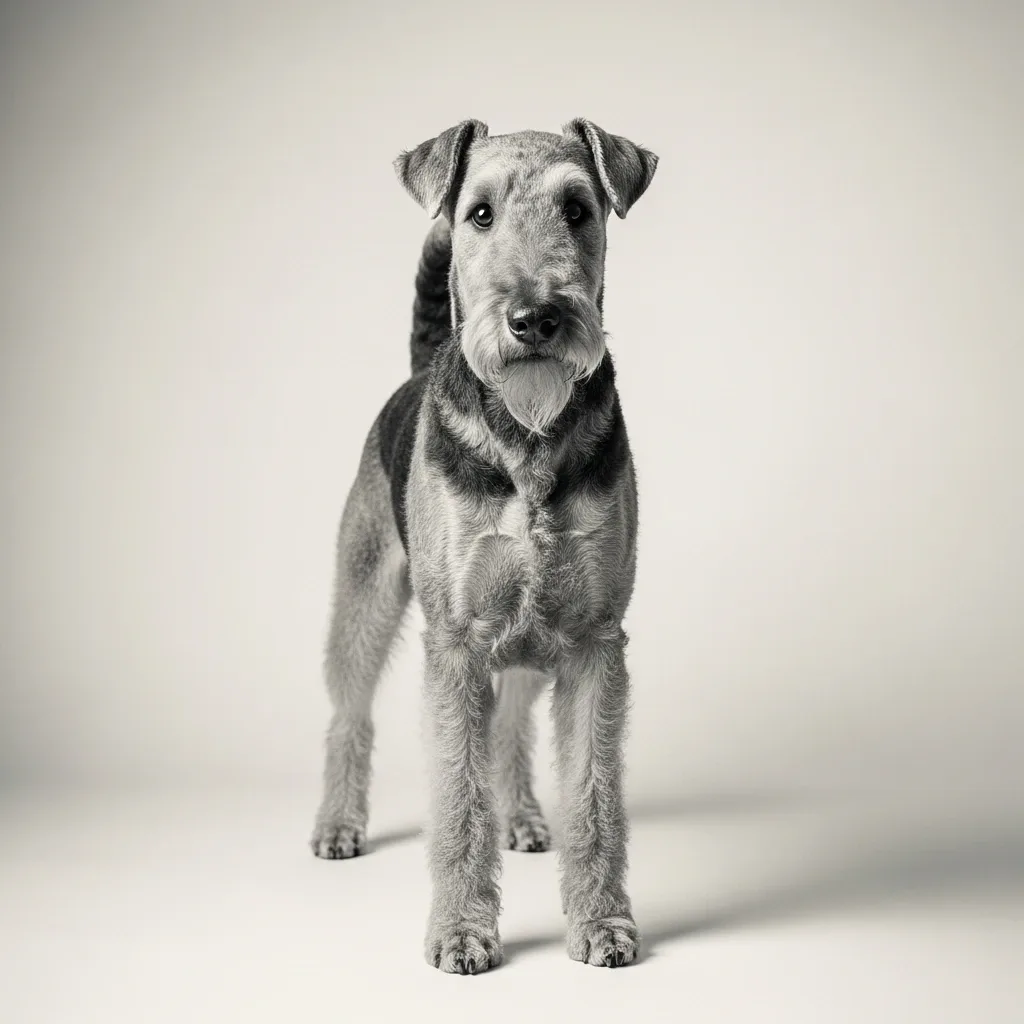
Airedale Terrier
The 'King of Terriers', the Airedale is the largest of all terrier breeds. They are brave, hardworking, and highly intelligent, making them excellent partners for active Kiwi families who love tramping and outdoor adventures.
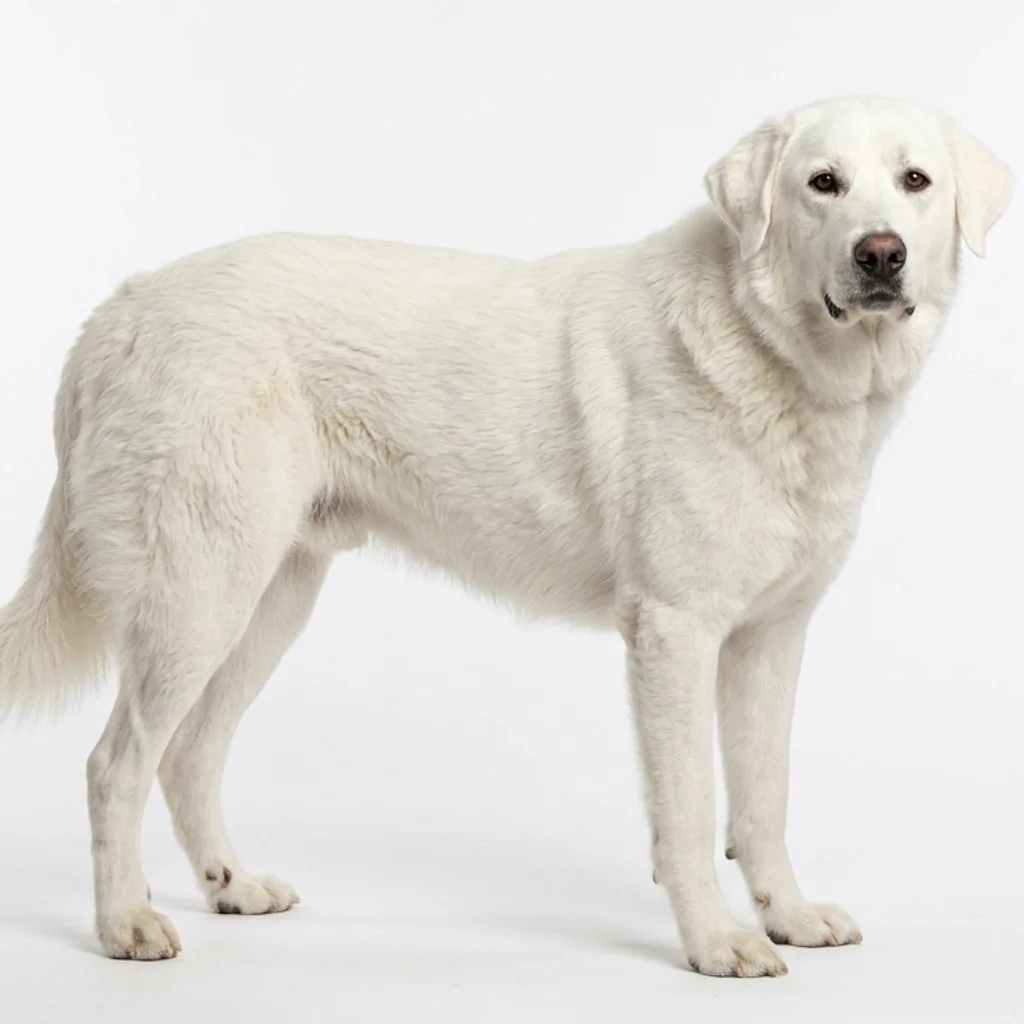
Akbash Dog
Originally a Turkish livestock guardian, the Akbash is a serious, protective, and independent breed. They are not suited for apartment living and thrive on large NZ lifestyle blocks where they can have a 'territory' to watch over.