Dog Breed Guide NZ
Labrador Retriever
The Labrador Retriever truly is the ultimate Kiwi family dog, consistently ranking as New Zealand's most popular breed. Renowned for their kind, outgoing nature and unwavering eagerness to please, Labs are a joy to have around. Their famous 'bottomless pit' appetite and an undeniable love for water make them perfect companions for beach trips, bach holidays, and adventures around our beautiful country. Intelligent and gentle, they adapt well to active New Zealand households, thriving on companionship and outdoor activities, making them an ideal fit for the vibrant Kiwi lifestyle.
Photo Gallery
Breed Snapshot
- Size
- Male: 29-36 kg; Female: 25-32 kg
- Lifespan
- 10-12 years
- Origin
- Being enriched
- Temperament
- Friendly, outgoing, energetic, intelligent, gentle, eager to please
- NZ Price
- $1,800 - $3,800 NZD from registered breeders; $150-$350 NZD adoption via SPCA
- Annual Vet Cost
- Estimated annual vet costs for a Labrador Retriever in NZ range from $600 - $1,200 NZD. This includes routine check-ups, vaccinations, flea and worm treatments. However, costs can increase significantly if breed-specific health issues arise. Common concerns such as hip and elbow dysplasia, progressive retinal atrophy (PRA), and ear infections may incur additional diagnostic tests, medications, or surgical expenses. Given their propensity for obesity, managing diet-related issues can also add to vet bills. Regular preventative care and pet insurance are highly recommended to help manage these potential costs.
Personality Scores
NZ Lifestyle Fit
Labrador Retrievers are highly adaptable but thrive best in environments that cater to their energetic and social nature. For an apartment in Auckland, a Labrador would require significant daily exercise – at least two long walks or runs, plus mental stimulation. Without a private section, access to dog parks and beaches is crucial. Auckland's humid summers necessitate access to shade and plenty of water to prevent overheating. A house with a good-sized, securely fenced section is an excellent fit, providing space for play and exploration. In rural NZ, Labradors excel, often thriving as working dogs or active farm companions, but clear boundaries and training are essential to manage their retrieving instincts around livestock. For South Island cold winters, their dense double coat provides good insulation, but shelter from extreme conditions is still necessary. New Zealand's high UV levels mean lighter-coloured Labs might benefit from pet-safe sunscreen on sensitive areas like noses and ear tips during prolonged outdoor exposure. There are no MPI restrictions on owning Labrador Retrievers in New Zealand.
The Labrador Retriever holds a special place in the hearts of New Zealanders, consistently topping the charts as the nation's most beloved dog breed. Known for their friendly disposition, intelligence, and boundless energy, Labs are much more than just pets; they become cherished members of the whānau.
Origins & History
Despite their name, Labrador Retrievers didn't originate in Labrador, Canada, but rather on the island of Newfoundland in the 1830s. They were initially bred to assist local fishermen, retrieving nets, lines, and fish from the icy North Atlantic waters. These early 'St. John's Water Dogs' were hardy, strong swimmers with a dense, water-resistant coat. British nobles visiting Newfoundland were impressed by their retrieving abilities and brought them back to England, where the breed was further developed and refined. The Earl of Malmesbury is credited with giving them the name 'Labrador Retriever'. Their exceptional retrieving skills and gentle nature quickly made them popular as gundogs and, eventually, as beloved family companions worldwide. Their journey to New Zealand likely followed with early settlers, establishing them as a firm favourite.
Appearance
Labradors are medium to large-sized dogs, known for their sturdy, athletic build. Males typically weigh between 29-36 kg, while females are slightly smaller at 25-32 kg. They possess a broad head, kind eyes, and a powerful, muscular body. A defining feature is their 'otter tail' – thick at the base and tapering to a point, often used as a rudder in water. Their short, dense, water-resistant double coat comes in three classic colours: black, yellow (ranging from cream to fox red), and chocolate. This practical coat provides excellent insulation against both cold and wet conditions, perfect for New Zealand's varied climate.
Temperament & Personality
Few breeds can match the Labrador's reputation for an outstanding temperament. They are famously friendly, outgoing, and possess an almost insatiable eagerness to please, making them highly trainable. Their intelligence, combined with a gentle nature, makes them superb family pets, often excelling with children and other animals. Labradors are energetic and playful, thriving on interaction and activity. While they are generally not aggressive, their protective instincts can make them good watchdogs, though they are more likely to greet strangers with a wagging tail than a bark. This combination of loyalty, affection, and trainability also makes them exceptional assistance dogs, guide dogs, and search and rescue dogs.
Life in New Zealand
Labradors are perfectly suited to the New Zealand lifestyle. Their love for water makes them ideal companions for beach walks, lake swims, and bach holidays. Their energetic nature means they thrive in homes where they can be an active part of family life, whether it's tramping through a reserve, playing fetch in the backyard, or joining their owners for a run along the footpath. Their adaptability allows them to fit into various living situations, from suburban homes with a good-sized section to more rural properties, provided they receive adequate exercise and mental stimulation. They are true Kiwi dogs, embracing our outdoor culture with enthusiasm.
Is This the Right Breed for You?
Bringing a Labrador into your home is a significant commitment, but one that offers immense rewards. They require consistent training, early socialisation, and plenty of exercise to be well-adjusted companions. Their 'bottomless pit' appetite means owners must be diligent about portion control to prevent obesity. If you're an active individual or family looking for a loyal, intelligent, and affectionate dog to share your adventures and become a beloved member of your whānau, the Labrador Retriever could very well be your perfect match. They offer unconditional love and a lifetime of joy, making them an enduring favourite across Aotearoa.
Fun Facts
Fact 1
Labrador Retrievers originally worked alongside fishermen in Newfoundland, retrieving fish and nets from icy waters.
Fact 2
Their thick, strong tail is often referred to as an 'otter tail' because of its shape and how it acts as a rudder in water.
Fact 3
Labradors are one of the most popular breeds globally for assistance work, including guide dogs for the blind and therapy dogs.
Fact 4
They possess webbed feet, which further enhances their natural swimming ability and love for water.
Fact 5
The Labrador Retriever has consistently been New Zealand's most popular dog breed for many years, a testament to their wonderful temperament.
Related Breeds
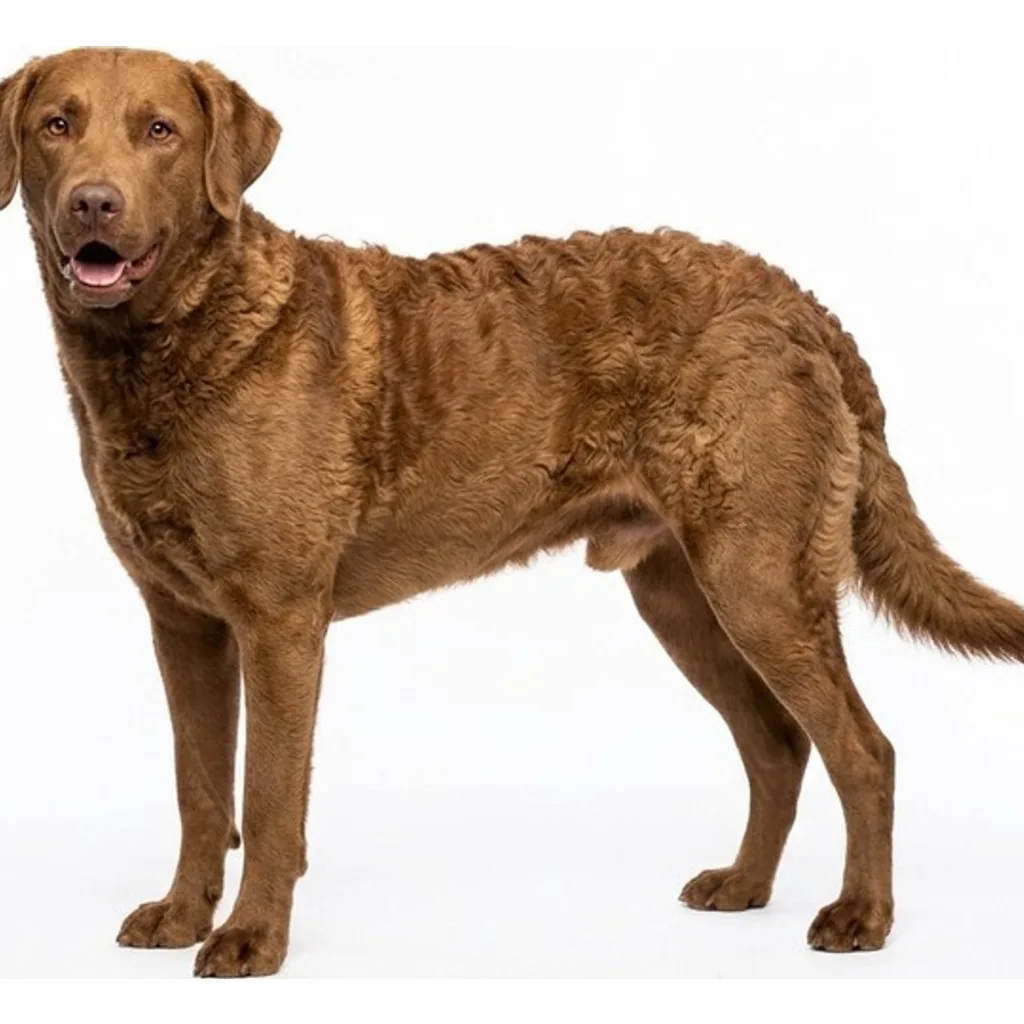
Chesapeake Bay Retriever
A tough, smart, and versatile water retriever, the 'Chessie' is known for its weather-resistant oily coat and tireless work ethic. They are more independent than other retrievers and make excellent tramping partners in NZ.
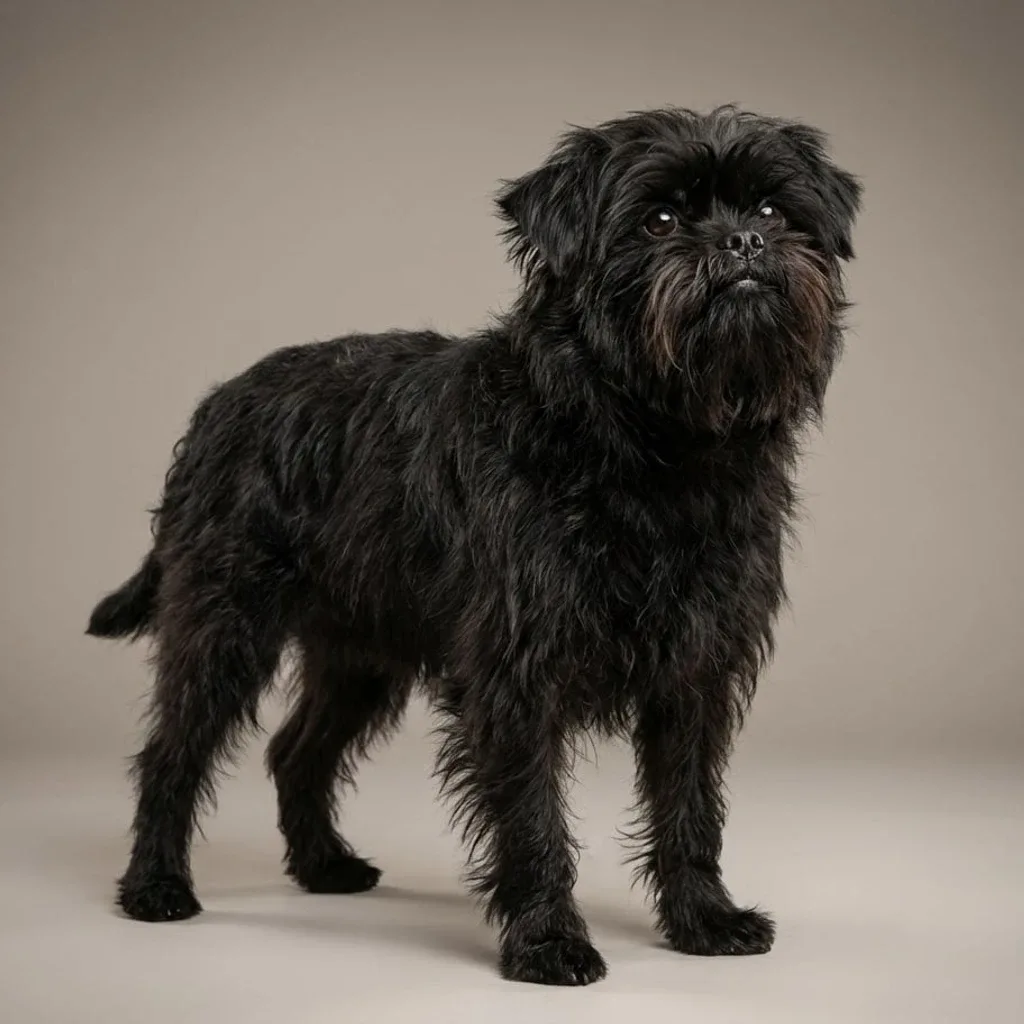
Affenpinscher
The Affenpinscher is a sturdy, monkey-like terrier-type toy breed known for its confidence and playful spirit. Despite its small size, it possesses a courageous heart and a loyal personality, making it a wonderful companion for Kiwi apartment dwellers or those with smaller sections.
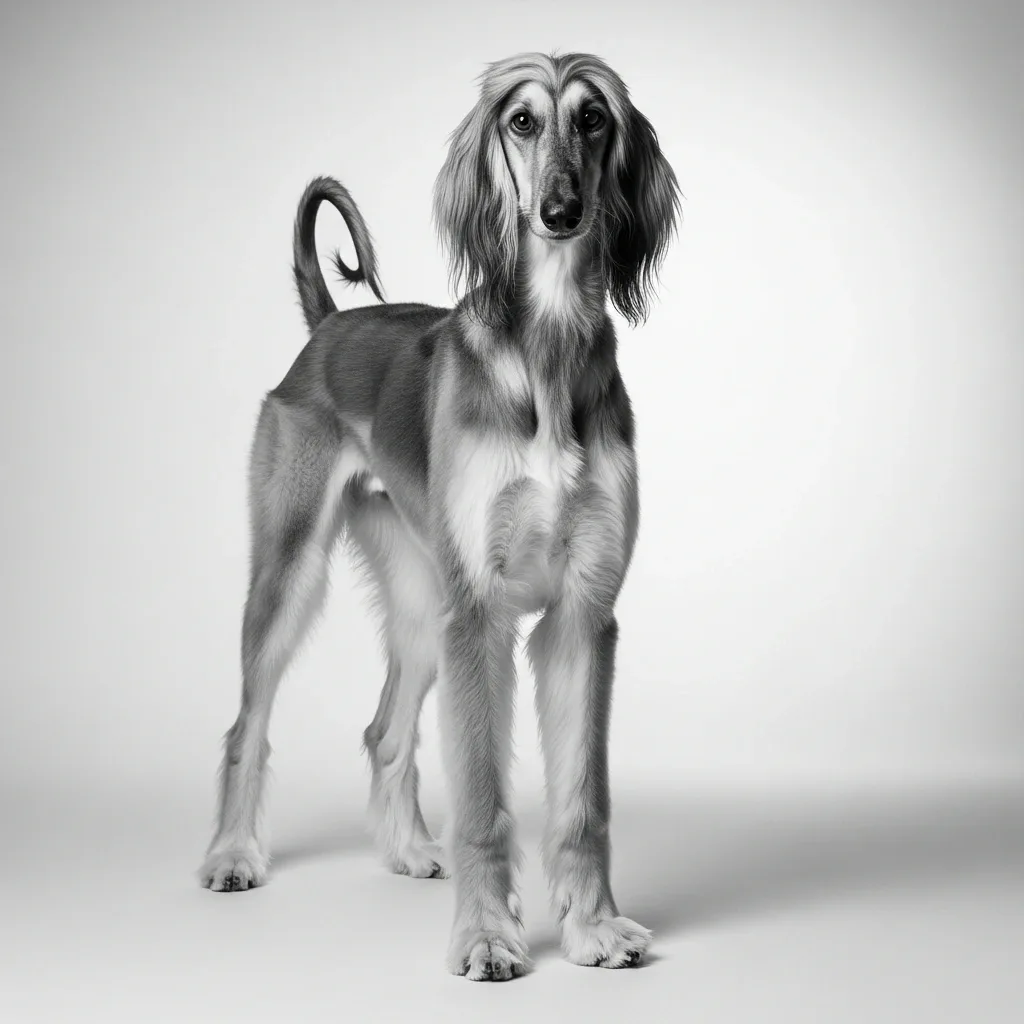
Afghan Hound
The Afghan Hound is an elegant aristocrat with a dignified and aloof personality. Known for its striking, silky coat, this breed is a high-maintenance beauty that requires ample space to run and an owner dedicated to its complex grooming needs.
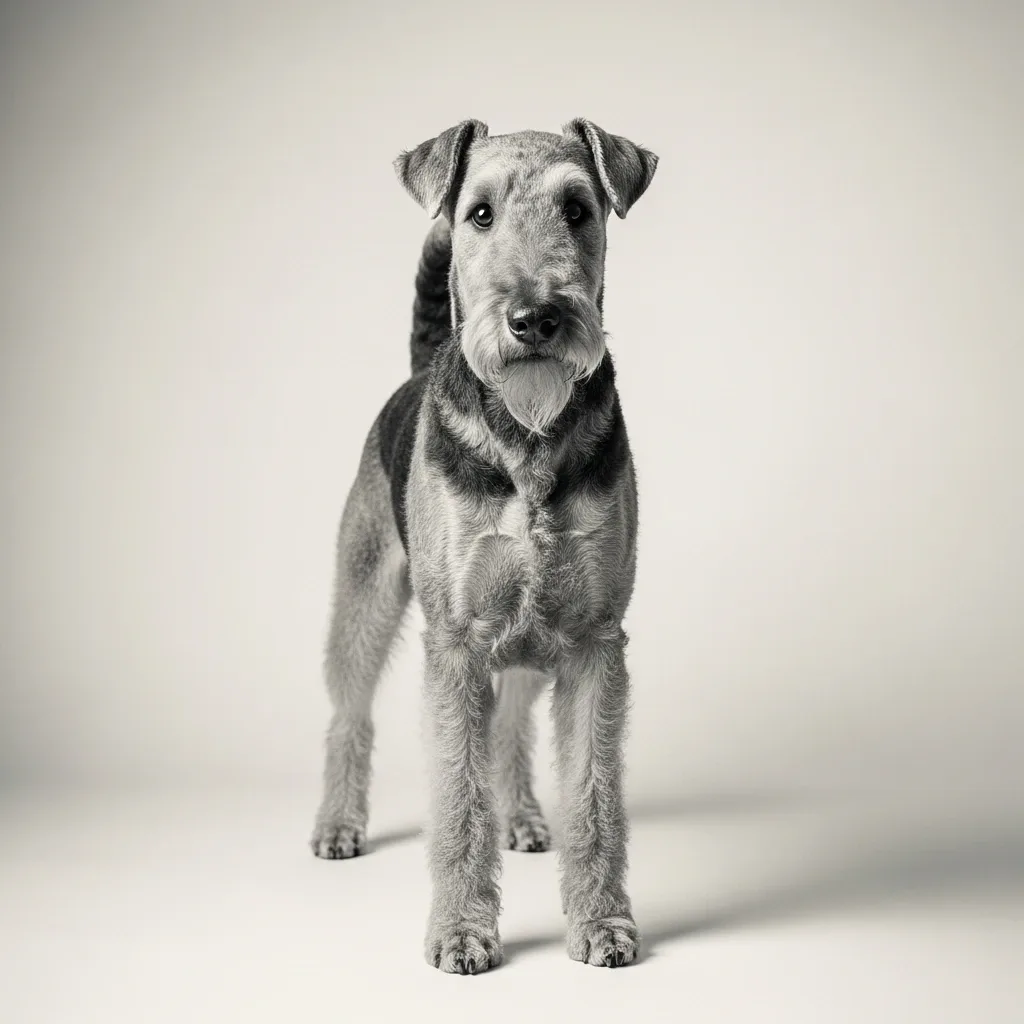
Airedale Terrier
The 'King of Terriers', the Airedale is the largest of all terrier breeds. They are brave, hardworking, and highly intelligent, making them excellent partners for active Kiwi families who love tramping and outdoor adventures.