Dog Breed Guide NZ
Chesapeake Bay Retriever
The Chesapeake Bay Retriever, affectionately known as the 'Chessie', is a robust and intelligent water dog renowned for its unique, oily, weather-resistant coat and tireless work ethic. Hailing from the US, this versatile retriever possesses a strong, confident, and somewhat independent nature, setting it apart from its more common retriever cousins. Chessies are incredibly loyal and protective of their families, making them excellent companions for active Kiwis. Their endurance and love for the outdoors make them superb tramping partners, perfectly suited for New Zealand's diverse landscapes and water-based adventures.
Photo Gallery
Breed Snapshot
- Size
- Male: 29-36 kg; Female: 25-32 kg
- Lifespan
- 10-13 years
- Origin
- Being enriched
- Temperament
- Intelligent, courageous, loyal, protective, confident
- NZ Price
- $1,500 - $3,500 NZD from registered breeders; $150-$350 NZD adoption via SPCA (when available)
- Annual Vet Cost
- Estimated annual vet costs for a Chesapeake Bay Retriever in New Zealand typically range from $600 - $1,200 NZD, covering routine check-ups, vaccinations, flea and worm treatments, and general preventative care. However, potential costs can increase significantly due to breed-specific health issues. Chessies are prone to hip and elbow dysplasia, common in large breeds, which can lead to expensive diagnostics (X-rays, MRI), medications, and potentially surgeries costing thousands of dollars. Eye conditions like Progressive Retinal Atrophy (PRA) and cataracts also require specialist veterinary attention and ongoing management. Other genetic concerns include Exercise-Induced Collapse (EIC), causing weakness after strenuous activity, and Degenerative Myelopathy (DM), a progressive spinal cord disease, both requiring careful diagnosis and management plans. Bloat (Gastric Dilatation-Volvulus), a life-threatening emergency common in deep-chested dogs, requires immediate, costly surgery. Given these potential high costs, pet insurance is highly recommended for Chessie owners in New Zealand to help mitigate financial strain.
Personality Scores
NZ Lifestyle Fit
The Chesapeake Bay Retriever's robust nature makes it adaptable to various New Zealand environments, though some are far more suitable than others. An apartment in Auckland would be highly unsuitable; their high energy levels and need for space to run and explore would lead to frustration and destructive behaviours. They truly thrive in homes with a large, securely fenced section, where they can burn off energy daily. Rural New Zealand farms or lifestyle blocks are ideal, offering ample space for exercise, opportunities for water work, and often a 'job' to do, which Chessies love. New Zealand's climate presents specific considerations. Auckland's humid summers can be challenging for any active dog, so access to shade, cool water, and avoiding peak heat exercise is crucial. Their dense, oily coat, while excellent for cold water, can make them prone to overheating if not managed. South Island's cold winters are generally well-tolerated by Chessies, given their heritage, but shelter from extreme cold and wet is still essential. High UV levels across New Zealand mean that, like all dogs, Chessies can be susceptible to sunburn on exposed skin (e.g., nose, belly) and should have access to shade, especially during peak sun hours. Fortunately, there are no specific MPI restrictions on owning Chesapeake Bay Retrievers in New Zealand.
Origins & History
The Chesapeake Bay Retriever's history is rooted in the icy waters of the Chesapeake Bay, USA, developed in the 19th century for retrieving waterfowl in challenging conditions. Its lineage is believed to stem from two Newfoundland pups rescued from a shipwreck in 1807, bred with local retrievers to create a uniquely resilient dog. Breeders focused on producing a powerful, tireless retriever with exceptional memory, strong swimming ability, and a coat that could withstand freezing water. This rigorous selection forged the Chessie's distinctive characteristics: unparalleled stamina, a tough constitution, and its iconic oily, waterproof coat. Officially recognised in 1878, its reputation as a formidable working dog spread, eventually reaching New Zealand where its capabilities are valued by hunters and outdoor enthusiasts.
Appearance
The Chesapeake Bay Retriever is a powerfully built, medium-to-large dog, conveying strength and endurance. Males weigh 29-36 kg (58-66 cm shoulder), females 25-32 kg (53-61 cm). Their most distinguishing feature is a dense, short, harsh outer coat and fine, woolly undercoat, notably oily to the touch. This unique texture provides exceptional waterproofing, allowing water to bead off, keeping them warm and dry. Coat colour varies from dark brown, sedge (reddish-brown), or deadgrass (straw-like), offering natural camouflage. Eyes are clear, yellowish, or amber, adding to their intelligent gaze. They possess a strong skull, powerful jaws, deep chest, and webbed feet, all indicative of their aquatic prowess and robust utility.
Temperament & Personality
Chessies are intelligent, courageous, and fiercely loyal to their families. Unlike some retrievers, they are more independent and reserved, especially with strangers. This protective instinct, combined with confidence, makes them excellent watchdogs. They form deep bonds but can be aloof with new people, requiring early, proper socialisation. Their intelligence means quick learning, but their independent streak can manifest as stubbornness, demanding consistent, firm, yet positive training. A Chessie thrives on having a job, whether retrieving, tramping, or dog sports, possessing a tireless work ethic and playful spirit. While generally good with children they know, their boisterous nature warrants supervision. Their unwavering loyalty makes them dedicated companions for those who appreciate their unique personality.
Life in New Zealand
The Chesapeake Bay Retriever is exceptionally well-suited to the active New Zealand lifestyle. Their love for water and robust constitution makes them ideal companions for exploring our beaches, lakes, and rivers for swimming or retrieving. Their stamina and endurance are perfectly matched for tramping our diverse tracks, from coastal paths to mountain trails. Many Chessies excel in hunting, particularly waterfowl, where their natural instincts and weather-resistant coats are invaluable in New Zealand's varied climates. Their protective nature also makes them good guardians for homes with a section. However, their high energy and need for mental stimulation mean they are not suited to being left alone for long or confined to small spaces. For Kiwis embracing an outdoor-centric life with consistent training, a Chessie offers a rewarding, devoted partnership.
Is This the Right Breed for You?
Choosing a Chesapeake Bay Retriever requires careful consideration of their specific needs. This is not a low-maintenance breed; Chessies thrive in active homes with ample daily physical and mental stimulation. Owners must commit to consistent training and early, ongoing socialisation to manage their independent and protective nature. If you're an avid outdoors enthusiast who enjoys tramping, hunting, or water sports, and have the time to integrate a dog fully into your active lifestyle, a Chessie could be your perfect match. They need a secure, spacious environment, ideally with a fenced section. Owners must be prepared for their strong will and provide confident leadership. While loyal and affectionate with family, their reserved nature means they aren't always outgoing with strangers. If you appreciate character, intelligence, and unwavering devotion, and are ready for the commitment, the Chessie offers a unique partnership.
Fun Facts
Fact 1
The Chesapeake Bay Retriever's unique oily coat is so effective at repelling water that it feels slightly greasy to the touch.
Fact 2
They are one of the few dog breeds developed entirely in the United States, specifically for retrieving waterfowl in the harsh conditions of the Chesapeake Bay.
Fact 3
Chessies have webbed feet, which, combined with their powerful build, make them exceptional swimmers.
Fact 4
The breed standard allows for three main coat colours: brown, sedge (reddish-brown), and deadgrass (straw-like), designed for camouflage.
Fact 5
Unlike many retrievers, Chessies are known for being more independent and reserved, often forming a strong bond with one primary family member.
Related Breeds
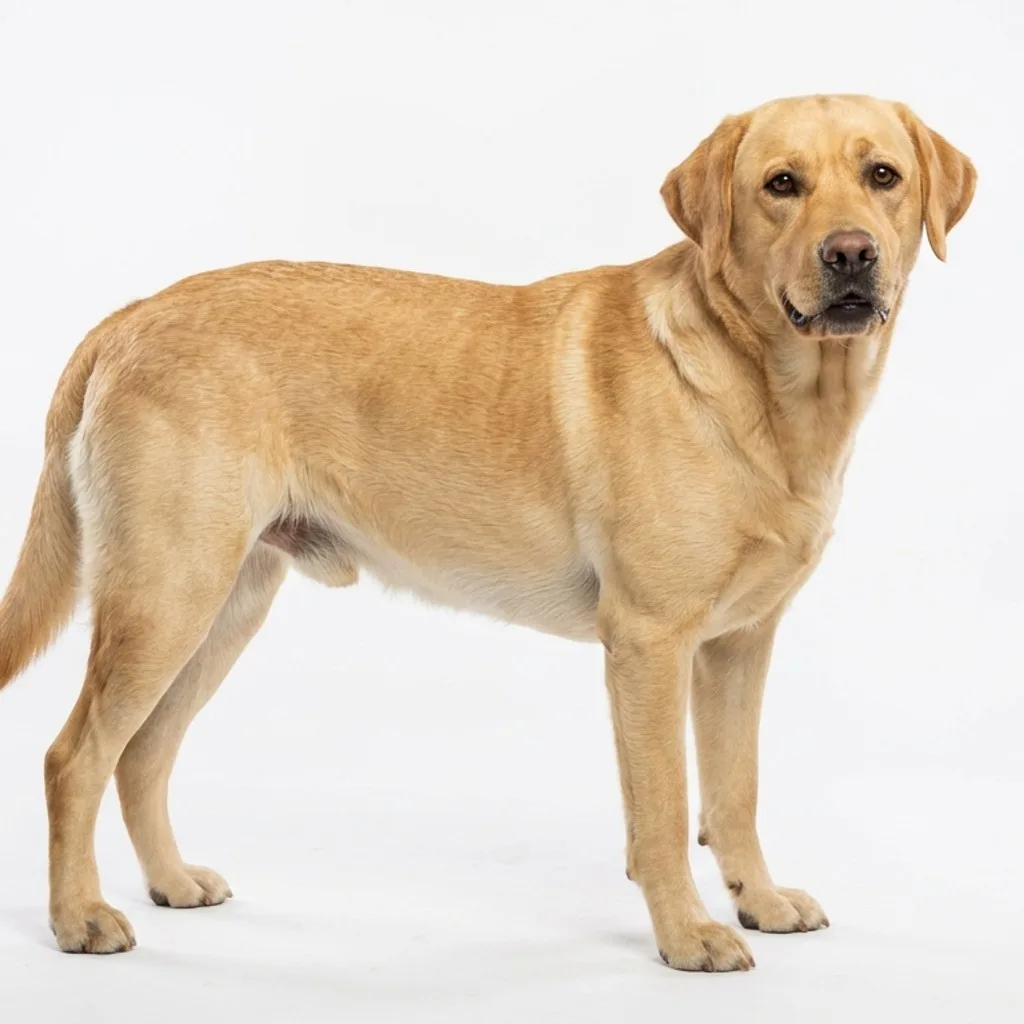
Labrador Retriever
The ultimate Kiwi family dog. Labradors are kind, outgoing, and eager to please. They are famous for their 'bottomless pit' appetite and their love for water, making them the most popular breed in New Zealand.
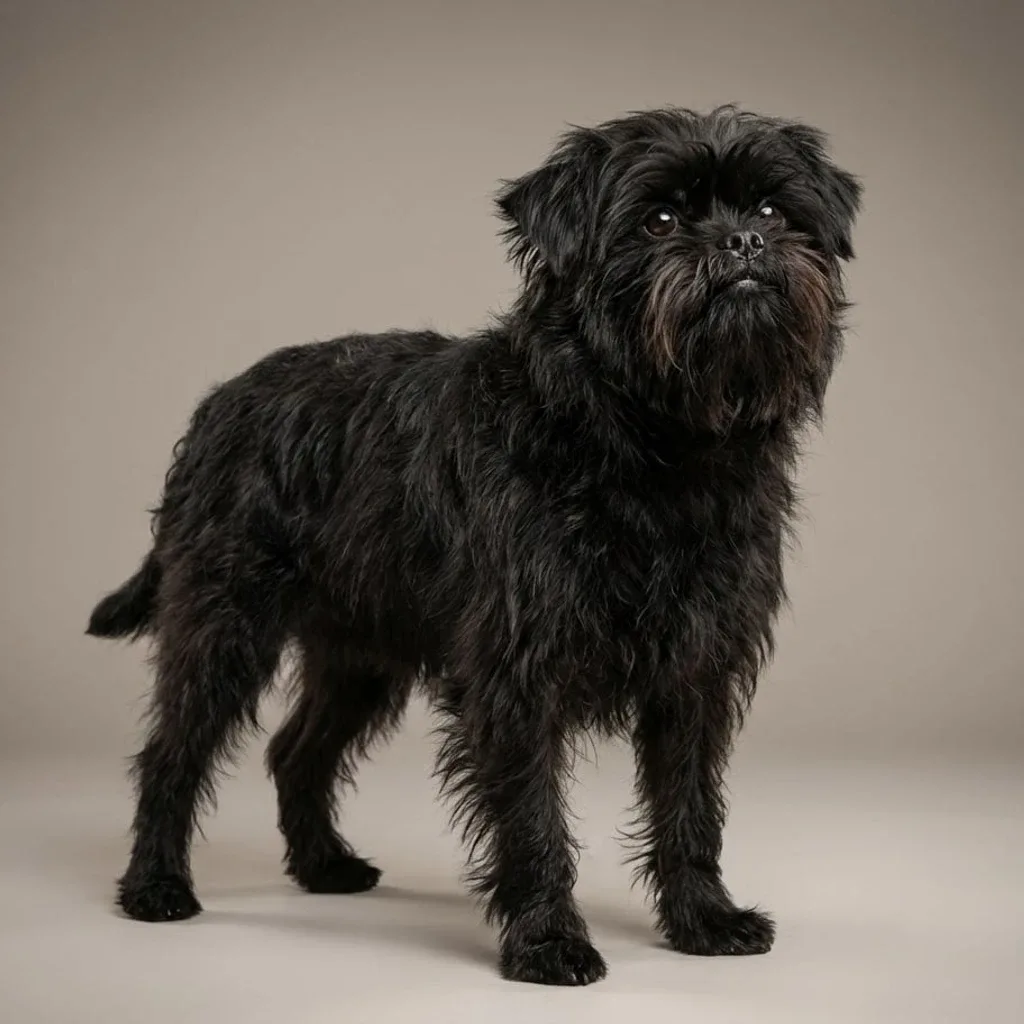
Affenpinscher
The Affenpinscher is a sturdy, monkey-like terrier-type toy breed known for its confidence and playful spirit. Despite its small size, it possesses a courageous heart and a loyal personality, making it a wonderful companion for Kiwi apartment dwellers or those with smaller sections.
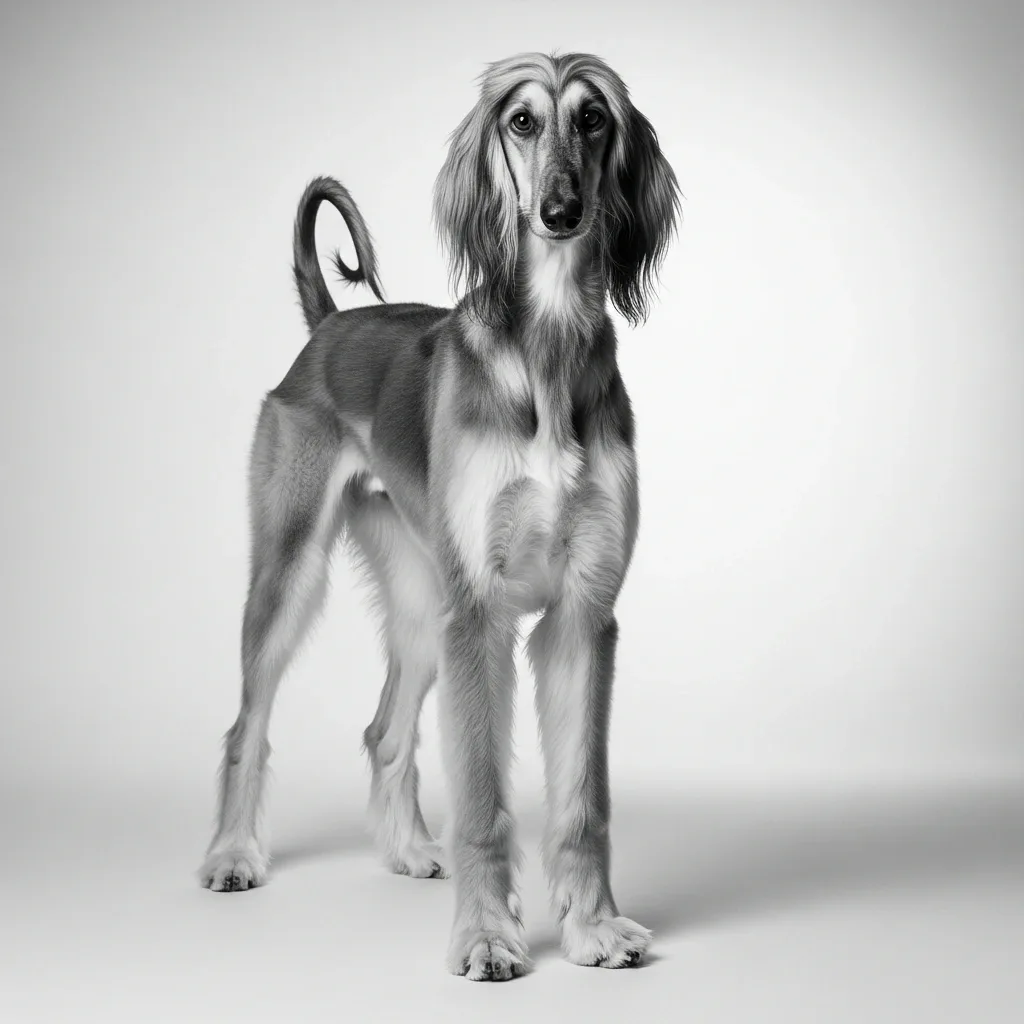
Afghan Hound
The Afghan Hound is an elegant aristocrat with a dignified and aloof personality. Known for its striking, silky coat, this breed is a high-maintenance beauty that requires ample space to run and an owner dedicated to its complex grooming needs.
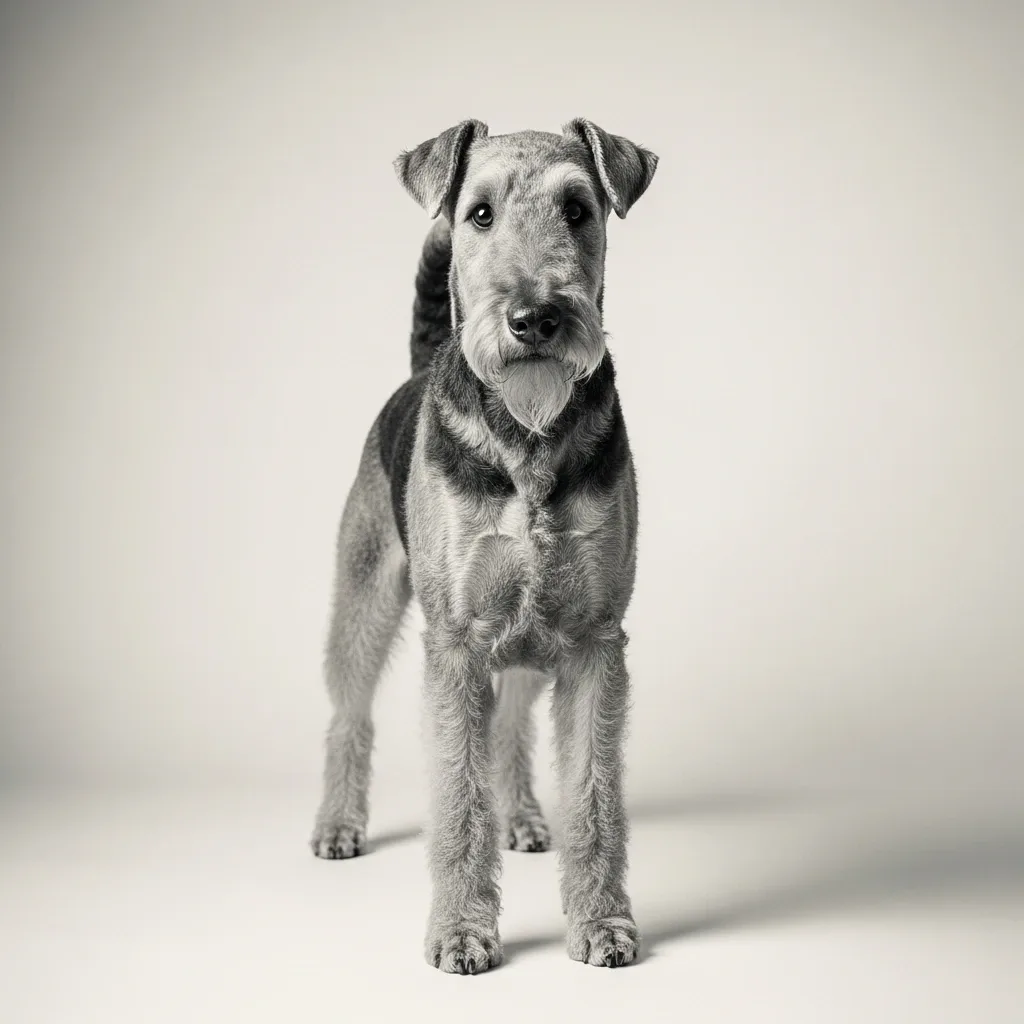
Airedale Terrier
The 'King of Terriers', the Airedale is the largest of all terrier breeds. They are brave, hardworking, and highly intelligent, making them excellent partners for active Kiwi families who love tramping and outdoor adventures.