Dog Breed Guide NZ
Golden Retriever
The Golden Retriever is truly the quintessential Kiwi family favourite, renowned for its unwavering friendly disposition, remarkable patience, and infectious zest for life. These highly social and athletic dogs thrive on human interaction, making them perfect companions for active New Zealand households. Their eager-to-please nature and intelligence make them highly trainable, whether for family life, canine sports, or even assistance work. From a splash at the local beach to a bush walk in a regional park, a Golden Retriever is always up for an adventure. Their gentle temperament also makes them wonderful with children and other pets, solidifying their status as a beloved member of many a Kiwi whānau.
Photo Gallery
Breed Snapshot
- Size
- Male: 29-34 kg; Female: 25-29 kg
- Lifespan
- 10-12 years
- Origin
- Scotland
- Temperament
- Friendly, intelligent, devoted, confident, loyal, eager to please
- NZ Price
- $2,500 - $4,500 NZD from registered breeders; $150-$350 NZD adoption via SPCA or breed-specific rescues.
- Annual Vet Cost
- Estimated annual routine vet costs for a Golden Retriever in NZ range from $600 - $1,200 NZD, covering vaccinations, regular check-ups, and parasite prevention (flea, worming). However, due to breed-specific health issues like hip/elbow dysplasia, certain cancers, and eye conditions, owners should budget for potential specialist treatments or surgeries, which can easily run into several thousands of dollars. Pet insurance is highly recommended to help manage these unforeseen costs.
Personality Scores
NZ Lifestyle Fit
Golden Retrievers are highly adaptable dogs, but their suitability for different New Zealand living situations varies. They are generally not ideal for apartment living, especially in cities like Auckland, as their high energy and need for space to run can lead to frustration. A house with a decent, securely fenced section is much more appropriate, allowing them space to play and explore. They thrive in suburban environments where they can access parks and beaches. For rural New Zealand farms, Goldens can be excellent companions, enjoying the vast open spaces, but they must be kept safe from livestock and roads. Their thick double coat helps them cope with cold South Island winters, but during Auckland's humid summers, owners must be vigilant about overheating, providing shade and fresh water. New Zealand's high UV index also means care should be taken to prevent sunburn on exposed skin, though this is less common for Goldens. There are no specific MPI restrictions on owning Golden Retrievers in New Zealand.
Origins & History
The Golden Retriever's story begins in the Scottish Highlands in the mid-19th century, a time when wildfowl hunting was a popular sport. Existing retriever breeds struggled to retrieve downed game from both land and water without damaging it. Lord Tweedmouth, Dudley Coutts Marjoribanks, sought to create a superior retriever, one with a soft mouth, excellent scenting abilities, and an unwavering devotion to its handler. He achieved this through a meticulous breeding programme, starting with a yellow Wavy-Coated Retriever named Nous and a Tweed Water Spaniel named Belle. Over subsequent generations, crosses with Irish Setters, Bloodhounds, and other retrievers refined the breed into the intelligent, biddable, and beautiful dog we know today. The breed gained recognition in the early 20th century and quickly spread worldwide, cherished for its versatility and charming personality.
Appearance
Golden Retrievers are medium-large dogs, well-proportioned and powerful, exuding an air of grace and athleticism. Males typically weigh between 29-34 kg, while females are slightly lighter at 25-29 kg. Their most striking feature is their lustrous, water-repellent double coat, which comes in various shades of gold, from light cream to a rich, deep golden. The outer coat is dense and either wavy or straight, while the undercoat is soft and thick, providing insulation in both cold and warm climates. They possess a broad head, gentle dark eyes, and a kindly expression that is a hallmark of the breed. Their strong, muscular body is built for endurance and agility, perfectly suited for a day of retrieving or a long tramp.
Temperament & Personality
Few breeds can match the Golden Retriever's reputation for a friendly, intelligent, and devoted temperament. They are inherently confident, loyal, and possess an overwhelming eagerness to please, making them highly trainable and responsive companions. Goldens thrive on being part of the family, forming strong bonds with all members, including children and other pets. Their patience and gentle nature make them exceptional family dogs, often acting as diligent guardians and playful companions for kids. They are not typically guard dogs, as their friendly disposition extends to strangers, often greeting newcomers with a wagging tail rather than a bark. This breed requires significant human interaction and can become lonely or destructive if left isolated for long periods. Their intelligence also means they need mental stimulation to prevent boredom.
Life in New Zealand
Golden Retrievers are exceptionally well-suited to the New Zealand lifestyle. Their love for the outdoors makes them ideal companions for exploring our stunning beaches, bush tracks, and regional parks. Whether it's a swim at the local beach, a run in an off-leash park, or a family bach holiday, a Golden is always keen to join in. They adapt well to various living situations, from a house with a decent section in the suburbs to a more rural property, provided they receive ample exercise and mental engagement. While they enjoy the cooler South Island winters, their double coat also provides some protection during Auckland's humid summers, though care must be taken to prevent overheating. Their gentle nature and adaptability make them a popular choice for families across Aotearoa.
Is This the Right Breed for You?
A Golden Retriever is an excellent choice for individuals or families who can commit to providing consistent daily exercise, mental stimulation, and plenty of human companionship. They are not suited to being left alone for extended periods or confined to small spaces without adequate outdoor access. Prospective owners should be prepared for regular grooming to manage their shedding coat and to maintain their health. If you're looking for a loyal, affectionate, intelligent, and active companion who will eagerly participate in all your Kiwi adventures, and you're ready to invest the time and effort into their care and training, then a Golden Retriever could be the perfect addition to your whānau.
Fun Facts
Fact 1
Golden Retrievers were originally bred in Scotland to retrieve shot waterfowl and upland game, both from land and water.
Fact 2
The breed's founder, Lord Tweedmouth, meticulously recorded his breeding programme from 1835 to 1890, detailing every mating.
Fact 3
Golden Retrievers are one of the most popular breeds for assistance work, including guide dogs for the blind and therapy dogs, due to their intelligence and gentle nature.
Fact 4
Their 'soft mouth' allows them to carry delicate objects, like a raw egg, without breaking it, a trait specifically bred for retrieving game.
Fact 5
A Golden Retriever named 'Gus' holds the Guinness World Record for the longest tongue on a dog, measuring 11.43 cm (4.5 inches).
Related Breeds
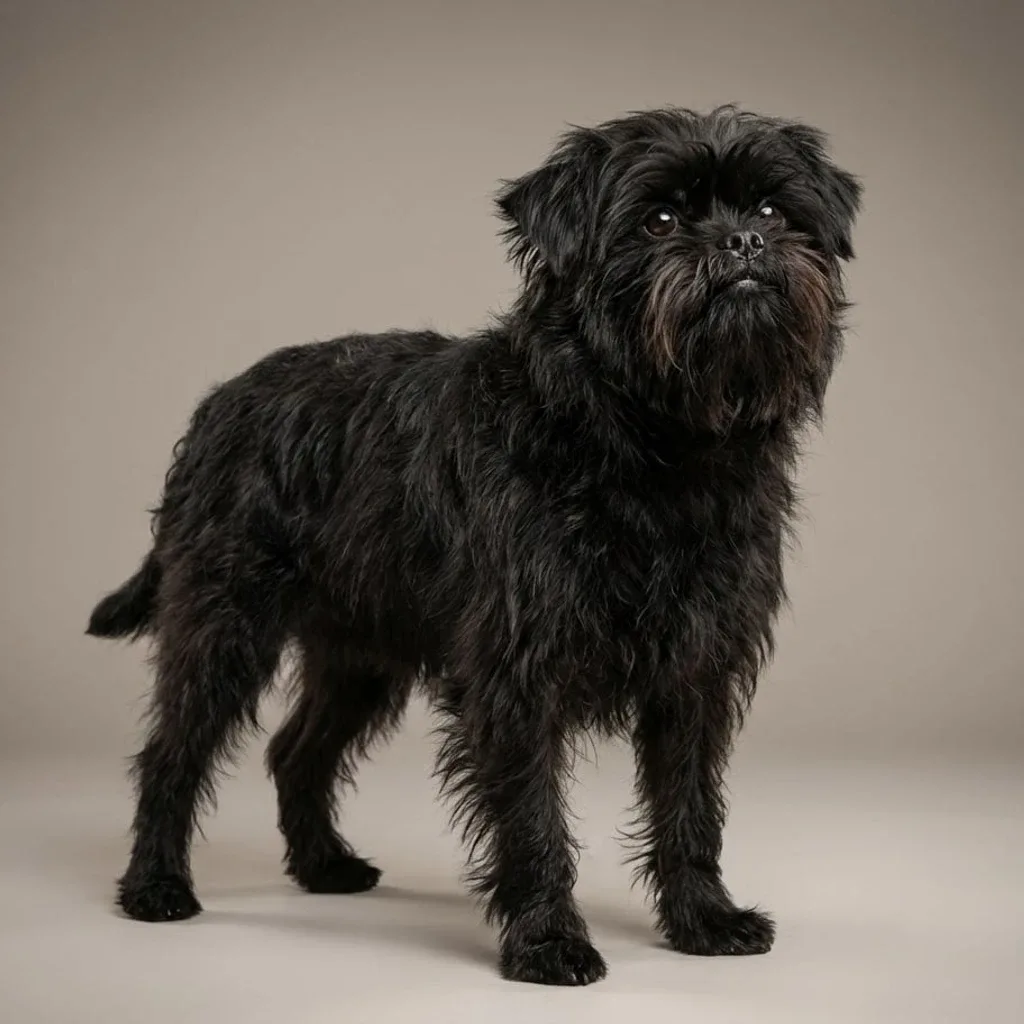
Affenpinscher
The Affenpinscher is a sturdy, monkey-like terrier-type toy breed known for its confidence and playful spirit. Despite its small size, it possesses a courageous heart and a loyal personality, making it a wonderful companion for Kiwi apartment dwellers or those with smaller sections.
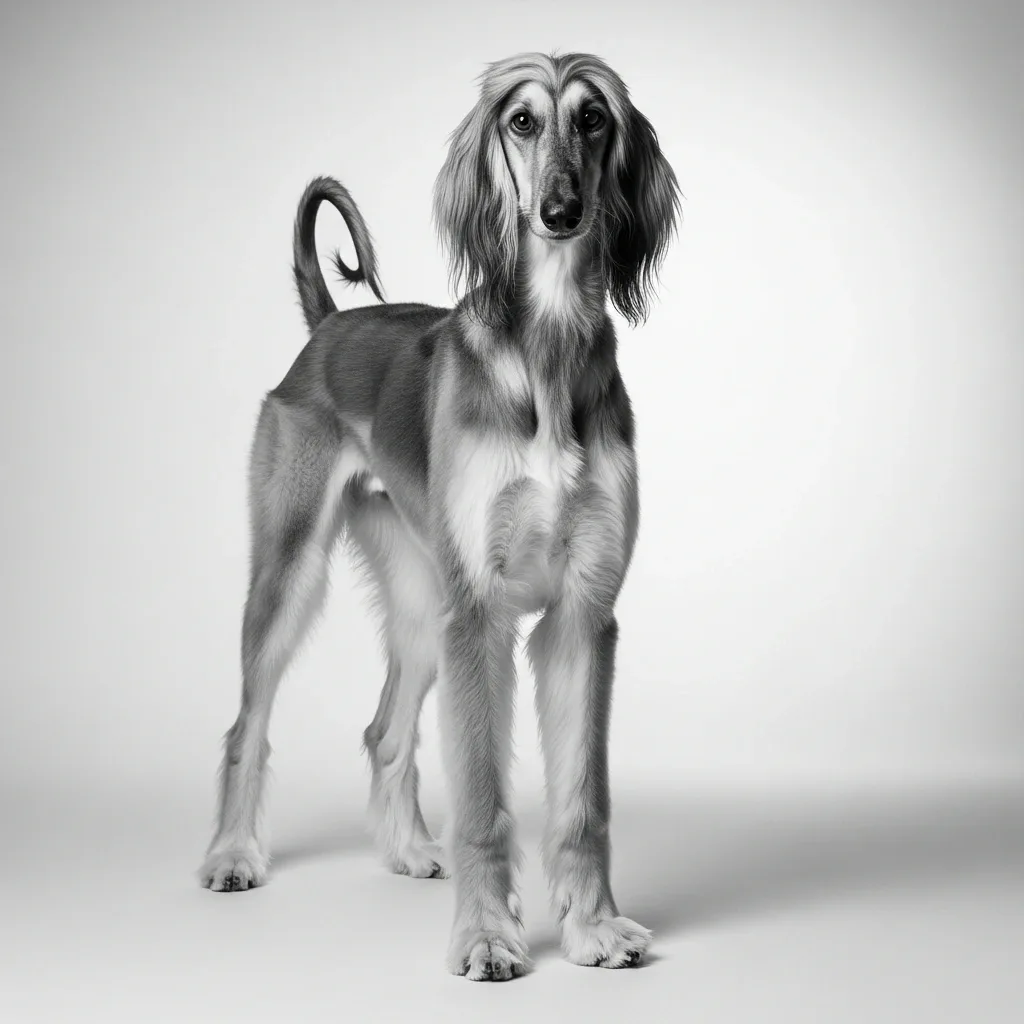
Afghan Hound
The Afghan Hound is an elegant aristocrat with a dignified and aloof personality. Known for its striking, silky coat, this breed is a high-maintenance beauty that requires ample space to run and an owner dedicated to its complex grooming needs.
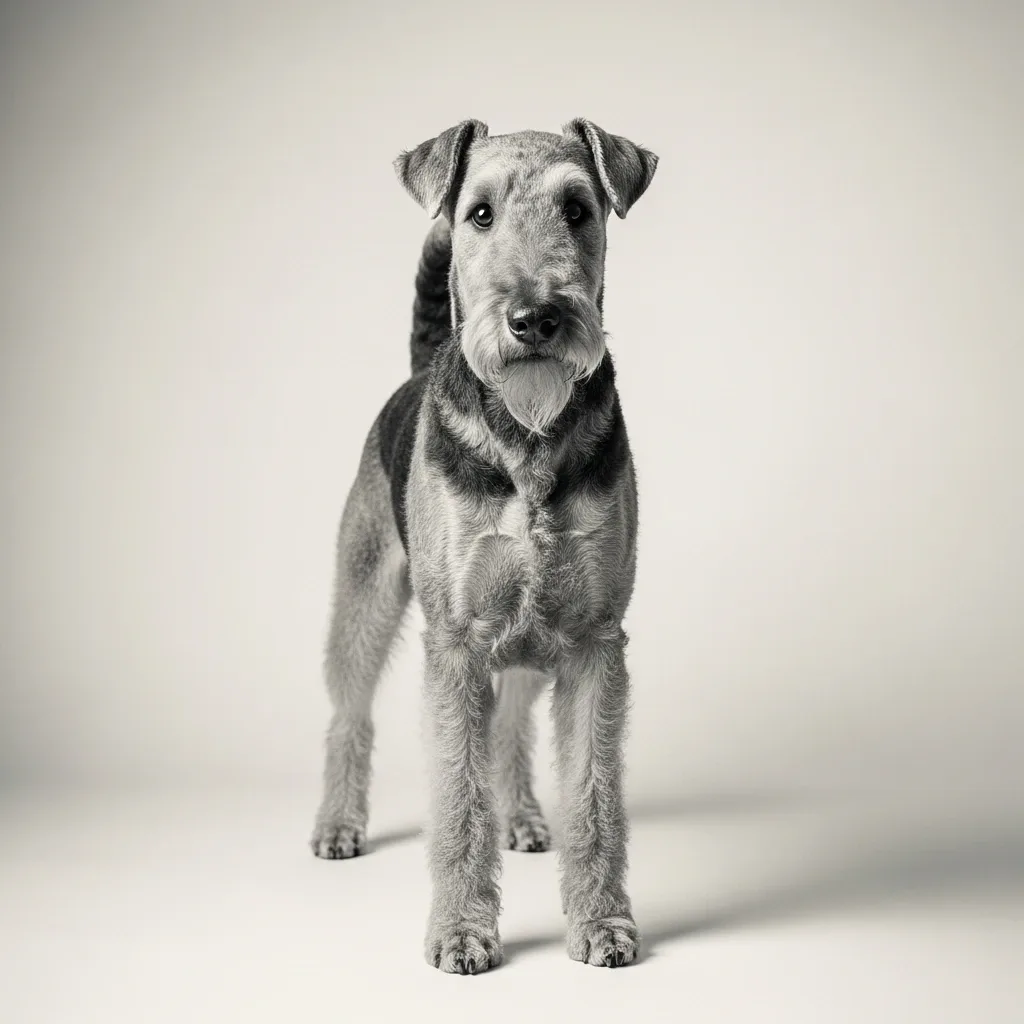
Airedale Terrier
The 'King of Terriers', the Airedale is the largest of all terrier breeds. They are brave, hardworking, and highly intelligent, making them excellent partners for active Kiwi families who love tramping and outdoor adventures.
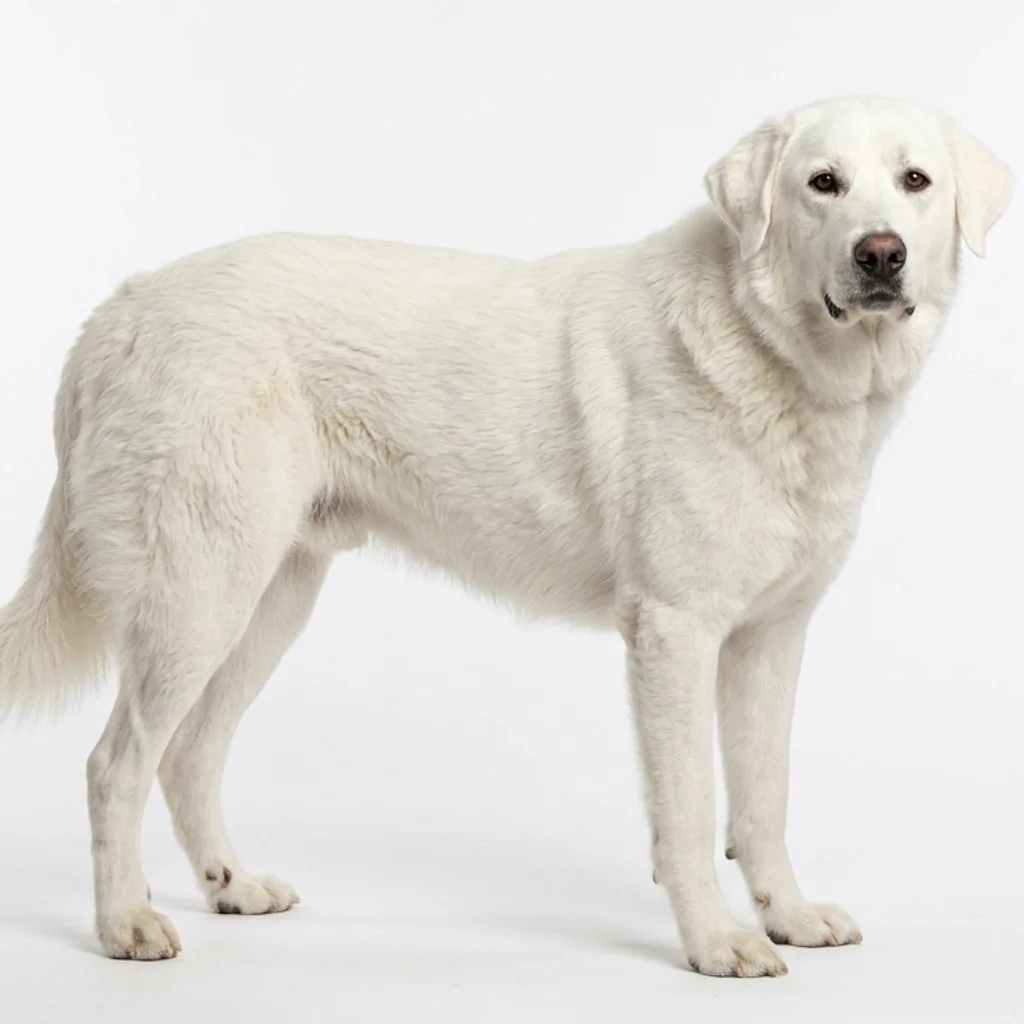
Akbash Dog
Originally a Turkish livestock guardian, the Akbash is a serious, protective, and independent breed. They are not suited for apartment living and thrive on large NZ lifestyle blocks where they can have a 'territory' to watch over.