Dog Breed Guide NZ
Staffordshire Bull Terrier
Often affectionately known as the 'Nanny Dog' in New Zealand, the Staffordshire Bull Terrier is a compact powerhouse of loyalty and affection. These muscular, energetic dogs are famous for their wide, endearing 'Staffy smile' and an unwavering devotion to their human families. Despite their tough exterior, Staffies are typically softies at heart, craving human contact and thriving on being part of family life. They are incredibly adaptable and, with proper training and socialisation, make wonderful companions for a variety of Kiwi households, from active singles to bustling families looking for a loving, spirited addition to their whānau.
Photo Gallery
Breed Snapshot
- Size
- Male: 13-17 kg; Female: 11-15 kg
- Lifespan
- 12-14 years
- Origin
- Being enriched
- Temperament
- Courageous, intelligent, affectionate, loyal, confident, energetic
- NZ Price
- $800 - $2,500 NZD from registered breeders; $150-$350 NZD adoption via SPCA
- Annual Vet Cost
- Estimated annual vet costs for a Staffordshire Bull Terrier in NZ range from $400 - $800 NZD for routine care (vaccinations, flea/worm treatments, annual check-ups). However, this can increase significantly if breed-specific health issues arise. Common Staffy health concerns include L-2-Hydroxyglutaric Aciduria (L-2-HGA), Hereditary Cataracts (HC), patellar luxation, and skin allergies, which could add $500 - $2,000+ NZD per incident for diagnostics and treatment.
Personality Scores
NZ Lifestyle Fit
Staffordshire Bull Terriers adapt well to various New Zealand living conditions, provided their exercise and socialisation needs are met. For an apartment in Auckland, a Staffy can thrive if they receive daily vigorous walks around the city's footpaths, visits to dog-friendly parks like Cornwall Park, and mental stimulation. However, their short coat means they'll need protection from Auckland's humid summers and South Island's cold winters – a warm coat in winter and shade/water in summer are essential. For a house with a section, a secure, fully fenced yard is ideal to prevent escapes, as their curiosity and prey drive can be strong. Rural NZ farm life is suitable if they are considered a family pet rather than a working dog, with secure boundaries to prevent them from chasing livestock. Due to New Zealand's high UV, light-coloured Staffies may need sun protection on their ears and nose. MPI has no specific restrictions on Staffordshire Bull Terriers, but responsible ownership and local council bylaws always apply.
Origins & History
The Staffordshire Bull Terrier's roots trace back to 19th-century England, specifically the Black Country of Staffordshire. Bred from a cross between Bulldogs and various terriers, these dogs were initially developed for bull-baiting and dog fighting. However, as these brutal 'sports' were outlawed, the breed's inherent loyalty, courage, and affectionate nature began to shine through. Breeders focused on developing a companion dog, and by 1935, the Staffordshire Bull Terrier was officially recognised by the Kennel Club in England. Their journey to New Zealand saw them quickly gain popularity as cherished family pets, lauded for their gentle nature with children and their robust, spirited personalities.
Appearance
The Staffordshire Bull Terrier is a sturdy, muscular dog, exuding strength and agility. Males typically weigh between 13-17 kg, while females are slightly lighter at 11-15 kg. They possess a broad, deep head with pronounced cheek muscles and a strong, short muzzle. Their eyes are usually dark, round, and set to look straight ahead, often conveying an intelligent and alert expression. The ears are small, rose, or half-pricked. Their coat is short, smooth, and close-lying, coming in a variety of colours including red, fawn, white, black, blue, or any of these with white, or brindle. The tail is medium length, low-set, and tapers to a point. Overall, the Staffy presents a picture of compact power and athleticism, perfectly suited for an active lifestyle.
Temperament & Personality
True to their 'Nanny Dog' moniker, Staffordshire Bull Terriers are renowned for their exceptional temperament, particularly with children. They are courageous, intelligent, and possess an almost boundless affection for their human companions. Loyalty is a hallmark of the breed; a Staffy will bond deeply with its family and is always eager to be involved in activities. They are confident and energetic, enjoying playtime and outdoor adventures, but are equally content to snuggle up on the couch. While generally good-natured, their strong terrier instincts mean early socialisation with other dogs and pets is crucial. They are highly intelligent and eager to please, making them responsive to positive reinforcement training, though their strong will can sometimes present a challenge.
Life in New Zealand
Staffordshire Bull Terriers thrive in the diverse New Zealand lifestyle. Their love for the outdoors makes them ideal companions for trips to the beach, bush walks, or exploring local reserves and dog parks. They adapt well to various living situations, from a house with a decent section to a well-exercised apartment dog in a city like Auckland. Their short coat means they appreciate a warm spot in winter and need protection from the strong New Zealand sun and heat in summer. Their robust health and adaptable nature make them a popular choice for Kiwi families seeking an active, loving, and loyal pet.
Is This the Right Breed for You?
The Staffordshire Bull Terrier is an excellent choice for individuals or families who can provide consistent training, early socialisation, and plenty of affection and exercise. They are not suited to being left alone for long periods, as they crave companionship and can develop separation anxiety. Their strength and energy require an owner who can manage them responsibly, especially around other dogs if not properly socialised. If you're looking for a devoted, playful, and affectionate companion who will be an integral part of your whānau, and you're prepared to invest time in their training and socialisation, a Staffy could be your perfect match.
Fun Facts
Fact 1
Staffordshire Bull Terriers are affectionately known as the 'Nanny Dog' due to their gentle nature and patience with children.
Fact 2
They are famous for their wide, endearing 'Staffy smile', a unique facial expression that melts hearts.
Fact 3
Despite their muscular appearance, Staffies are often 'softies' at heart and thrive on human affection and cuddles.
Fact 4
The breed originated in 19th-century England, bred from Bulldogs and various terriers for fighting, but quickly transitioned to a beloved companion dog.
Fact 5
Staffies are highly intelligent and eager to please, making them excel in dog sports like agility and obedience.
Related Breeds
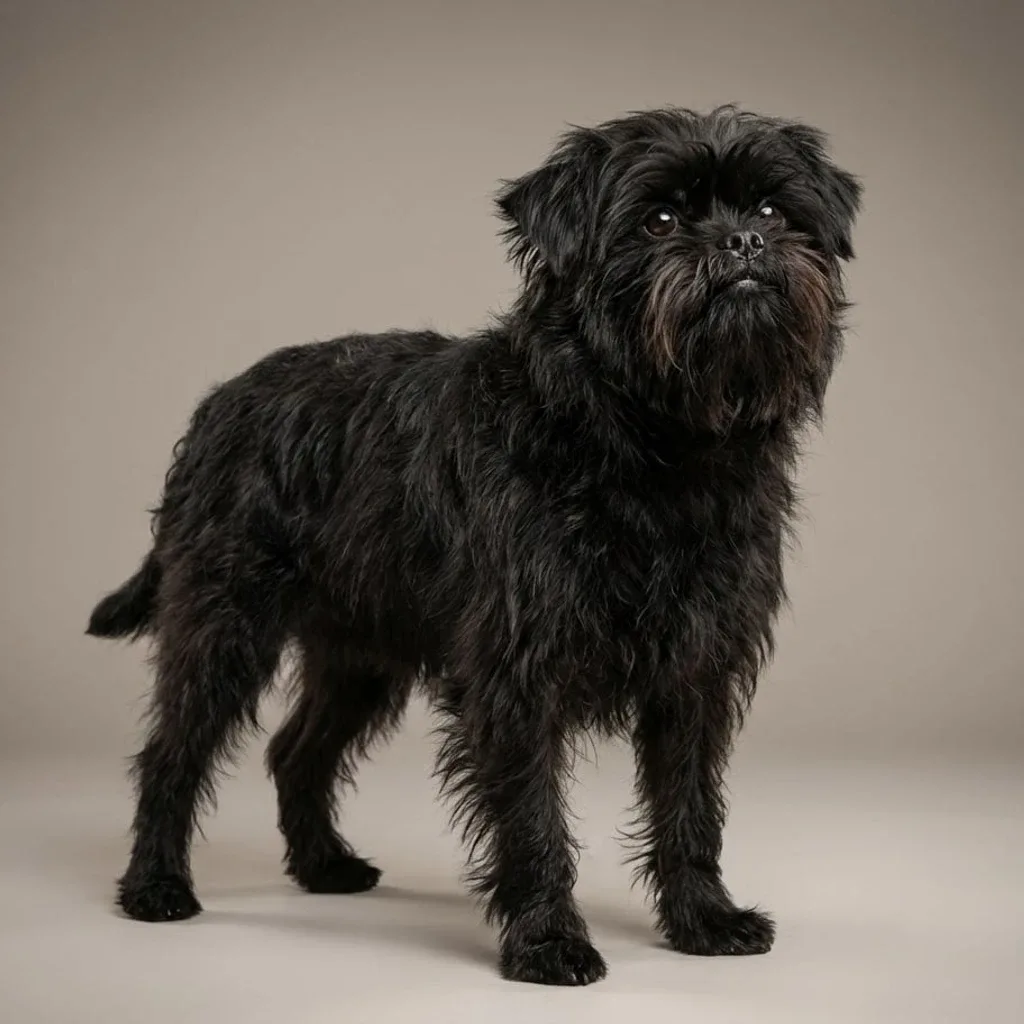
Affenpinscher
The Affenpinscher is a sturdy, monkey-like terrier-type toy breed known for its confidence and playful spirit. Despite its small size, it possesses a courageous heart and a loyal personality, making it a wonderful companion for Kiwi apartment dwellers or those with smaller sections.
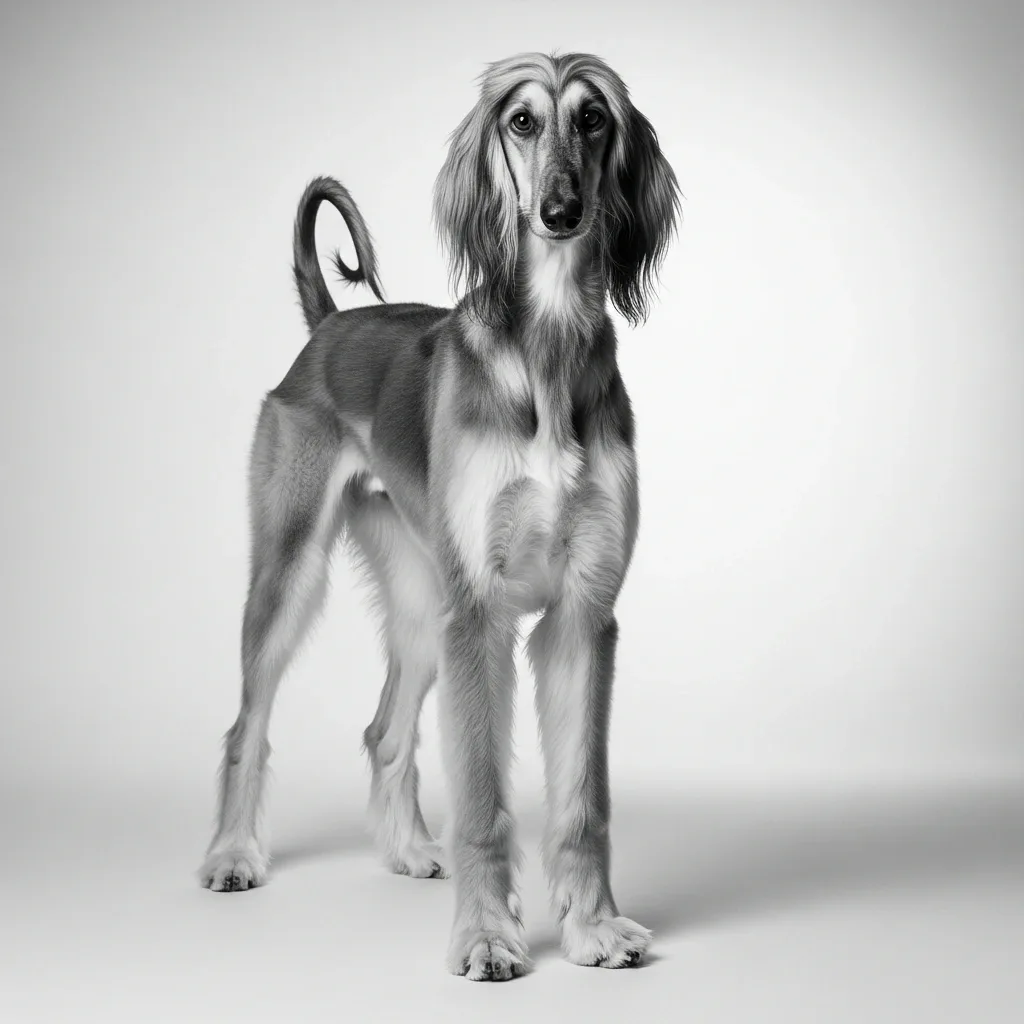
Afghan Hound
The Afghan Hound is an elegant aristocrat with a dignified and aloof personality. Known for its striking, silky coat, this breed is a high-maintenance beauty that requires ample space to run and an owner dedicated to its complex grooming needs.
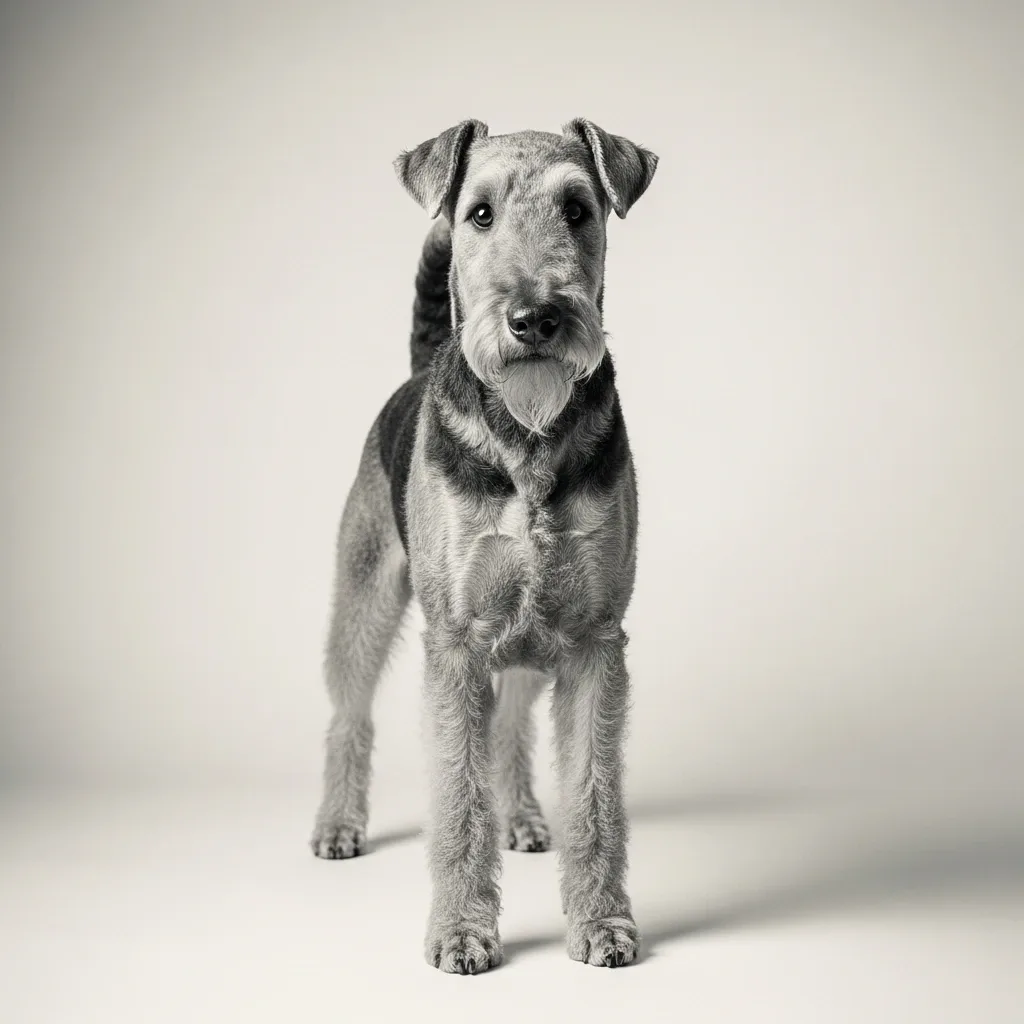
Airedale Terrier
The 'King of Terriers', the Airedale is the largest of all terrier breeds. They are brave, hardworking, and highly intelligent, making them excellent partners for active Kiwi families who love tramping and outdoor adventures.
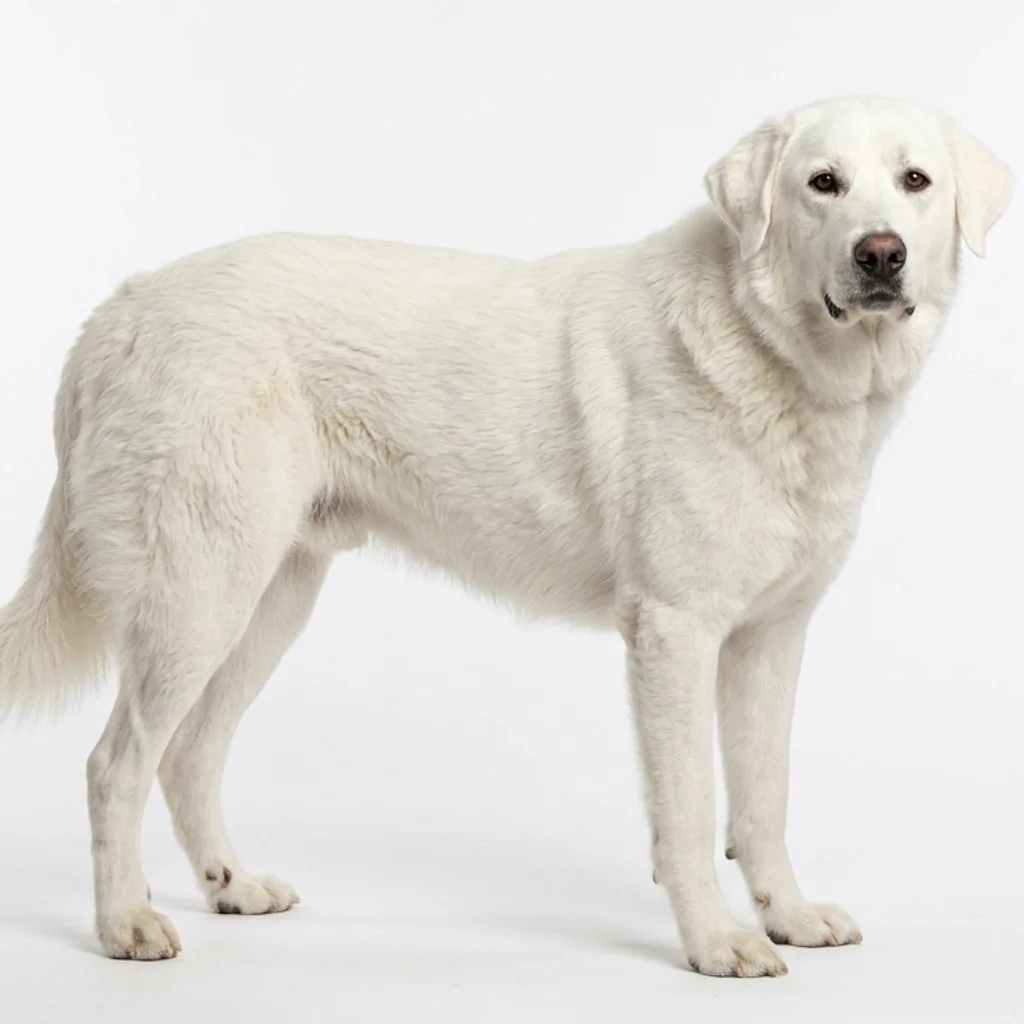
Akbash Dog
Originally a Turkish livestock guardian, the Akbash is a serious, protective, and independent breed. They are not suited for apartment living and thrive on large NZ lifestyle blocks where they can have a 'territory' to watch over.