Best Dogs for First-Time Owners NZ: 8 Breeds to Shortlist
Best dogs for first-time owners NZ: 8 breed shortlists with training, grooming, rental, council and lifestyle checks before you commit.
The best dogs for first-time owners NZ are usually trainable, people-focused breeds with manageable exercise, grooming and behaviour needs. The safest shortlist is not "easy dogs"; it is dogs whose needs match your home, budget, time and willingness to learn.
If this is your first dog, think less about the perfect breed and more about the first 90 days. SPCA New Zealand recommends setting up a quiet space, dog-proofing the home, introducing rooms slowly and keeping early family interactions calm. Those habits matter more than any breed label.
What "first-time friendly" really means
A first-time-friendly dog is not a dog that trains itself. It is a dog that gives you a fair chance to learn good habits:
- Moderate exercise needs you can meet every day.
- Trainability without extreme working-drive intensity.
- A size adults can control on a lead.
- Grooming you can afford and schedule.
- A temperament that responds well to patient, positive routines.
- A realistic fit for your rental, section, apartment or family setup.
MPI's dog welfare guidance says dogs need daily exercise suitable for their age, breed and individual circumstances. Auckland Council's public-place rules are a reminder that owners must keep dogs under control, with leash requirements in many shared places. New owners need to be ready for both: welfare at home and manners in public.
If you rent, check pet consent before you fall in love. Tenancy Services says tenants wanting to start keeping a pet on or after 1 December 2025 generally need consent unless existing approval already applies. Build your dog budget in NZD for food, training, grooming, registration, insurance, fencing or gates, holiday care and replacing the odd chewed thing.
Quick comparison
| Breed | Why first-time owners shortlist it | Watch before you choose |
|---|---|---|
| Cavalier King Charles Spaniel | Small, affectionate, lower exercise pressure. | Needs company and gentle handling; not ideal for long solo days. |
| Havanese | Social, small and responsive to fun training. | Grooming and alone-time practice are real commitments. |
| Miniature Schnauzer | Trainable, sturdy and practical for townhouses. | Alert barking needs early management. |
| Golden Retriever | Friendly, biddable and forgiving for active learners. | Big puppy energy, brushing and food manners need adult consistency. |
| Labrador Retriever | Trainable, common in NZ and easy to find advice for. | Strong, busy young Labs can overwhelm passive owners. |
| Greyhound | Calm adult dogs can suit quiet homes. | Must be managed on lead; chase instinct and warmth need planning. |
| Cocker Spaniel | Cheerful, medium-small and people-oriented. | Coat care, recall and excitement need training. |
| Poodle | Smart, trainable and available in different sizes. | Needs mental work and regular clipping. |
1. Cavalier King Charles Spaniel
A Cavalier King Charles Spaniel is a gentle first-dog shortlist pick for people who want companionship more than athletic intensity. It suits smaller homes, townhouses and families who can give steady attention.
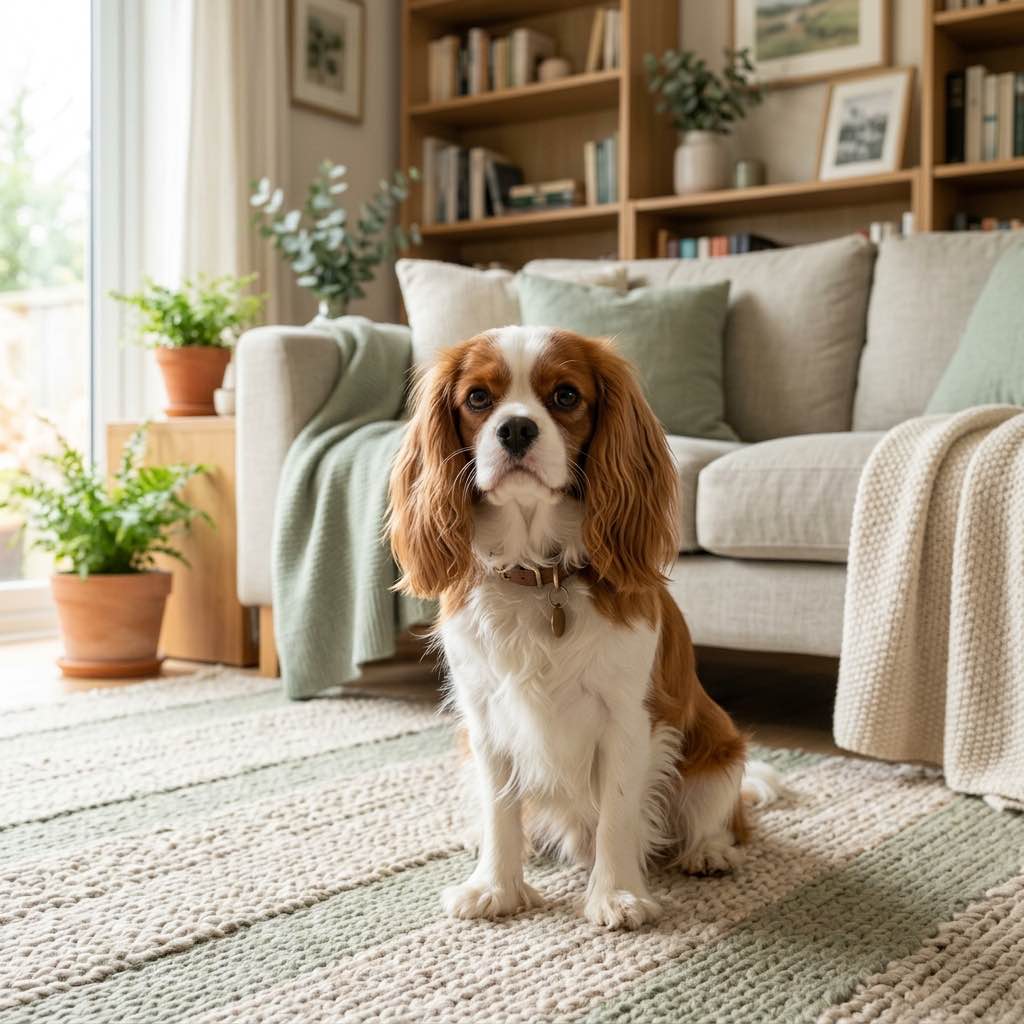
The risk is assuming small means low effort. Cavaliers want company, routine and careful handling. If everyone is away for long workdays, arrange support before choosing one. For first-time owners, the win is a softer learning curve: daily walks, brushing, toilet routines and calm social exposure without the strength of a large teenage dog.
2. Havanese
A Havanese can be a bright, social first dog for owners who enjoy interaction. It is small enough for apartments and city homes, but lively enough to enjoy games, trick training and short adventures.
Plan for grooming and independence training. A Havanese that follows you everywhere can be delightful, but it still needs to learn calm alone time. In Auckland humidity or wet Wellington weeks, a practical coat trim may save everyone stress.
3. Miniature Schnauzer
A Miniature Schnauzer is a good pick for first-time owners who want a compact dog with a bit of substance. It is usually keen to learn and sturdy enough for everyday Kiwi routines: footpath walks, school-run chaos, visitors and weekend errands.
The main issue is alert barking. New owners often accidentally reward barking at couriers, neighbours or hallway sounds. Start early with enrichment, calm greetings and rewards for quiet choices. Grooming also needs booking, so put it in the calendar, not the "someday" pile.
4. Golden Retriever
A Golden Retriever is popular with first-time owners because it is famously people-focused and usually responsive to training. For active households with time, it can be a wonderful first dog.
The honest warning: Goldens are not born polite. Puppies mouth, jump, steal socks and grow quickly. If you can commit to puppy classes, recall practice, leash manners and daily exercise through winter, a Golden is a strong choice. If you want a low-admin dog, it is too much.
5. Labrador Retriever
A Labrador Retriever has a similar appeal: friendly, trainable, common in NZ and supported by a huge amount of local advice. It suits owners who want a dog for beach walks, park time, training games and family life.
Labs are powerful, food-motivated and enthusiastic. That is useful for training, but chaotic without rules. First-time owners should think hard about lead control, jumping, kitchen boundaries and secure food storage. A well-trained Lab is a joy; an unmanaged young Lab can run the household.
6. Greyhound
A Greyhound can surprise first-time owners in the best way, especially as an adult dog. Many are calm indoors, low-grooming and content with a predictable walking routine and a soft bed.
The fit depends on management. Greyhounds are sighthounds, so secure leads, fenced areas and careful small-animal introductions matter. They also feel the cold, which is worth remembering in South Island winters or draughty villas. For quiet adults, an adult Greyhound can be easier than a puppy.
7. Cocker Spaniel
A Cocker Spaniel gives first-time owners a cheerful, medium-small companion without the bulk of a retriever. It can suit homes that want walks, games, training and a dog that enjoys being part of the day.
The work is consistency. Cockers can be busy and excitable, so recall, calm greetings and settling skills matter. Coat care is also part of ownership. If your weekend includes beach sand, muddy berms and sports fields, brushing and drying are not optional extras.
8. Poodle
A Poodle can be excellent for first-time owners who like training. Poodles are clever, responsive and available in sizes that fit different homes, from apartment owners to active families with a section.
The catch is mental workload. A bored smart dog invents hobbies you may not enjoy. Plan food puzzles, training games and calm rest, not just walks. Regular clipping also belongs in the NZD budget. Choose the size and temperament that fit your life, not just the coat.
Crossbreeds and first-time owners
Designer crossbreeds—particularly poodle mixes like the Spoodle (Cocker Spaniel × Poodle, $2,000–$4,500+), Maltipoo (Maltese × Poodle; no published NZ price found, Sept 2026), and Schnoodle (Miniature Schnauzer × Poodle, $2,000–$4,000+)—frequently top the wishlists of first-time Kiwi dog owners. Their appealing looks and reputation for intelligence make them tempting starter dogs.
However, beginner owners must navigate several critical misconceptions. First, crossbreeding does not automatically produce low-shedding coats or guarantee "hybrid vigour"; puppies inherit an unpredictable combination of traits from both parents, meaning some Spoodles shed noticeably while others require extensive grooming every six weeks. Second, crosses lack the standardised health-testing frameworks of recognized kennel clubs, meaning first-time buyers must independently verify that parent dogs have completed breed-specific DNA and joint screenings (such as PRA eye checks and patella scoring). High intelligence also means these dogs quickly become anxious or destructive if left without mental stimulation and consistent boundary training.
Puppy or adult dog?
First-time owners often assume a puppy is easier because it is a blank slate. Sometimes an adult dog is easier. A suitable adult may already have some house habits, a clearer temperament and less surprise size change.
A puppy can still be right, but use the New Puppy Checklist NZ before pickup day. Have a toilet plan, sleep plan, vet booking, food transition, lead setup, safe room and training plan ready before the puppy arrives.
First-time owner checks
- Can you give daily exercise in winter and bad weather?
- Can an adult control the dog on a lead near roads, playgrounds and other dogs?
- Is the section, balcony or front door secure?
- If renting, do you have written pet consent?
- Can you afford training, grooming, registration and holiday care in NZD?
- Are you ready to reward calm behaviour every day, not only correct problems later?
- Have you read the linked breed profile, not just watched cute videos?
- Have you tried the PetMall Find-a-Breed selector?
Key takeaways
- The best dogs for first-time owners NZ are manageable matches, not magically easy breeds.
- Small dogs still need training, exercise, grooming and calm alone-time skills.
- Large friendly breeds such as Labs and Goldens need adult consistency from day one.
- Adult Greyhounds can suit quieter first-time homes when lead and chase management are understood.
- Do not link to plans that are not live yet; use verified guide pages and breed profiles.
- Start with New Dog Owner First 30 Days NZ, Dog Training NZ Guide and Dog Enrichment NZ.
Related reading
- New Dog Owner First 30 Days NZ
- Dog Training NZ Guide
- Dog Enrichment NZ
- New Puppy Checklist NZ
- Find a Breed
Sources
- PetMall breed/species profile data linked in this draft, checked 2026-06-04: https://wiki.petmall.co.nz/dogs/breeds/cavalier-king-charles-spaniel, https://wiki.petmall.co.nz/dogs/breeds/havanese, https://wiki.petmall.co.nz/dogs/breeds/miniature-schnauzer, https://wiki.petmall.co.nz/dogs/breeds/golden-retriever, https://wiki.petmall.co.nz/dogs/breeds/labrador-retriever, https://wiki.petmall.co.nz/dogs/breeds/greyhound, https://wiki.petmall.co.nz/dogs/breeds/cocker-spaniel, https://wiki.petmall.co.nz/dogs/breeds/poodle-standard-miniature-toy
- PetMall internal guide and hub pages linked in this draft, checked 2026-06-04.
- SPCA New Zealand: Bringing your new dog or puppy home - checked 2026-06-04.
- SPCA New Zealand: Helping pets and children build safe, positive relationships - checked 2026-06-04.
- MPI: Code of Welfare: Dogs - checked 2026-06-04.
- Auckland Council: Rules for dogs in public places - checked 2026-06-04.
- Tenancy Services: Requesting pet consent - checked 2026-06-04.
- Tenancy Services: Pet consent conditions - checked 2026-06-04.
Free PetMall tools
Related guides
petmall.co.nz
Shop at PetMall
The products below are practical support items for your pet. PetMall ships across New Zealand.
- Dog FoodStart with food that matches your dog's life stage and activity level — and change brands slowly over 7–10 days.
- Dog TreatsTraining rewards and everyday treats — small, soft pieces work best for consistent reinforcement.
- Dog ToysA small rotation of chew, fetch, and puzzle toys usually works better than buying a large variety at once.
- Dog GroomingA gentle brush and the right shampoo make maintenance easier — especially for dogs that get muddy on walks.
- Leads & HarnessesComfort matters: padded contact points and adjustable fit help reduce rubbing on longer walks or tramping weekends.
- Flea & Worm TreatmentFor NZ conditions, look for protection that fits your routine (monthly vs longer-lasting) and your dog's weight range.