Dog Breed Guide NZ
Greyhound
Often affectionately dubbed the '45mph couch potato,' the Greyhound is a breed of elegant contrasts. While renowned for their incredible speed and athletic prowess on the track, in a home environment, they transform into surprisingly low-energy, deeply affectionate, and gentle companions. Many Greyhounds in New Zealand are retired racers, seeking a loving second chance at a leisurely life. Their sleek, thin skin means they feel the cold intensely and require warmth, but their calm demeanour and minimal grooming needs make them a fantastic fit for many Kiwi households, adapting well to both city flats and suburban homes with a secure section.
Photo Gallery
Breed Snapshot
- Size
- Male: 29-32 kg; Female: 27-29 kg
- Lifespan
- 10-13 years
- Origin
- Being enriched
- Temperament
- Gentle, calm, intelligent, affectionate, independent
- NZ Price
- $800 - $2,500 NZD from registered breeders; $150-$350 NZD adoption via SPCA NZ or breed-specific rescue groups.
- Annual Vet Cost
- Estimated annual vet costs for a Greyhound in NZ range from $600 - $1,200 NZD. This includes routine check-ups, vaccinations, flea/worm treatments, and potential costs for breed-specific issues such as dental disease (common in sighthounds), osteosarcoma (bone cancer), bloat (gastric dilatation-volvulus), and corns on their paw pads. Greyhounds also have unique anaesthetic sensitivities, requiring careful vet protocols, which can sometimes increase procedure costs.
Personality Scores
NZ Lifestyle Fit
Greyhounds are surprisingly adaptable to various New Zealand living situations. For an apartment in Auckland, they can be an excellent choice due to their low indoor energy and quiet nature, provided they receive daily walks. Auckland's humid summers are generally manageable for their short coats, but always ensure access to shade and fresh water during warmer months. A house with a secure section offers them the perfect balance – a safe space for short, exhilarating 'zoomies' followed by long naps indoors. However, their strong prey drive means the section must be fully fenced to prevent them from chasing perceived prey. In rural NZ farm settings, Greyhounds can thrive, but extreme caution is needed around livestock and small farm animals; their sighthound instincts are powerful. South Island cold winters necessitate warm coats, especially for walks, and a warm, dry indoor sleeping area is non-negotiable. New Zealand's high UV levels mean pale-skinned Greyhounds may benefit from sunscreen on sensitive areas like noses and ears, and always ensure shade during peak sun hours. There are no specific MPI restrictions on Greyhound ownership, but general dog control bylaws apply.
Origins & History
With a lineage stretching back thousands of years, the Greyhound is one of the oldest dog breeds, depicted in ancient Egyptian tombs and celebrated in Greek and Roman literature. Bred primarily as sighthounds, their exceptional speed and keen eyesight made them formidable hunters of small game. Over centuries, their role evolved, leading to their prominence in competitive racing, a sport that gained significant traction globally, including in New Zealand. Today, while racing still exists, there's a growing movement to rehome retired Greyhounds, offering them a well-deserved life as cherished family pets, a trend embraced by many compassionate Kiwis.
Appearance
The Greyhound is the epitome of canine elegance and athleticism. They possess a lean, muscular build with a deep chest, a flexible spine, and long, powerful legs perfectly adapted for bursts of incredible speed. Their head is long and narrow, with intelligent, expressive eyes. Their coat is short, smooth, and fine, coming in a vast array of colours and patterns, from solid black, white, and fawn to brindle and parti-colour. Males typically weigh between 29-32 kg, while females are slightly smaller at 27-29 kg, standing tall and graceful.
Temperament & Personality
Despite their racing heritage, Greyhounds are renowned for their gentle, calm, and intelligent nature. Indoors, they are remarkably quiet and low-energy, content to lounge on a soft bed or sofa, earning their 'couch potato' moniker. They are deeply affectionate with their families, forming strong bonds and enjoying cuddles. While they can be independent, they thrive on companionship and are generally good with children and other pets, provided proper introductions are made, especially with smaller animals due to their inherent prey drive. Their sensitive nature means they respond best to positive reinforcement and a calm home environment.
Life in New Zealand
Greyhounds have found a special place in the hearts of New Zealanders, largely due to the many retired racers seeking forever homes. Their adaptability makes them suitable for various Kiwi lifestyles, from city apartment living (with regular walks) to homes with a secure section. However, their thin skin and minimal body fat mean they are highly susceptible to cold, necessitating warm coats in winter – a crucial consideration for South Island residents. In summer, their short coats are easy to manage, but protection from New Zealand's high UV levels is important, especially for pale-skinned dogs. They enjoy walks on our beautiful beaches and reserves, always on a lead where small animals might be present.
Is This the Right Breed for You?
A Greyhound could be your perfect companion if you're looking for a gentle, quiet, and affectionate dog that enjoys both a good sprint and a long nap. They are ideal for individuals or families who appreciate a calm indoor presence but are committed to providing daily exercise and mental stimulation. Prospective owners must be prepared for their sensitivity to cold and their strong prey drive, which requires careful management around small pets and in unsecured areas. If you're ready to offer a warm, loving home and understand their unique needs, a Greyhound will reward you with unwavering loyalty and a truly unique personality.
Fun Facts
Fact 1
Greyhounds are often called the '45mph couch potato' due to their incredible speed and love for lounging.
Fact 2
They are one of the few dog breeds with a unique blood type, making them universal blood donors for other dogs.
Fact 3
Greyhounds have very little body fat, making them highly susceptible to cold and requiring warm coats in winter.
Fact 4
Their deep chest makes them prone to bloat (gastric dilatation-volvulus), a serious condition requiring immediate veterinary attention.
Fact 5
Greyhounds can be sensitive to certain anaesthetics, requiring vets to use specific drug protocols during procedures.
Related Breeds
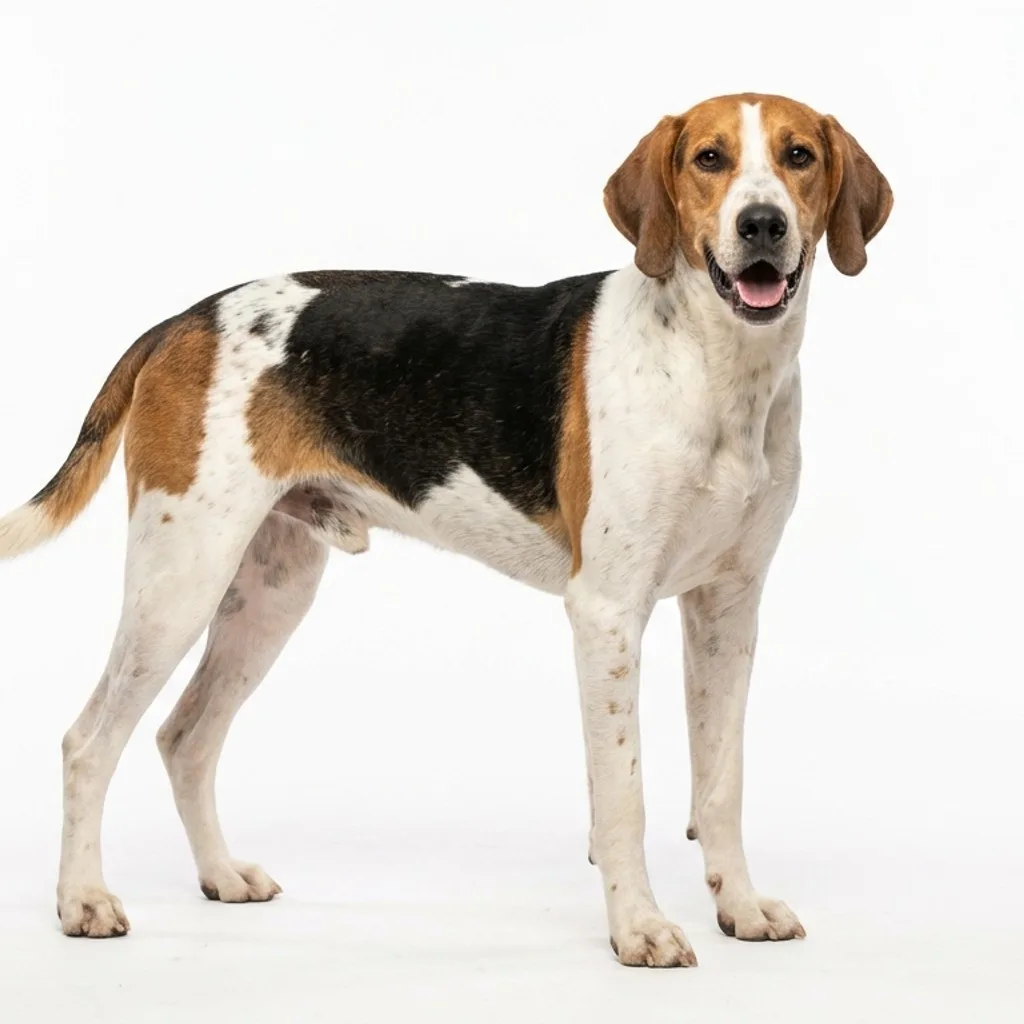
American Foxhound
A scent hound known for its stamina and musical bark. They are easygoing but require significant exercise. Not recommended for suburban life unless the owner is an avid runner.
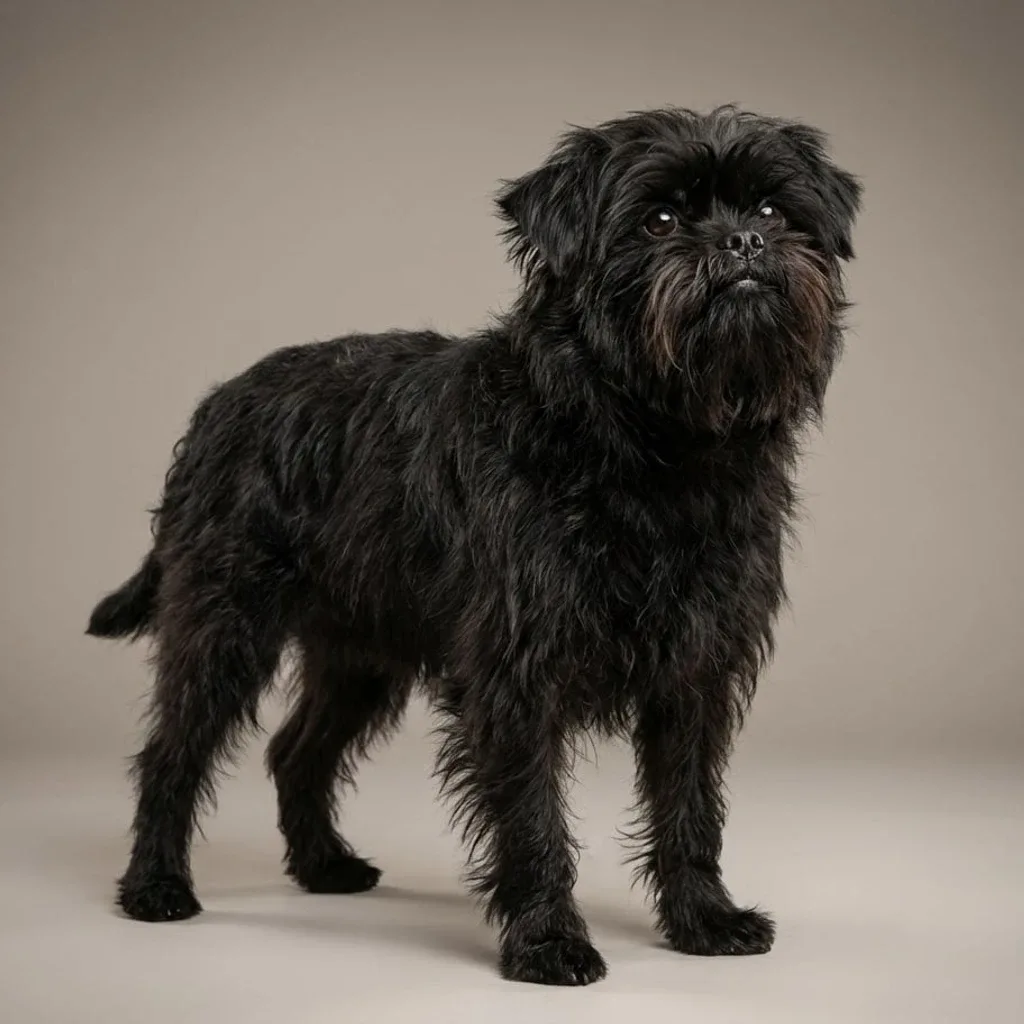
Affenpinscher
The Affenpinscher is a sturdy, monkey-like terrier-type toy breed known for its confidence and playful spirit. Despite its small size, it possesses a courageous heart and a loyal personality, making it a wonderful companion for Kiwi apartment dwellers or those with smaller sections.
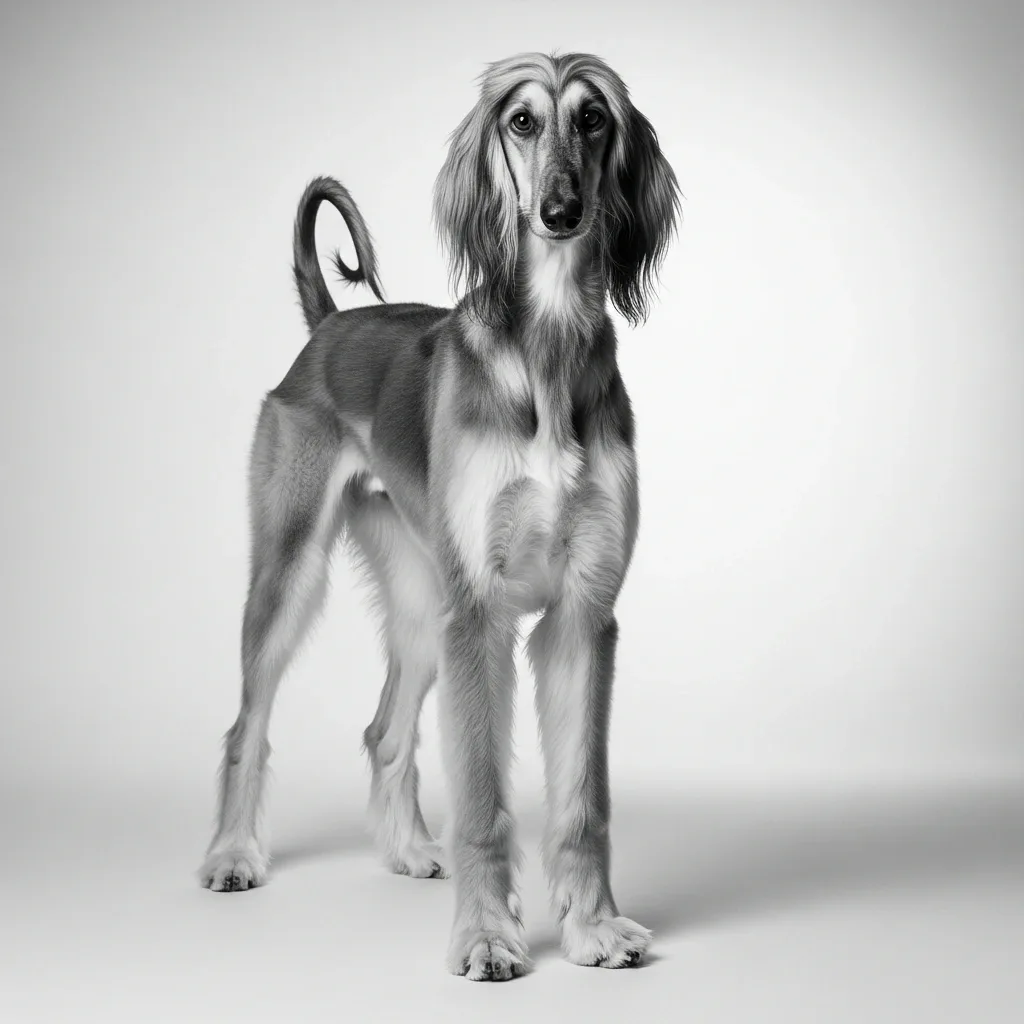
Afghan Hound
The Afghan Hound is an elegant aristocrat with a dignified and aloof personality. Known for its striking, silky coat, this breed is a high-maintenance beauty that requires ample space to run and an owner dedicated to its complex grooming needs.
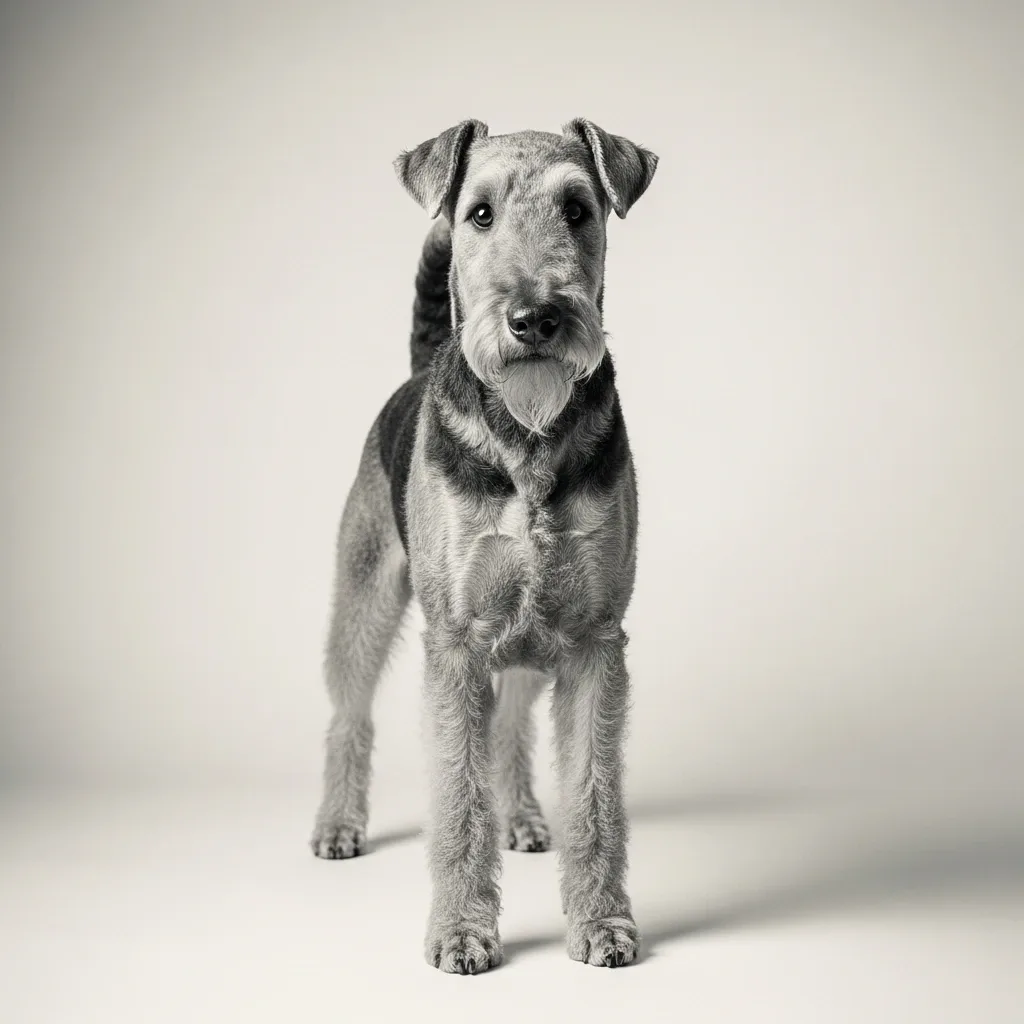
Airedale Terrier
The 'King of Terriers', the Airedale is the largest of all terrier breeds. They are brave, hardworking, and highly intelligent, making them excellent partners for active Kiwi families who love tramping and outdoor adventures.