Dog Breed Guide NZ
Cocker Spaniel
The English Cocker Spaniel, a beloved gundog, is renowned for its boundless energy and perpetually wagging tail. More robust and active than its American cousin, this cheerful companion thrives on adventure. Their intelligent, eager-to-please nature makes them highly trainable, while their affectionate disposition ensures they integrate seamlessly into family life. Known for their expressive eyes and flowing ears, they are a charming presence. Perfect for active Kiwi households, these spaniels excel in outdoor pursuits, from tramping through native bush to frolicking on our beautiful beaches, making them an ideal fit for New Zealand's vibrant, outdoor-centric lifestyle.
Photo Gallery
Breed Snapshot
- Size
- 12-16 kg
- Lifespan
- 12-15 years
- Origin
- Being enriched
- Temperament
- The Cocker Spaniel should be merry, affectionate and equable, with no suggestion of timidity. It is generally people-focused and trainable, suiting homes that can give gentle handling and regular activity.
- NZ Price
- $1,800 - $4,000 NZD from registered breeders; $250-$500 NZD adoption via SPCA NZ or breed-specific rescues.
- Annual Vet Cost
- Estimated annual vet costs for an English Cocker Spaniel in New Zealand typically range from $450 - $850 NZD for routine care, including vaccinations, flea/worm treatments, and annual check-ups. However, due to breed-specific health issues, owners should budget an additional $500 - $1,500+ NZD annually for potential treatments. Common concerns include chronic ear infections (due to their long, pendulous ears), various eye conditions (e.g., Progressive Retinal Atrophy, cataracts), hip and elbow dysplasia, and patellar luxation. Regular vet visits are crucial for early detection and management.
Personality Scores
NZ Lifestyle Fit
The English Cocker Spaniel can adapt to various New Zealand living situations, though some are better suited than others. For an apartment in Auckland, it's possible but challenging; they require substantial daily exercise, meaning dedicated walks around the Domain, waterfront, or local parks, even during Auckland's humid summers. Their long coat can make them prone to overheating, so shade and cool water are essential. A house with a secure, fenced section is ideal, providing ample space for play and exploration, which is crucial for their physical and mental well-being. For rural New Zealand farms, they are in their element, enjoying the wide-open spaces, but their gundog instincts mean careful supervision around livestock is paramount to prevent chasing. South Island's cold winters are generally manageable with their double coat, but they'll always need a warm, indoor sleeping spot. High UV levels across NZ mean lighter-coated dogs might need sun protection on sensitive areas like their nose and ears. MPI has no specific restrictions on owning English Cocker Spaniels, making them a straightforward choice for Kiwi families.
Origins & History
The English Cocker Spaniel boasts a rich history rooted in the British Isles, specifically developed as a gundog to flush out woodcock (hence 'cocker'). Their lineage traces back centuries, with distinct types of spaniels being recognised as early as the 14th century. The breed as we know it today began to solidify in the 19th century, with careful breeding focusing on their agility, keen sense of smell, and unwavering enthusiasm for work. They were originally classified alongside other spaniels, but by 1892, the Kennel Club in the UK officially recognised the Cocker Spaniel as a distinct breed. Their purpose was to work in dense cover, retrieving game with a soft mouth, a trait that speaks to their gentle nature even today. Their enduring popularity stems from this blend of working ability and affectionate companionship.
Appearance
The English Cocker Spaniel is a medium-sized dog, typically weighing between 13-16 kg and standing 38-41 cm at the shoulder. They possess a sturdy, compact build, giving them a rugged appearance that belies their gentle nature. Their most striking features include their long, pendulous ears, which are set low and adorned with silky feathering, and their large, expressive eyes that convey intelligence and warmth. Their coat is medium-length, silky, and lies flat, with feathering on their legs, chest, and belly. They come in a wide array of colours, including solid black, red, golden, liver, and various parti-colours (two or more colours) such as black and white, orange and white, or roan patterns. Their constantly wagging tail is a hallmark of their cheerful disposition.
Temperament & Personality
Known as the 'merry cocker', the English Cocker Spaniel lives up to its nickname with an almost perpetual tail wag. They are exceptionally joyful, affectionate, and eager to please, making them wonderful family pets. Their intelligence and willingness to learn contribute to their high trainability, though they can have a mischievous streak. They thrive on human companionship and do not do well when left alone for extended periods, potentially developing separation anxiety. They are generally good with children and other pets, provided they are properly socialised from a young age. Their gundog heritage means they have a strong prey drive and an innate curiosity, always ready for an adventure. They require consistent mental and physical stimulation to prevent boredom and destructive behaviours.
Life in New Zealand
English Cocker Spaniels are well-suited to the New Zealand lifestyle, particularly for active individuals or families who enjoy the outdoors. Their robust nature makes them excellent companions for tramping, beach walks, or exploring our many dog-friendly reserves. They adapt well to suburban homes with secure sections, where they can burn off energy, but can also thrive in more rural settings. Their love for water makes them ideal companions for trips to the bach or swims at the beach. However, their long ears and feathered coats require diligent care, especially after adventures in muddy or bushy terrain, to prevent matting and infections. New Zealand's varied climate, from humid Auckland summers to colder South Island winters, means owners need to be mindful of their comfort, providing shade in summer and warmth in winter.
Is This the Right Breed for You?
An English Cocker Spaniel is an excellent choice for a family or individual who can commit to their significant exercise and grooming needs. They are not a 'couch potato' breed and require daily activity to stay happy and healthy. If you enjoy an active lifestyle and are looking for a loyal, cheerful, and intelligent companion to join you on your adventures, this breed could be a perfect match. They thrive on interaction and being part of the family, so if you're often away from home for long hours, another breed might be more suitable. Their affectionate nature means they will reward your dedication with boundless love and a constantly wagging tail.
Fun Facts
Fact 1
The English Cocker Spaniel was originally bred to flush out woodcock, hence the 'Cocker' in their name.
Fact 2
They are often referred to as the 'merry cocker' due to their cheerful disposition and constantly wagging tail.
Fact 3
The breed has a strong sense of smell and is highly adept at scent work, often used in detection roles.
Fact 4
Despite their elegant appearance, they are rugged gundogs capable of working in dense undergrowth.
Fact 5
They are one of the oldest land spaniel breeds, with their lineage tracing back many centuries in Britain.
Related Breeds
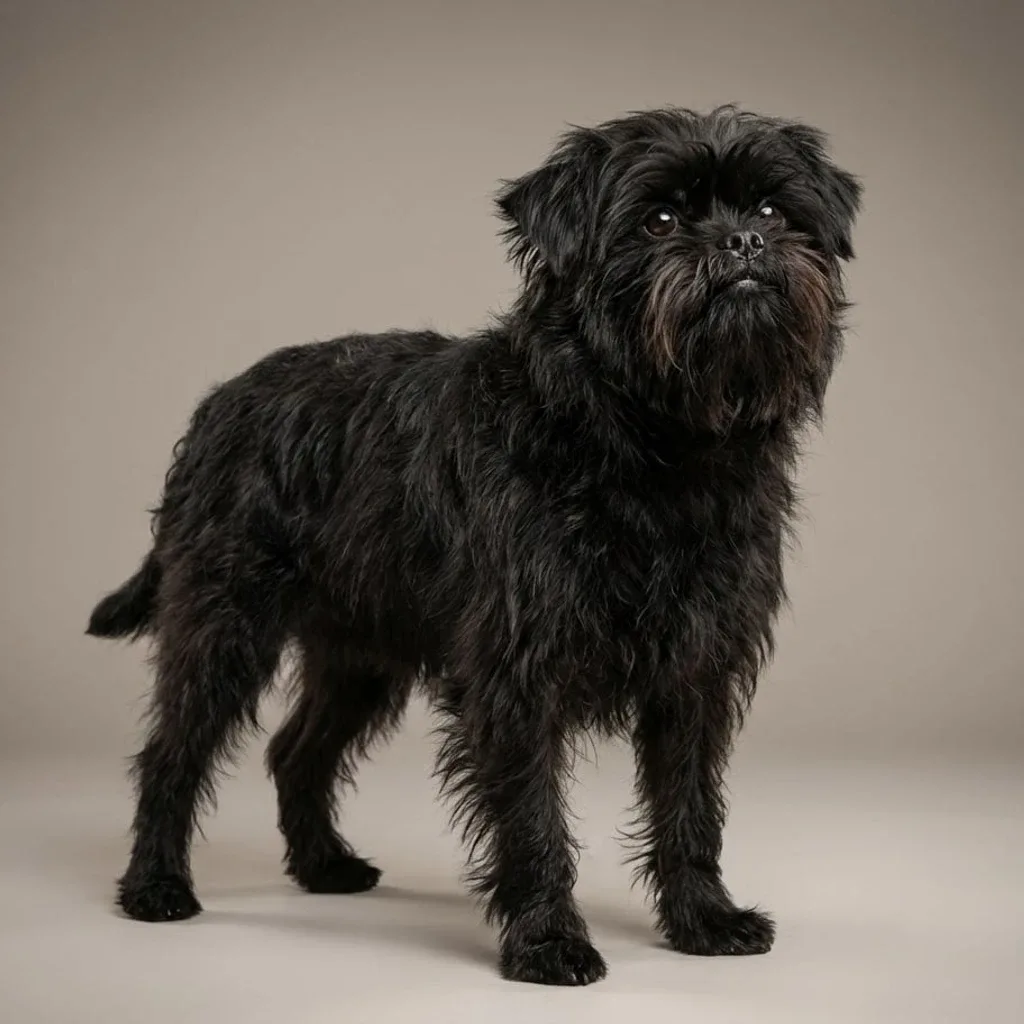
Affenpinscher
The Affenpinscher is a sturdy, monkey-like terrier-type toy breed known for its confidence and playful spirit. Despite its small size, it possesses a courageous heart and a loyal personality, making it a wonderful companion for Kiwi apartment dwellers or those with smaller sections.
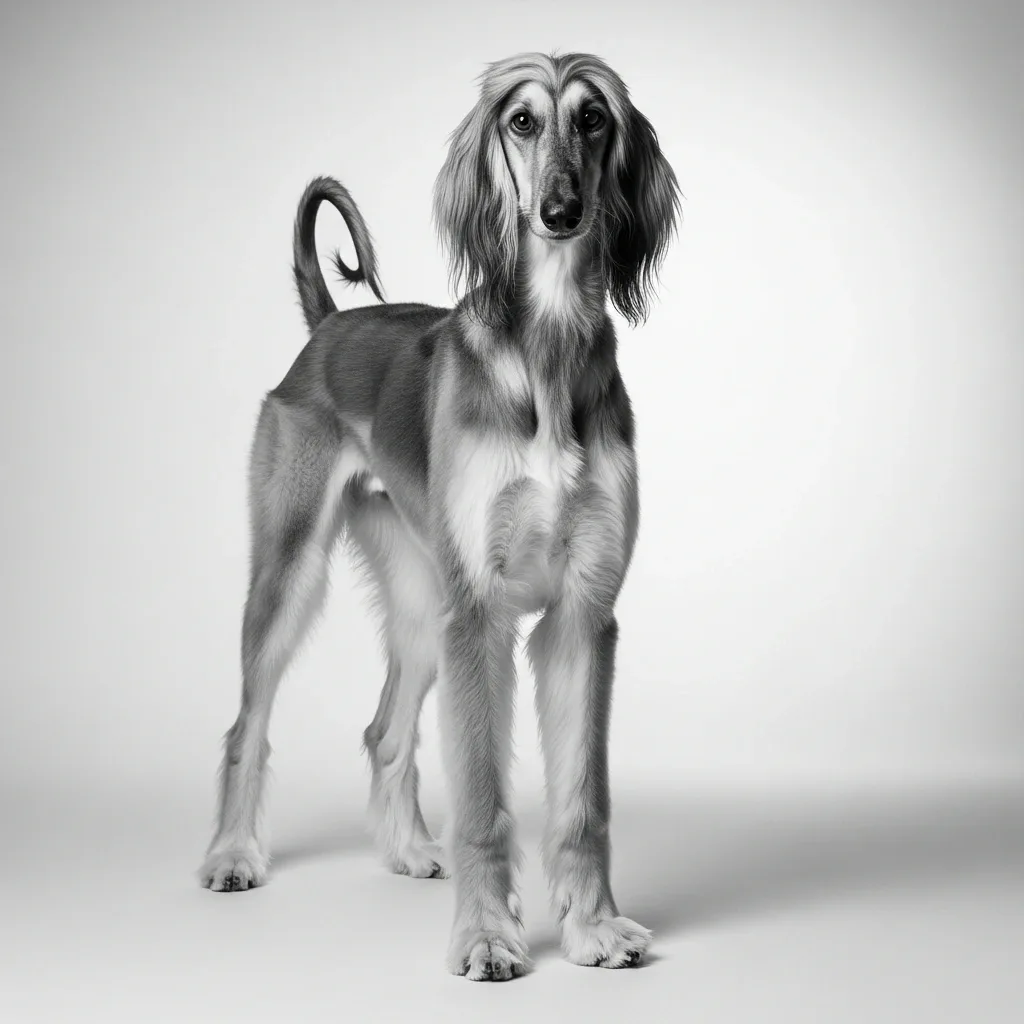
Afghan Hound
The Afghan Hound is an elegant aristocrat with a dignified and aloof personality. Known for its striking, silky coat, this breed is a high-maintenance beauty that requires ample space to run and an owner dedicated to its complex grooming needs.
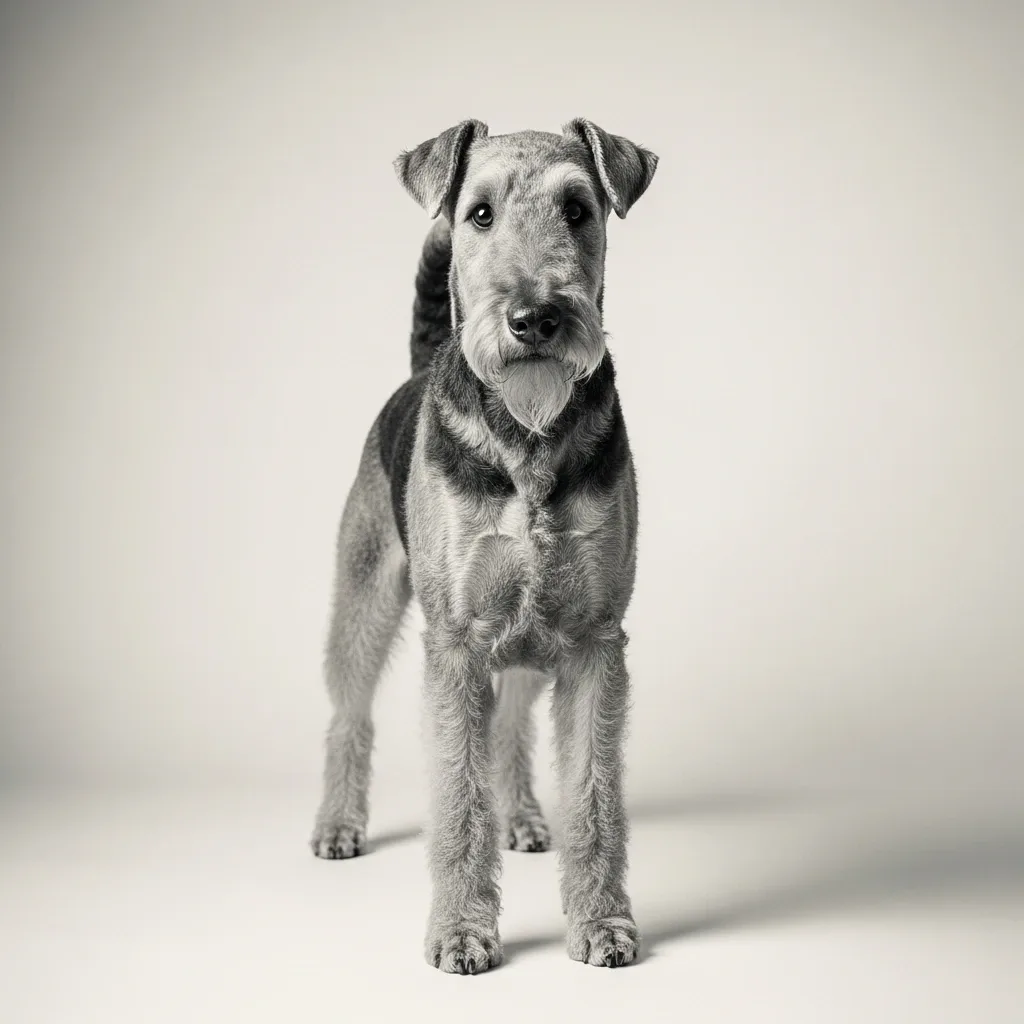
Airedale Terrier
The 'King of Terriers', the Airedale is the largest of all terrier breeds. They are brave, hardworking, and highly intelligent, making them excellent partners for active Kiwi families who love tramping and outdoor adventures.
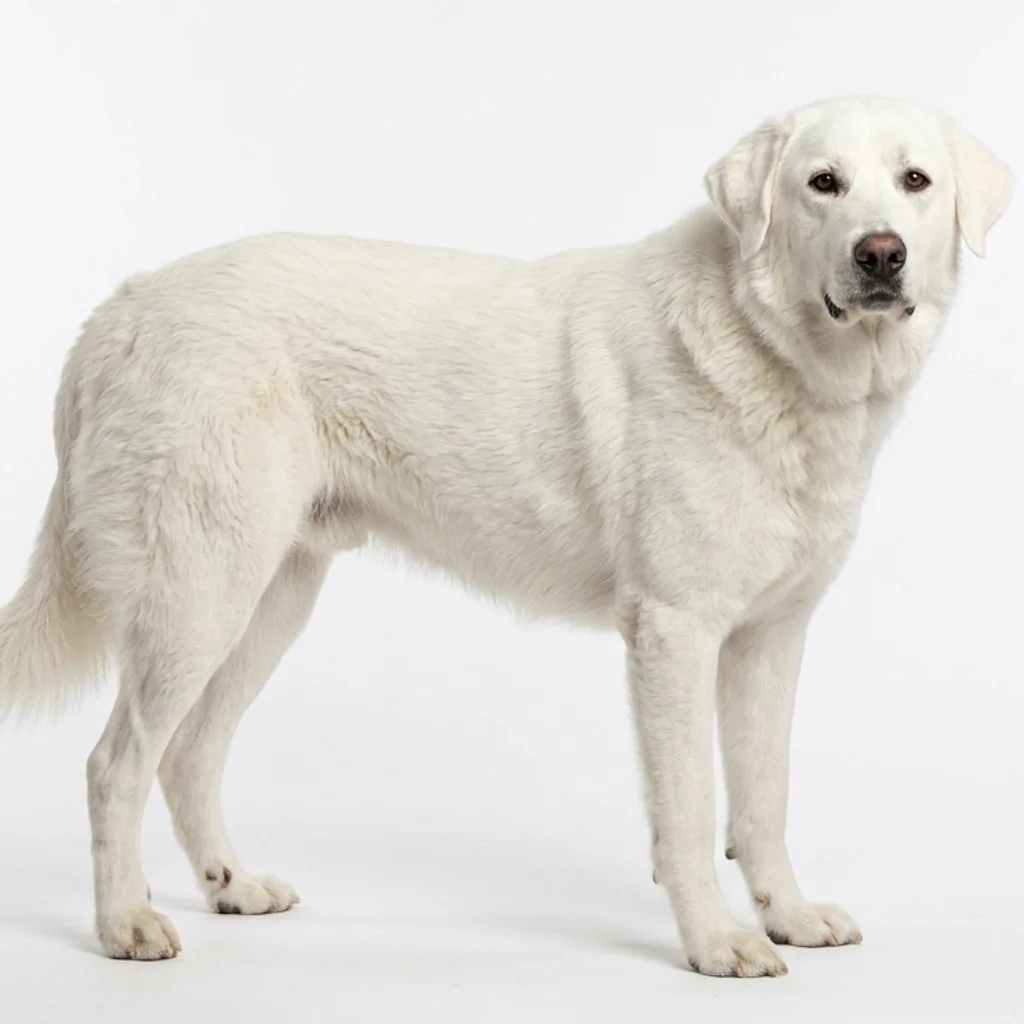
Akbash Dog
Originally a Turkish livestock guardian, the Akbash is a serious, protective, and independent breed. They are not suited for apartment living and thrive on large NZ lifestyle blocks where they can have a 'territory' to watch over.