Dog Breed Guide NZ
Poodle (Standard)
Don't let the Poodle's sophisticated appearance fool you—beneath that elegant coat lies one of the most intelligent and athletic dog breeds on the planet. Originally bred as keen water retrievers in Germany, Poodles are renowned for their sharp minds, eagerness to please, and remarkable trainability. They come in three distinct sizes—Standard, Miniature, and Toy—each sharing the same brilliant temperament and distinctive curly, low-shedding coat, making them an excellent choice for allergy sufferers. Highly affectionate and playful, Poodles thrive on companionship and mental stimulation. Their adaptability and joy for life make them wonderful family pets, fitting seamlessly into various Kiwi lifestyles, from active urban dwellers to families with a spacious section.
Photo Gallery
Breed Snapshot
- Size
- 20-32 kg
- Lifespan
- 10-18 years
- Origin
- Germany
- Temperament
- Intelligent, alert, playful, confident, eager to please
- NZ Price
- $1,800 - $4,500 NZD from registered breeders; $150-$350 NZD adoption via SPCA
- Annual Vet Cost
- Estimated annual vet costs for a Poodle in NZ range from $400 - $800 NZD for routine care (vaccinations, flea/worming, annual check-ups). However, Poodles are prone to certain breed-specific health issues such as Hip Dysplasia, Progressive Retinal Atrophy (PRA), Addison's Disease, Epilepsy, and Bloat (especially in Standards). Managing these conditions, if they arise, could incur additional costs ranging from hundreds to several thousands of dollars annually, depending on the severity and treatment required.
Personality Scores
NZ Lifestyle Fit
Poodles are highly adaptable to New Zealand's diverse living conditions. Toy and Miniature Poodles can thrive in an Auckland apartment, provided they receive daily walks around the block or visits to a local park, and plenty of indoor mental stimulation. Standard Poodles, while adaptable, generally prefer a house with a section where they can stretch their legs and play. For rural NZ farm life, Poodles are not typically working dogs, but can be excellent companions if adequately exercised and protected from farm hazards. New Zealand's climate is generally well-tolerated. Auckland's humid summers necessitate regular grooming to prevent matting and skin issues, and access to shade and fresh water is crucial. South Island's cold winters are manageable for Poodles, especially those with a slightly longer coat, though a dog coat might be appreciated for very short clips. High UV levels across NZ mean lighter-coloured Poodles or those with very short clips should have sunscreen applied to exposed skin, or wear protective clothing during peak sun hours. There are no specific MPI restrictions on Poodles entering or residing in New Zealand.
Origins & History
The Poodle's origins trace back to Germany, not France as commonly believed, where they were known as 'Pudelhunde'—'pudel' meaning 'to splash in water'. These dogs were highly valued for their exceptional water retrieving skills, particularly for hunting waterfowl. Their distinctive curly coat, which is dense and water-resistant, provided insulation in cold water, and early clips were practical, designed to protect vital organs and joints while allowing for greater mobility. Over centuries, their intelligence and elegant appearance led to their popularity among European nobility, eventually evolving into the beloved companion dogs we know today. The three sizes—Standard, Miniature, and Toy—were selectively bred to suit different roles and living environments, but all maintain the core Poodle characteristics of intelligence and athleticism.
Appearance
Poodles are instantly recognisable by their unique curly, dense, and non-shedding coat, which comes in a vast array of solid colours, including black, white, brown, apricot, and silver. This coat requires regular grooming to prevent matting and maintain its health. They possess an elegant, athletic build with a proud carriage, long muzzle, and dark, expressive eyes. The Standard Poodle is the largest, typically standing over 38 cm at the shoulder, making them a substantial and graceful dog. Miniature Poodles are smaller, usually between 25-38 cm, offering a more compact size while retaining the Standard's presence. The Toy Poodle is the smallest, standing under 25 cm, perfectly suited for smaller living spaces but still packed with personality.
Temperament & Personality
True to their reputation, Poodles are exceptionally intelligent, often ranking among the smartest dog breeds. This sharp mind, combined with an eager-to-please nature, makes them highly trainable and quick learners, excelling in obedience, agility, and various dog sports. They are alert and attentive, often making good watchdogs, though not typically aggressive. Poodles are inherently playful and confident, thriving on interaction with their families. They form strong bonds and can be wonderfully affectionate, enjoying being an integral part of household activities. However, their intelligence means they require consistent mental stimulation to prevent boredom, which can lead to undesirable behaviours. Early socialisation is crucial to ensure they grow into well-adjusted, confident companions.
Life in New Zealand
Poodles are remarkably adaptable dogs, making them well-suited to various lifestyles across Aotearoa. Their intelligence and desire for companionship mean they thrive in homes where they are included in family activities, whether it's a stroll along a local beach, a bush walk in a regional park, or simply relaxing at the bach. Their low-shedding coat is a significant advantage for allergy sufferers, a common concern for many Kiwi families. With proper exercise and mental engagement, Poodles can be content in urban flats or more spacious homes with a section. Their robust nature allows them to handle New Zealand's diverse climate, from humid Auckland summers to crisp South Island winters, provided they receive appropriate grooming and care.
Is This the Right Breed for You?
A Poodle could be your perfect companion if you're seeking an intelligent, active, and affectionate dog who enjoys being part of the family. They are an excellent choice for first-time dog owners due to their trainability, but prospective owners must be prepared for their significant grooming needs and commitment to mental stimulation. Poodles thrive in environments where they receive consistent training, regular exercise, and plenty of social interaction. They are generally good with children and other pets when properly socialised, making them fantastic family dogs. If you're ready to invest time in their care, training, and companionship, a Poodle will reward you with unwavering loyalty, endless entertainment, and a truly brilliant canine friend.
Fun Facts
Fact 1
The name 'Poodle' comes from the German word 'Pudel' or 'Pudelin', meaning 'to splash in water', reflecting their original role as water retrievers.
Fact 2
Despite their elegant appearance, Poodles are highly athletic and excel in various dog sports like agility, obedience, and dock diving.
Fact 3
The elaborate Poodle show clips, often seen as purely aesthetic, actually originated from practical purposes to protect joints and vital organs from cold water during hunting.
Fact 4
Poodles are consistently ranked among the most intelligent dog breeds, often placing in the top 3, making them highly trainable.
Fact 5
They come in three distinct sizes—Standard, Miniature, and Toy—all recognised as the same breed, sharing the same temperament and coat type.
Related Breeds
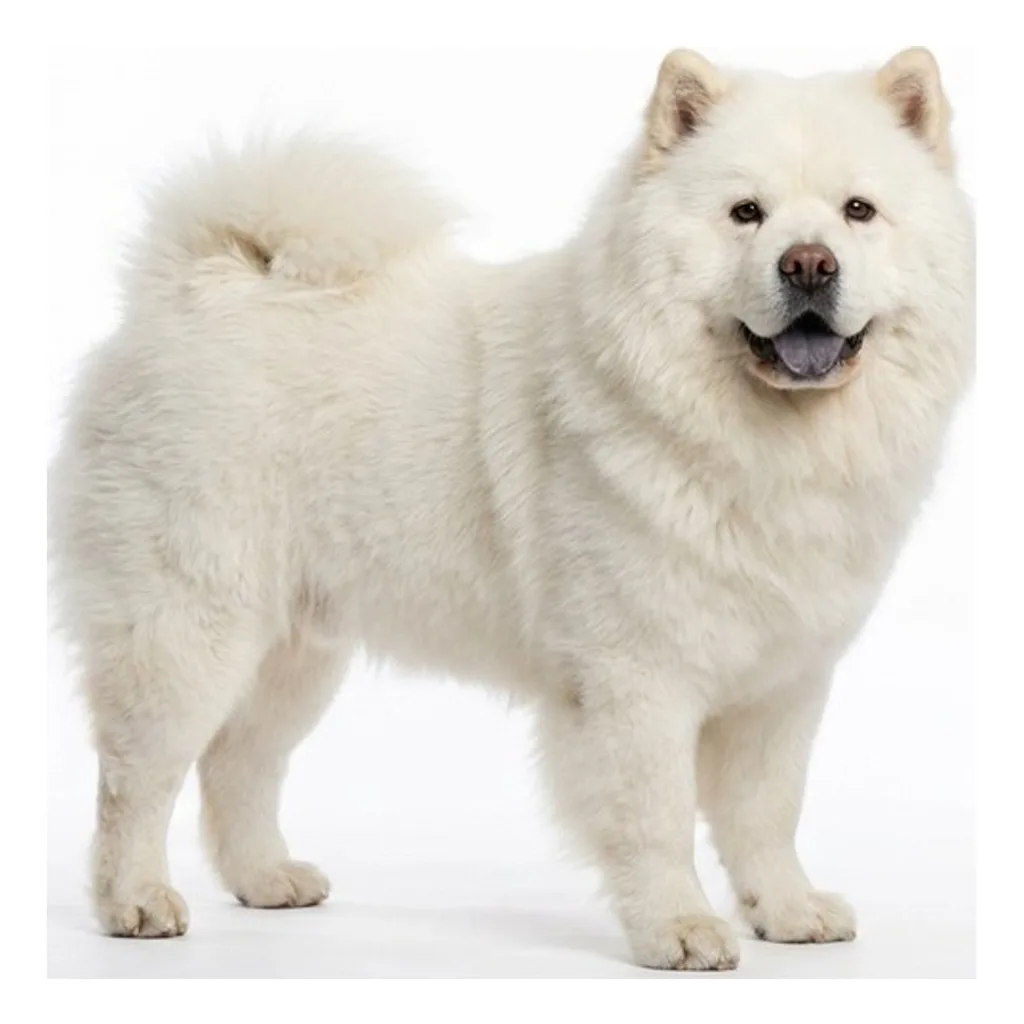
Chow Chow
Dignified and aloof, the Chow Chow is an ancient breed known for its lion-like mane and blue-black tongue. They are fiercely loyal to their family but can be very reserved with strangers. They are clean, quiet dogs suited for owners who respect their independent nature.
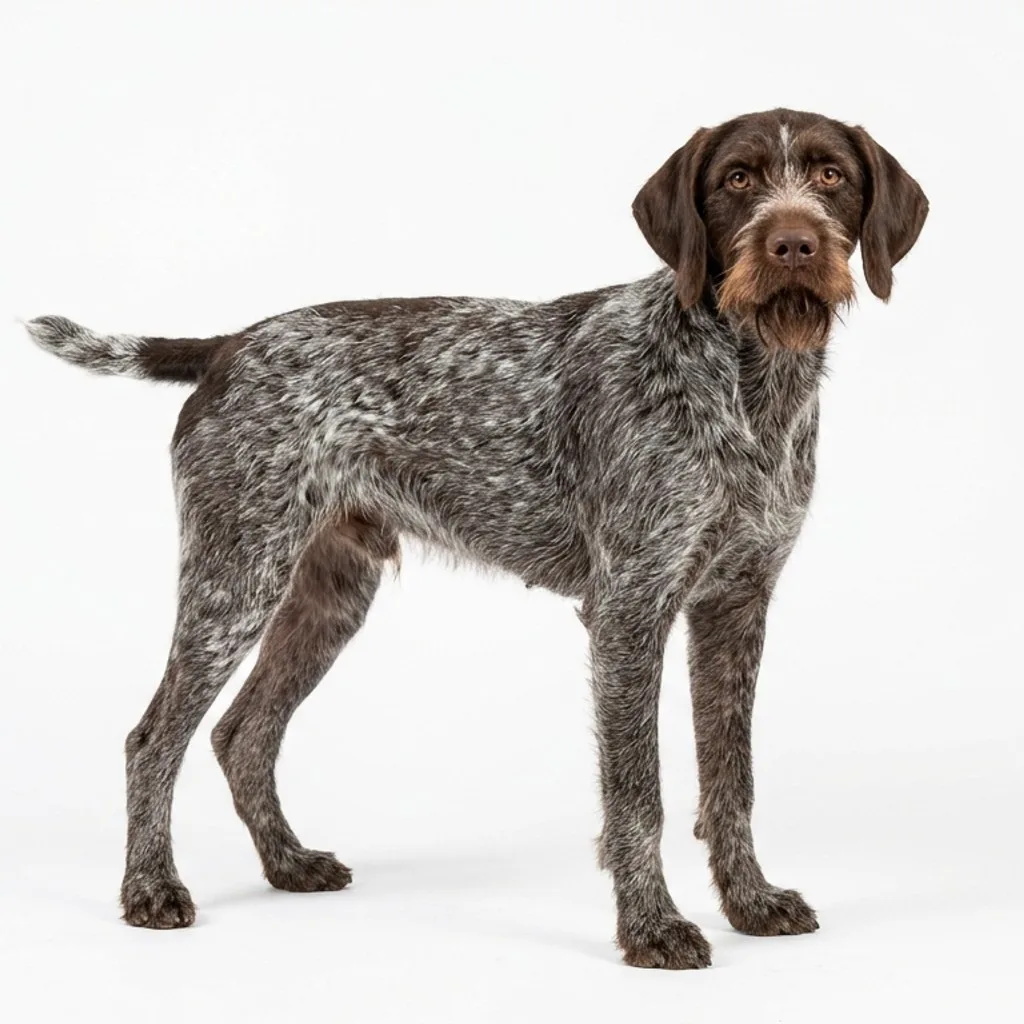
German Wirehaired Pointer
Rugged, resilient, and intelligent. The GWHP possesses a weather-resistant wiry coat that makes them the ultimate field dog for NZ's unpredictable climate. They are devoted companions that thrive in the outdoors.
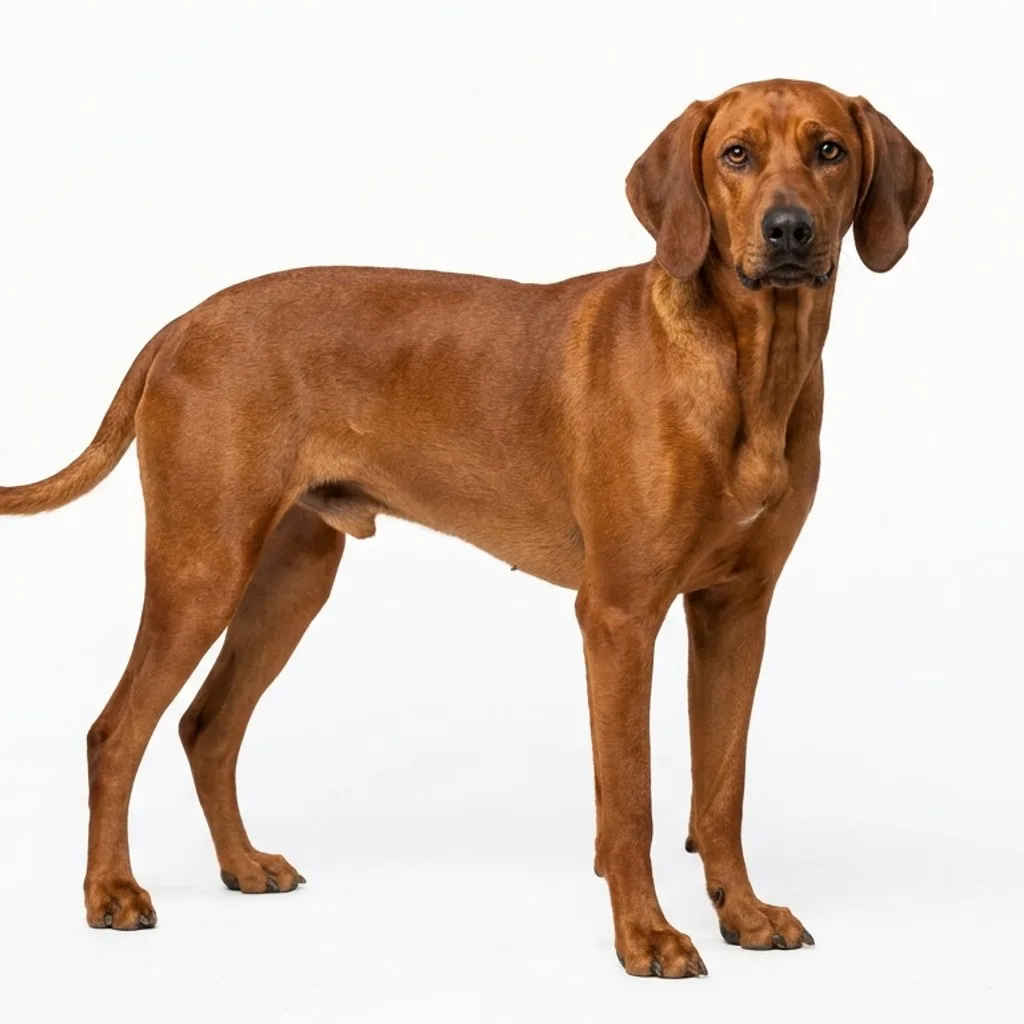
Redbone Coonhound
An athletic, intelligent, and courageous scent hound with a striking red coat. Redbones are dedicated workers and loyal companions known for their stamina and musical bark.
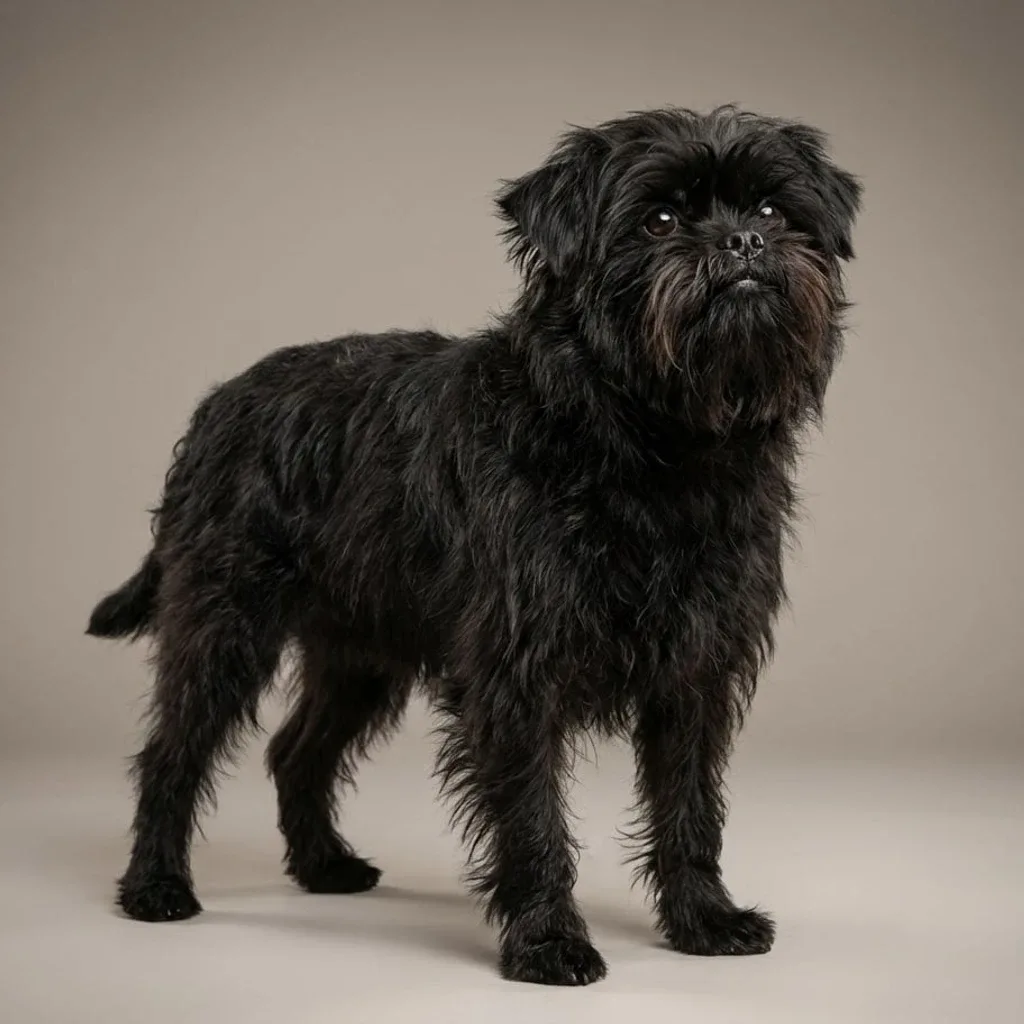
Affenpinscher
The Affenpinscher is a sturdy, monkey-like terrier-type toy breed known for its confidence and playful spirit. Despite its small size, it possesses a courageous heart and a loyal personality, making it a wonderful companion for Kiwi apartment dwellers or those with smaller sections.