Dog Breed Guide NZ
Redbone Coonhound
The Redbone Coonhound is a truly distinctive canine, instantly recognisable by its striking, deep red coat. An athletic, intelligent, and courageous scent hound, this breed is renowned for its incredible stamina, musical bark, and unwavering dedication as a worker. Originally bred for hunting, Redbones are also incredibly loyal and affectionate companions, eager to please their families. Their energetic nature and strong drive mean they thrive in active households. For Kiwis who enjoy the great outdoors, whether it's tramping, long walks on the beach, or simply having a secure section for them to explore, the Redbone Coonhound can be a fantastic, devoted addition to the whānau.
Photo Gallery
Breed Snapshot
- Size
- 20-32 kg
- Lifespan
- 12-15 years
- Origin
- Being enriched
- Temperament
- Friendly, loyal, eager to please, energetic, affectionate
- NZ Price
- $1,500 - $3,500 NZD from registered breeders; $150-$450 NZD adoption via SPCA or breed-specific rescues (if available)
- Annual Vet Cost
- Estimated annual vet costs for a Redbone Coonhound in NZ typically range from $600 - $1,200 NZD. This includes routine check-ups, vaccinations, flea/worm treatments, and general health maintenance. Breed-specific health issues like hip and elbow dysplasia may incur additional costs for diagnostics and potential treatments (e.g., X-rays, medication, or surgery). Ear infections, common in hounds due to their long, pendulous ears, may also require veterinary attention and medication. Bloat (gastric dilatation-volvulus) is a serious concern for deep-chested breeds like the Redbone, and emergency treatment can be very expensive. Regular dental care is also important for long-term health.
Personality Scores
NZ Lifestyle Fit
The Redbone Coonhound's suitability for different New Zealand living situations largely depends on the owner's commitment to exercise and mental stimulation. An apartment in Auckland is generally not ideal for this energetic and vocal breed; their baying can be an issue for neighbours, and they need more space than a typical flat can offer. A house with a secure section is a much better fit, providing room for them to stretch their legs and explore, though daily walks and runs beyond the section are still essential. Rural NZ farms are often an excellent environment, allowing them ample space to roam safely and potentially engage in scent work, which they excel at. Regarding climate, Redbones are adaptable. Auckland's humid summers are generally manageable for their short coat, but access to shade and fresh water is crucial due to New Zealand's high UV index. In the South Island's cold winters, they will need a warm, dry indoor sleeping area, as their short coat offers minimal protection against severe cold. There are no specific MPI (Ministry for Primary Industries) restrictions on owning Redbone Coonhounds in New Zealand.
Origins & History
The Redbone Coonhound's history is deeply rooted in the American South, where they were developed in the late 18th and early 19th centuries specifically for hunting raccoons and other small game. Unlike many other hound breeds, the Redbone was carefully bred to be a 'cold-nosed' dog, meaning they could pick up and follow old, faint scent trails. Their lineage is believed to include Red Irish Foxhounds and Bloodhounds, contributing to their exceptional scenting ability and striking red colour. Early breeders focused on developing a dog that was not only tenacious and courageous in the field but also possessed a calm and friendly disposition at home. The breed was officially recognised by the United Kennel Club (UKC) in 1902, solidifying its place as a distinct American coonhound breed. While their primary role remains as a hunting dog in their native country, their affectionate nature has seen them gain popularity as family pets, particularly for those who can meet their considerable exercise and mental stimulation needs.
Appearance
The Redbone Coonhound is a medium-to-large sized dog, exuding an athletic and powerful build without being overly bulky. Males typically stand between 56-69 cm at the shoulder and weigh 23-32 kg, while females are slightly smaller at 53-66 cm and 20-27 kg. Their most defining feature is undoubtedly their short, smooth, and glossy coat, which comes in a rich, solid red colour – often described as a deep mahogany or dark red. White markings on the chest and feet are sometimes present but are generally minimal. They possess long, pendulous ears set low on the head, which are characteristic of scent hounds and help to funnel scents towards their powerful noses. Their eyes are dark brown, giving them an intelligent and gentle expression. The tail is moderately long, carried with a slight curve, and tapers to a point. Overall, the Redbone Coonhound presents a picture of strength, agility, and classic hound elegance.
Temperament & Personality
Beneath their rugged exterior, Redbone Coonhounds possess a wonderfully friendly, loyal, and affectionate temperament. They are known for being eager to please their human companions, which can make them surprisingly trainable despite their independent hound nature. However, their strong scent drive means they can easily become distracted by an interesting smell, requiring consistent training and secure environments. Redbones are highly energetic dogs that thrive on activity and mental engagement. They are generally good with children, especially if raised with them, and can be tolerant of other dogs. Their famous 'musical bark' – a distinctive baying howl – is a hallmark of the breed and can be quite vocal, particularly when excited or on a scent trail. While their prey drive is strong, making them unsuitable for homes with very small, uncaged pets, their devotion to their family is unwavering. They are not typically aggressive but will alert their owners to strangers with their characteristic voice.
Life in New Zealand
For active New Zealanders, the Redbone Coonhound can be an excellent fit. Their love for the outdoors aligns perfectly with our lifestyle, whether it's exploring local bush tracks, enjoying a run on a dog-friendly beach, or simply having ample space on a rural section. They thrive in environments where they can exercise their natural instincts, making them ideal companions for tramping, jogging, or even participating in scent work or agility sports. Their short coat is relatively easy to maintain and adapts well to New Zealand's varied climate, though they will appreciate shade during our high UV summers and a warm, dry spot indoors during colder South Island winters. Secure fencing is paramount, as their powerful nose can lead them astray if an interesting scent crosses their path. Early socialisation and consistent training are key to ensuring a well-adjusted Redbone in a Kiwi community setting, especially given their vocal nature.
Is This the Right Breed for You?
The Redbone Coonhound is a fantastic breed for the right owner, but they are not for everyone. If you lead an active lifestyle, enjoy spending time outdoors, and are looking for a loyal, affectionate, and intelligent companion, a Redbone could be a wonderful match. They require significant daily exercise and mental stimulation to prevent boredom and destructive behaviours. Owners must be prepared for their strong scent drive and potential vocal tendencies. A secure, fenced property is non-negotiable. They thrive in homes where they are considered part of the family and are not left alone for extended periods. If you can commit to their exercise needs, provide consistent positive reinforcement training, and appreciate their unique hound personality, the Redbone Coonhound will reward you with boundless loyalty and companionship, making them a truly cherished member of your New Zealand whānau.
Fun Facts
Fact 1
The Redbone Coonhound is named after an early breeder, Peter Redbone, and their distinctive red coat.
Fact 2
They are known for their 'musical' baying howl, a characteristic sound of coonhounds, which they use to alert hunters when they've treed their quarry.
Fact 3
Redbones are often referred to as 'cold-nosed' hounds, meaning they can follow a scent trail that is hours or even days old.
Fact 4
Despite their hunting prowess, Redbones are often described as 'gentlemen of the hunt' due to their calm and friendly disposition at home.
Fact 5
A Redbone Coonhound named 'Old Dan' is a central character in the beloved children's novel 'Where the Red Fern Grows'.
Related Breeds
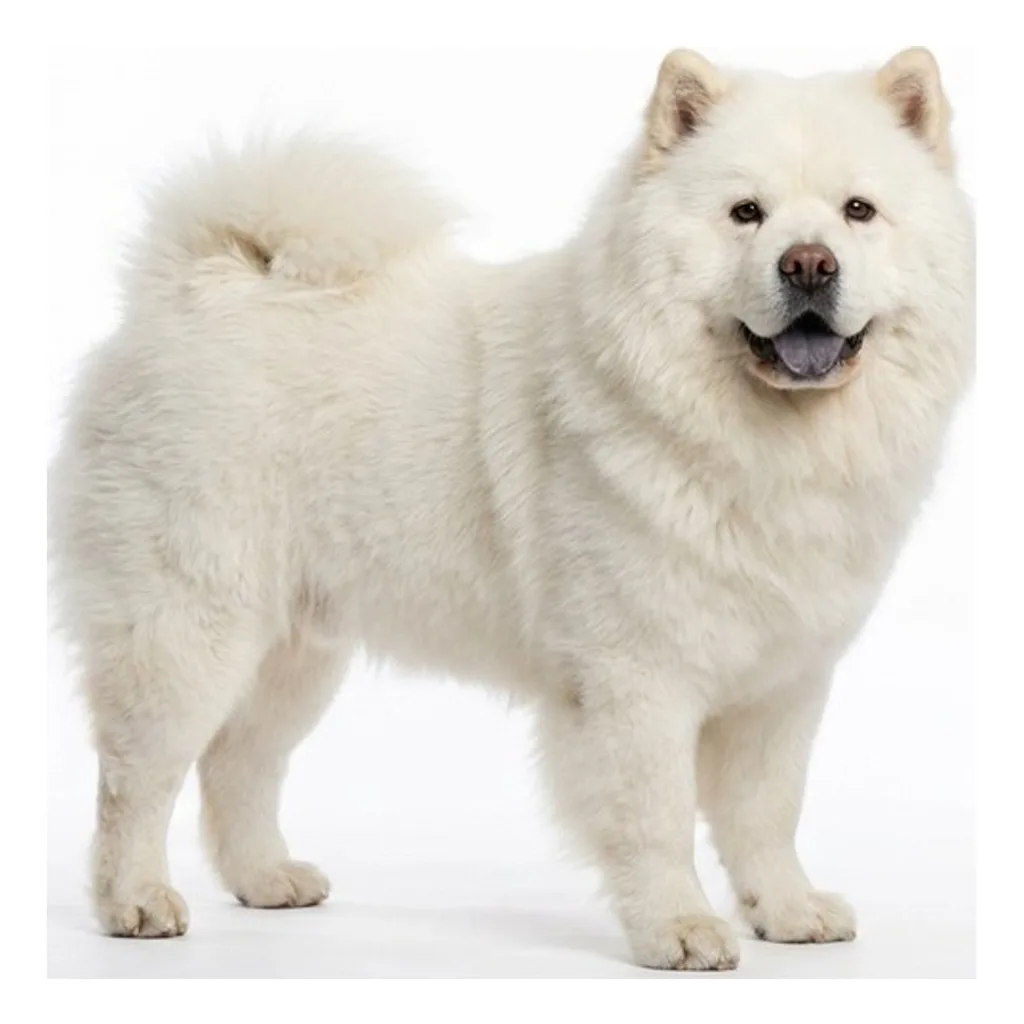
Chow Chow
Dignified and aloof, the Chow Chow is an ancient breed known for its lion-like mane and blue-black tongue. They are fiercely loyal to their family but can be very reserved with strangers. They are clean, quiet dogs suited for owners who respect their independent nature.
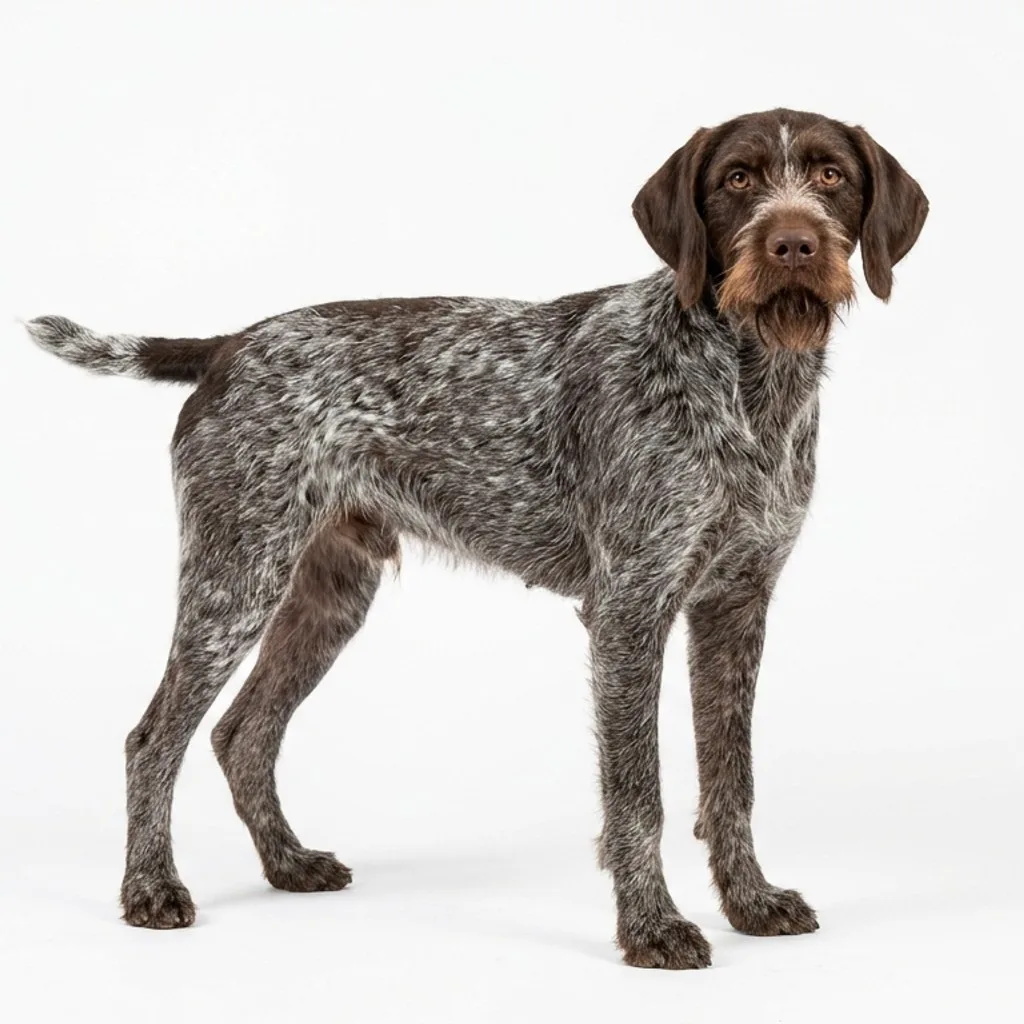
German Wirehaired Pointer
Rugged, resilient, and intelligent. The GWHP possesses a weather-resistant wiry coat that makes them the ultimate field dog for NZ's unpredictable climate. They are devoted companions that thrive in the outdoors.
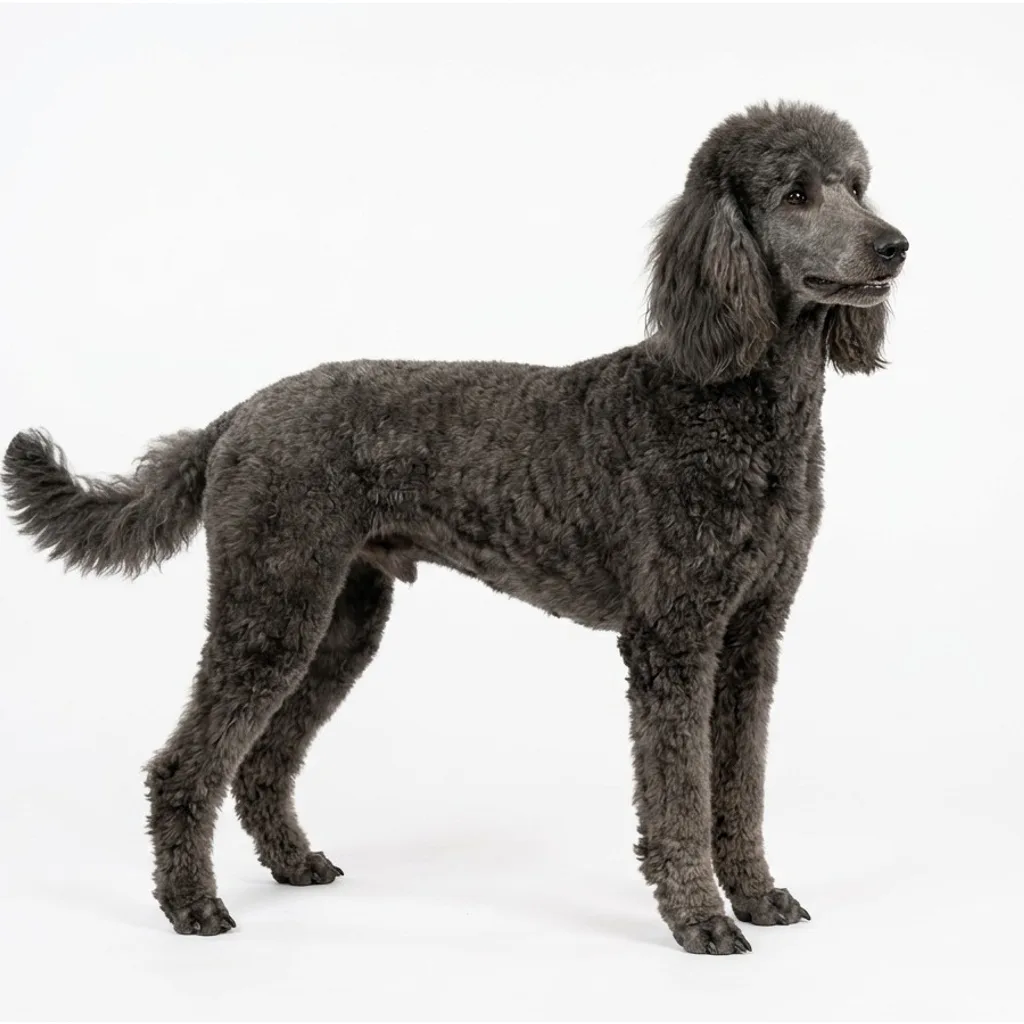
Poodle (Standard)
The Standard Poodle is a highly intelligent, athletic, and affectionate dog originally bred as a water retriever. They are known for their low-shedding coat and exceptional trainability, and they thrive with an active, engaged owner.
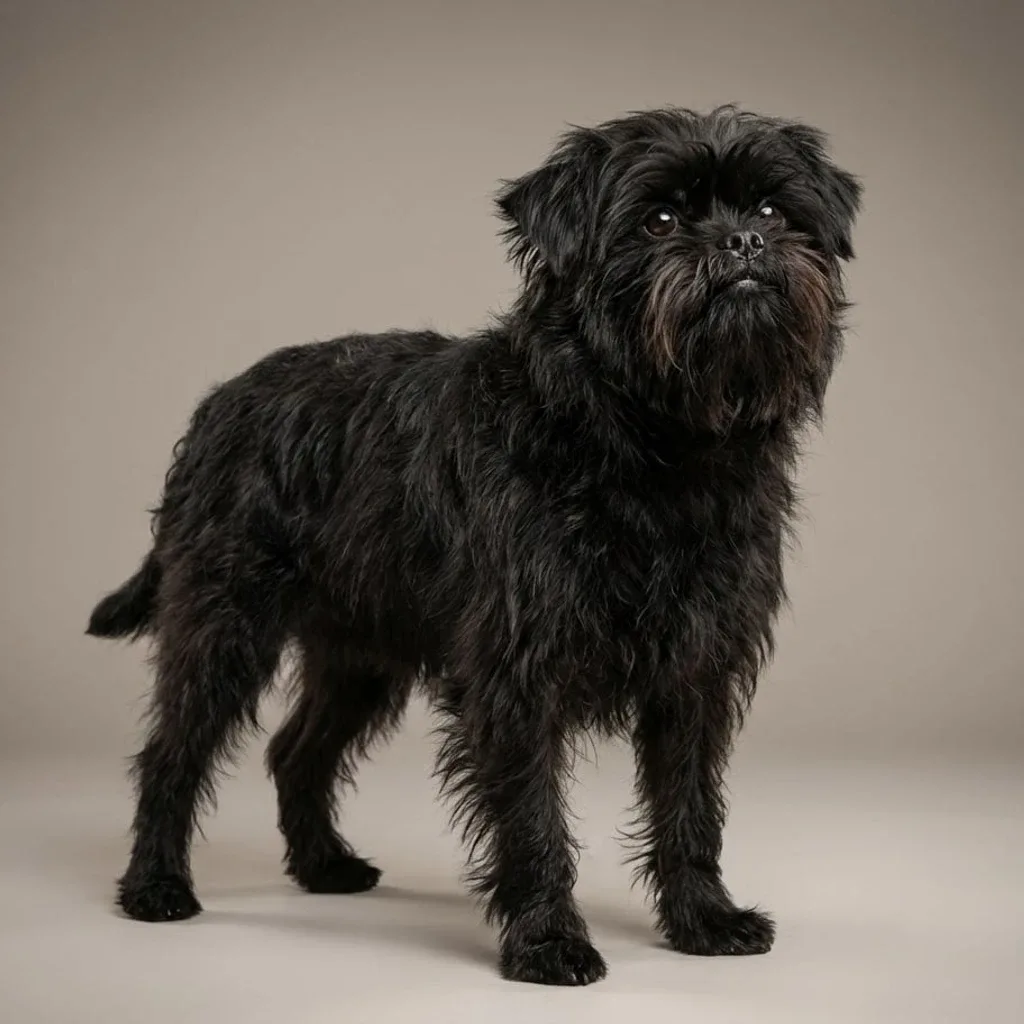
Affenpinscher
The Affenpinscher is a sturdy, monkey-like terrier-type toy breed known for its confidence and playful spirit. Despite its small size, it possesses a courageous heart and a loyal personality, making it a wonderful companion for Kiwi apartment dwellers or those with smaller sections.