Dog Breed Guide NZ
German Wirehaired Pointer
Meet the German Wirehaired Pointer (GWHP), a truly unique and robust gundog instantly identifiable by its distinctive weather-resistant wiry coat, bushy beard, and intelligent gaze. Bred for unparalleled versatility in the field, this resilient companion is perfectly equipped to handle New Zealand's diverse and often unpredictable climate, from the humid northern summers to the crisp, sometimes snowy, southern winters. GWHPs are incredibly devoted, energetic, and thrive on outdoor adventures, making them the ultimate canine partner for active Kiwi families or individuals. Whether you're a keen hunter, a passionate tramp-lover, or simply someone who embraces exploring our stunning beaches, bush, and high country, the GWHP's unwavering stamina and affectionate nature make them an ideal fit for the adventurous New Zealand lifestyle.
Photo Gallery
Breed Snapshot
- Size
- 20-32 kg
- Lifespan
- 12-14 years
- Origin
- Being enriched
- Temperament
- The German Wirehaired Pointer has a sound, reliable temperament and is typically loyal and affectionate with family. It can be aloof without being unfriendly to strangers, and its eager, enthusiastic working nature suits active homes.
- NZ Price
- $2,000 - $3,500 NZD from registered breeders; $150-$350 NZD adoption via SPCA (if available)
- Annual Vet Cost
- Estimated annual vet costs for a German Wirehaired Pointer in New Zealand typically range from '$800 - $1,500 NZD'. This covers essential preventative care like annual check-ups, vaccinations, flea and worm treatments. However, due to breed-specific health concerns such as hip and elbow dysplasia, Von Willebrand's disease, and bloat, potential costs for diagnostics, medications, or surgeries could significantly increase this figure. Pet insurance is highly recommended to help manage unexpected veterinary expenses for these conditions.
Personality Scores
NZ Lifestyle Fit
The German Wirehaired Pointer’s robust nature and weather-resistant coat make it remarkably well-suited to New Zealand’s diverse climate. An apartment in Auckland would be entirely unsuitable; GWHPs require significant space and outdoor access. They thrive in homes with a large, securely fenced section, allowing them ample room to burn off energy. Rural New Zealand farms are an ideal environment, providing the vast spaces and opportunities for work or extensive exercise that this breed craves. Their wiry coat offers excellent protection against Auckland's humid summers and the South Island's cold, wet winters, though access to shade and fresh water is always essential in summer, and a warm, dry shelter in winter. The high UV levels in NZ mean fair-skinned dogs (if any patches are exposed) should be monitored for sunburn, though the GWHP's dense coat usually offers good protection. There are no specific MPI restrictions on owning a German Wirehaired Pointer in New Zealand, but responsible ownership, including registration and microchipping, is mandatory.
Origins & History
The German Wirehaired Pointer's story begins in late 19th century Germany, where breeders sought to create the ultimate versatile gundog. Their goal was a dog that could hunt, point, and retrieve on land and in water, capable of working effectively across varied terrains and in harsh weather conditions. This ambitious project involved careful crosses of several German pointing breeds, including the German Shorthaired Pointer, Pudelpointer, Stichelhaar, and Griffon. The result was a dog with unparalleled hunting prowess, a keen nose, and a protective, weather-resistant coat – a true all-rounder designed to meet the demanding requirements of German hunters. The breed quickly gained recognition for its intelligence, stamina, and unwavering devotion, solidifying its place as a premier sporting dog.
Appearance
The German Wirehaired Pointer is a medium to large-sized dog, exuding an athletic and robust presence. Males typically stand 61-66 cm at the shoulder and weigh 27-32 kg, while females are slightly smaller at 56-61 cm and 20-27 kg. Their most distinctive feature is their harsh, wiry, and dense outer coat, which provides exceptional protection against brambles, water, and cold weather. Beneath this lies a thick, soft undercoat. The coat colour ranges from liver and white, liver roan, to solid liver, often with ticking or patching. A characteristic "furnishing" of a bushy beard, moustache, and eyebrows gives them a wise and somewhat rugged expression. Their eyes are typically brown, conveying intelligence and alertness, and their medium-length tail is often docked in countries where it's permitted (less common in NZ now).
Temperament & Personality
Intelligent, eager to please, and brimming with energy, the German Wirehaired Pointer is a loyal and affectionate companion to its family. They possess a strong work ethic and an innate desire to be involved in activities. While devoted to their owners, they can be somewhat reserved or watchful around strangers, making early socialisation crucial. GWHPs are known for their keen intelligence, which makes them highly trainable, but also means they require consistent mental stimulation to prevent boredom. Their strong prey drive is a defining characteristic, so a secure environment and reliable recall training are paramount. With proper training and socialisation, they can be excellent family dogs, often forming strong bonds with children and other pets, though their boisterous nature means supervision is always advised.
Life in New Zealand
The German Wirehaired Pointer is exceptionally well-suited to the New Zealand lifestyle. Their rugged, weather-resistant coat makes them impervious to our often-changeable climate, from the humid North Island summers to the crisp, sometimes snowy, South Island winters. They thrive on the outdoor adventures that New Zealand offers, whether it's tramping through native bush, swimming in our rivers and lakes, or exploring vast stretches of beach. Their natural hunting instincts align perfectly with the country's strong hunting culture, making them prized companions for those pursuing game birds. However, their high energy levels and need for mental engagement mean they require an active owner who can provide ample opportunities for exercise and stimulation.
Is This the Right Breed for You?
A German Wirehaired Pointer is an ideal companion for active individuals or families who can commit to providing significant daily exercise and mental challenges. They excel in homes with large, securely fenced sections, or even better, a rural setting where they have space to roam and explore. If you're a keen hunter, a tramp-lover, or simply someone who enjoys being outdoors and wants a devoted, intelligent, and robust canine partner, the GWHP could be your perfect match. However, if you're looking for a couch potato, live in a small flat, or have limited time for daily activity, this isn't the breed for you. Their strong will and intelligence require consistent, positive reinforcement training from an early age.
Fun Facts
Fact 1
The German Wirehaired Pointer was specifically bred to be an "all-around" hunting dog, capable of working on land and in water, tracking, pointing, and retrieving.
Fact 2
Their distinctive wiry coat and beard provide excellent camouflage and protection against harsh weather and thorny undergrowth.
Fact 3
They possess a 'soft mouth', making them excellent retrievers who can bring back game undamaged.
Fact 4
Despite their rugged appearance, they are incredibly affectionate and devoted to their families, often described as "velcro dogs."
Fact 5
The breed's original German name is "Deutsch Drahthaar," which directly translates to "German Wirehair."
Related Breeds
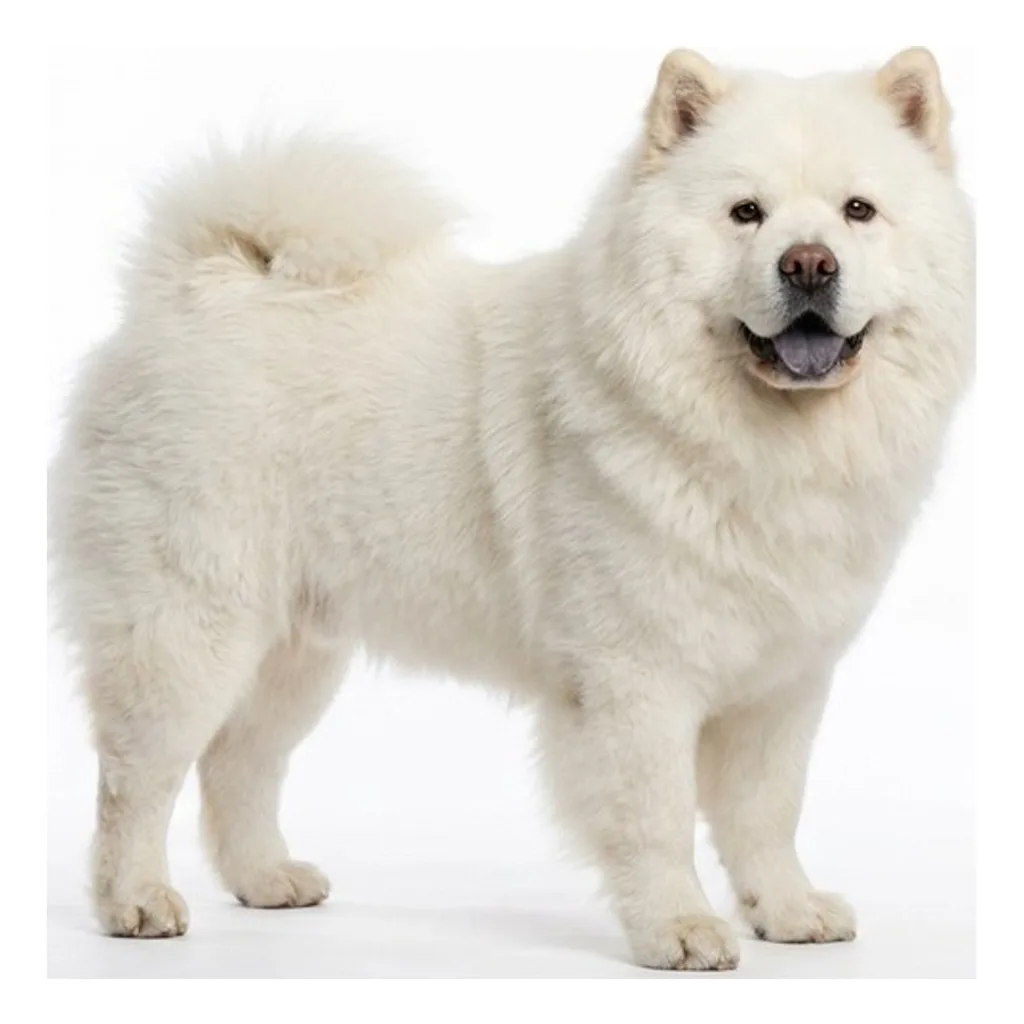
Chow Chow
Dignified and aloof, the Chow Chow is an ancient breed known for its lion-like mane and blue-black tongue. They are fiercely loyal to their family but can be very reserved with strangers. They are clean, quiet dogs suited for owners who respect their independent nature.
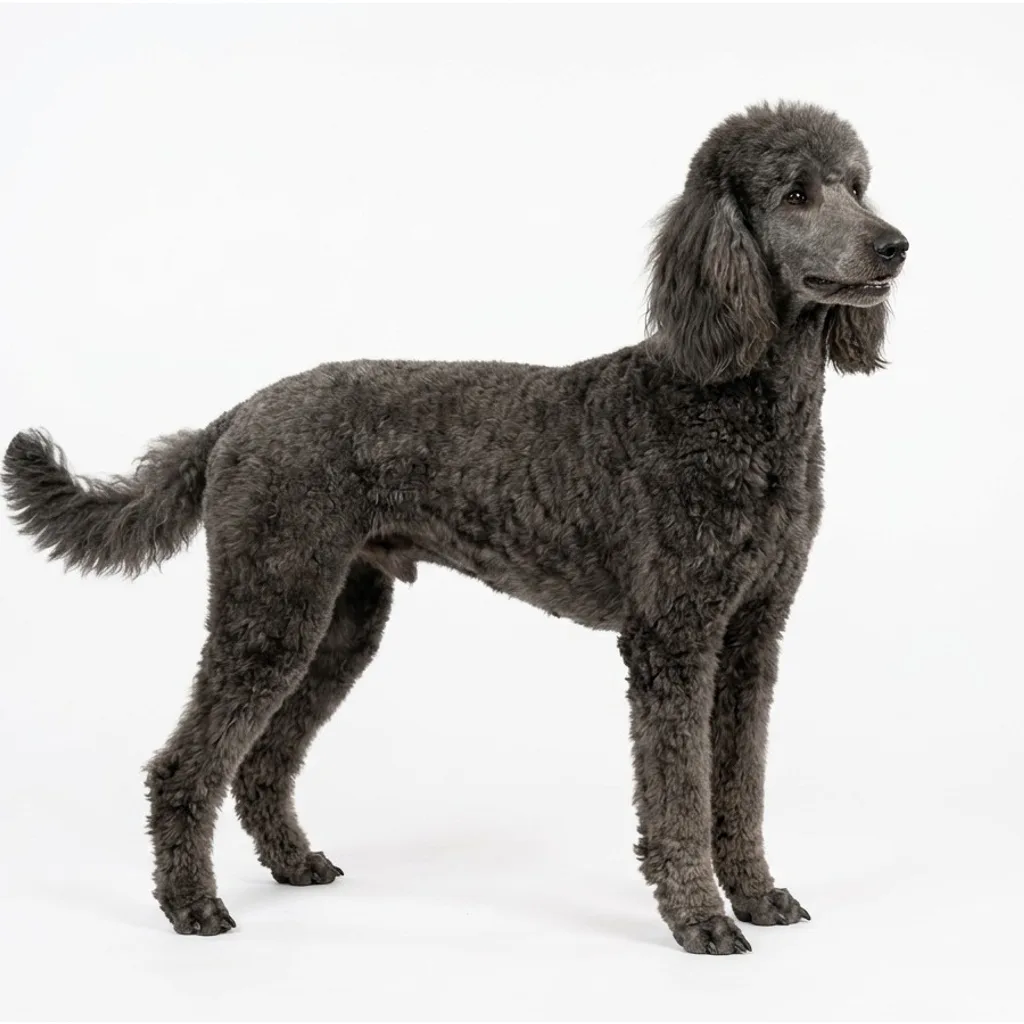
Poodle (Standard)
The Standard Poodle is a highly intelligent, athletic, and affectionate dog originally bred as a water retriever. They are known for their low-shedding coat and exceptional trainability, and they thrive with an active, engaged owner.
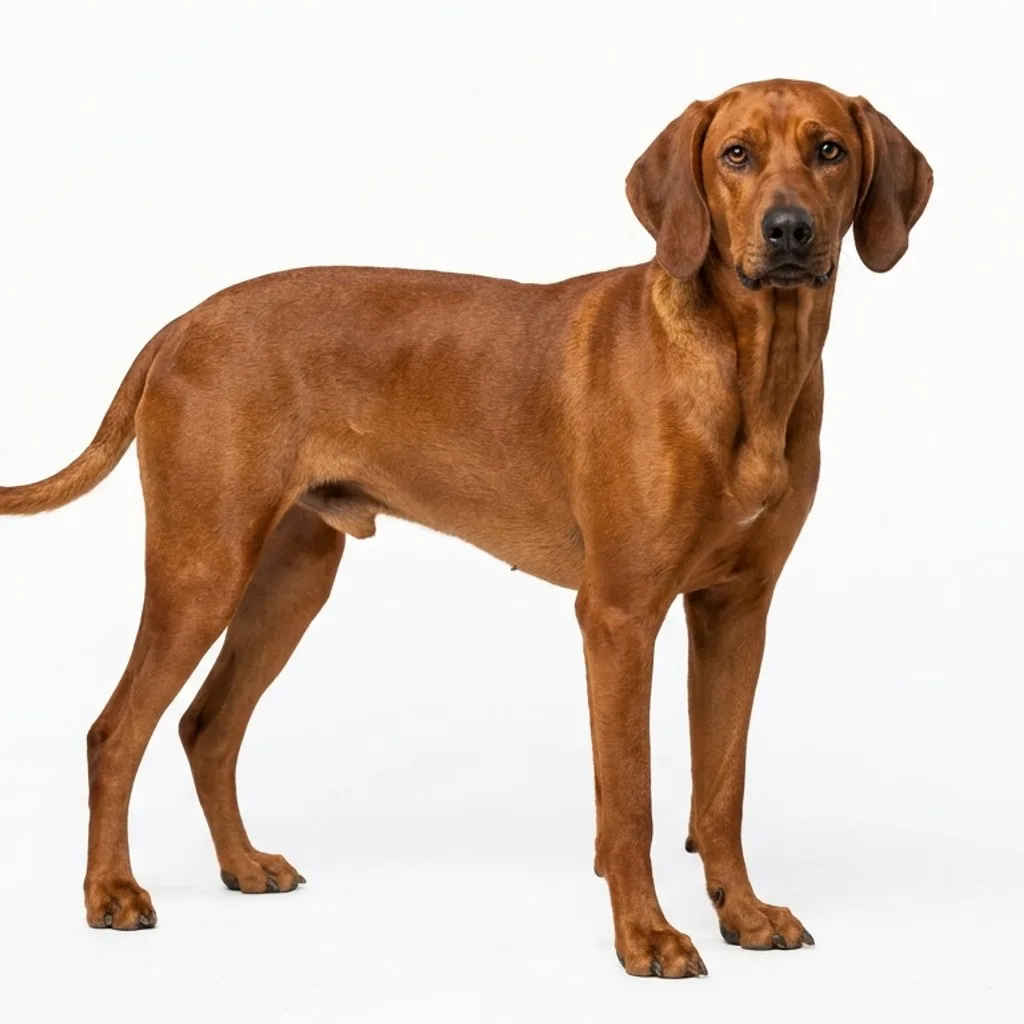
Redbone Coonhound
An athletic, intelligent, and courageous scent hound with a striking red coat. Redbones are dedicated workers and loyal companions known for their stamina and musical bark.
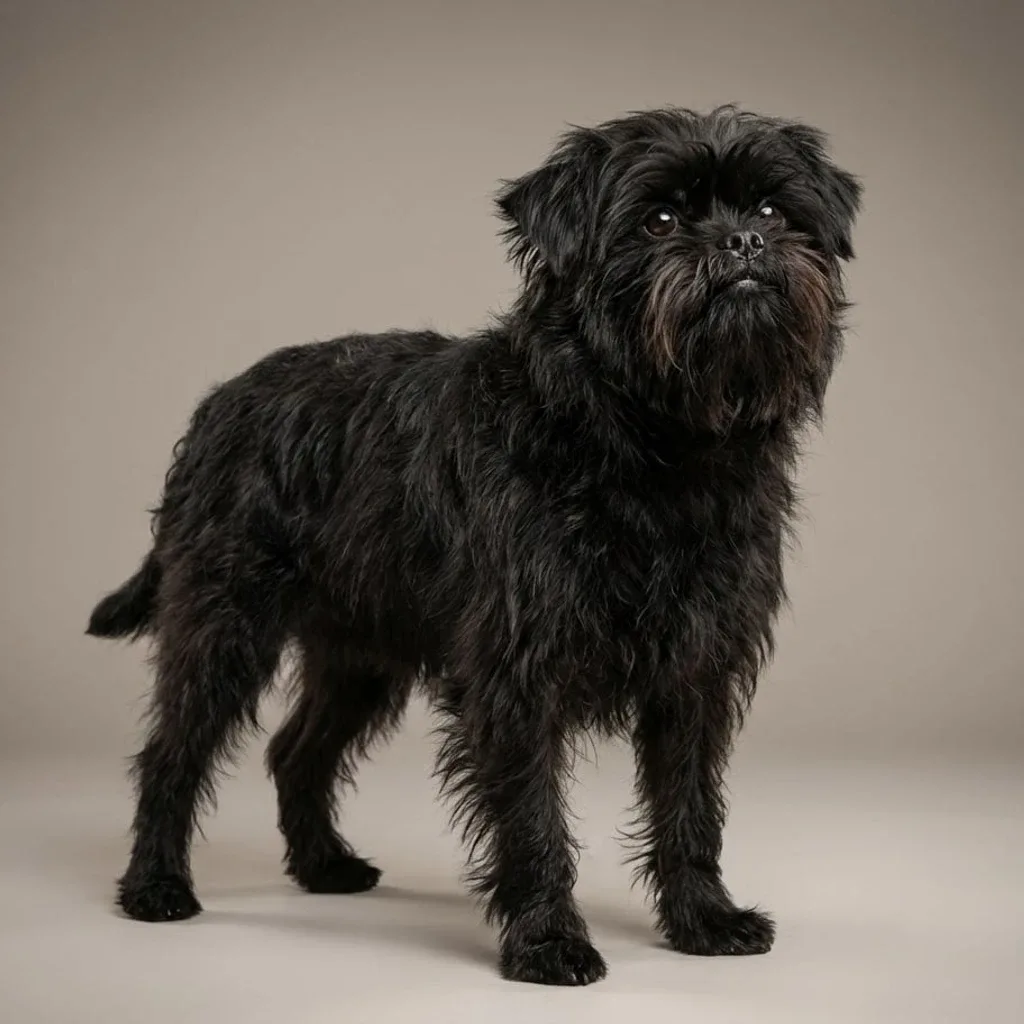
Affenpinscher
The Affenpinscher is a sturdy, monkey-like terrier-type toy breed known for its confidence and playful spirit. Despite its small size, it possesses a courageous heart and a loyal personality, making it a wonderful companion for Kiwi apartment dwellers or those with smaller sections.