Dog Breed Guide NZ
Cavalier King Charles Spaniel
The Cavalier King Charles Spaniel is truly the ultimate 'lap dog' with a heart of gold, renowned for their incredibly affectionate and gentle nature. These charming companions adapt beautifully to various living situations, making them perfect for city apartments or urban Kiwi homes, where they thrive on human company. Cavaliers are social butterflies, eager to make friends with everyone they meet, embodying a friendly and playful spirit. Their adaptable temperament and manageable size make them an ideal fit for the relaxed New Zealand lifestyle, whether you're enjoying a quiet evening at home or a stroll around the local reserve. They are devoted family members who bring immense joy and warmth to any household.
Photo Gallery
Breed Snapshot
- Size
- 6-8 kg
- Lifespan
- 12-15 years
- Origin
- Being enriched
- Temperament
- Affectionate, gentle, friendly, playful, eager to please, adaptable
- NZ Price
- $2,500 - $4,500 NZD from registered breeders; $150-$350 NZD adoption via SPCA
- Annual Vet Cost
- Estimated annual vet costs for a Cavalier King Charles Spaniel in NZ typically range from $400 - $800 NZD for routine check-ups, vaccinations, and parasite control. However, due to breed-specific health issues, these costs can be significantly higher. Cavaliers are prone to Mitral Valve Disease (MVD), Syringomyelia (SM), patellar luxation, and certain eye conditions. Diagnostic tests and ongoing management for MVD or SM can add thousands of dollars annually, potentially reaching $2,000 - $5,000+ NZD in a year if specialist treatment or surgery is required. Pet insurance is highly recommended.
Personality Scores
NZ Lifestyle Fit
Cavalier King Charles Spaniels are remarkably adaptable to various New Zealand living situations. They are an excellent choice for apartment living in cities like Auckland, provided they receive daily walks and mental stimulation; their moderate size and calm indoor demeanour are ideal. For homes with a section, they'll enjoy supervised outdoor playtime, but secure fencing is essential as their friendly nature means they might wander. Rural farm life is less suited for their original purpose, but they can thrive as cherished companions, though they'll need protection from farm hazards and close supervision. New Zealand's climate generally suits them, but considerations are necessary. Auckland's humid summers require access to shade and cool spaces to prevent overheating. South Island's cold winters mean they'll need warm bedding and perhaps a coat for outdoor excursions. Their light coats can be susceptible to high UV, so sun protection during peak hours is advisable. MPI has no specific restrictions on the Cavalier King Charles Spaniel breed in New Zealand.
Origins & History
The Cavalier King Charles Spaniel boasts a rich and regal history, tracing its lineage back to the toy spaniels favoured by European nobility for centuries. These charming dogs were particularly beloved by King Charles II of Great Britain, after whom they are named. Historical paintings often depict these small spaniels alongside their royal owners, serving as cherished companions rather than working dogs. Over time, the breed evolved, with a distinct 'King Charles Spaniel' (now known as the English Toy Spaniel) developing a flatter face. However, in the early 20th century, American enthusiast Roswell Eldridge offered prize money for dogs resembling the older type seen in historical portraits, leading to the re-establishment and eventual recognition of the Cavalier King Charles Spaniel as we know it today – a dog with a slightly longer muzzle and a more 'natural' appearance. Their journey from royal laps to beloved family pets is a testament to their enduring charm and affectionate nature.
Appearance
The Cavalier King Charles Spaniel is a small, elegant dog, typically weighing between 6-8 kg, making them perfectly sized for cuddling on the couch or accompanying you on outings. They possess a sweet, gentle expression, large, dark, round eyes, and long, feathered ears that frame their face beautifully. Their coat is medium-length, silky, and can be slightly wavy, coming in four distinct colour varieties: Blenheim (chestnut markings on a pearly white background), Tricolour (black and white with tan markings), Black and Tan, and Ruby (solid rich red). Their plumed tail is usually carried happily, adding to their overall graceful and appealing demeanour. Despite their luxurious appearance, their grooming needs are relatively manageable, focusing on keeping their coat free of tangles and their ears clean.
Temperament & Personality
True to their 'lap dog' reputation, Cavaliers are incredibly affectionate, gentle, and eager to please. They possess a heart of gold and thrive on human companionship, often following their owners from room to room. Their friendly and playful nature makes them excellent family pets, getting along well with children and other animals. They are not typically shy or aggressive, instead approaching new people and situations with an open and adaptable attitude. This breed is known for its sweet disposition and ability to fit seamlessly into various lifestyles, from bustling family homes to quiet, single-person households. They are intelligent and respond well to positive reinforcement training, always keen to earn a kind word or a treat. Their primary goal in life seems to be to love and be loved, making them wonderfully devoted companions.
Life in New Zealand
Cavalier King Charles Spaniels are exceptionally well-suited to life in New Zealand. Their adaptable nature means they are just as happy in a city apartment in Auckland as they are in a house with a decent section in Christchurch. They thrive on being part of the family, whether that means joining you for a walk along the beach, a gentle stroll through a local reserve, or simply snuggling on the couch during a rainy Wellington afternoon. Their moderate exercise needs align perfectly with the Kiwi lifestyle, allowing them to enjoy the outdoors without requiring extensive tramping. While they appreciate a good run, their small size and desire for closeness make them excellent indoor companions. They are generally well-received in public spaces, reflecting their friendly and well-mannered temperament, making them a joy to take out and about in New Zealand's dog-friendly communities.
Is This the Right Breed for You?
The Cavalier King Charles Spaniel is an ideal choice for individuals or families seeking an affectionate, gentle, and adaptable companion. If you're looking for a dog that thrives on human interaction, enjoys being part of daily family life, and is content with moderate exercise, a Cavalier could be your perfect match. They are excellent with children and other pets, making them a harmonious addition to multi-pet households. However, prospective owners should be prepared for their need for companionship; Cavaliers do not do well when left alone for long periods. Their beautiful coat requires regular grooming, and potential health issues, particularly heart conditions, mean that choosing a reputable breeder and committing to regular vet checks are crucial. If you can provide a loving home, consistent care, and plenty of cuddles, a Cavalier King Charles Spaniel will reward you with unwavering devotion and boundless joy.
Fun Facts
Fact 1
Cavaliers are one of the few breeds named after royalty, specifically King Charles II of Great Britain.
Fact 2
They were originally bred to be 'comforter dogs' and often accompanied ladies in carriages or sat on laps to keep them warm.
Fact 3
The Blenheim colour pattern (chestnut and white) is named after Blenheim Palace, the home of the Duke of Marlborough, who bred this specific variety.
Fact 4
Despite their small size, Cavaliers are known for their surprisingly good scenting abilities and can be quite adept at scent work.
Fact 5
They are often referred to as 'love sponges' due to their overwhelming affection and desire for human companionship.
Related Breeds
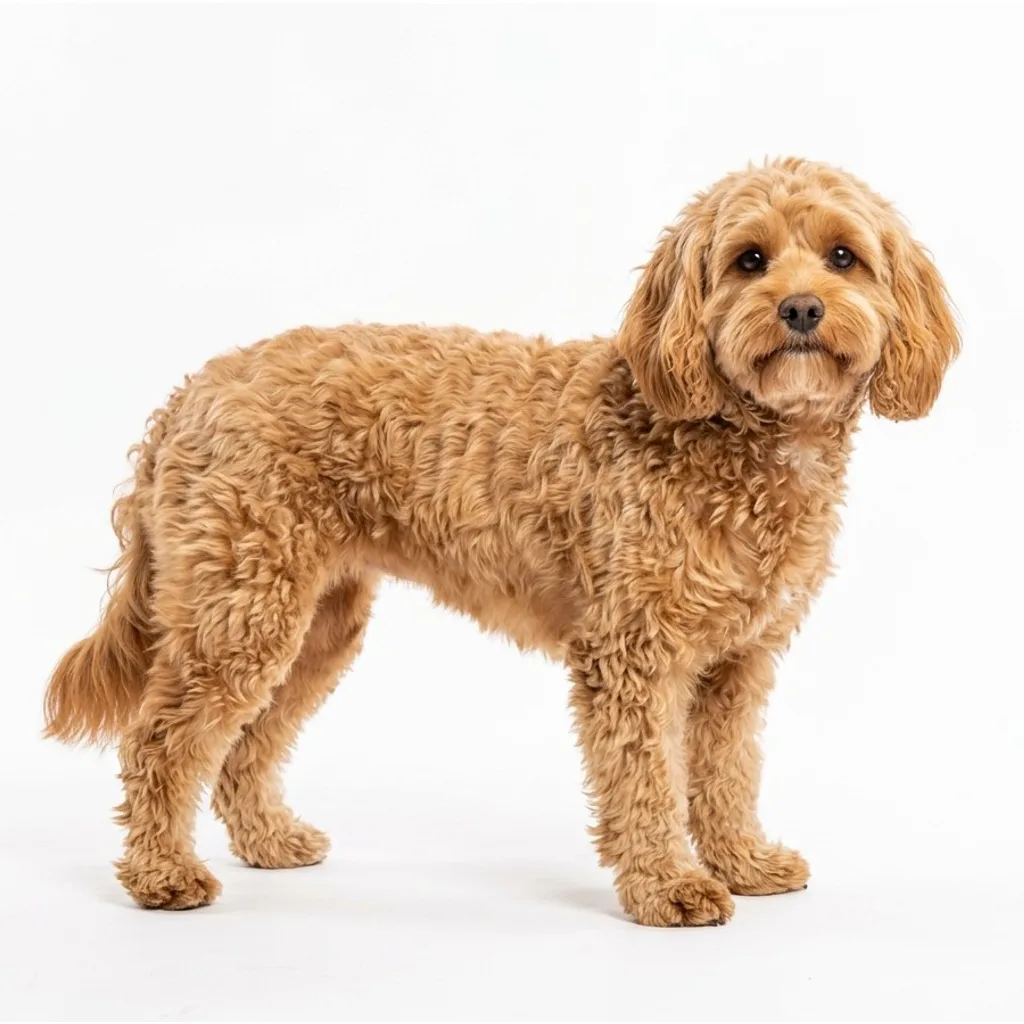
Cavoodle (Cavalier x Poodle)
The Cavoodle (or Cavapoo) is New Zealand's ultimate designer breed, perfectly blending the high intelligence and low-shedding coat of the Poodle with the sweet, endlessly affectionate nature of the Cavalier King Charles Spaniel. They are exceptional family dogs, incredibly eager to please, and thrive on being the centre of your world.
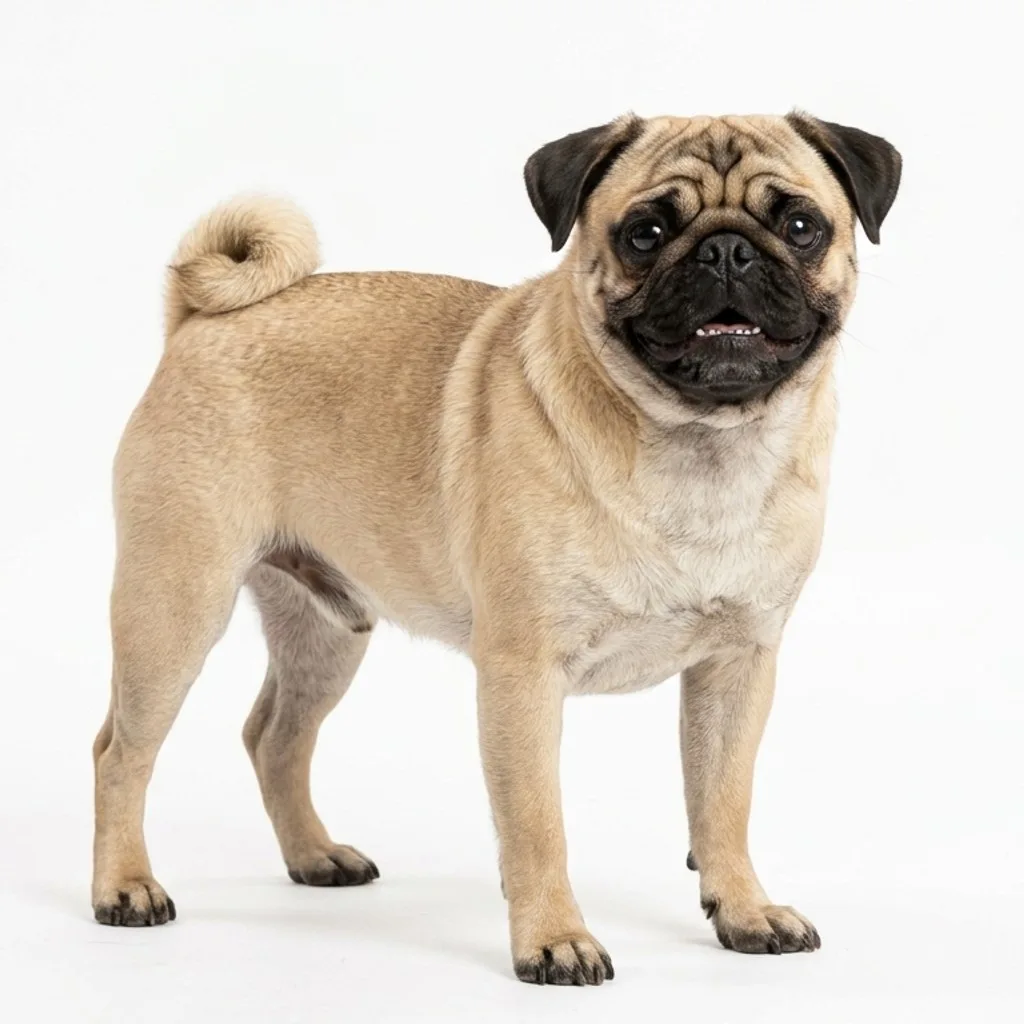
Pug
The Pug is a comical, affectionate, and mischievous companion. Known for their flat faces and curly tails, they are the ultimate lap dogs. However, they come with significant health considerations that require a dedicated owner.
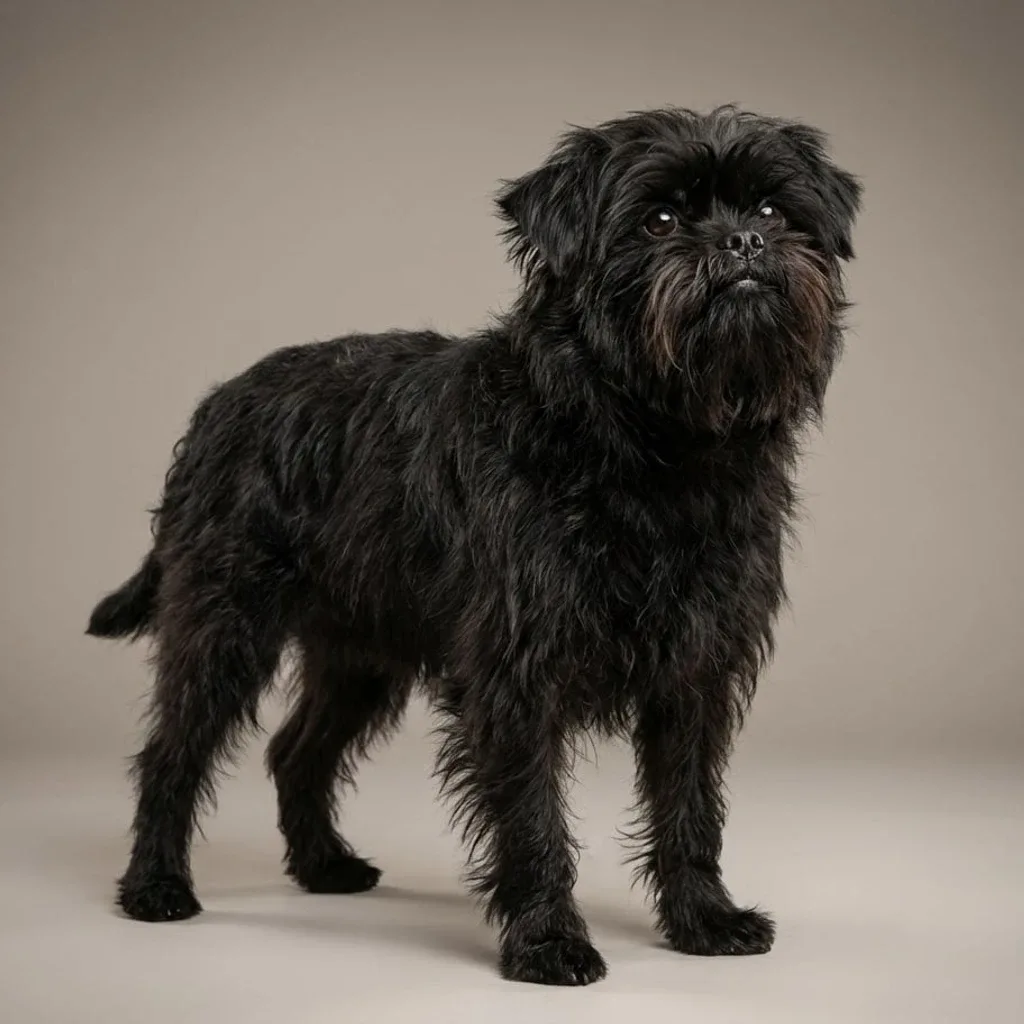
Affenpinscher
The Affenpinscher is a sturdy, monkey-like terrier-type toy breed known for its confidence and playful spirit. Despite its small size, it possesses a courageous heart and a loyal personality, making it a wonderful companion for Kiwi apartment dwellers or those with smaller sections.
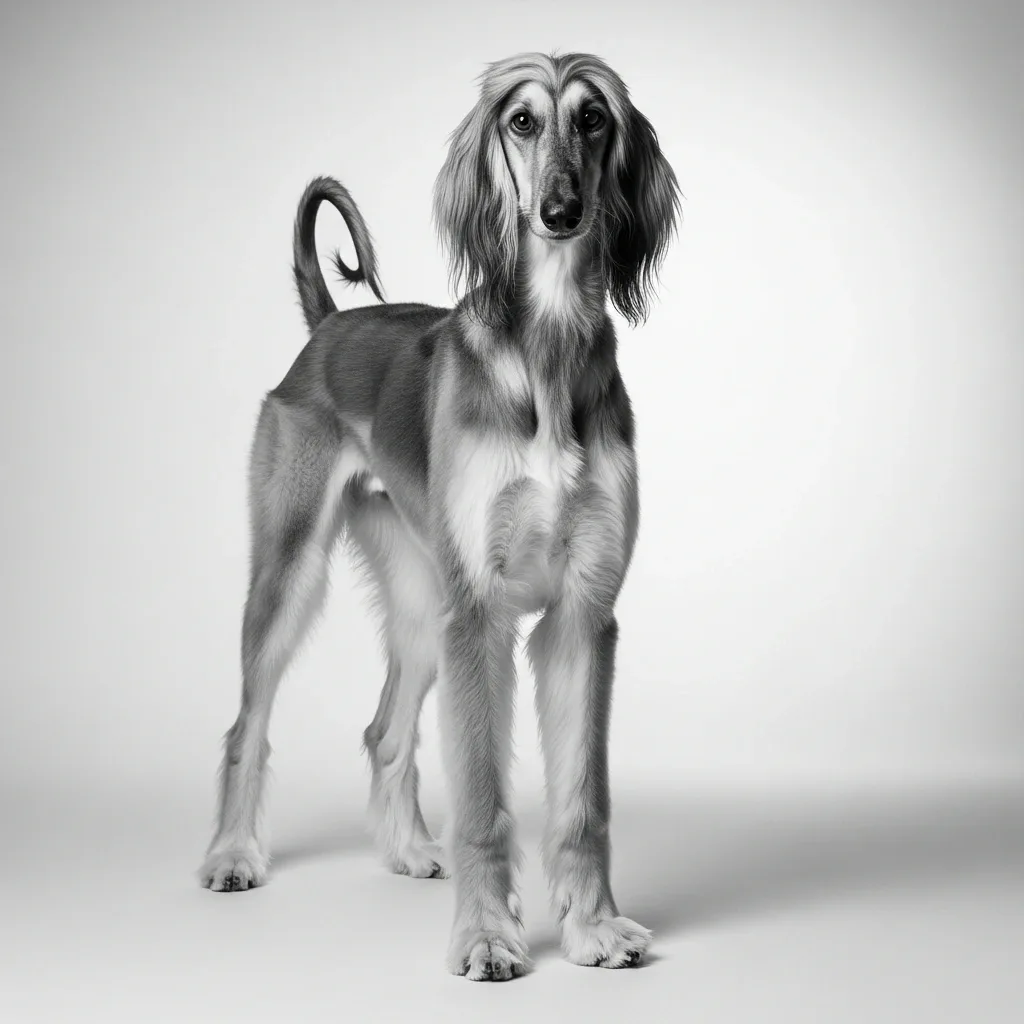
Afghan Hound
The Afghan Hound is an elegant aristocrat with a dignified and aloof personality. Known for its striking, silky coat, this breed is a high-maintenance beauty that requires ample space to run and an owner dedicated to its complex grooming needs.