Dog Breed Guide NZ
Pug
The Pug is a truly unique canine companion, instantly recognisable by their distinctive flat face, expressive wrinkles, and charmingly curled tail. These comical and affectionate dogs are the quintessential lap dogs, thriving on human companionship and bringing endless joy with their mischievous antics. While their compact size and adaptable nature make them excellent pets for various living situations, prospective owners must be prepared for their significant health considerations, particularly those related to their brachycephalic (flat-faced) structure. In New Zealand, a Pug fits perfectly into a relaxed family lifestyle, whether in a city flat or a suburban home, provided their specific care needs, especially regarding climate, are met with dedication.
Photo Gallery
Breed Snapshot
- Size
- 6-8 kg
- Lifespan
- 12-15 years
- Origin
- Being enriched
- Temperament
- Affectionate, playful, friendly, charming, adaptable
- NZ Price
- $1,500 - $4,000 NZD from registered breeders; $150-$350 NZD adoption via SPCA
- Annual Vet Cost
- Estimated annual vet costs for a Pug in NZ can range from $800 - $1,500+ NZD. This includes routine check-ups, vaccinations, parasite prevention, and potential costs associated with breed-specific health issues. Pugs are prone to Brachycephalic Obstructive Airway Syndrome (BOAS), which can require costly surgery (potentially $3,000 - $8,000+ NZD). Other common issues include eye problems (ulcers, entropion), skin fold dermatitis, patellar luxation, and hemivertebrae, all of which can incur significant treatment expenses. Pet insurance is highly recommended for this breed.
Personality Scores
NZ Lifestyle Fit
Pugs are wonderfully suited to many New Zealand living situations, though specific climate considerations are crucial. For those in an Auckland flat or apartment, a Pug is an excellent choice. Their small size and low exercise needs mean they don't require a large section, making them perfect for urban living. However, Auckland's humid summers pose a significant heatstroke risk for Pugs due to their brachycephalic nature; air conditioning or cool, shaded indoor environments are essential. For a house with a section, Pugs will enjoy supervised outdoor time, but again, vigilance against heat and cold is paramount. They are not suitable for rural NZ farm life; their delicate breathing and inability to tolerate extreme weather make them vulnerable, and they lack the physical attributes for working dog roles. South Island cold winters necessitate warm coats and indoor living for Pugs. New Zealand's high UV levels also mean Pugs, especially those with lighter coats or exposed skin around the nose, can be prone to sunburn, requiring shade and potentially pet-safe sun protection. MPI has no specific restrictions on owning Pugs in New Zealand.
Origins & History
The Pug's history is as rich and ancient as its distinctive wrinkles. Originating in China, these charming dogs were cherished companions of emperors and royalty, dating back to the Han Dynasty (206 BC to 220 AD). They were often guarded by soldiers and lived in luxurious conditions, sometimes even having their own miniature palaces. Their flat faces and short snouts were considered a mark of distinction. Pugs made their way to Europe in the 16th century, likely brought by Dutch traders. They quickly became favourites among European nobility, particularly in the Netherlands, where a Pug named Pompey famously saved the life of William the Silent, Prince of Orange, by alerting him to an approaching Spanish attack. They later became popular in England during the Victorian era, further solidifying their status as beloved companion dogs. The breed's popularity has endured globally, making them one of the most recognisable and adored small breeds today.
Appearance
Pugs are small, compact dogs, instantly identifiable by their unique physical characteristics. They typically weigh between 6 to 8 kg and stand about 25-33 cm tall at the shoulder. Their most striking feature is their brachycephalic face – a short, flat muzzle with deep wrinkles that frame their large, dark, expressive eyes. These wrinkles require regular cleaning to prevent skin infections. Their ears are small and thin, folding forward, often described as either 'rose' or 'button' ears. Pugs have a sturdy, square body, a broad chest, and strong legs. Their tail is a hallmark of the breed, curling tightly over their back, often in a double curl. Their coat is short, smooth, and glossy, coming in a variety of colours, most commonly fawn with a black mask, apricot fawn, silver fawn, or solid black. Despite their short coat, Pugs are known to be surprisingly heavy shedders.
Temperament & Personality
The Pug's personality is as captivating as its appearance. They are renowned for being affectionate, playful, and charming companions, often described as having a 'clown-like' sense of humour. Pugs thrive on human interaction and are happiest when they are close to their family, making them the ultimate lap dogs. They are generally good-natured and adaptable, fitting well into various household dynamics, including those with children and other pets, provided they are properly socialised from a young age. While they possess a mischievous streak, Pugs are not typically aggressive; instead, they use their charm and expressive faces to get their way. They are alert and can make good watchdogs, though their small size means they are more likely to 'alert' than 'protect'. Their desire to please, combined with a touch of stubbornness, makes training an engaging, albeit sometimes patient, endeavour.
Life in New Zealand
Living with a Pug in New Zealand offers a unique blend of companionship and specific care considerations. Their small size makes them ideal for various Kiwi homes, from city flats in Auckland to houses with a small section in the suburbs. Pugs adore being part of family activities, whether it's a relaxed evening on the couch or a gentle stroll around the local park. However, New Zealand's diverse climate, from humid Auckland summers to crisp South Island winters, necessitates careful management of their brachycephalic health needs. Owners must be vigilant about heatstroke during warmer months and ensure they are adequately protected from the cold. Their low exercise requirements mean they don't need vast outdoor spaces, but regular, short walks are essential for their physical and mental well-being. Kiwi owners often find Pugs to be wonderful, devoted companions who bring immense joy to their lives, provided they are committed to their unique health and grooming routines.
Is This the Right Breed for You?
Deciding if a Pug is the right breed for you requires a realistic understanding of their needs and potential challenges. If you're seeking an affectionate, comical, and devoted companion who thrives on close human contact, a Pug could be an excellent match. They are generally good with children and other pets, making them suitable for family life. Their relatively low exercise needs and compact size make them adaptable to apartment or smaller home living. However, the most significant consideration is their health. Pugs are prone to several breed-specific health issues, particularly Brachycephalic Obstructive Airway Syndrome (BOAS), eye problems, and skin fold dermatitis. This means a commitment to regular vet check-ups, potential specialist care, and daily preventative measures. Prospective owners must be prepared for the financial and emotional investment required to manage these conditions. If you are dedicated to providing a Pug with a loving home, attentive care, and are prepared for their unique health requirements, you will be rewarded with an incredibly charming and loyal companion who will fill your life with laughter and affection.
Fun Facts
Fact 1
Pugs were originally bred to be companions for Chinese emperors and nobility, living in luxury.
Fact 2
A group of Pugs is officially called a 'grumble' – a fitting name for their often expressive vocalizations.
Fact 3
Pugs were once used by the Dutch Royal House of Orange to warn of approaching enemies.
Fact 4
Their distinctive facial wrinkles were once prized by Chinese breeders, who believed they resembled good luck symbols, like the character for 'prince'.
Fact 5
Pugs have a unique 'double curl' tail, which is considered a breed standard, with a single curl being less desirable.
Related Breeds
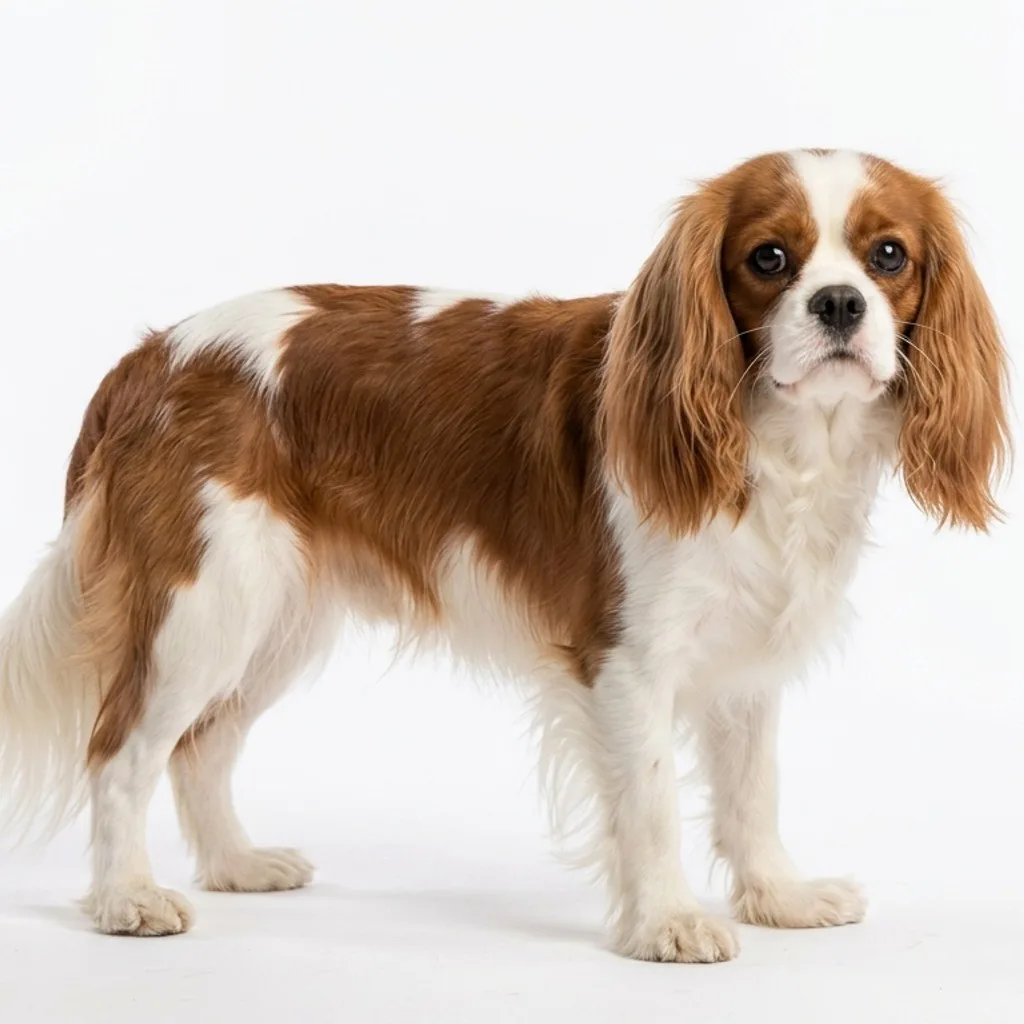
Cavalier King Charles Spaniel
The ultimate 'lap dog' with a heart of gold. Cavaliers are incredibly affectionate and adapt well to city apartments and urban NZ homes. They are social butterflies who love everyone they meet and crave human company.
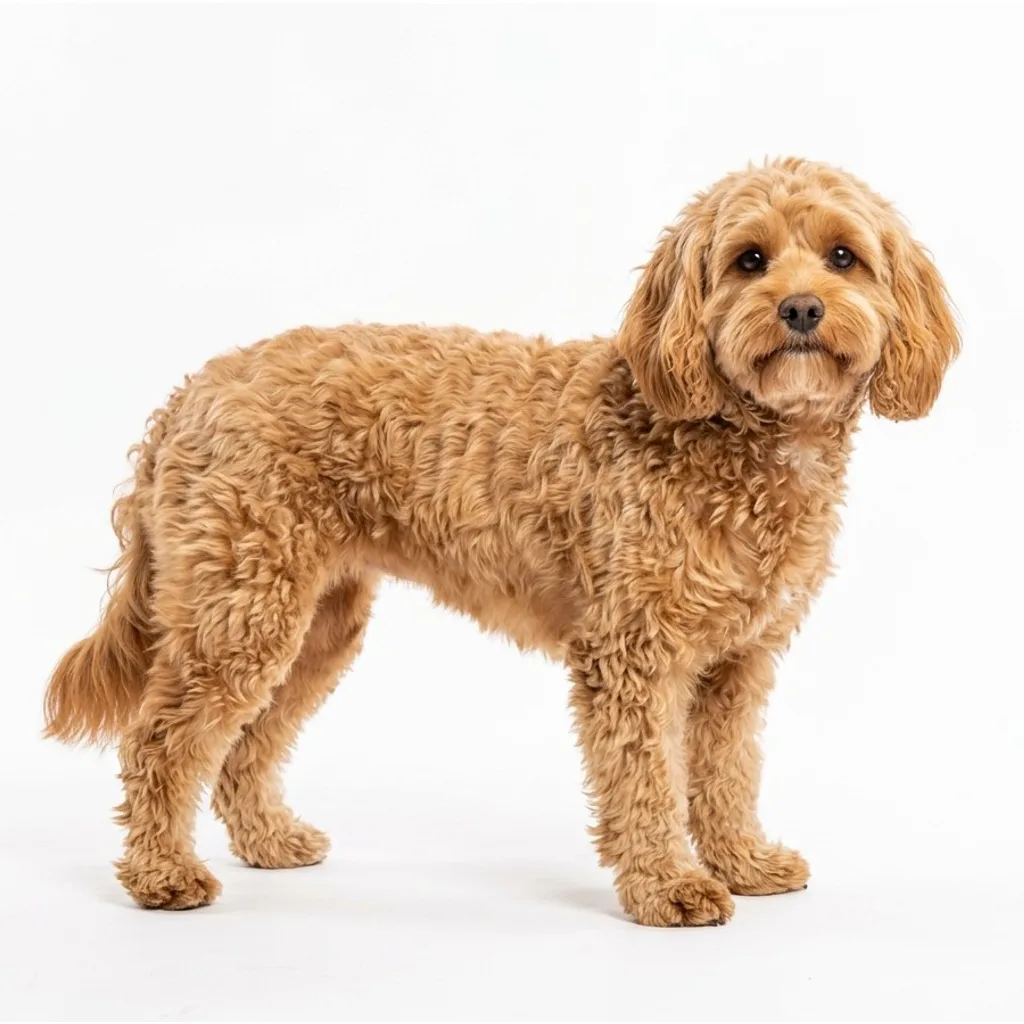
Cavoodle (Cavalier x Poodle)
The Cavoodle (or Cavapoo) is New Zealand's ultimate designer breed, perfectly blending the high intelligence and low-shedding coat of the Poodle with the sweet, endlessly affectionate nature of the Cavalier King Charles Spaniel. They are exceptional family dogs, incredibly eager to please, and thrive on being the centre of your world.
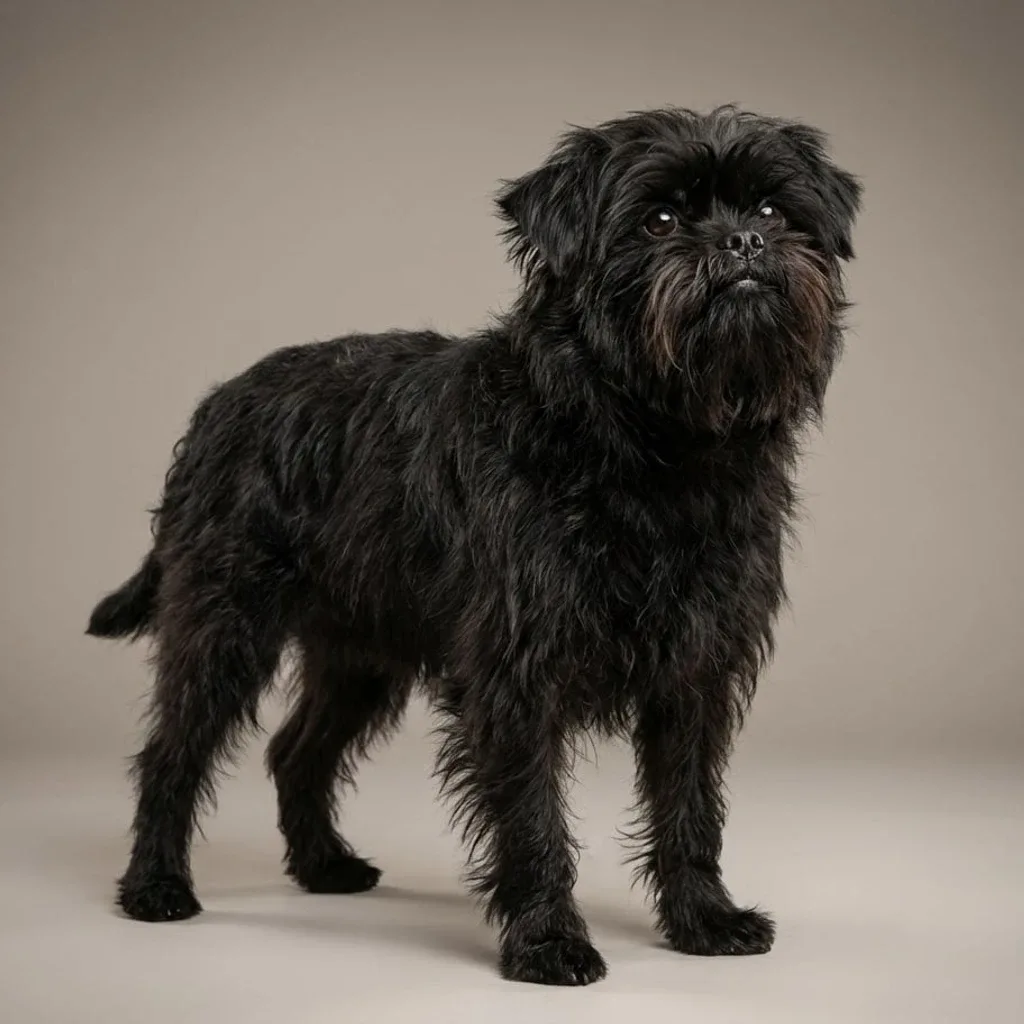
Affenpinscher
The Affenpinscher is a sturdy, monkey-like terrier-type toy breed known for its confidence and playful spirit. Despite its small size, it possesses a courageous heart and a loyal personality, making it a wonderful companion for Kiwi apartment dwellers or those with smaller sections.
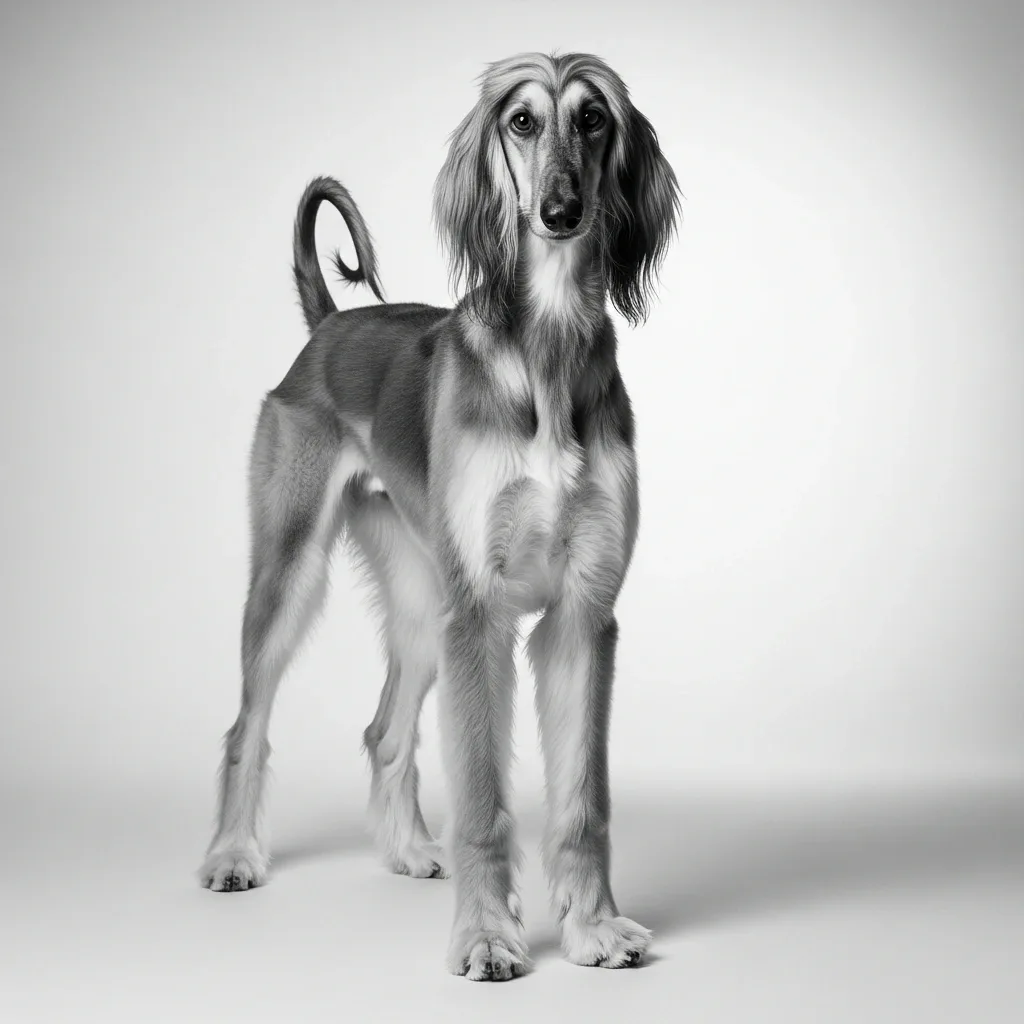
Afghan Hound
The Afghan Hound is an elegant aristocrat with a dignified and aloof personality. Known for its striking, silky coat, this breed is a high-maintenance beauty that requires ample space to run and an owner dedicated to its complex grooming needs.