Dogs Summer Heat Safety NZ: Hot Cars, Walks and Shade
Dogs summer heat safety NZ draft: hot car rules, shade, water, walk timing, paw checks and vet-review heat-stress boundaries.
Dogs summer heat safety in NZ starts with one hard rule: do not leave dogs unattended in parked cars. Plan walks for cool parts of the day, provide shade and water, check paws on hot surfaces, avoid overdoing beach or bach days, and call a vet, SPCA or Police if a dog appears to be suffering in a hot vehicle.
The quick answer
SPCA New Zealand says dogs die in hot cars and that a car can heat to over 50 degrees Celsius in less than 15 minutes on a warm day. It also says parking in shade and cracking windows does very little to help. New Zealand's Animal Welfare (Care and Procedures) Regulations include a specific rule for dogs left in stationary vehicles when heat-stress signs are present.
This draft gives prevention and escalation boundaries. It does not provide a first-aid treatment plan for heatstroke.
The hot car rule
Do not leave a dog in a parked car while you "just pop in". New Zealand weather can be deceptive. A mild-looking 22 degree day in Wellington or Hamilton can still create a dangerous car interior. Cloud, shade and cracked windows are not a reliable safety plan.
The regulation for dogs left in vehicles refers to shade-seeking behaviour plus signs consistent with heat stress, including excessive panting, excessive drooling or hyperventilation. MPI's animal welfare overview also uses a dog left in a hot vehicle as an example in the welfare system.
Practical rule:
- If the dog cannot come with you safely, leave them at home.
- Do not rely on shade or cracked windows.
- Do not leave a dog in a parked car during errands.
- If travelling, plan dog-friendly stops before leaving.
If you see a dog in a hot car
This is a legal and safety-sensitive situation, so use official channels. SPCA's hot-car advice tells people to call SPCA or Police if they see a dog left in a hot car. Stay nearby if safe, note the registration, location, time and what the dog is doing, and follow official advice.
Do not turn this into a confrontation if it can be avoided. The priority is the dog's welfare and getting the right help.
Summer walk timing
Walk early morning or later evening when temperatures and surfaces are cooler. Midday summer walks, hot footpaths and long beach sessions can be too much, especially for puppies, seniors, dark-coated dogs, overweight dogs, short-nosed breeds and dogs with thick coats.
NZ summer risk spots:
- asphalt footpaths in Auckland suburbs;
- concrete around shops and cafes;
- black ute decks;
- sand at beaches;
- exposed tracks with little shade;
- parked cars at sports fields;
- bach decks and conservatories.
Choose shade, grass and water breaks. Use a lead and harness that lets you guide your dog without dragging them through hot areas; see Dog Leads, Harnesses and Collars Guide NZ.
Water and shade at home
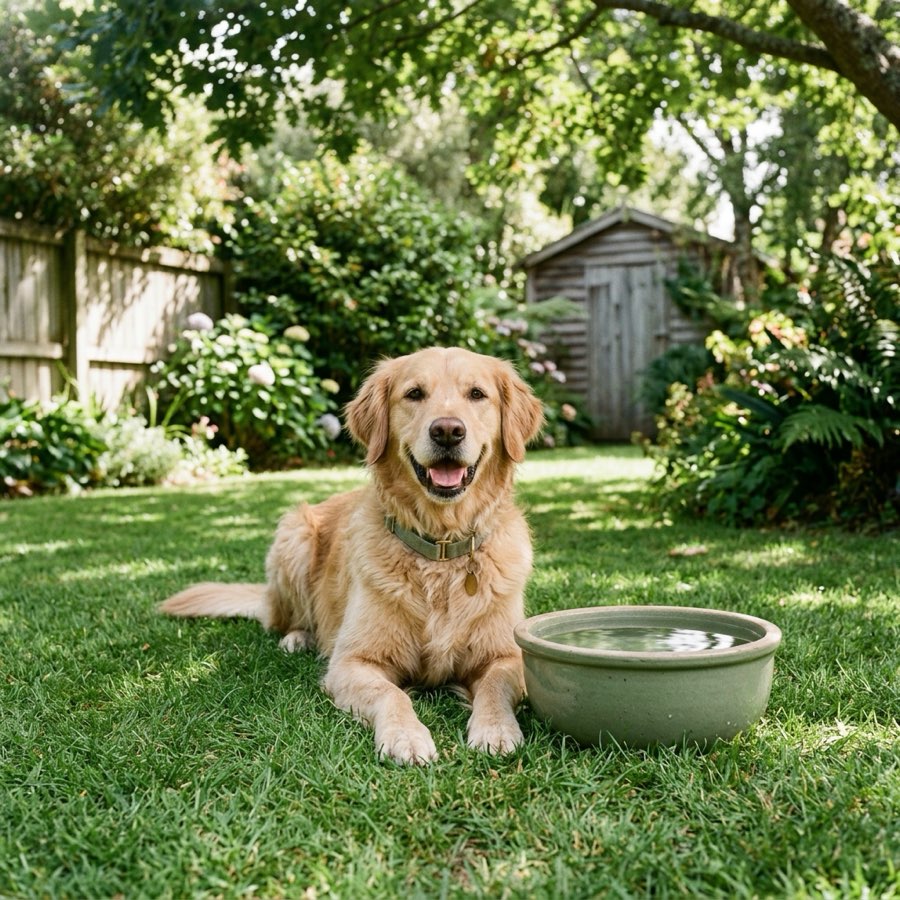
SPCA's summer advice says pets need access to shade and water, and warns that doghouses can trap heat. The MPI Code of Welfare for Dogs also covers shade, shelter, ventilation, water and protection from extremes of heat and cold.
Home setup:
- Fresh water in more than one place.
- Bowls that cannot tip easily.
- Shade that moves with the sun.
- Airflow, not just a closed kennel.
- Cool indoor access where possible.
- Bedding away from direct sun.
For bowl choices, see Pet Bowls and Feeders Guide NZ. For resting areas, see Dog Beds Guide NZ.
Beach, river and bach days
Summer outings can lull owners into overdoing it. Dogs may keep playing because the family is excited, not because they are coping well.
Plan:
- Take shade.
- Carry water.
- Keep sessions short.
- Avoid peak heat.
- Check sand and rocks with your hand.
- Rinse salt and dry the coat after swims.
- Use quiet rest after play.
Read How Often to Bathe a Dog NZ for rinse and coat-care basics after salty, sandy or muddy outings.
Dogs at higher risk
Some dogs need more caution. This does not mean they cannot enjoy summer; it means the plan must be gentler.
Higher-caution groups:
- puppies;
- senior dogs;
- short-nosed breeds;
- overweight dogs;
- dogs with thick or dark coats;
- dogs recovering from illness or procedure;
- dogs that panic in cars;
- working dogs in exposed areas.
If your dog sits down, seeks shade, pants heavily, drools, seems wobbly, refuses to continue, or behaves unlike themselves, stop the activity and contact your vet for advice. This draft does not diagnose heat stress.
Cooling products and common sense
Cooling mats, water play, shade cloth and frozen food toys can help some dogs stay comfortable, but they do not make a hot car safe and they do not replace shade, water and timing.
Use Dog Toys Guide NZ for calm enrichment ideas. On hot days, food puzzles and scent games indoors may be safer than a long walk.
Summer travel checklist
Before a road trip, check the whole plan from your dog's point of view. Where will they wait if you need petrol, groceries or lunch? Is there a shaded, dog-friendly stop? Can one person stay with the dog while the other pays? Is the dog crate or seatbelt positioned where airflow actually reaches them? Do you have water ready without unpacking the whole boot?
For ferries, holiday parks, motels and baches, check pet rules before you leave. A "dog-friendly" listing may still have rules about decks, cars, shared lawns, cleaning fees or unattended animals. Plan the boring details early so your dog is not left in a risky place while humans negotiate at reception.
Short-nosed and thick-coated dogs
Short-nosed dogs and thick-coated dogs can need a more conservative summer plan. This draft does not rank breed risk or give medical advice, but it is sensible to shorten outings, avoid peak heat, choose shade and stop earlier. Brushing out loose coat can help comfort, but shaving a double coat is not a simple summer fix and should be discussed with a groomer or vet.
If you are unsure whether a walk is too much, choose the easier option: shorter route, cooler time, more water, or indoor enrichment.
Behaviour changes in heat
Heat can make dogs restless, clingy, irritable or reluctant to move. Do not punish a dog for refusing a walk or lying in the coolest room. Use Dog Behaviour Decoder to record what you see, then discuss concerning changes with your vet.
In multi-dog homes, heat can also increase friction around water bowls, shade and resting spots. Put out extra water and resting spaces so one dog cannot guard the only cool place.
What this draft deliberately does not do
This draft does not give a heatstroke first-aid protocol, cooling-rate advice, dosing, transport treatment instructions, or legal advice about breaking into vehicles. Those areas need veterinary/legal review and official direction.
The safe editorial line is simple: prevent heat exposure, never leave dogs in hot cars, and contact SPCA, Police or a vet when a dog appears to be suffering.
Key takeaways
- Never leave a dog unattended in a parked car.
- Shade and cracked windows do not make a warm car safe.
- Walk in cooler parts of the day and check hot surfaces.
- Provide water, shade and airflow at home and on outings.
- Use extra caution for puppies, seniors, short-nosed and thick-coated dogs.
Related reading
- Dog Leads, Harnesses and Collars Guide NZ
- Dog Toys Guide NZ
- Dog Beds Guide NZ
- Pet Bowls and Feeders Guide NZ
- How Often to Bathe a Dog NZ
- Dog Behaviour Decoder
---
Reference sources
- SPCA New Zealand: Dogs die in hot cars. If you love them, don't leave them, checked 2026-06-04. https://www.spca.nz/advice-and-welfare/article/dogs-die-in-hot-cars-if-you-love-them-dont-leave-them?cat=&subcat=
- SPCA New Zealand: Keeping pets safe in summer, checked 2026-06-04. https://www.spca.nz/advice-and-welfare/article/keeping-pets-safe-in-summer
- MPI New Zealand: Animal welfare overview, checked 2026-06-04. https://www.mpi.govt.nz/animals/animal-welfare/animal-welfare-overview/
- MPI New Zealand: Code of Welfare - Dogs, checked 2026-06-04. https://www.mpi.govt.nz/animals/animal-welfare/codes/all-animal-welfare-codes/code-of-welfare-dogs/
- New Zealand Legislation: Animal Welfare (Care and Procedures) Regulations 2018 - dogs left in vehicles, checked 2026-06-04. https://www.legislation.govt.nz/regulation/public/2018/0050/latest/LMS22894.html
- New Zealand Legislation: Animal Welfare (Care and Procedures) Regulations 2018, checked 2026-06-04. https://www.legislation.govt.nz/regulation/public/2018/0050/latest/whole.html
Related guides
petmall.co.nz
Shop at PetMall
The products below are practical support items for your pet. PetMall ships across New Zealand.
- Dog FoodStart with food that matches your dog's life stage and activity level — and change brands slowly over 7–10 days.
- Dog TreatsTraining rewards and everyday treats — small, soft pieces work best for consistent reinforcement.
- Dog ToysA small rotation of chew, fetch, and puzzle toys usually works better than buying a large variety at once.
- Dog GroomingA gentle brush and the right shampoo make maintenance easier — especially for dogs that get muddy on walks.
- Leads & HarnessesComfort matters: padded contact points and adjustable fit help reduce rubbing on longer walks or tramping weekends.
- Flea & Worm TreatmentFor NZ conditions, look for protection that fits your routine (monthly vs longer-lasting) and your dog's weight range.