Dog Toys NZ: Chew, Fetch, Puzzle & Interactive — What Does Your Dog Need?
Dog toys NZ guide: choose chew, fetch, tug, puzzle and interactive toys for safe enrichment, beach days, apartments and busy Kiwi households.
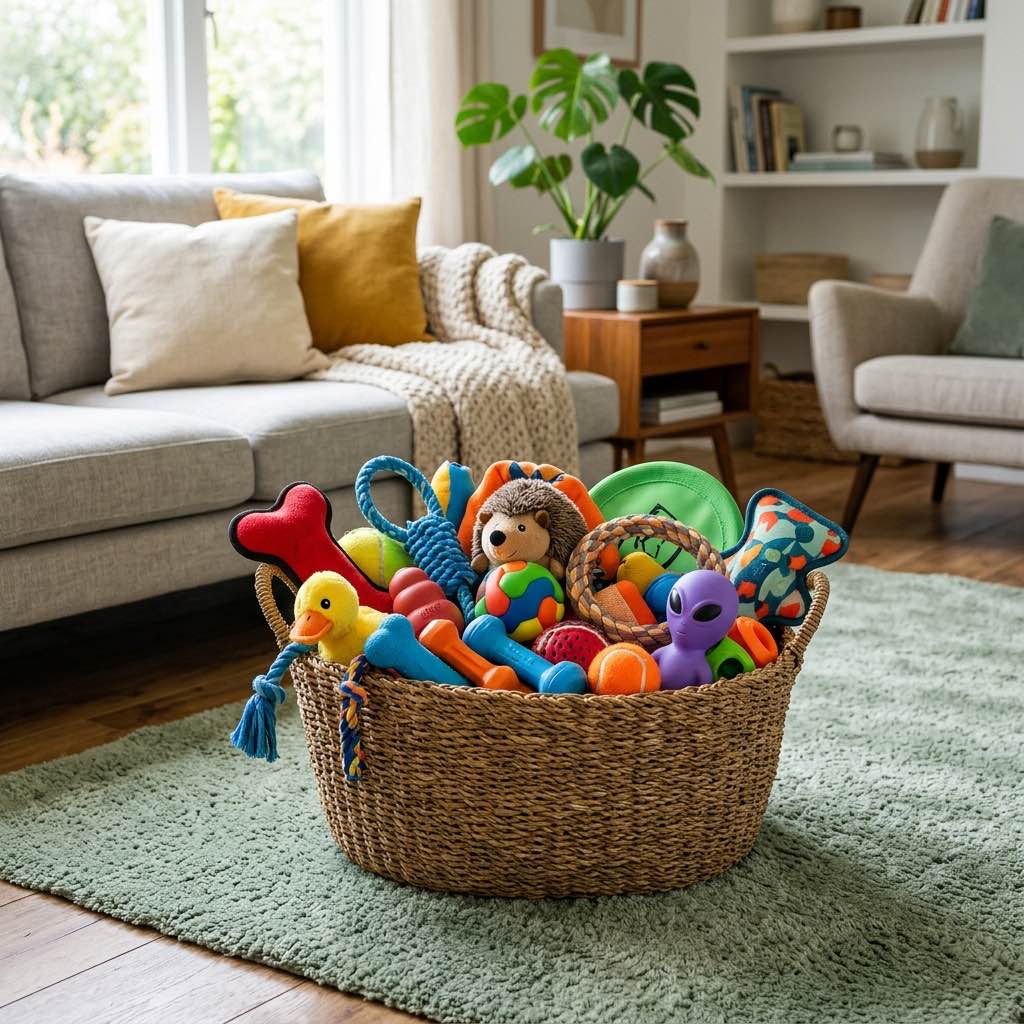
The best dog toys NZ owners can buy are a small rotation of safe chew, fetch, tug and puzzle toys matched to the dog's size, energy and routine. You do not need a toy box full of novelty items; you need the right jobs covered.
Most dogs get bored when every toy is available all the time. SPCA New Zealand recommends enrichment and toy rotation as part of a happy, interesting life for dogs. For a busy Kiwi household, that usually means one chew outlet, one human-play toy, one thinking toy and one outdoor option.
Quick Toy Match Table
| Toy type | Best for | Watch-outs |
|---|---|---|
| Chew toys | Teething puppies, strong chewers, quiet settling | Size, hardness, broken pieces |
| Fetch toys | Active dogs, beach trips, open sections | Wildlife, heat, repeated high-speed stops |
| Tug toys | Relationship-building and impulse control | Teach release and pause games |
| Puzzle toys | Wet days, apartment dogs, working-from-home routines | Start easy to avoid frustration |
| Squeaky toys | Short play bursts and reward games | Supervise dogs that shred squeakers |
| Food-dispensing toys | Meal enrichment and boredom prevention | Clean thoroughly and match food texture |
Chew Toys: Give the Mouth a Job
Chewing is normal dog behaviour. The goal is to point it at safe items instead of chair legs, shoes or the kids' sports gear. For puppies, pick soft-to-medium chew toys sized so they cannot swallow them. For adult power chewers, choose tougher rubber-style toys and inspect them often.
The simple safety rule: if a toy is small enough to disappear into the mouth, it is too small. If it cracks into sharp pieces, bin it. If your dog is trying to swallow chunks rather than chew and drop them, supervise closely and change toy type.
Avoid turning chew choice into a toughness contest. A toy can be too hard for a dog's mouth. If you are unsure, ask your vet for advice, especially for puppies, older dogs or dogs with known dental issues.
Fetch Toys: Great Outdoors, Used Sensibly
Fetch is brilliant for dogs that love it, but it should be used with common sense. NZ beach sessions, big back sections and quiet parks are ideal when local rules allow dogs and the weather is kind. Choose floating toys for water-loving dogs and bright colours that are easy to find in sand or grass.
Use shorter sessions rather than endless high-speed throws. Mix in sniffing, loose-lead walking and calm breaks. On hot summer days, fetch can push dogs hard before owners realise it. On shared beaches, stop the game well away from children, picnics, horses, wildlife and other dogs.
DOC guidance around dogs on beaches is a useful reminder: control protects native wildlife as well as your dog. A toy that sends a dog charging through nesting birds is the wrong game in the wrong place.
Tug Toys: Better Manners, Not "Dominance"
Tug is not a bad habit when played with rules. It can teach give, take, wait and calm restarts. Keep the toy low and side-to-side rather than yanking upward. Let kids play only if they can follow the rules and the dog stays relaxed.
Good tug toys have enough length to keep hands away from teeth. Fabric, rope and rubber tug toys all work, but they need checking for frayed strings or torn ends. Put tug toys away between sessions if your dog shreds them.
For dogs that get too intense, keep tug as a short training reward. Ask for a sit, offer the toy, play for a few seconds, then cue release and reward. If the dog cannot let go yet, practise with lower-value toys and food trades.
Puzzle and Food Toys
Puzzle toys are excellent for rainy Auckland afternoons, apartment dogs, recovery days, and households where humans are out at work. SPCA's food enrichment guidance describes puzzle toys, slow feeders, food-dispensing toys and simple nose games as ways to make dogs work their brains.
Start easier than you think. A beginner puzzle should be solvable quickly so the dog learns the game. If the dog paws frantically, barks at it, or walks away, reduce the difficulty. A cardboard box with paper and scattered kibble can be better than an expensive puzzle that is too hard.
Clean food toys well, especially in warm weather. Wet food, peanut butter, yoghurt and stock-based mixes can leave residue. If it smells sour or has cracks you cannot clean, replace it.
Squeaky and Soft Toys
Squeaky toys suit dogs that like carrying, pouncing and short bursts of play. They can be useful rewards because many dogs find the noise exciting. The downside is obvious: some dogs surgically remove squeakers.
If your dog is a shredder, treat squeaky toys as supervised play only. Put them away when you cannot watch. For gentle dogs, a soft toy can be a comfort item, especially after adoption, during a move, or at a bach where the environment feels new.
Building a Sensible Toy Rotation
You do not need dozens of toys. Try this starter rotation:
- one chew toy available during supervised settle time
- one tug toy kept for human play
- one fetch toy for outdoor sessions
- one puzzle or food toy for wet days or work calls
- one comfort toy if your dog likes carrying something soft
Swap a few toys every week. The old toy feels new again, and you learn what your dog actually uses. This is also cheaper than buying every trendy toy at once.
NZ Lifestyle Notes
For beach dogs, choose floating, rinse-clean toys and avoid games near nesting wildlife. For apartment dogs, prioritise puzzle feeders, quiet chew toys and tug games that do not bounce off the neighbour's wall. For working households, food toys can turn breakfast into a slower activity before you leave.
For rural dogs, do not let toys become stock-chasing practice. For city dogs, avoid fetch near roads and shared cycle paths. For winter, puzzle and scent games are useful when rain and short days cut walks down.
Key takeaways
- A balanced dog toy kit covers chew, human play, thinking and outdoor exercise.
- Rotate toys weekly instead of leaving everything out all the time.
- Puzzle toys should start easy and be cleaned well after food use.
- Fetch belongs in safe spaces, away from roads, wildlife and crowded beaches.
- Tug is fine when it includes pause and release cues.
- Replace toys that crack, fray, expose stuffing or become swallowable.
Related reading
- Dog Enrichment NZ: Mental Stimulation Ideas for Every Breed & Lifestyle
- Dog Training in NZ: From Puppy Classes to Advanced
- New Puppy Checklist NZ: Everything You Need
- Pet-Friendly Beaches in NZ: Rules, Best Spots & Safety Tips
---
Reference sources
- SPCA New Zealand, Exercise and enrichment for dogs, checked 2026-06-04: https://www.spca.nz/advice-and-welfare/article/exercise-and-enrichment-for-dogs?cat=&subcat=
- SPCA New Zealand, Food enrichment for dogs, checked 2026-06-04: https://www.spca.nz/advice-and-welfare/article/food-enrichment-for-dogs-tips-for-making-food-fun
- DOC, Dogs on beaches, checked 2026-06-04: https://www.doc.govt.nz/dogs-on-beaches
- Auckland Council, Rules for dogs in public places, checked 2026-06-04: https://new.aucklandcouncil.govt.nz/en/dogs-animals/guide-for-dog-owners/rules-dogs-public-places.html
- MPI, Code of Welfare: Dogs, checked 2026-06-04: https://www.mpi.govt.nz/animals/animal-welfare/codes/all-animal-welfare-codes/code-of-welfare-dogs
Related guides
petmall.co.nz
Shop at PetMall
The products below are practical support items for your pet. PetMall ships across New Zealand.
- Dog ToysA small rotation of chew, fetch, and puzzle toys usually works better than buying a large variety at once.
- Dog FoodStart with food that matches your dog's life stage and activity level — and change brands slowly over 7–10 days.
- Dog TreatsTraining rewards and everyday treats — small, soft pieces work best for consistent reinforcement.
- Dog GroomingA gentle brush and the right shampoo make maintenance easier — especially for dogs that get muddy on walks.
- Leads & HarnessesComfort matters: padded contact points and adjustable fit help reduce rubbing on longer walks or tramping weekends.
- Flea & Worm TreatmentFor NZ conditions, look for protection that fits your routine (monthly vs longer-lasting) and your dog's weight range.