NZ Winter Pet Safety: Cold, Rain & Indoor Comfort Guide
NZ winters are mild but still affect seniors, short-coated breeds, and outdoor cats. Learn safe temperatures, bedding, exercise, and wet-weather routines.
As the cooler months descend upon Aotearoa, bringing with them crisp mornings, biting winds, and often relentless rain, it's time for us Kiwi pet owners to adjust our routines and ensure our beloved companions are safe, warm, and comfortable. New Zealand winters, while varied across our beautiful land, can be surprisingly harsh, and what might seem like a mild day to us can be genuinely chilling for our furry friends.
This comprehensive guide from wiki.petmall.co.nz is designed to equip you with the knowledge and practical tips needed to navigate the NZ winter, keeping your pets healthy and happy. We’ll delve into everything from understanding temperature thresholds to ensuring optimal nutrition, all with a uniquely Kiwi perspective.
How Cold Is Too Cold? NZ Regional Differences
Determining "how cold is too cold" for a pet isn't a one-size-fits-all answer, especially in a country with as diverse a climate as New Zealand. From the subtropical warmth of Northland to the frosty peaks of the Southern Alps, winter conditions vary dramatically.
Factors Influencing Cold Tolerance:
- Breed: Double-coated breeds like Siberian Huskies or Bernese Mountain Dogs are built for cold. Short-coated breeds such as Greyhounds, Chihuahuas, or even our popular Staffy crosses, have minimal insulation.
- Age: Puppies and senior pets have a harder time regulating their body temperature. Puppies haven't fully developed their thermoregulation, and older pets may have underlying health issues, thinner coats, or reduced mobility.
- Health: Pets with conditions like arthritis, diabetes, heart disease, or kidney disease are more susceptible to cold-related issues. Illness can also compromise their immune system, making them more vulnerable.
- Body Fat & Coat: A healthy layer of fat provides insulation, as does a thick, well-maintained coat. Overweight pets, however, may have other health issues exacerbated by cold.
- Acclimatisation: A pet used to living indoors in a warm environment will feel the cold more acutely than one who spends more time outdoors and has gradually acclimatised.
- Wind Chill & Rain: These are often bigger factors than temperature alone in NZ. A wet coat loses its insulating properties rapidly, and wind dramatically increases heat loss. A 5°C day with driving rain and strong winds can feel much colder to a pet than a dry, still 0°C day.
General Temperature Guidelines (for dogs, with caveats):
- Above 7°C (45°F): Most dogs are generally comfortable, but smaller, short-coated, or vulnerable dogs may start to feel chilly, especially if wet or windy.
- 0°C to 7°C (32°F to 45°F): This range can be risky for many smaller, short-coated, or older dogs. Limit outdoor time, ensure they are wearing appropriate protection, and watch for signs of discomfort.
- Below 0°C (32°F): This temperature is potentially dangerous for most dogs, especially without proper protection and limited exposure. Frostbite and hypothermia are real risks. While not common in many parts of NZ, regions like Central Otago, the Mackenzie Basin, or the Central Plateau can regularly experience these temperatures.
Signs Your Pet is Too Cold:
- Shivering or trembling: An obvious sign they're trying to generate heat.
- Hunching, tucking tail, lifting paws: Trying to minimise exposed surface area.
- Whining or barking: Expressing discomfort.
- Reluctance to move or slowing down: Especially noticeable on walks.
- Seeking shelter: Trying to find warmth.
- Lethargy or weakness: A serious sign of hypothermia.
Always observe your pet's individual behaviour. If you're unsure, it’s always best to err on the side of caution and bring them indoors or provide extra warmth. For personalised advice on your pet's specific needs, a chat with your local Kiwi vet is invaluable.
Short-Coated & Senior Dogs: Extra Winter Care
These two groups of dogs are particularly vulnerable to the cold and wet of an NZ winter. Their ability to regulate body temperature is often compromised, making them prime candidates for extra care.
Short-Coated Dogs
Breeds like Greyhounds, Whippets, Boxers, Dalmatians, and many mixed breeds with sleek, fine coats lack the natural insulation of their double-coated cousins. For them, a winter's day in Auckland can feel as harsh as a colder day in Canterbury.
- Winter Apparel is a Must: A good quality, waterproof, and insulated dog coat or sweater is not just a fashion statement for these pooches – it's a necessity. Look for options that cover their chest and belly, as these areas are vital for warmth.
- Materials: Fleece, wool, or synthetic insulated fabrics are excellent choices. Ensure the outer layer is water-resistant or waterproof for those rainy Kiwi days.
- Fit: It should be snug but not restrictive, allowing for full range of motion without chafing.
- Cost: Expect to pay anywhere from $30 - $120+ NZD for a durable, well-fitting winter coat, depending on size and brand.
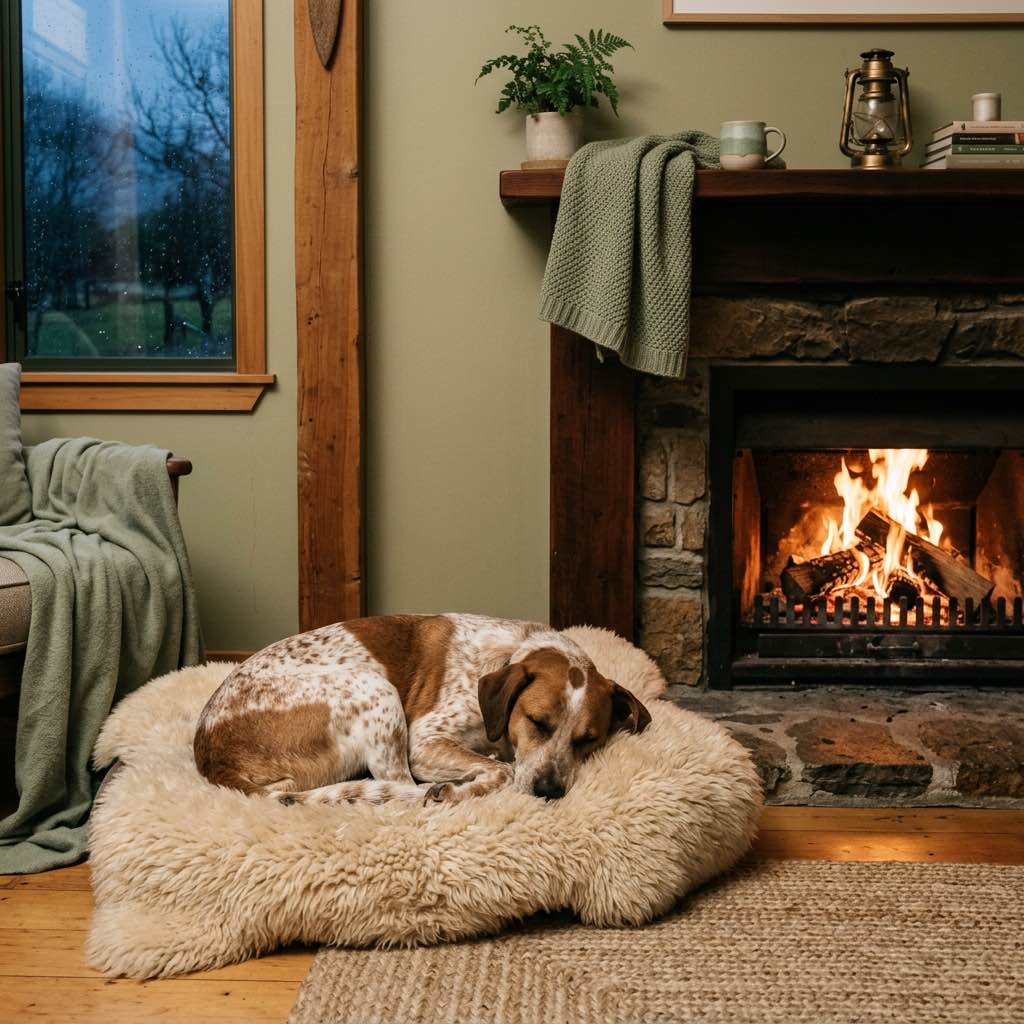
- Indoor Warmth: Ensure they have a warm, draught-free sleeping area indoors. An elevated bed can help keep them off cold floors, and a cosy blanket or self-warming bed provides extra comfort.
- Paw Protection: While not always necessary, dog booties can protect sensitive paws from cold, wet ground or de-icing salts (though less common in NZ than overseas, some areas may use them).
Senior Dogs
Our older canine companions often face a double whammy in winter: reduced mobility due to arthritis and a diminished ability to maintain body temperature.
- Arthritis Management: Cold and damp weather can exacerbate joint pain.
- Warmth: Keep senior dogs in the warmest part of the house. Heated beds or orthopaedic beds offer therapeutic warmth and support for aching joints.
- Gentle Exercise: Shorter, more frequent walks on milder days are better than one long, strenuous outing. Avoid slippery or uneven terrain.
- Ramps & Steps: Consider ramps for cars or steps for accessing furniture to reduce strain on joints.
- Vet Check-ups: Regular check-ups with your vet are crucial. They might recommend specific joint supplements (like glucosamine and chondroitin) or discuss pain management strategies.
- Immune Support: Older dogs often have weaker immune systems, making them more susceptible to winter illnesses. Ensure they have a balanced diet and stay up-to-date with vaccinations as advised by your vet.
- Hydration: Don't forget fresh water. While they might not seem as thirsty in winter, adequate hydration is vital for overall health.
- Grooming: Regular grooming helps maintain coat health and allows you to check for any skin issues that might develop under winter coats.
By providing these extra layers of care, you can help your short-coated and senior dogs enjoy a more comfortable and healthier NZ winter.
Outdoor Cats in NZ Winter
Many Kiwi cats lead an indoor/outdoor lifestyle, enjoying the freedom of exploring their neighbourhood. However, when winter hits, this freedom can come with significant risks. While our winters might not always bring snow to urban areas, the combination of cold temperatures, persistent rain, and strong winds can be dangerous for outdoor cats.
The Dangers:
- Hypothermia: Prolonged exposure to cold, especially if wet, can lead to a dangerously low body temperature. Signs include shivering, lethargy, stiff muscles, and shallow breathing. This is a veterinary emergency.
- Frostbite: Less common in most of NZ compared to places with extreme cold, but still a risk in alpine regions or during very severe cold snaps, affecting ears, tail, and paw pads.
- Wet Fur: A cat's fur loses its insulating properties when wet, making them prone to rapid heat loss.
- Seeking Shelter: Cats may seek warmth in dangerous places, such as under car bonnets (engines retain heat), in sheds with dangerous chemicals, or in neighbours' garages where they might accidentally get locked in.
Providing Safe Winter Comfort for Your Outdoor Cat:
- Guaranteed Access to Warm, Dry Shelter: This is paramount.
- Cat Flap: A microchip-activated cat flap (costing around $100 - $250 NZD for the unit, plus installation) is an excellent investment, allowing your cat to come and go without letting draughts into your home.
- Garage/Shed Access: If a cat flap isn't an option, ensure a secure, warm, and dry space in a garage or shed. Clear out any hazards like antifreeze or tools. Provide a cosy bed or cardboard box with blankets.
- Outdoor Insulated Shelters: For cats who insist on spending time outdoors or for community cats, consider a purpose-built outdoor cat shelter.
- DIY Options: A sturdy plastic storage container with a small entrance hole cut into it, lined with straw (not blankets, which absorb moisture), can provide surprisingly good insulation. Elevate it off the ground.
- Purchased Shelters: Some pet supply stores offer insulated outdoor cat houses, ranging from $100 - $400 NZD.
- Increased Nutrition: Cats burn more calories to stay warm in winter. Consider slightly increasing their food portions, especially if they spend a lot of time outside. A high-quality, protein-rich diet is essential.
- Check Under Cars: Before starting your car on cold mornings, especially if your cat is an outdoor explorer, give the bonnet a gentle tap or honk the horn. This can rouse any sleeping felines who've sought warmth near the engine.
- Consider an "Indoor Cat" Winter: For the coldest and wettest months, consider transitioning your cat to a purely indoor lifestyle. Provide plenty of enrichment (toys, scratching posts, window perches) to keep them entertained. This is the safest option for their health and welfare during a harsh Kiwi winter.
By being proactive and providing safe, warm options, you can help your outdoor cat navigate the challenges of an NZ winter.
Warming Bedding: Heated vs Insulated Options
A warm, comfortable bed is a non-negotiable for pet comfort, especially during the colder months. With various options available, choosing the right one can make a significant difference to your pet's well-being. Let's compare heated and insulated bedding options.
Warming Bedding Comparison
| Feature | Insulated / self-warming beds | Electric heated beds & pads |
|---|---|---|
| How it works | A reflective layer bounces your pet's own body heat back at them | A mains or low-voltage element actively adds heat |
| Power needed | None | Yes — a cable to route safely; a poor choice for a chewer |
| Overheating risk | Very low: it cannot get hotter than your pet | Real. Needs a thermostat, and the pet must be able to move off it |
| Best for | Most healthy adult dogs and cats, including unsupervised use | Arthritic, senior, thin-coated or underweight pets in a genuinely cold room |
| Placement | Raised off the floor and out of draughts | Raised off the floor and out of draughts; always leave an unheated half of the bed |
| Main watch-out | A thin mat on a cold concrete floor does very little — you need real insulation underneath | Never substitute a human heat pad; check the cable for chew damage and the skin for redness |
Two practical points that matter more than the product you choose. Get the bed off the floor and out of the draught — PDSA specifically recommends raised beds for older dogs to keep them out of draughts, and notes that cold weather makes stiff joints and arthritis considerably worse, which is why an orthopaedic bed often does more for an older dog than a heated one. And do not improvise heat. PetMD's veterinary guidance on hypothermia explicitly warns against heating pads, which can cause burns or shock; if you are warming a genuinely cold pet, use warm blankets and covered warm water bottles, and get to a vet.
Small pets are the ones most often left too cold. PDSA notes rabbits, guinea pigs and ferrets really feel the cold, and they need plenty of deep bedding over winter so they can burrow right down into it.
Sources
- PDSA, *Pet Care in Winter* — recommends extra blankets over winter, raised beds for older dogs "to keep them out of draughts", and notes that "pets can start to get stiff joints and arthritis in their old age and sometimes colder weather can make this a lot worse"; small pets such as rabbits, guinea pigs and ferrets "can really feel the cold" and need plenty of deep bedding, checked 2026-07-24: https://www.pdsa.org.uk/pet-help-and-advice/looking-after-your-pet/all-pets/pet-care-in-winter
- PetMD, *Hypothermia in Dogs* (Jennifer Coates, DVM; reviewed by Veronica Higgs, DVM) — senior dogs and dogs with underlying illness such as kidney disease, heart failure or diabetes are more vulnerable; early signs are shivering, muscle stiffness and lethargy; a dog's normal temperature is around 101.5 °F and hypothermia sets in around 98–99 °F; warms with blankets and covered warm water bottles and explicitly warns against heating pads because of the risk of burns or shock, checked 2026-07-24: https://www.petmd.com/dog/conditions/cardiovascular/dog-hypothermia