Does My Dog Need a Coat in NZ? Winter Warmth, Which Dogs & How to Fit One
Does your dog need a coat in a NZ winter? Which dogs benefit, when a coat helps, how to fit one, and which dogs are fine without — a practical guide.
The quick answer: some dogs genuinely benefit from a coat in a New Zealand winter, and many don't. Short-coated breeds, small or lean dogs, puppies, seniors, and unwell dogs lose heat faster and can appreciate a coat on cold, wet or windy days. Thick, double-coated breeds (huskies, many working dogs) are usually well insulated and often don't need one. It's about the individual dog and the conditions, not fashion.
Which dogs benefit most
- Short or thin coats (greyhounds, whippets, staffies, many small breeds).
- Small or lean dogs with little body fat and high surface area.
- Puppies and senior dogs, who regulate temperature less well.
- Dogs recovering from illness or surgery, or with low body condition.
- Dogs doing slow activity in cold, wet, windy weather (not high-energy running).
Which dogs usually don't
- Thick double-coated breeds (Husky, Malamute, many Spitz and working breeds) are built for cold and can overheat in a coat.
- Healthy, well-conditioned medium/large dogs on an active walk generating their own heat.
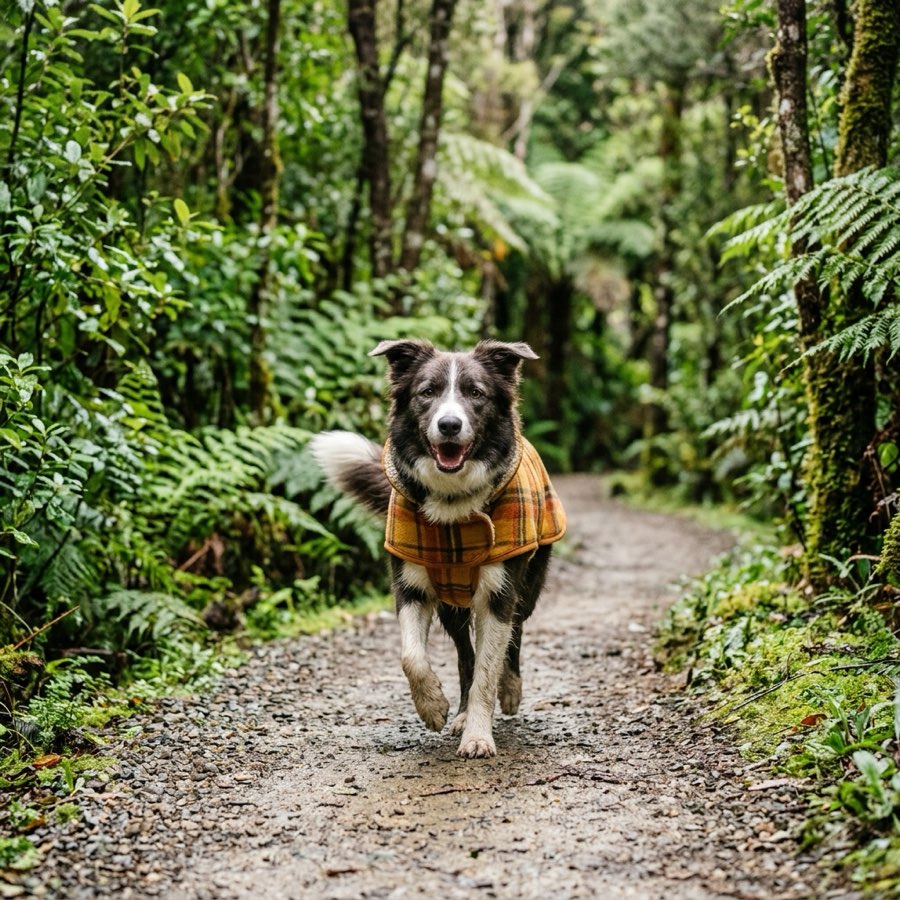
When in doubt, watch your dog: shivering, hunching, lifting paws, or reluctance to go out in the cold suggests a coat (and a shorter walk) may help.
One important caveat: shivering tells you a dog is cold, but it is not a reliable indicator of hypothermia. The Merck Veterinary Manual lists slow pulse, shallow breathing, confusion, collapse or unconsciousness as the signs that matter — and a genuinely hypothermic animal may not shiver at all. That is a veterinary emergency, not a coat problem: get the dog dry, keep it warm on the way, and call a vet.
NZ context
New Zealand winters are generally mild but wet and windy, and the South Island and frosty inland areas get genuinely cold. Wind and rain strip heat fast, so a waterproof, wind-resistant coat matters more than thick padding for many dogs. After wet walks, dry your dog off rather than leaving them damp. On the flip side, never leave a coat on a warm, active dog — overheating is the bigger risk in a coat. (For the warm-weather side, see dogs and summer heat safety NZ.)
How to fit a coat
- Measure back length (base of neck to base of tail) — the key measurement — plus chest girth.
- It should cover the back and chest without rubbing the front legs or restricting movement.
- Snug but not tight; your dog should walk, sit and toilet normally.
- Check for chafing under the legs and at the neck after the first wear.
Quick takeaways
- Short-coated, small, lean, young, old or unwell dogs benefit most.
- Thick double-coated breeds usually don't — and can overheat in a coat.
- In NZ, prioritise waterproof + windproof over heavy padding.
- Fit to back length; no rubbing; remove it once the dog is warm/active.
- Watch the dog: shivering/hunching = coat + shorter walk.
Shop related categories at PetMall
Looking for dog coats and cold-weather gear in New Zealand? Browse the PetMall dog range for current options and nationwide delivery.
Related reading
References
- MPI New Zealand, Code of Welfare for Dogs (shelter and protection from extremes), checked 2026-06-04: https://www.mpi.govt.nz/animals/animal-welfare/codes/all-animal-welfare-codes/code-of-welfare-dogs/
- Merck Veterinary Manual, *What to Do in a Dog or Cat Emergency* (hypothermia — overexposure to cold), checked 2026-08-02: https://www.merckvetmanual.com/special-pet-topics/emergencies/what-to-do-in-a-dog-or-cat-emergency
Important notice
*General information for NZ pet owners. For a dog that is unwell, very young, old or struggling with temperature, talk to a registered New Zealand vet.*
Related guides
petmall.co.nz
Shop at PetMall
The products below are practical support items for your pet. PetMall ships across New Zealand.
- Dog GroomingA gentle brush and the right shampoo make maintenance easier — especially for dogs that get muddy on walks.
- Dog FoodStart with food that matches your dog's life stage and activity level — and change brands slowly over 7–10 days.
- Dog TreatsTraining rewards and everyday treats — small, soft pieces work best for consistent reinforcement.
- Dog ToysA small rotation of chew, fetch, and puzzle toys usually works better than buying a large variety at once.
- Leads & HarnessesComfort matters: padded contact points and adjustable fit help reduce rubbing on longer walks or tramping weekends.
- Flea & Worm TreatmentFor NZ conditions, look for protection that fits your routine (monthly vs longer-lasting) and your dog's weight range.