NZ Autumn Pet Care: What Every Kiwi Owner Should Do Before Winter
March to May means falling leaves, shorter days, and changing routines. Use this checklist to prepare dogs and cats for winter.
As the vibrant colours of summer fade into the rich, earthy tones of autumn, a distinct change settles over Aotearoa. The days grow shorter, the air crisper, and the first hints of winter's chill begin to creep in. For us Kiwi pet owners, autumn isn't just a beautiful season; it's a crucial transitional period to prepare our beloved companions for the colder, wetter months ahead.
At wiki.petmall.co.nz, we understand that your pet is a cherished member of your whānau. This comprehensive guide, crafted with New Zealand's unique climate and pet care landscape in mind, will walk you through everything you need to do to ensure your furry, feathered, or scaled friend remains happy, healthy, and safe as we journey from autumn into winter. Think of this as friendly, expert advice from someone who knows the ins and outs of pet care in our beautiful country. Let's make this autumn a season of proactive care!
Autumn in NZ: What Changes for Your Pet
Autumn in New Zealand brings a suite of environmental shifts that directly impact our pets. Understanding these changes is the first step in providing optimal care.
Temperature Drops: While autumn days can still be pleasant, evenings and mornings become noticeably cooler. This drop in temperature can affect pets differently based on their breed, age, and health. Older pets, especially those with arthritis, might feel the cold more acutely, leading to increased stiffness and discomfort. Breeds with thin coats or low body fat will also be more susceptible to the chill.
Increased Rainfall and Wind: Our autumns are often characterised by more frequent rainfall and stronger winds, particularly in coastal areas and across the central North Island and South Island. Wet and windy conditions can make outdoor exercise less appealing and potentially lead to damp, cold pets if their outdoor shelters aren't adequate. Prolonged dampness can also contribute to skin issues or exacerbate existing conditions.
Shorter Daylight Hours: As we move towards winter, daylight hours diminish. This means earlier sunsets and later sunrises, impacting walk times, outdoor play, and visibility. For working Kiwis, this often means walking your dog in low light conditions, which requires extra safety precautions.
Falling Leaves and Garden Debris: The beautiful fallen leaves and garden clear-ups that come with autumn can also present hidden hazards. Piles of leaves can conceal toxic plants, fungi, or even sharp objects. Composting activity also increases, which can be tempting (and dangerous) for curious pets.
Seasonal Shedding: Many pets, particularly dogs with double coats and cats, will experience a "coat blowout" as they shed their lighter summer fur to make way for a thicker, warmer winter coat. This natural process requires extra grooming attention.
By being aware of these seasonal changes, you can proactively adjust your pet care routine to meet their evolving needs, ensuring a smooth transition into the colder months.
The Autumn Vet Check
Before the full chill of winter sets in, an autumn vet check is one of the most proactive steps you can take for your pet's long-term health. Think of it as a pre-winter warrant of fitness for your furry friend. Even if your pet seems perfectly healthy, a comprehensive examination can catch potential issues early and allow your vet to recommend preventative measures.
What to Expect at a Vet Check-up:
A standard autumn check-up with your Kiwi vet will typically include:
- Overall Physical Examination: Your vet will assess your pet's general condition, including weight, muscle mass, coat quality, and skin health. They'll check their eyes, ears, nose, and mouth for any abnormalities.
- Dental Health Check: Dental disease is incredibly common in pets and can lead to more serious health problems if left untreated. Your vet will examine your pet's teeth and gums for tartar build-up, gingivitis, or any signs of pain or infection. Autumn is a great time to address any dental issues before the added stress of winter.
- Joint and Mobility Assessment: As temperatures drop, older pets or those with pre-existing conditions like arthritis often experience increased stiffness and pain. Your vet will assess your pet's gait, range of motion, and joint health. They might suggest supplements, dietary changes, or other management strategies to keep your pet comfortable through winter.
- Weight Management: The cooler weather can lead to pets being less active and potentially gaining weight. Your vet can advise on appropriate food portions and exercise levels to maintain a healthy weight, which is crucial for joint health and overall well-being.
- Vaccination and Parasite Review: While this might be covered in the Parasite Check section, your vet will confirm your pet's vaccination status and discuss year-round parasite prevention, tailoring recommendations to your pet's lifestyle and local NZ conditions.
- Discussion of Any Concerns: This is your opportunity to discuss any changes in your pet's behaviour, appetite, energy levels, or any other concerns you might have noticed.
Why it's Crucial for NZ Pets:
New Zealand's variable climate means pets are exposed to a range of conditions. A check-up ensures they are robust enough to handle the colder, wetter winter. For pets that spend time outdoors, confirming their health before winter is even more vital.
Cost Considerations (Estimated 2026 NZD Ranges):
The cost of a standard vet check-up can vary depending on your location in Aotearoa (city vs. rural), the specific clinic, and any additional services required.
- Standard Consultation: Expect to pay anywhere from $70 to $120 NZD. This typically covers the physical examination and discussion.
- Additional Services: If your pet requires vaccinations, blood tests, or other diagnostics during the visit, these will incur extra costs. For example, a routine vaccination might add $50-$80 NZD, while a basic blood panel could range from $150-$300 NZD. Dental procedures, if recommended, would be a separate and more significant expense, often requiring anaesthesia and ranging from $500 to over $1,500 NZD depending on the severity.
Always discuss potential costs with your vet clinic upfront. Many clinics offer payment plans or can provide estimates for recommended treatments. Investing in an autumn vet check is an investment in your pet's comfort and health for the entire winter season.
Coat Blowout Season
As the days shorten and the temperatures drop across NZ, many pets, particularly those with double coats, embark on their annual "coat blowout." This is the natural process where they shed their lighter summer undercoat to make way for a denser, warmer winter coat. While essential for insulation, this can lead to a house full of fur and, if not managed, uncomfortable matting for your pet.
Understanding Your Pet's Coat:
Different breeds have different grooming needs.
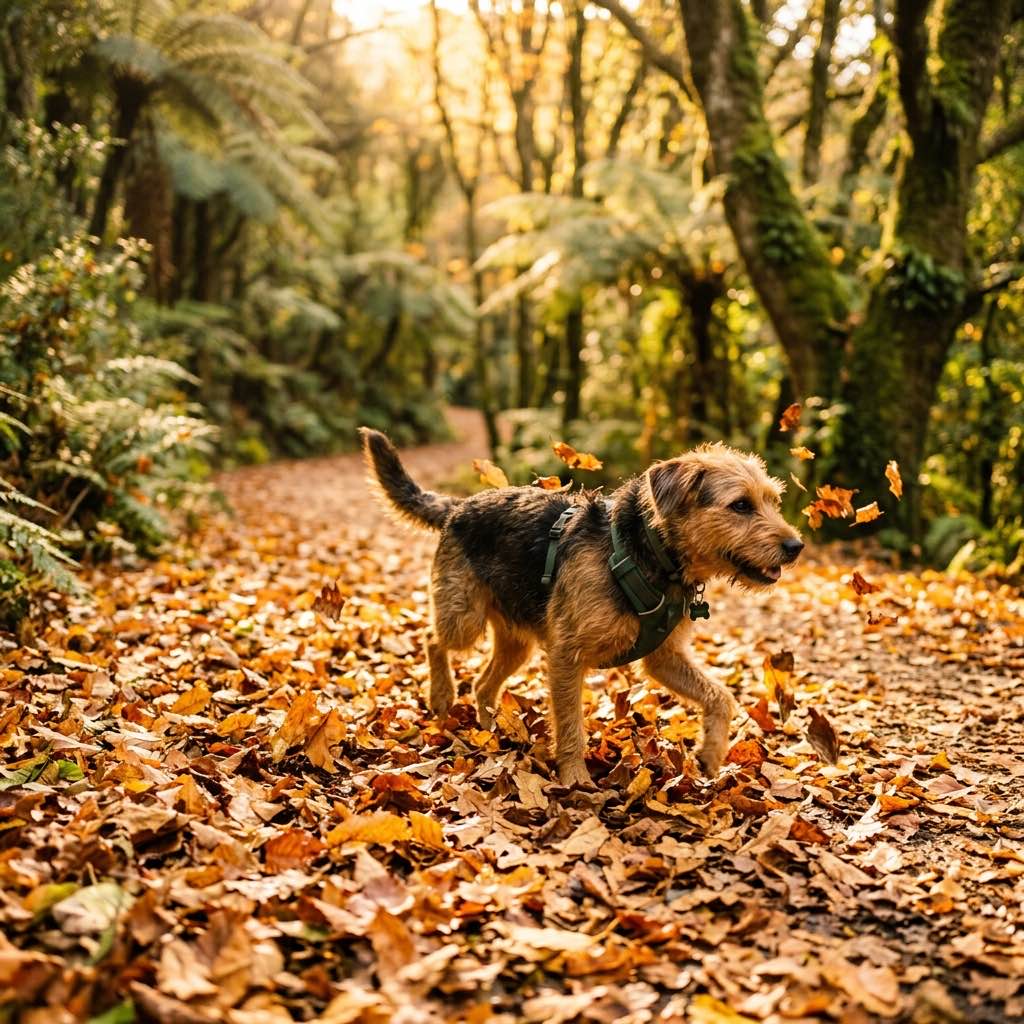
- Double-Coated Dogs (e.g., German Shepherds, Huskies, Golden Retrievers, Collies, many Huntaways and Sheepdogs common in NZ): These breeds have a soft, dense undercoat for insulation and a coarser topcoat for protection. They shed heavily twice a year, with autumn being one of the major periods.
- Single-Coated Dogs (e.g., Greyhounds, Poodles, Chihuahuas): These dogs shed less dramatically but still benefit from regular grooming to remove loose hair and stimulate skin oils.
- Cats (especially long-haired breeds like Maine Coons, [Ragdolls](/cats/breeds/ragdoll), or even many domestic longhairs): Cats also shed seasonally. Long-haired cats are particularly prone to matting and hairballs during coat blowout.
- Small Animals (Rabbits, Guinea Pigs): Even these smaller companions can experience seasonal shedding and benefit from gentle brushing to prevent matting and keep their coats healthy.
Why Autumn Grooming is Crucial:
- Prevents Matting: Loose, dead hair can quickly tangle and form painful mats, especially in damp weather. Mats pull on the skin, cause discomfort, and can hide skin infections or parasites.
- Reduces Hairballs: For cats, ingesting excessive loose fur during self-grooming can lead to hairballs, which can cause digestive upset or, in severe cases, blockages. Regular brushing significantly reduces the amount of hair they ingest.
- Improves Insulation: Removing the old, dead undercoat allows the new, healthy winter coat to grow in properly, providing better insulation against the cold and wet.
- Promotes Skin Health: Brushing distributes natural skin oils, keeping the skin healthy and the coat shiny. It also allows you to check for any lumps, bumps, parasites, or skin irritations that might be hiding under the fur.
- Reduces Household Fur: A bonus for you! Regular grooming means less fur shed around your home.
Essential Grooming Tools & Techniques:
To tackle autumn shedding effectively, you'll need the right tools. PetMall offers a fantastic range of options for both dogs and cats.
- Slicker Brushes: Excellent for removing loose fur and tangles from most coat types. Start gently and work in sections.
- Undercoat Rakes/Deshedding Tools: Specifically designed for double-coated breeds, these tools reach deep into the undercoat to pull out dead hair without damaging the topcoat. Use with care and follow instructions.
- Pin Brushes: Good for general grooming and longer coats, helping to detangle and smooth the outer layer.
- Combs: Wide-toothed combs are great for initial detangling, while fine-toothed combs can help check for fleas and ensure no small mats are missed.
- Grooming Mitts/Gloves: Ideal for short-coated dogs and cats, or for a final polish, helping to collect loose fur and massage the skin.
- Shampoo & Conditioner: A good bath can help loosen dead hair. Use pet-specific shampoos and conditioners to maintain skin pH and coat health. Ensure your pet is thoroughly dried afterwards, especially if it's chilly.
DIY Grooming vs. Professional Groomers:
While regular at-home grooming is essential, some pets might benefit from a professional groomer, especially during heavy shedding.
| Feature | DIY At-Home Grooming | Professional Grooming |
|---|---|---|
| Cost (Estimated 2026 NZD) | Minimal (cost of tools, shampoo: $50-$200 initial) | Moderate to High ($80-$200+ per session, depending on breed/size/coat condition) |
| Convenience | Done at your leisure, no travel required | Requires booking, drop-off/pick-up, travelling |
| Skill Level | Basic knowledge required, learning curve | Expert handling, specialised tools, trained eye for issues |
| Time Commitment | Can be time-consuming, especially for large breeds | Frees up your time |
| Benefits | Strengthens bond, regular checks, cost-effective | Thorough deshedding, nail trims, ear cleaning, anal gland expression (if needed), expert mat removal |
| Best For | Regular maintenance, light shedding, comfortable pets | Heavy shedding, matted coats, nervous pets, specific breed cuts |
If you opt for a professional groomer, do your research and choose one with a good reputation in your local NZ community. They can provide a thorough deshedding treatment that can significantly reduce the amount of fur around your home and prevent matting.
Regardless of whether you go DIY or professional, make grooming a positive experience for your pet. Use treats, praise, and gentle handling. Regular grooming is not just about aesthetics; it's a vital part of your pet's health and comfort, especially during the autumn coat blowout.
Parasite Check
The common misconception that fleas, worms, and other parasites disappear with the cooler autumn weather is a dangerous one for pet owners in NZ. Unfortunately, many parasites are incredibly resilient and can thrive year-round, or simply seek refuge in warmer indoor environments as temperatures drop. Autumn is a critical time to review and reinforce your parasite prevention strategy.
Fleas: Fleas are arguably the most persistent of pet parasites. While they might be less active outdoors in freezing temperatures, a typical New Zealand autumn rarely sees consistent hard frosts across all regions. Furthermore, fleas are masters at finding warm, protected environments. Your heated home, your pet's cosy bed, or even cracks in your floorboards offer ideal breeding grounds. A single female flea can lay up to 50 eggs per day, quickly leading to an infestation.
- NZ Context: Fleas are a year-round problem throughout Aotearoa. If your pet brings fleas inside, they will continue to breed and thrive in your home, regardless of the outdoor temperature.
- Signs: Excessive scratching, biting at the skin, "flea dirt" (small black specks that turn reddish-brown when wet) on your pet's coat or bedding.
- Prevention: The most effective flea prevention involves regular, year-round treatment for all pets in the household. If you would rather avoid chemical spot-ons, see our guide to natural flea treatment for dogs.
Worms: Pets can be affected by various internal parasites, including roundworms, hookworms, whipworms, and tapeworms.
- NZ Context: Different types of worms are prevalent in NZ, often picked up from contaminated soil, other animals' faeces, or through intermediate hosts like fleas (for tapeworm).
- Signs: Can range from subtle (dull coat, lethargy, poor appetite) to more obvious (diarrhoea, vomiting, weight loss, visible worms in faeces). Puppies and kittens are particularly vulnerable.
- Prevention: Regular deworming treatments, as recommended by your vet, are essential. This is especially important for pets that spend time outdoors, in dog parks, or interact with other animals.
Mites: Various types of mites can cause skin irritation, hair loss, and intense itching in pets. Ear mites are common, especially in kittens and puppies, while others like Sarcoptes mites (scabies) can cause severe skin conditions.
- NZ Context: Mites are present across NZ and can affect pets of all ages.
- Signs: Head shaking, ear scratching, red or inflamed skin, hair loss, scabs, and a musty odour.
- Prevention: Good hygiene and regular grooming can help, but specific medicated treatments are often required to eliminate mite infestations.
Ticks: While not as widespread or as much of a concern as in some other countries, ticks *do* exist in certain parts of NZ, particularly in rural and bush areas, or if your pet travels to such locations. The most common tick found on pets in NZ is the native New Zealand cattle tick (Haemaphysalis longicornis), which can also bite humans and other animals.
- NZ Context: If you live near bushland, regularly walk your pet in long grass, or travel to areas known for ticks (e.g., Northland, parts of Waikato, Bay of Plenty), it's wise to check your pet after outdoor excursions.
- Signs: You might find a small, engorged tick attached to your pet's skin.
- Prevention: Regular checks after walks, especially around the head, ears, and paws. If you find a tick, remove it carefully with tweezers, grasping it as close to the skin as possible and pulling straight up. Consult your vet for advice on tick prevention products if you live in or visit high-risk areas.
The Autumn Action Plan:
- Consult Your Vet: The most important step. Your Kiwi vet can assess your pet's lifestyle, risk factors, and health history to recommend the most appropriate year-round parasite prevention programme. They will prescribe the correct medicated treatments tailored to your pet's needs. Remember, PetMall does not sell prescription flea, worm, or medicated treatments.
- Maintain Year-Round Prevention: Do not stop treatments just because the weather gets cooler. Consistency is key to breaking parasite life cycles.
- Environmental Control: Regularly wash your pet's bedding in hot water and vacuum carpets, rugs, and upholstery frequently. Pay attention to cracks and crevices where flea eggs and larvae can hide.
- Regular Checks: Even with preventative treatments, it's good practice to regularly check your pet's coat for any signs of fleas, ticks, or skin irritation, especially after outdoor adventures.
By taking a proactive approach to parasite control this autumn, you can ensure your pet remains itch-free and healthy as we head into the colder months.
Adjusting Walk Times
Autumn in Aotearoa brings with it shorter daylight hours, cooler temperatures, and often more unpredictable weather. These changes mean it's time to adjust your pet's exercise routine to ensure their safety, comfort, and continued well-being.
Navigating Shorter Days and Low Light:
With earlier sunsets, many Kiwis find themselves walking their dogs in dusk or darkness. Safety becomes paramount during these times.
- Reflective Gear: Invest in reflective collars, leashes, and vests for your dog. For yourself, wear reflective clothing or carry a small light. This significantly increases visibility for motorists, cyclists, and other pedestrians.
- LED Lights: Small LED lights that clip onto collars or leashes are an excellent addition, providing an extra layer of visibility for your pet.
- Stick to Well-Lit, Familiar Routes: Avoid venturing into dimly lit or unfamiliar areas during low light. Stick to paths you know well, where you're aware of potential hazards like uneven ground, potholes, or busy intersections.
- Be Aware of Wildlife: In some rural or semi-rural areas of NZ, nocturnal wildlife (e.g., possums, hedgehogs) can be more active at dawn and dusk. Keep your dog on a leash to prevent unwanted encounters.
Adapting to Cooler Temperatures and Inclement Weather:
While some pets relish the crisp autumn air, others require more consideration.
- Consider Pet Clothing: For short-coated breeds (e.g., Greyhounds, Chihuahuas), older pets, or those with underlying health conditions, a warm dog coat or jumper can make a huge difference to their comfort on cooler walks. Look for waterproof options for rainy days.
- Check Paw Pads: Cold, wet ground can be harsh on paw pads. Regularly check for cracks, cuts, or irritation. If walking on rough terrain or icy paths (in areas like the South Island high country), paw balms can offer protection.
- Rain and Wind Protection: If it's raining or very windy, consider shorter, more frequent walks or finding sheltered routes. Some dogs don't mind the rain, but others will quickly get cold and miserable.
- Older and Arthritic Pets: The cold can exacerbate joint pain. Shorten walk durations but increase frequency if needed. Consider gentler activities and avoid slippery surfaces. Your vet might have recommended joint supplements or pain management strategies during your autumn check-up.
- Post-Walk Routine: After a wet or muddy walk, always thoroughly dry your pet, especially their paws and belly. This prevents skin irritation, fungal infections, and keeps your home cleaner. A designated 'muddy paw' towel by the door is a Kiwi essential!
Maintaining Exercise Levels:
Despite the changing weather, it's vital to maintain adequate exercise to prevent weight gain and behavioural issues.
- Indoor Alternatives: On particularly bad weather days, engage your pet with indoor games like fetch in a hallway, hide-and-seek, or interactive puzzle toys to keep them mentally and physically stimulated.
- Vary Your Routes: Explore new parks or walking trails in your local area during fine autumn days to keep walks interesting and provide new scents and experiences.
- Dog Parks: If your dog enjoys socialising, local dog parks (check your local council's regulations for off-leash areas) can be great for burning off energy, but always supervise interactions closely.
By being mindful of the autumn changes and adjusting your walking habits, you can ensure your pet continues to enjoy their outdoor adventures safely and comfortably throughout the season.
Preparing Outdoor Sleeping Areas
For many Kiwi pets, especially working dogs or those who simply prefer the outdoors, having a safe, warm, and dry outdoor sleeping area is non-negotiable, even as autumn's chill deepens. As we transition towards winter, ensuring these spaces are adequately prepared is crucial for your pet's health and comfort.
The Importance of a Well-Prepared Shelter:
A good outdoor shelter does more than just provide a roof; it protects your pet from:
- Cold Temperatures: Preventing hypothermia, especially for older, young, or short-coated pets.
- Wind Chill: Strong autumn winds can drastically lower the effective temperature.
- Rain and Dampness: Keeping your pet dry is paramount to prevent skin issues, respiratory problems, and general discomfort.
- Ground Cold: The cold ground can quickly draw heat away from your pet's body.
Key Elements of an Autumn-Ready Outdoor Shelter:
- Insulation: This is perhaps the most critical factor.
- Walls, Floor, and Roof: Consider adding insulation to the walls and roof of dog houses. Styrofoam panels or even thick blankets stapled to the interior can help. Elevating the dog house off the ground (even by a few centimetres on bricks or wooden skids) prevents cold and dampness from seeping up from the earth.
- Entryway: A flap over the doorway can significantly reduce drafts and retain warmth. You can use heavy canvas, rubber matting, or even a thick blanket.
- Weatherproofing:
- Waterproof Roof: Ensure the roof is completely waterproof and in good repair. Check for any leaks or cracks.
- Sealed Gaps: Inspect the dog house for any gaps or cracks in the walls or around the door that could let in wind or rain. Seal them with pet-safe caulk or weather stripping.
- Strategic Placement: Position the shelter in a spot that offers natural protection from prevailing winds and heavy rain. Under an eave or against a solid wall can provide extra shelter.
- Bedding:
- Warm and Dry: Replace summer bedding with options that offer superior insulation and warmth. Straw is an excellent, traditional choice as it's insulating, absorbent, and doesn't hold moisture like fabric. Change it regularly to keep it fresh and dry.
- Raised Beds: For pets that sleep on porches or in covered areas, a raised dog bed (like those available at PetMall) keeps them off the cold, hard ground. Add a thick, waterproof mat or a self-warming pet bed for extra comfort.
- Avoid Blankets (for some): While tempting, fabric blankets can get wet easily, hold moisture, and then become a source of cold and dampness. If you use blankets, ensure they are checked and changed daily to remain dry. For pets prone to chewing, blankets can also be a choking hazard.
- Size Matters: The shelter should be large enough for your pet to stand up and turn around comfortably, but small enough to retain their body heat effectively. A too-large shelter will be difficult for them to warm.
Considering Bringing Pets Indoors:
While many NZ pets are accustomed to outdoor living, autumn is a good time to reconsider, especially for:
- Older Pets: Their ability to regulate body temperature decreases with age, and cold exacerbates conditions like arthritis.
- Very Young Pets: Puppies and kittens are more susceptible to cold.
- Short-Coated or Small Breeds: These breeds have less natural insulation.
- Pets with Health Conditions: Any pet with a chronic illness will be more vulnerable to the cold.
Even if they usually live outside, providing a warm, dry indoor space (a laundry room, garage, or even a corner of the living room with a comfortable dog bed from PetMall) during the coldest nights or wettest days can significantly improve their quality of life and prevent illness.
Your pet relies on you for comfort and safety. Taking the time this autumn to properly prepare their outdoor sleeping area is a loving act that will ensure they remain healthy and happy throughout the coming winter.
Autumn Toxic Hazards
As the vibrant greens of summer give way to the golden hues of autumn, our gardens and surroundings undergo changes that can unfortunately introduce new hazards for curious pets. As responsible Kiwi pet owners, it's crucial to be aware of these seasonal toxins and take preventative measures.
Common Autumn Toxins in NZ
- Antifreeze (Ethylene Glycol):
- Hazard: This is perhaps one of the most dangerous autumn toxins. Used in car radiators, it has a dangerously sweet taste that is highly attractive to pets, even in small amounts. Just a few licks can be fatal, causing acute kidney failure.
- NZ Context: With colder weather approaching, car maintenance including radiator checks becomes more common. Spills can occur in driveways, garages, or even on the street.
- Prevention: Store antifreeze securely out of reach. Clean up any spills immediately and thoroughly. Consider using propylene glycol-based antifreezes, which are less toxic, though still not entirely safe.
- Symptoms: Within 30 minutes to 12 hours: wobbly gait, vomiting, excessive thirst and urination, lethargy. After 12-72 hours: severe lethargy, seizures, coma, kidney failure. This is an extreme emergency.
- Rodenticides (Rat and Mouse Bait):
- Hazard: As temperatures drop, rodents often seek shelter indoors, leading many homeowners to put out baits. These baits are designed to be attractive, and pets can easily find and ingest them. Secondary poisoning can also occur if a pet eats a rodent that has ingested the bait.
- NZ Context: Rodent control is common across NZ, from urban homes to rural farms.
- Prevention: Use pet-safe traps instead of bait. If bait must be used, place it in secure, pet-proof bait stations that pets cannot access. Ensure all pets are contained when bait is being used.
- Symptoms: Vary depending on the type of bait (e.g., anticoagulants cause internal bleeding, leading to lethargy, weakness, nosebleeds, bloody urine/faeces; bromethalin causes neurological issues). Symptoms can be delayed by several days.
- Garden Toxins:
- Mushrooms & Fungi: Autumn brings a flush of mushrooms, both edible and toxic. Many toxic varieties grow in lawns, gardens, and bushland throughout NZ.
- Prevention: Remove any mushrooms from your garden immediately. Supervise your pet closely on walks, especially in damp, grassy, or wooded areas.
- Symptoms: Highly variable depending on the species – can include vomiting, diarrhoea, lethargy, drooling, tremors, seizures, liver failure, or even death.
- Fallen Fruit (Apples, Plums, etc.): While the flesh of these fruits is generally safe in moderation, the seeds, pits, and cores can contain cyanide-producing compounds (especially apple seeds, plum pits). Large quantities can also cause digestive upset or blockages.
- Prevention: Rake up fallen fruit regularly. Fence off fruit trees if necessary.
- Autumn Plantings (Bulbs): Many popular autumn-planted bulbs like Daffodils, Tulips, Hyacinths, and Crocus are toxic. All parts are hazardous, but the bulbs themselves are most concentrated.
- Prevention: Keep pets away from newly planted areas. Store bulbs securely out of reach.
- Symptoms: Vomiting, diarrhoea, drooling, lethargy, increased heart rate.
- Snail and Slug Bait (Metaldehyde):
- Hazard: Gardeners often use these baits in autumn to protect new plantings. Metaldehyde-based baits are highly toxic to pets, even in small amounts, and are often formulated to be palatable.
- NZ Context: Common in home gardens and horticultural settings.
- Prevention: Use pet-safe alternatives (e.g., iron phosphate-based baits, physical barriers, hand-picking). If you must use metaldehyde, apply it very sparingly and in areas inaccessible to pets.
- Symptoms: Rapid onset (within minutes to hours) – drooling, vomiting, tremors, restlessness, muscle spasms, seizures, hyperthermia. This is an extreme emergency.
- Compost Piles:
- Hazard: Autumn is prime time for garden clear-ups and building compost piles. Decomposing organic matter can produce tremorgenic mycotoxins, which are highly toxic to pets. Mouldy food (bread, cheese, nuts) can also contain these toxins.
- Prevention: Secure compost bins with lids or fencing. Ensure pets cannot access them.
- Symptoms: Vomiting, diarrhoea, tremors, seizures, hyperthermia.
What to Do in an Emergency:
If you suspect your pet has ingested a toxic substance:
- Act Immediately: Do not wait for symptoms to appear.
- Contact Your Vet: Call your nearest Kiwi vet or an emergency veterinary clinic in Aotearoa straight away. Provide them with as much information as possible: what your pet ate, how much, when, and if you have the packaging or a sample of the substance.
- Do NOT Induce Vomiting: Unless specifically instructed by your vet. Some toxins can cause more harm coming back up.
- Bring Evidence: If possible, bring the packaging of the suspected toxin or a sample of the plant/mushroom with you to the vet.
Being vigilant this autumn and understanding the potential hazards will help keep your beloved pet safe and healthy.
Autumn Checklist
To help you seamlessly transition your pet's care from autumn into the colder winter months, here's a handy checklist for every Kiwi owner:
- [ ] Book Your Autumn Vet Check: Schedule a full physical exam, dental check, and discuss parasite prevention with your local NZ vet.
- [ ] Review Parasite Control: Confirm your pet is on year-round flea, worm, and (if applicable) tick prevention as recommended by your vet.
- [ ] Step Up Grooming: Increase brushing frequency for all pets, especially double-coated dogs and long-haired cats, to manage seasonal shedding. Consider a professional groom for heavy shedders.
- [ ] Check Outdoor Shelter: Insulate, weatherproof, and elevate dog houses. Ensure bedding is warm, dry, and changed regularly.
- [ ] Evaluate Indoor Sleeping: Provide a cosy, warm indoor bed (e.g., from PetMall) for all pets, especially older or more vulnerable ones.
- [ ] Adjust Walk Times & Safety Gear: Walk during daylight hours where possible. Invest in reflective collars, leashes, and LED lights for low-light walks.
- [ ] Consider Pet Apparel: Purchase a warm, waterproof coat or jumper for short-coated, elderly, or sensitive breeds.
- [ ] Inspect Your Garden & Home for Hazards: Remove toxic mushrooms, rake up fallen fruit, secure compost bins, and store antifreeze/rodenticides safely.
- [ ] Update Emergency Contacts: Ensure you have your regular vet's number and your nearest after-hours emergency vet clinic contact readily available.
- [ ] Review Pet Food & Weight: Activity often drops in cooler months, so check your pet's body condition and adjust portions with your vet rather than free-feeding through winter.
Sources
- Merck Veterinary Manual — Ethylene Glycol Toxicosis in Animals: incidence is seasonal and peaks in autumn, winter and early spring; the minimum lethal dose is 1.4 mL/kg in cats and 4.4–6.6 mL/kg in dogs
- Pet Poison Helpline — Antifreeze (ethylene glycol) poisoning in pets
- Merck Veterinary Manual — What to Do in a Dog or Cat Emergency: what to do first if you suspect poisoning