Flea & Tick Season in NZ: Month-by-Month Prevention Calendar
Flea and tick prevention for NZ dogs and cats — a month-by-month calendar, home hygiene tips, tick checks, and when your vet should step in.
Flea and tick season in NZ is not a single summer window. Warm, damp homes, heated winter lounges, visiting pets, rural trips and coastal holidays can all keep parasites on the calendar. The safest plan is not an internet dosing schedule; it is a month-by-month reminder to check pets, clean the home environment, follow species-specific labels and ask your vet what prevention suits your dog or cat.
The quick answer
For most Kiwi households, treat flea and tick prevention as a year-round routine with higher attention in spring, summer and warm autumn. Northland, Auckland and other humid regions may see flea pressure for much of the year, while tick checks matter most after dogs or cats visit farms, lifestyle blocks, long grass, bush edges, kennels, holiday homes or areas where cattle ticks are known.
This calendar deliberately avoids product names, dose intervals and active-ingredient advice. Those choices depend on species, weight, age, pregnancy status, health history, other medicines, travel and local parasite pressure.
Month-by-month calendar
| Month | NZ season | Useful prevention focus |
|---|---|---|
| January | Summer | Check pets after bach trips, beaches, kennels and visitors; wash travel bedding |
| February | Summer | Keep reminders active during humid weather; check cats and dogs after long grass |
| March | Autumn | Do not stop early just because school routines restart; vacuum and wash bedding |
| April | Autumn | Review what worked over summer; ask your vet before changing product type |
| May | Autumn | Check for itching, flea dirt and household reinfestation before winter |
| June | Winter | Heated homes can still support fleas; clean beds, couches and crate mats |
| July | Winter | Use annual vet visits to review parasite risk for seniors, puppies and kittens |
| August | Late winter | Prepare spring reminders; tidy outdoor sleeping areas and car blankets |
| September | Spring | Raise checking frequency as weather warms and pets spend more time outside |
| October | Spring | Watch multi-pet homes; untreated pets can keep the cycle going |
| November | Late spring | Check tick exposure before farm stays, camping and holiday bookings |
| December | Summer | Pack prevention records, pet-safe bedding and vet contacts for travel |
Use the calendar as a prompt, not as a prescription. The product interval itself must come from your vet or the label for that exact product and pet.
Spring: reset before the surge
Spring is when many NZ owners notice scratching again. The practical job is to reset the system before fleas build up: check every pet, wash bedding, vacuum soft areas, clean car mats, and confirm your prevention reminders are still current.
SPCA New Zealand advises owners to check dogs regularly for fleas, flea dirt and irritation as part of health care. Flea dirt often appears as dark specks near the tail base, belly or back legs. A flea comb is useful for checking, but it is not a whole-house prevention plan.
Spring checklist:
- confirm each pet has species-specific parasite advice;
- check weight bands before using any product;
- wash beds, crate mats and blankets;
- vacuum carpets, couches and car areas;
- check collars, coats and long fur for irritation;
- book a vet review for puppies, kittens, seniors or pets with reactions.
For coat checks, use Dog Grooming Brushes NZ, Cat Grooming at Home NZ and Pet Nail Trimming NZ as handling-friendly routines that make skin checks less dramatic.
Summer: travel, humidity and visitors
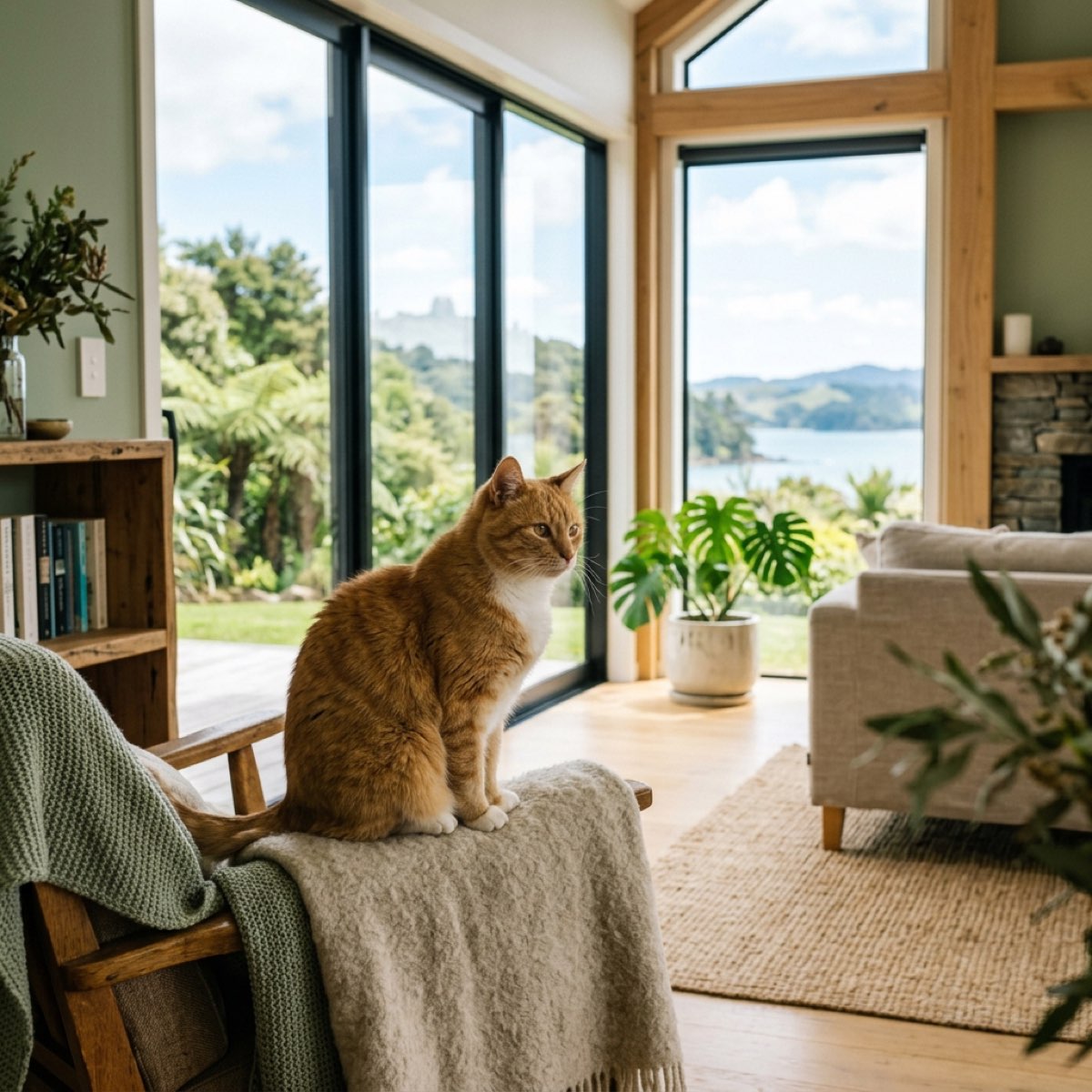
Summer in Aotearoa adds moving parts: baches, kennels, pet sitters, visiting dogs, camping, beaches, farm stays, open doors and warm laundry piles. Fleas can hitch a ride on pets and bedding, while ticks are more likely to be noticed after trips through long grass, paddocks or warmer rural areas.
For owners who prefer non-chemical options, our natural flea treatment for dogs guide covers what actually works. Northland vet sources describe flea control as important through much of the year in that region, and Auckland vet advice notes warm, humid areas can make fleas a year-round issue. Treat those local notes as a reminder to plan by region, not by a generic overseas season.
Before summer travel:
- pack the product record or vet instructions;
- take bedding that can be washed;
- ask kennels what parasite rules apply;
- keep cats contained at holiday houses;
- check dogs after rural walks and long grass;
- note your regular vet and the closest after-hours clinic.
If your pet scratches, chews, overgrooms, hides or becomes unusually irritable during summer, record the context. Dog Behaviour Decoder and Cat Behaviour Decoder can help separate behaviour notes from guesswork, but skin and parasite concerns still need vet input.
Autumn: do not stop too soon
Autumn is a common failure point. The weather cools, owners relax, and flea stages already in the home keep emerging. MPI's dog welfare code notes fleas are common and that much of the flea life cycle happens away from the dog in the environment. That is why a visible flea problem can continue even after the pet has been treated according to label or vet advice.
Autumn tasks:
- keep cleaning beds and lounge areas;
- treat all suitable pets according to species-specific advice;
- ask a vet before switching products;
- check whether swimming, bathing or missed reminders affected coverage;
- avoid stacking products without professional guidance.
If fleas keep appearing, the answer may be untreated pets, home stages, wrong product fit, timing, bathing, swimming, storage, weight changes or a different skin problem. Do not guess a stronger plan from the internet.
Winter: lower pressure is not zero pressure
Cooler weather may reduce outdoor parasite pressure in some parts of NZ, but indoor heating, shared bedding and multi-pet homes can still support fleas. Winter is a good time to review habits rather than panic.
Winter review questions:
- Has your dog or cat changed weight?
- Is a puppy or kitten now in a different age or weight band?
- Did a senior pet develop a health issue?
- Are there cats in the house using dog sleeping spots?
- Does a farm dog or hunting dog still visit higher-exposure areas?
- Do children play in areas where pet faeces may be present?
CDC healthy-pet guidance emphasises handwashing around animals and after outdoor activities. For NZ families, parasite prevention also includes picking up faeces, cleaning litter areas and teaching children not to handle pet waste.
Tick checks in NZ
Ticks are not the same risk everywhere. The MPI Code of Welfare for Dogs notes cattle ticks are prevalent in some areas. Worth knowing what this tick actually is: the New Zealand cattle tick (*Haemaphysalis longicornis*) is the only introduced tick species established in New Zealand — the other eight are natives, mostly seabird ticks plus the tuatara and kiwi ticks. It arrived around 1910 and is now well established in warmer, humid regions, which is why it is the one tick most likely to end up on your dog. Pakuranga veterinary advice also links tick exposure with areas where cattle have been grazing.
Practical tick checks are simple:
- check after farms, lifestyle blocks, long grass and bush edges;
- feel around ears, neck, armpits, groin, toes and collar areas;
- part long coats rather than skimming the surface;
- do not crush a tick with bare fingers;
- call your vet for removal advice if you are unsure.
This draft does not provide tick-removal technique, disease diagnosis or treatment advice. If your pet is unwell, heavily infested, or you find a tick and are unsure what to do, contact your vet.
Dogs and cats need different safety rules
Do not use dog flea or tick products on cats unless your vet has specifically supplied a cat-safe product and instructions. Some products made for dogs can be dangerous for cats. Multi-pet homes need separate species plans, not one bottle or chew shared around.
For dogs, read Flea & Worm Treatment for Dogs NZ for a broader vet-review draft on product formats and questions to ask. For feeding and general health baselines, use Dog Food Guide NZ and Cat Food Guide NZ.
Home environment calendar
The pet is only one part of the flea cycle. Build prevention into ordinary house jobs.
| Area | What to do | Why it matters |
|---|---|---|
| Pet beds | Wash and dry regularly | Eggs and dirt collect where pets sleep |
| Couches | Vacuum under cushions | Fleas are not limited to pet beds |
| Car | Clean blankets and boot liners | Travel can move fleas between places |
| Crates | Wash mats and check corners | Warm enclosed spots can harbour debris |
| Yard | Keep sleeping areas dry and tidy | Damp sheltered areas can suit pests |
| Litter and faeces | Clean promptly | Hygiene reduces parasite and human-health risk |
No cleaning schedule replaces pet-safe prevention, and no product replaces cleaning when the home already has flea stages.
When to call a vet
Call your vet rather than self-adjusting products if:
- a puppy, kitten, pregnant pet, senior pet or unwell pet needs prevention;
- your pet has had a product reaction before;
- fleas persist despite following label advice;
- you see ticks and are unsure how to remove them;
- your pet has hair loss, sores, pale gums, weight loss or ongoing scratching;
- a cat may have contacted a dog-only product;
- you are mixing household sprays with on-pet products.
This is the red-flag edge of the topic. The page can remind owners to seek help, but diagnosis, dosing, product combinations and treatment plans belong with a veterinary professional.
Key takeaways
- Flea and tick season in NZ is best managed as year-round reminders, with extra attention in warm, humid months.
- Northland, Auckland and other warm/damp areas may not get a clean winter break from fleas.
- Tick checks matter after farms, long grass, bush edges and warmer rural regions.
- Treat dogs and cats as different species with different product safety rules.
- Clean bedding, couches, cars and crates because much of the flea cycle is environmental.
Related reading
- Flea & Worm Treatment for Dogs NZ
- Dog Grooming Brushes NZ
- Cat Grooming at Home NZ
- Pet Nail Trimming NZ
- Dog Behaviour Decoder
- Cat Behaviour Decoder
- Dog Food Guide NZ
- Cat Food Guide NZ
---
Reference sources
- SPCA New Zealand: Keeping your dog healthy, checked 2026-06-04. https://www.spca.nz/advice-and-welfare/article/keeping-your-dog-healthy
- Animates Vetcare: Parasite control, checked 2026-06-04. https://animatesvetcare.co.nz/articles/parasite-control
- MPI New Zealand: Code of Welfare - Dogs, checked 2026-06-04. https://www.mpi.govt.nz/animals/animal-welfare/codes/all-animal-welfare-codes/code-of-welfare-dogs/
- MPI New Zealand: Code of Welfare - Cats, checked 2026-06-04. https://www.mpi.govt.nz/animals/animal-welfare/codes/all-animal-welfare-codes/code-of-welfare-cats/
- The Vet Centre Northland: Fleas, ticks and worms, checked 2026-06-04. https://www.thevetcentrenorthland.co.nz/pets/fleas-ticks-worms
- Pakuranga Vet Clinic: Fleas, ticks and worming, checked 2026-06-04. https://pakurangavets.co.nz/veterinary-services/flea-worming/
- Bay of Islands Veterinary Services: Flea control, checked 2026-06-04. https://www.bayvets.co.nz/advice/flea-control
- CDC: Healthy habits around pets, checked 2026-06-04. https://www.cdc.gov/healthy-pets/about/index.html
Related guides
petmall.co.nz
Shop at PetMall
The products below are practical support items for your pet. PetMall ships across New Zealand.
- Flea & Worm TreatmentFor NZ conditions, look for protection that fits your routine (monthly vs longer-lasting) and your dog's weight range.
- Flee Flea Natural Flea ControlA natural, diet-and-environment approach to flea control — popular with households avoiding spot-on chemicals.
- Dog FoodStart with food that matches your dog's life stage and activity level — and change brands slowly over 7–10 days.
- Flea & Worm TreatmentFor NZ conditions, choose protection that fits your cat's weight and lifestyle (indoor vs outdoor) and keep it regular.
- Flee Flea Natural Flea ControlA natural, diet-and-environment approach to flea control — popular with households avoiding spot-on chemicals.
- Cat FoodStart with food that matches your cat's life stage — change brands slowly over 7–10 days to avoid digestive upset.