Dog Breed Guide NZ
Huntaway
The Huntaway is one of New Zealand's signature working dogs: a powerful, vocal farm dog bred to move sheep across hills, gullies, and large paddocks. It is highly trainable and often affectionate, but it is not a low-maintenance suburban pet. A Huntaway needs space, jobs, recall, bark control, and an owner who understands working-dog energy.
Photo Gallery
NZ Ownership Snapshot
- Noise Level
- High
Breed Snapshot
- Size
- 25 - 40 kg
- Lifespan
- 10 - 14 years
- Origin
- New Zealand working farm dog, developed for mustering sheep over large and rugged country.
- Temperament
- Robust, vocal, intelligent, biddable, high-stamina, social with handlers, and strongly work-driven.
- NZ Price
- Varies widely in NZ: farm-bred pups may be lower cost than show/pedigree pets, while started or trained working dogs can cost much more. Verify current breeder, trial, rescue, or farm-dog listings before quoting a purchase price.
- Annual Vet Cost
- Estimated annual veterinary care for a Huntaway in New Zealand ranges from $700 to $1,500 NZD for routine preventative care, core vaccinations (DHPPi and Leptospirosis), council registration, microchipping, and monthly broad-spectrum parasite control (including Praziquantel for sheep measles / Taenia ovis prevention on rural properties). Working Huntaways and active lifestyle-block dogs face elevated risks of occupational injuries, including torn cruciate ligaments ($3,000–$5,500 NZD), lacerations from wire or scrub ($400–$1,200 NZD), carpal sprains, and foreign body/grass seed removals. Deep-chested working lines also carry bloat/GDV risk ($4,000–$8,000 NZD emergency care). Rural pet insurance or working dog health schemes provide essential financial protection.
Personality Scores
NZ Lifestyle Fit
The Huntaway is New Zealand's iconic indigenous herding dog, developed in the rugged high country of the North and South Islands to muster large mobs of sheep across steep hill terrain through deep, booming voice commands. Because the breed was bred exclusively for stamina, intelligence, and vocal power, its suitability as an urban companion in New Zealand is extremely limited. In suburban Auckland, Wellington, or Christchurch sections, an underworked Huntaway will almost invariably cause severe noise nuisance through instinctive barking, alongside digging and fence-jumping. They thrive on working sheep and beef stations, dairy farms, and active lifestyle blocks where they have daily livestock management duties, agricultural tasks, or intensive agility and search-and-rescue outlets. Huntaways possess great hardiness, tolerating both South Island frosts and North Island rain with ease, provided they have dry, draft-free kennels or warm indoor access. In New Zealand, purebred Huntaways are registered through the New Zealand Sheep Dog Trial Association (NZSDTA) and Dogs NZ (New Zealand Kennel Club), while thousands work daily across commercial agricultural sectors.
Register with your local NZ council, microchip where required, and follow local dog access, leash, menacing/dangerous dog, and wildlife protection rules.
Origins & Recognition
New Zealand working farm dog, developed for mustering sheep over large and rugged country. Recognised by Dogs New Zealand as NZ Huntaway; developed in New Zealand for sheep work.
Appearance
Huntaways are functional rather than uniform show dogs. They are usually strong, athletic, and medium-large, with coat length and colour varying across working lines. Black-and-tan is common, but the important features are sound movement, stamina, voice, and a body built for New Zealand farm conditions.
Temperament & Training
Robust, vocal, intelligent, biddable, high-stamina, social with handlers, and strongly work-driven. Train with clear, reward-based structure, excellent recall, stop/settle cues, bark-on/bark-off control, stock-safe manners, vehicle and gate safety, and calm handling. Avoid letting barking become the default answer to frustration.
Life in New Zealand
Exceptionally relevant in New Zealand, especially rural regions. The breed's popularity in the National Dog Database reflects working-dog use as much as pet ownership. Huntaways suit farms and active lifestyle blocks far better than apartments. In towns, owners must plan barking control, legal exercise spaces, secure fencing, and enough structured work to prevent frustration. Owners should also follow local registration, microchipping, access, and control rules.
Care Commitment
Very high. Plan long daily exercise, training tasks, hill or paddock work where appropriate, and controlled mental jobs. A bored Huntaway may bark, pace, jump fences, or create its own work. Low to moderate depending on coat. Brush weekly, check paws and nails, inspect ears and skin after long grass, mud, or farm work, and wash only when needed. Huntaways are often tough enough to hide soreness. Owners should watch gait, stamina, paw pads, weight, coughing, ear smell, and behaviour changes after hard work. Discuss working-dog conditioning, parasite control, vaccination, and any genetic testing questions with a vet.
Fun Facts
Fact 1
The Huntaway is famous for using voice to move stock.
Fact 2
Dogs NZ treats NZ Huntaway as a New Zealand-origin working breed.
Fact 3
Working Huntaways are judged by usefulness and soundness, not fashion.
Fact 4
A typical farm team may use Huntaways and Heading Dogs for different jobs.
Fact 5
The breed's coat and colour can vary because function has been central to selection.
Related Breeds
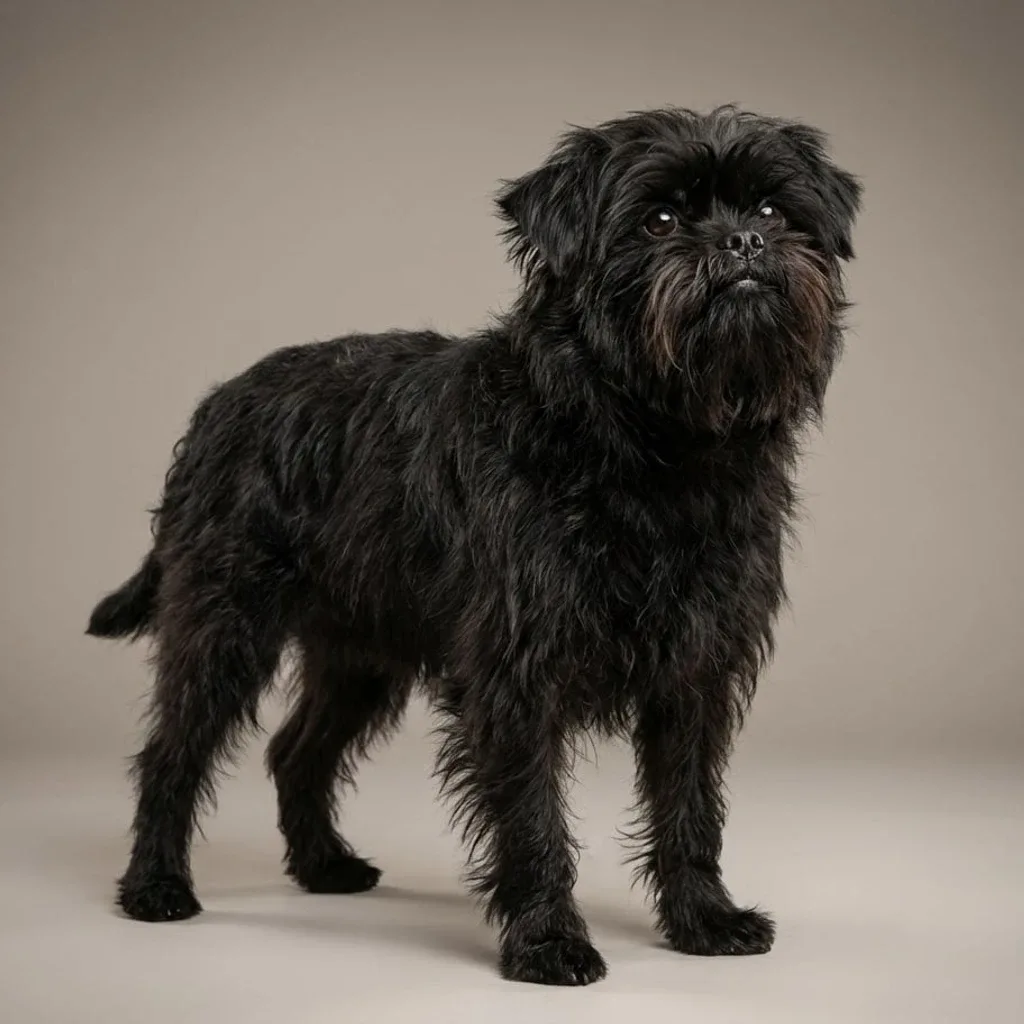
Affenpinscher
The Affenpinscher is a sturdy, monkey-like terrier-type toy breed known for its confidence and playful spirit. Despite its small size, it possesses a courageous heart and a loyal personality, making it a wonderful companion for Kiwi apartment dwellers or those with smaller sections.
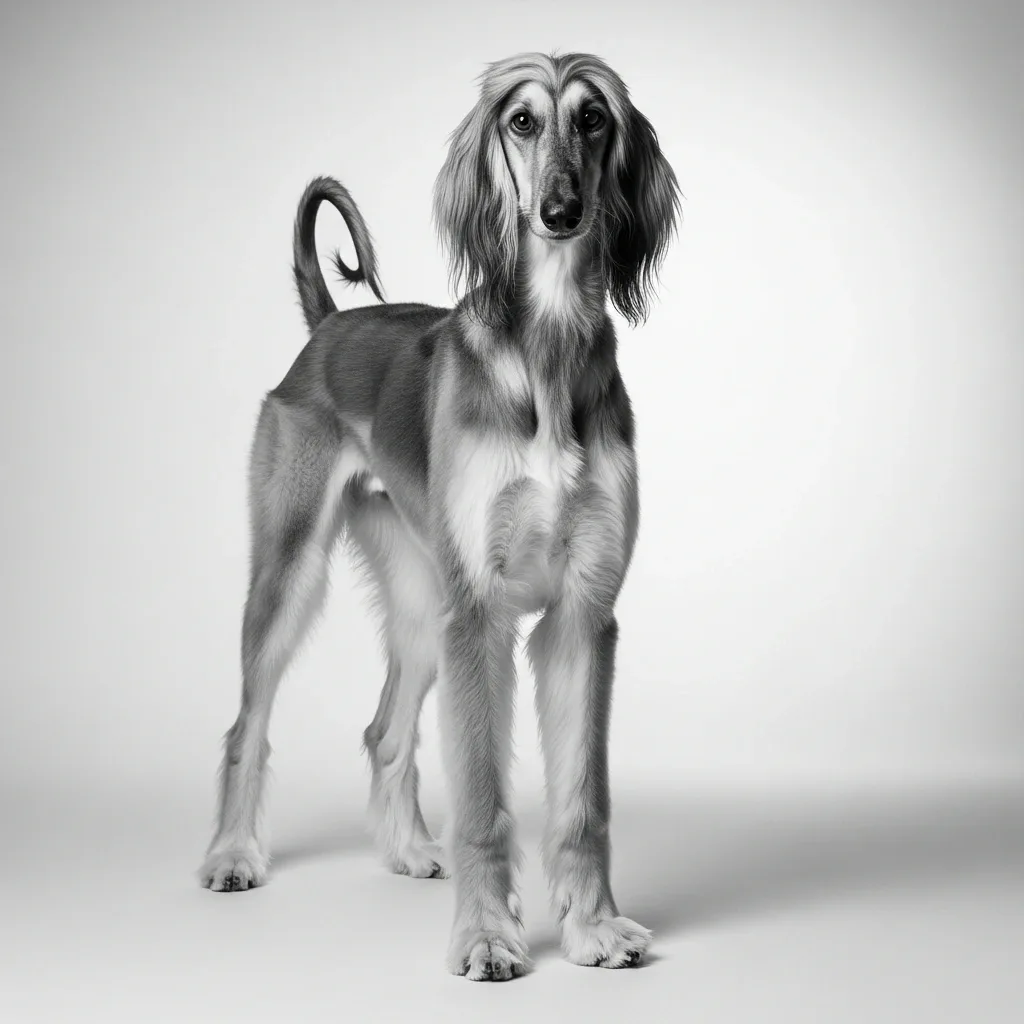
Afghan Hound
The Afghan Hound is an elegant aristocrat with a dignified and aloof personality. Known for its striking, silky coat, this breed is a high-maintenance beauty that requires ample space to run and an owner dedicated to its complex grooming needs.
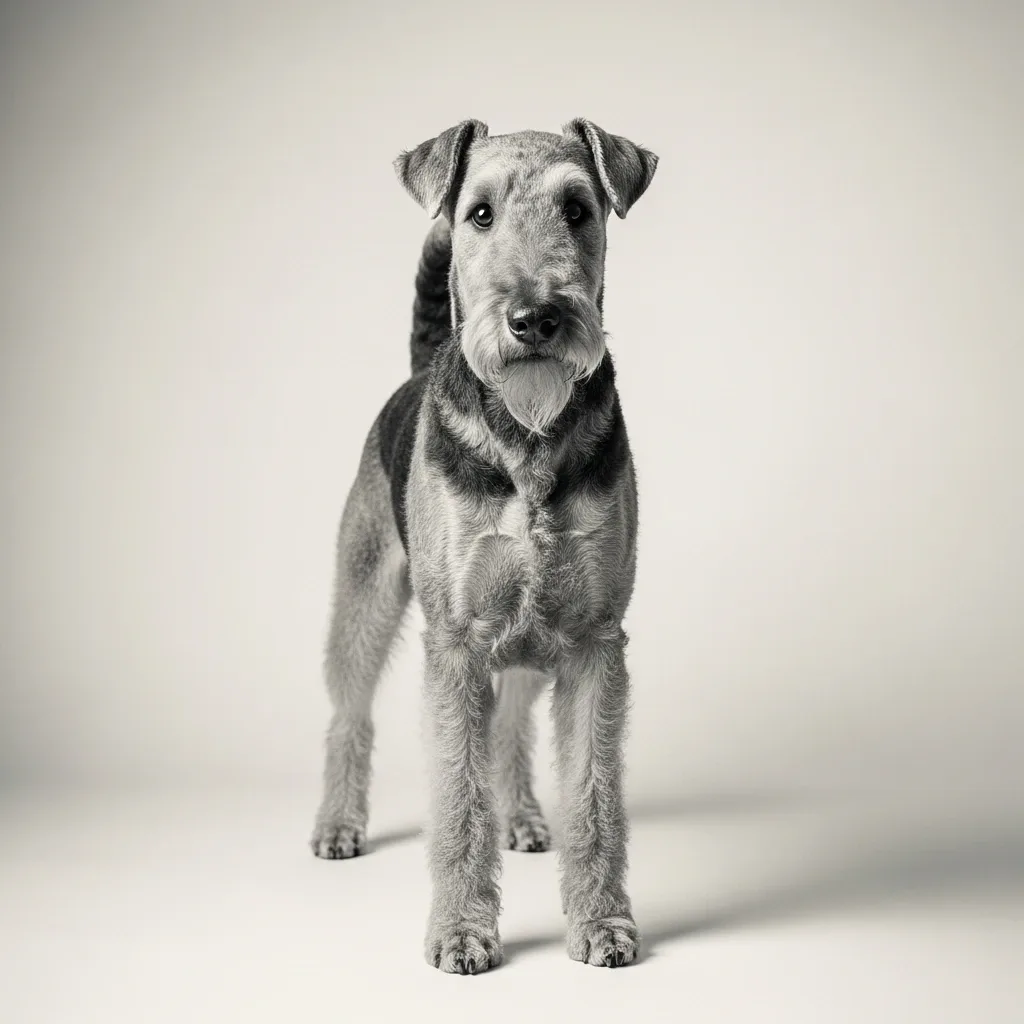
Airedale Terrier
The 'King of Terriers', the Airedale is the largest of all terrier breeds. They are brave, hardworking, and highly intelligent, making them excellent partners for active Kiwi families who love tramping and outdoor adventures.
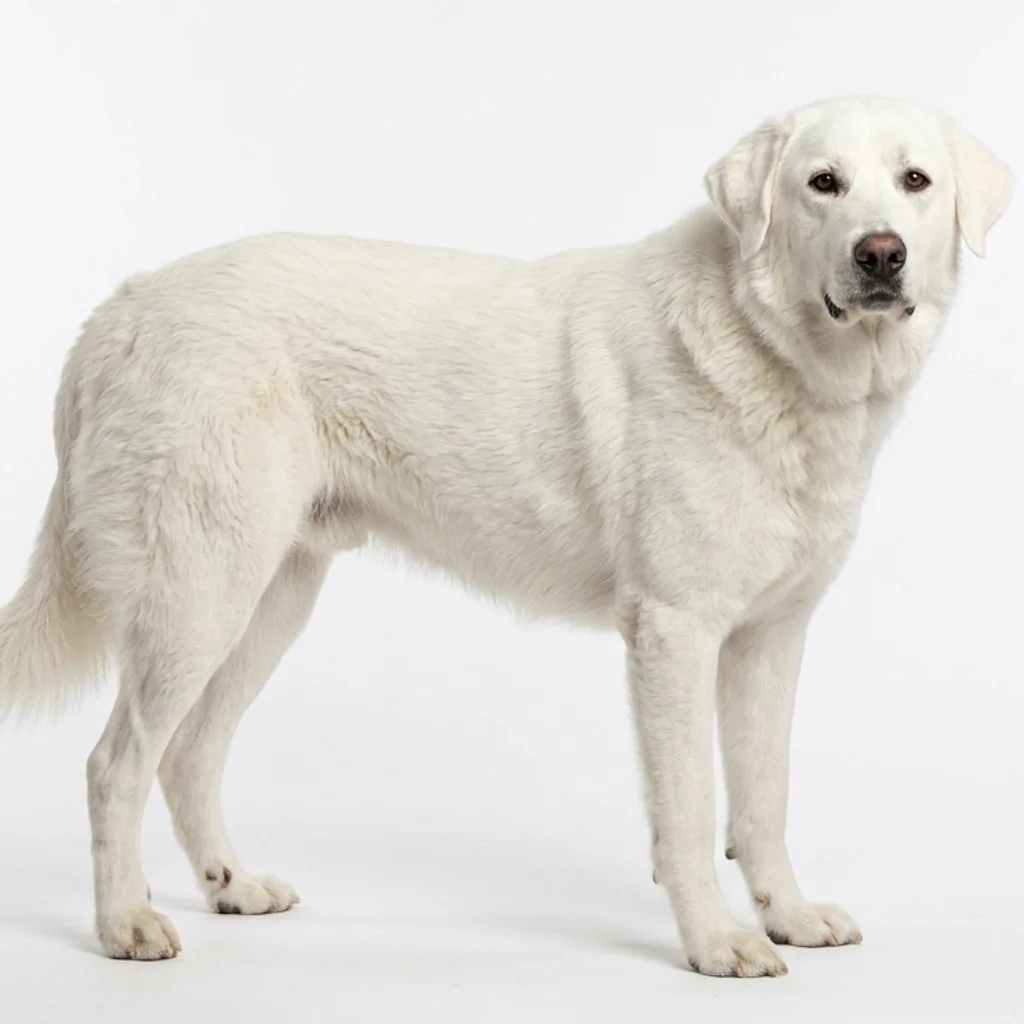
Akbash Dog
Originally a Turkish livestock guardian, the Akbash is a serious, protective, and independent breed. They are not suited for apartment living and thrive on large NZ lifestyle blocks where they can have a 'territory' to watch over.