Best Dogs for Runners and Active Kiwis NZ: Breed Shortlist
Best dogs for runners and active Kiwis NZ guide: compare energetic breed profiles, leash rules, training and outdoor fit.
The best dogs for runners and active Kiwis NZ owners should shortlist are athletic, trainable and safe to manage in public. The right breed is not just fast; it has recall work, leash manners, recovery time, heat awareness and an owner who checks DOC, council and beach rules before heading out.
Before choosing a running dog
Running with a dog is a lifestyle match, not a guarantee from a breed label. A young, senior, injured, overweight or unconditioned dog may not suit hard running, even if its breed is famous for energy. Build activity gradually and use a vet or qualified trainer when the dog's age, fitness or behaviour makes the plan uncertain.
Start with the Dogs hub, compare profiles with Find a Breed, and keep Dog Registration NZ Council Checklist handy. Active owners also need to check local leash rules, DOC dog access, beach restrictions and wildlife-sensitive areas before each route.
Quick comparison
| Breed | Best active fit | Watch-outs |
|---|---|---|
| Border Collie | Trail runners, agility homes and owners who love training. | Needs mental work, not just kilometres. |
| Australian Shepherd | Active families wanting a clever, responsive dog. | Can become noisy or frustrated without structure. |
| Labrador Retriever | Jogging, beach trips and family exercise. | Food motivation and enthusiasm need manners. |
| German Shorthaired Pointer | Long active days with experienced owners. | High prey drive and recall work matter. |
| Vizsla | Runners wanting a close, people-focused companion. | Needs company and calm downtime too. |
| Weimaraner | Athletic homes with training time and secure routines. | Big energy plus boredom can become trouble. |
| Dalmatian | Steady running homes wanting stamina and alertness. | Needs training around excitement and strangers. |
| Siberian Husky | Cool-weather activity with secure containment. | Recall and heat management are major considerations. |
Border Collie
A Border Collie can suit very active Kiwis because the breed is athletic, quick-learning and happiest with a job. But running alone rarely satisfies a Border Collie. It needs training games, impulse control, calm settling and clear boundaries around bikes, children, stock and wildlife.
This is a strong choice for owners who enjoy obedience, agility, scent games or farm-style routines alongside exercise. It is a poor choice for someone who wants the dog to self-exercise in the backyard.
Australian Shepherd
An Australian Shepherd offers brains, movement and enthusiasm. It can suit active families who want a dog for weekend hikes, structured training and daily engagement.
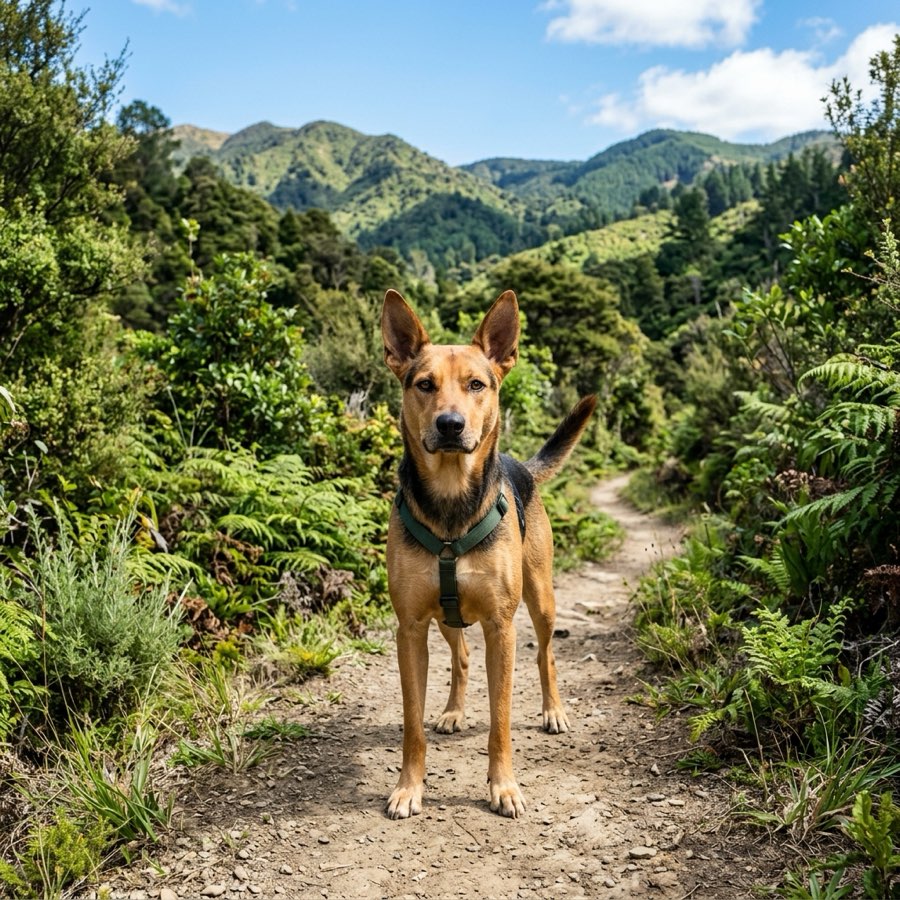
The watch-out is frustration. If an Aussie gets lots of excitement but little training, it may bark, chase movement or invent work. In townhouses, shared paths and busy parks, calm lead skills are as important as fitness.
Labrador Retriever
A Labrador Retriever is a practical active-family option for many NZ homes. Labs often enjoy walking, swimming, fetch and steady jogging once mature and conditioned. They also tend to fit family life better than some sharper working breeds.
The trade-off is enthusiasm. A Labrador that drags toward every dog, picnic or duck pond is not an easy running partner. Build leash manners, recall and leave-it skills before expecting smooth public exercise.
German Shorthaired Pointer
A German Shorthaired Pointer can be a superb match for experienced active owners. The breed was built for long days, movement and scent work, so a casual stroll may not be enough.
This is a dog for secure areas, recall training and thoughtful route planning. On DOC tracks, beaches or lifestyle blocks, prey drive and wildlife rules matter. Do not assume off-leash freedom is safe or legal.
Vizsla
A Vizsla often suits runners who want a close companion rather than an independent yard dog. Vizslas can be athletic and people-focused, which makes them rewarding for owners who like daily training and shared routines.
They also need company. If the household is out all day and wants a dog only for evening runs, the fit may be poor. Active does not mean emotionally low-maintenance.
Weimaraner
A Weimaraner can suit owners who want a large athletic dog and have time to train. It needs structured exercise, safe containment and jobs that use its brain.
For NZ suburbs, the key questions are fencing, recall, visitor manners and boredom prevention. A Weimaraner with too little structure can become hard work very quickly.
Dalmatian
A Dalmatian has a strong active-owner appeal. The breed can enjoy steady movement and household involvement, and it brings a different style from herding and gundog breeds.
The watch-out is arousal. Dalmatians need training around greetings, passing dogs, bikes and children. If the local running route is full of scooters, off-lead dogs and narrow paths, manners matter as much as stamina.
Siberian Husky
A Siberian Husky looks like an obvious active dog, especially for cool-weather movement. In NZ, the reality needs care: secure fencing, lead control, heat awareness and realistic recall expectations.
This breed can be wonderful for the right owner, but it is not a casual off-leash running dog. Hot days, sheep paddocks, wildlife areas and unfenced beaches all change the risk.
NZ running and outdoor rules
Active Kiwi dog owners need route discipline. DOC dog access pages explain that tracks and facilities have specific dog rules, and councils update beach and park bylaws. Auckland Council's obligations page also reminds owners to keep dogs under control and prevent nuisance or distress.
Before heading out:
- Check whether dogs are allowed, on lead, permit-only or prohibited.
- Avoid wildlife-sensitive beaches and nesting areas.
- Carry water and choose cooler times in summer.
- Train polite passing around runners, bikes, children and other dogs.
- Keep the dog under control near stock, poultry and protected wildlife.
- Plan recovery days, not just bigger distances.
Budget and route reality check
Budget beyond the dog purchase price. Active owners may need NZD set aside for council registration, vet checks, training classes, secure fencing, a safe car setup, replacement leads, wet-weather cleaning and boarding or a dog walker when work gets busy. None of that is glamorous, but it is what keeps an active breed manageable.
Also be honest about the actual route. A flat waterfront jog, a muddy South Island trail, a windy Wellington ridgeline and a hot suburban footpath are different experiences for a dog. Choose the breed for the life you repeat every week, not the one big hike you imagine doing twice a year.
Key takeaways
- The best dogs for runners and active Kiwis NZ owners choose are trained, conditioned and legally managed.
- Herding and gundog breeds need mental work as well as exercise.
- DOC, council and beach rules decide where dogs can go, not the owner's fitness plan.
- Heat, wildlife, stock and recall matter in NZ outdoor settings.
- Use breed profiles first, then choose the individual dog in front of you.
Related reading
- Dogs hub
- Find a Breed
- Dog Registration NZ Council Checklist
- Border Collie profile
- Australian Shepherd profile
- Labrador Retriever profile
- German Shorthaired Pointer profile
- Vizsla profile
- Siberian Husky profile
How we picked
This shortlist is based on PetMall's own breed and species profile data linked in the article, especially size, activity needs, grooming needs, beginner suitability, apartment or family fit, and NZ suitability notes. We also used general breed characteristics already summarised in those profiles. It is not a veterinary, legal or behaviour guarantee; owners still need to read the full profiles and match the individual animal to their home.
Profile and guide links used:
- Dogs hub
- Find a Breed
- Border Collie
- Australian Shepherd
- Labrador Retriever
- German Shorthaired Pointer
- Vizsla
- Weimaraner
- Dalmatian
- Siberian Husky
Reference sources
- DOC: Where you can take your dog and access rules - checked 2026-06-04.
- DOC: Dogs on beaches - checked 2026-06-04.
- Auckland Council: Dog owners' obligations - checked 2026-06-04.
- SPCA New Zealand: Dog behaviour and training - checked 2026-06-04.
- SPCA New Zealand: Training methods and devices - checked 2026-06-04.
- MPI: Code of Welfare: Dogs - checked 2026-06-04.
Free PetMall tools
Related guides
petmall.co.nz
Shop at PetMall
The products below are practical support items for your pet. PetMall ships across New Zealand.
- Dog FoodStart with food that matches your dog's life stage and activity level — and change brands slowly over 7–10 days.
- Dog TreatsTraining rewards and everyday treats — small, soft pieces work best for consistent reinforcement.
- Dog ToysA small rotation of chew, fetch, and puzzle toys usually works better than buying a large variety at once.
- Dog GroomingA gentle brush and the right shampoo make maintenance easier — especially for dogs that get muddy on walks.
- Leads & HarnessesComfort matters: padded contact points and adjustable fit help reduce rubbing on longer walks or tramping weekends.
- Flea & Worm TreatmentFor NZ conditions, look for protection that fits your routine (monthly vs longer-lasting) and your dog's weight range.