Dog Breed Guide NZ
Vizsla
Meet the Vizsla, often affectionately dubbed the 'Velcro Vizsla' for their unwavering devotion and desire to be constantly by their human's side. Originating from Hungary, these elegant dogs are a striking combination of athleticism, intelligence, and sensitivity. Their distinctive golden-rust coat and lean, muscular build hint at their heritage as versatile hunting dogs, excelling in both pointing and retrieving. Beyond their working prowess, Vizslas are incredibly gentle and affectionate companions, thriving on close family bonds. They require significant physical and mental stimulation, making them a fantastic fit for active Kiwi families who love to explore New Zealand's stunning outdoors, whether it's tramping in the bush, running on the beach, or enjoying a family bach holiday.
Photo Gallery
Breed Snapshot
- Size
- Male: 25-27 kg; Female: 20-25 kg
- Lifespan
- 12-14 years
- Origin
- Being enriched
- Temperament
- Energetic, affectionate, gentle, intelligent, athletic
- NZ Price
- $2,500 - $4,000 NZD from registered breeders; $150-$350 NZD adoption via SPCA or breed-specific rescues (when available)
- Annual Vet Cost
- Estimated annual vet costs for a Vizsla in NZ range from $600 - $1,200 NZD. This includes routine check-ups, vaccinations, flea and worm treatments. Breed-specific health issues like hip and elbow dysplasia, epilepsy, certain eye conditions (e.g., progressive retinal atrophy), and allergies may incur additional costs for diagnosis, medication, or specialist consultations. Owners should also budget for potential emergency care or unexpected illnesses.
Personality Scores
NZ Lifestyle Fit
Vizslas are best suited to homes with a secure section where they can burn off energy, rather than small flats or apartments, especially in bustling cities like Auckland. While they can adapt to apartment living if their owners are exceptionally dedicated to providing multiple daily walks, runs, and mental stimulation, a house with a decent-sized, fully fenced backyard is far more ideal. For rural New Zealand farms, a Vizsla would thrive with ample space, provided they are kept safe from livestock and have secure boundaries. Auckland's humid summers are generally manageable for their short coat, but South Island's colder winters will necessitate a dog coat for outdoor activities. New Zealand's high UV index means owners should be mindful of sun protection, especially for their sensitive noses and ears during peak sun hours. There are no specific MPI restrictions on owning Vizslas in New Zealand, but responsible ownership, including registration and microchipping, is mandatory.
Origins & History
The Vizsla's story begins in Hungary, where they were developed by the Magyar tribes as far back as the 10th century. These noble dogs were bred to be versatile hunting companions, capable of both pointing and retrieving game, particularly birds and hares, across diverse terrains. Their ancestors were likely a mix of various hunting breeds, meticulously selected for their keen scenting abilities, speed, stamina, and biddable temperament. For centuries, the Vizsla was a treasured companion of Hungarian nobility and sportsmen, with strict breeding practices maintaining their purity and unique characteristics. The breed faced near extinction during the World Wars but was carefully revived, eventually making its way to New Zealand and other parts of the world, where it continues to be admired for its beauty, intelligence, and affectionate nature.
Appearance
The Vizsla is instantly recognisable by its striking golden-rust coat, which is short, smooth, and dense, requiring minimal grooming. Their lean, muscular physique speaks to their athletic capabilities, built for endurance and agility. They possess an aristocratic bearing, with a graceful gait and expressive, intelligent eyes that typically match their coat colour. Males generally stand between 57-64 cm at the shoulder and weigh 25-27 kg, while females are slightly smaller, ranging from 53-61 cm and weighing 20-25 kg. Their distinctive nose, lips, and eye rims are also self-coloured, blending seamlessly with their rich coat. The Vizsla's overall appearance is one of elegance, strength, and alert readiness.
Temperament & Personality
True to their 'Velcro Vizsla' moniker, these dogs are intensely affectionate and form deep bonds with their families, often following their owners from room to room. They thrive on companionship and can suffer from separation anxiety if left alone for extended periods. Vizslas are highly energetic, intelligent, and sensitive. They possess a gentle nature, making them generally good with children and other pets when properly socialised. Their intelligence makes them highly trainable, eager to please, and quick to learn, but it also means they require consistent mental stimulation to prevent boredom and destructive behaviours. They are athletic and require significant daily exercise to channel their boundless energy. A bored Vizsla can quickly become a mischievous Vizsla, so engaging them in activities that challenge both their bodies and minds is crucial for their well-being.
Life in New Zealand
Vizslas are well-suited to the active, outdoor lifestyle many New Zealanders enjoy. Their love for running, swimming, and exploring makes them ideal companions for tramping in our national parks, beach walks, or adventures in the local bush. Their short coat means they adapt reasonably well to New Zealand's varied climate, though they may appreciate a coat in colder South Island winters and need protection from the strong UV rays during summer. They thrive in homes where they are an integral part of family life, whether it's joining you for a weekend at the bach or simply cuddling on the sofa after a long day. Their need for companionship means they are not suited to being left alone for long hours in a kennel or on a chain; they need to be inside with their whānau.
Is This the Right Breed for You?
A Vizsla could be your perfect companion if you lead an active lifestyle and are prepared to include your dog in most of your daily activities. They are ideal for individuals or families who enjoy running, hiking, cycling, or dog sports. You must be committed to providing consistent training, early socialisation, and plenty of mental stimulation. If you're looking for an independent dog that's happy to be left alone for long periods, a Vizsla is not the right choice. However, if you desire a devoted, energetic, and intelligent companion who will be your shadow and adventure buddy, and you have the time and energy to invest, a Vizsla will undoubtedly enrich your life with their boundless love and enthusiasm.
Fun Facts
Fact 1
Vizslas are often called 'Velcro Vizslas' due to their intense desire to be physically close to their owners at all times.
Fact 2
They are excellent swimmers and often enjoy retrieving from water, a skill honed from their hunting heritage.
Fact 3
The Vizsla's distinctive golden-rust coat is often referred to as 'russet gold' and is unique to the breed.
Fact 4
They are known for being relatively quiet dogs, not prone to excessive barking unless bored or anxious.
Fact 5
Vizslas have a highly sensitive nose and are sometimes used in search and rescue or detection work.
Related Breeds
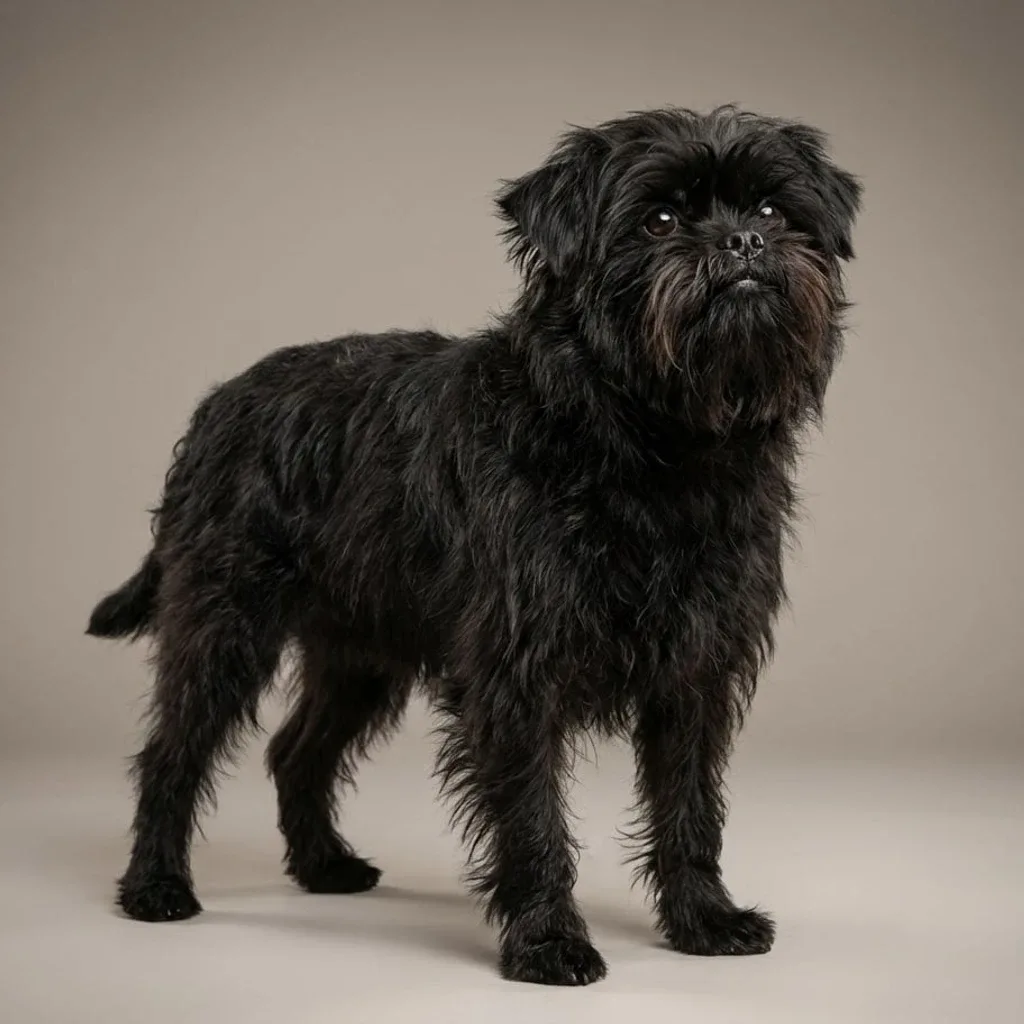
Affenpinscher
The Affenpinscher is a sturdy, monkey-like terrier-type toy breed known for its confidence and playful spirit. Despite its small size, it possesses a courageous heart and a loyal personality, making it a wonderful companion for Kiwi apartment dwellers or those with smaller sections.
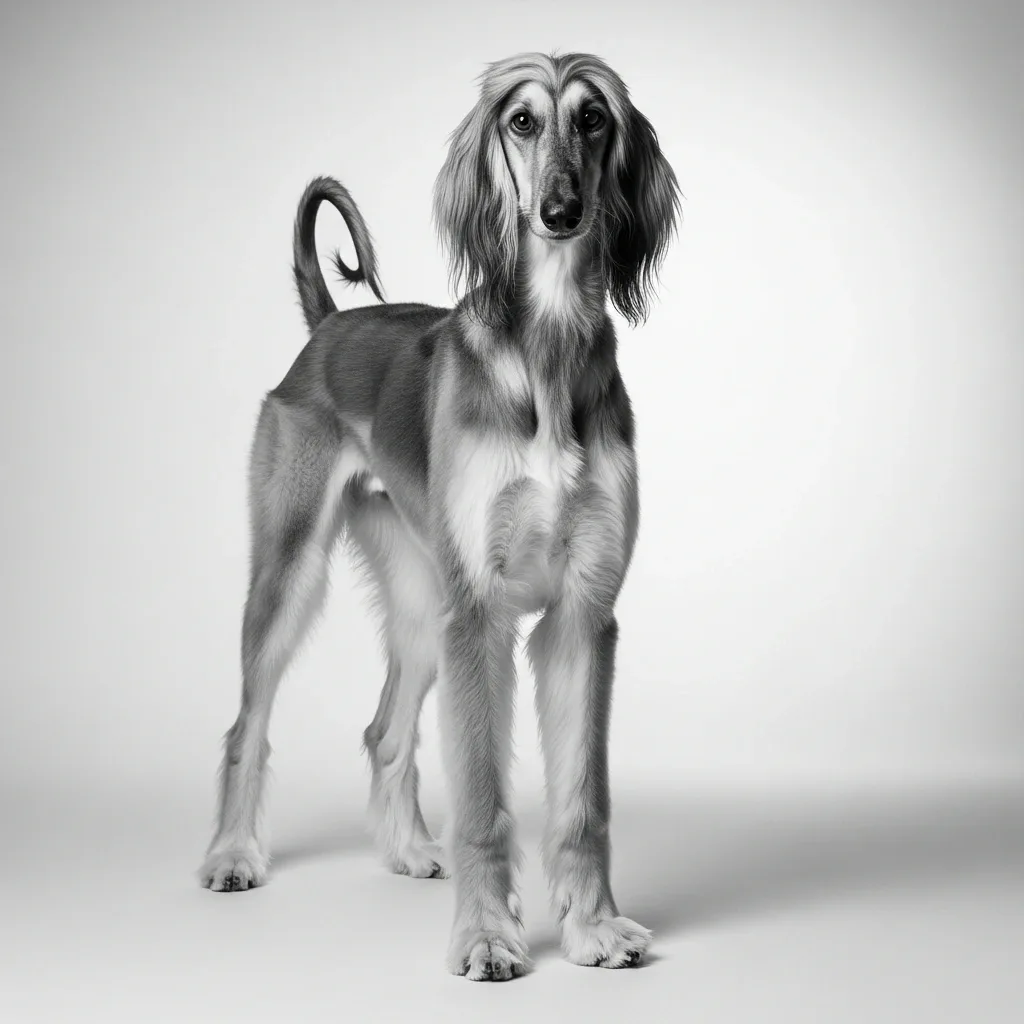
Afghan Hound
The Afghan Hound is an elegant aristocrat with a dignified and aloof personality. Known for its striking, silky coat, this breed is a high-maintenance beauty that requires ample space to run and an owner dedicated to its complex grooming needs.
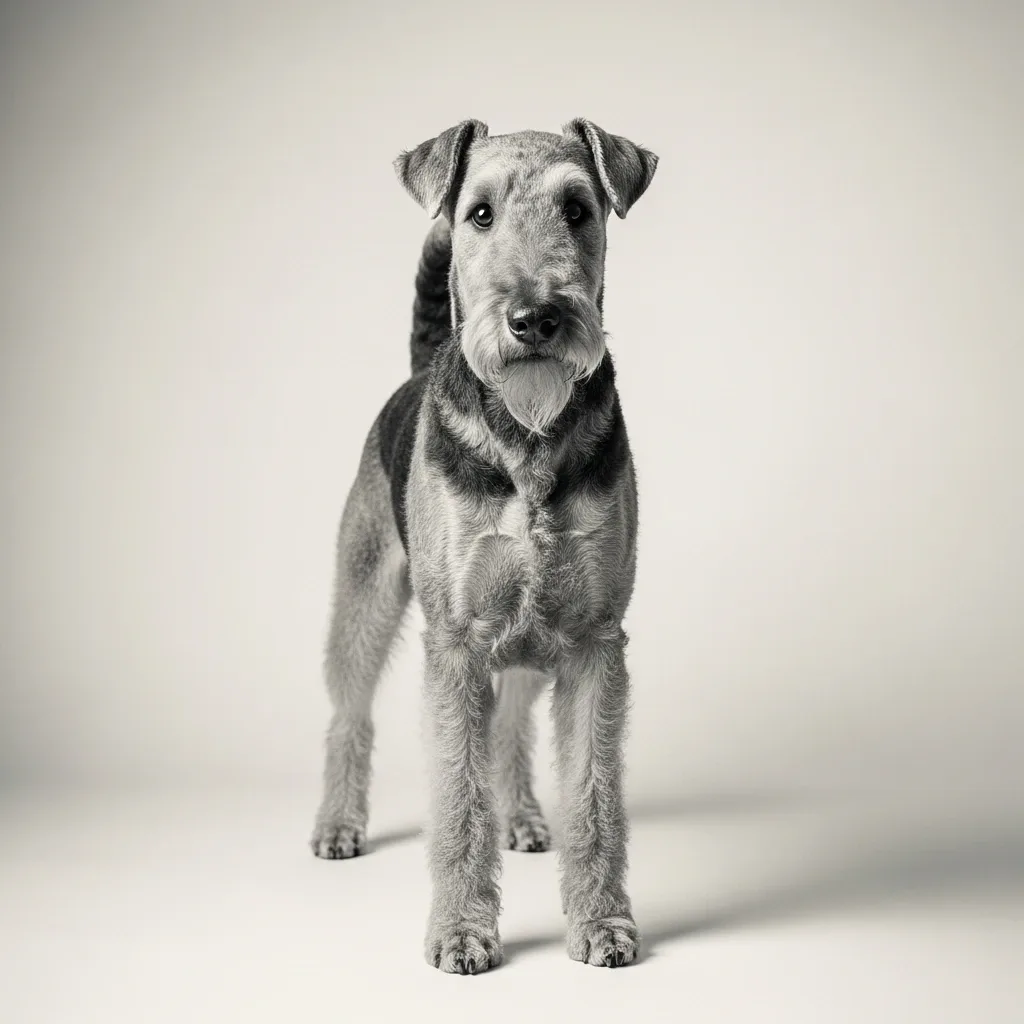
Airedale Terrier
The 'King of Terriers', the Airedale is the largest of all terrier breeds. They are brave, hardworking, and highly intelligent, making them excellent partners for active Kiwi families who love tramping and outdoor adventures.
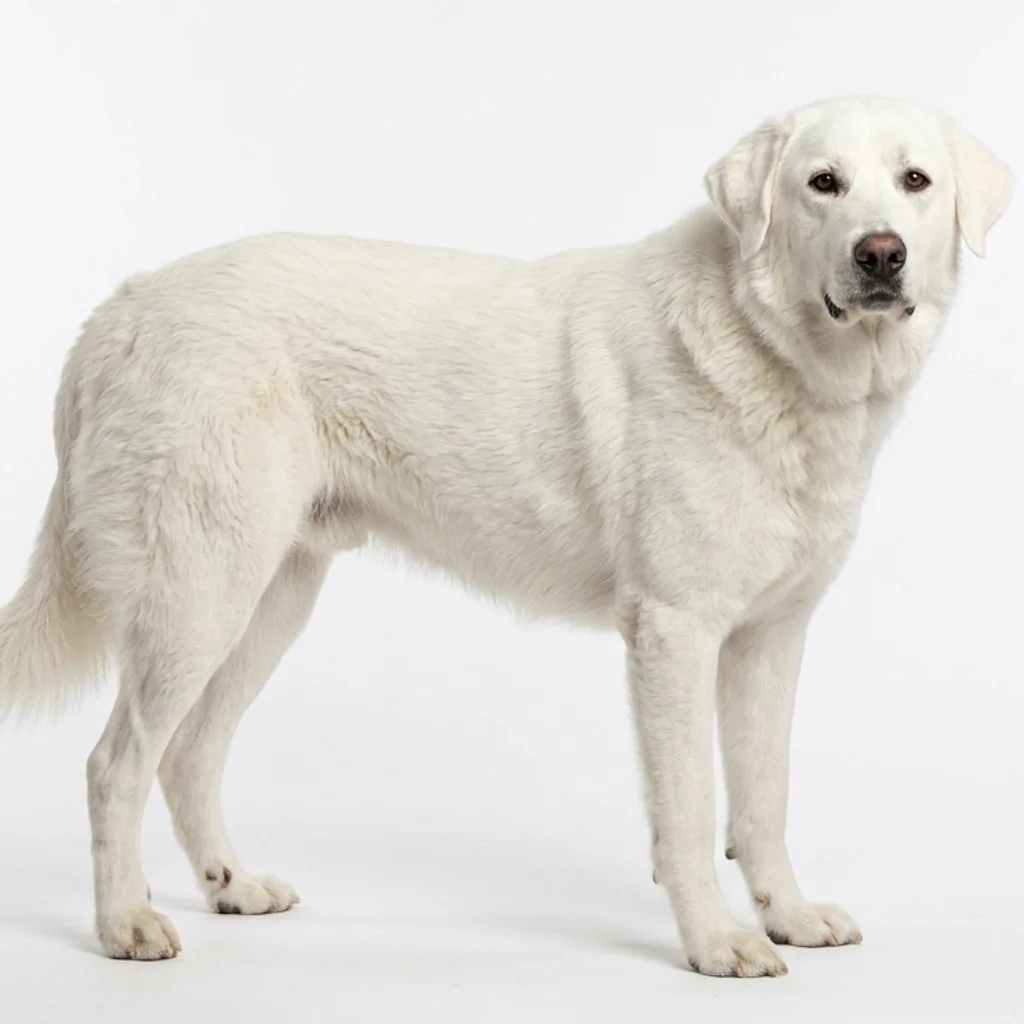
Akbash Dog
Originally a Turkish livestock guardian, the Akbash is a serious, protective, and independent breed. They are not suited for apartment living and thrive on large NZ lifestyle blocks where they can have a 'territory' to watch over.