Dog Breed Guide NZ
Australian Shepherd
Despite their misleading name, the Australian Shepherd, affectionately known as the 'Aussie', is a distinctly American breed, developed for herding in the Western United States. These exceptionally intelligent, loyal, and energetic dogs are renowned for their striking multi-coloured coats and often mesmerising eyes. Aussies are true 'velcro' dogs, thriving on close companionship with their human family and needing to be an integral part of daily life. Their work-focused nature and impressive athleticism make them ideal companions for active Kiwi families who can provide ample mental stimulation and physical exercise. Whether it's tramping through our beautiful reserves, enjoying a run on the beach, or excelling in dog sports, an Aussie is a devoted partner ready for adventure and a cherished spot on the couch at the end of the day.
Photo Gallery
Breed Snapshot
- Size
- Male: 23-29 kg; Female: 18-25 kg
- Lifespan
- 12-15 years
- Origin
- Being enriched
- Temperament
- Intelligent, energetic, work-focused, loyal, devoted, athletic
- NZ Price
- $2,500 - $4,500 NZD from registered breeders; $250-$450 NZD adoption via SPCA
- Annual Vet Cost
- Estimated annual vet costs for an Australian Shepherd in New Zealand typically range from $600 - $1,200 NZD. This covers essential preventative care such as annual health checks, vaccinations (including leptospirosis if living near farms or waterways), regular flea and worm treatments, and general parasite control. However, Aussies are predisposed to certain breed-specific health issues that can incur additional costs. These include Hip and Elbow Dysplasia, various eye conditions (such as Collie Eye Anomaly (CEA), Progressive Retinal Atrophy (PRA), and cataracts), and epilepsy. The MDR1 gene mutation, which causes sensitivity to certain medications, also requires careful veterinary management. Should any of these conditions arise, diagnostic tests, specialist consultations, medications, or surgeries can significantly increase annual expenses, potentially reaching several thousands of dollars. Pet insurance is highly recommended to help manage these potential costs.
Personality Scores
NZ Lifestyle Fit
The Australian Shepherd's suitability for life in New Zealand largely depends on the owner's lifestyle and living situation. An apartment in Auckland is generally not ideal for an Aussie. Their high energy levels and need for mental stimulation mean they require significant outdoor exercise daily, which can be challenging to provide adequately in a compact urban environment. Auckland's humid summers can also be uncomfortable for their double coat, necessitating good ventilation and shade. However, if an owner is extremely committed to multiple long walks, runs, and regular trips to dog parks or beaches, it could be managed. A house with a good-sized, securely fenced section is a much better fit. This provides space for them to play and explore safely, though daily outings for more intensive exercise are still crucial. For rural NZ farms or lifestyle blocks, the Aussie truly shines. Bred for herding, they thrive when given a job and ample space to roam and work. This environment allows them to fulfil their natural instincts. Regarding climate, their double coat provides good insulation for South Island cold winters, but a warm, dry shelter is essential. During our high UV summers, especially in the North Island, shade and fresh water are vital, and owners should be mindful of hot footpaths. There are no specific MPI restrictions on Australian Shepherds; they are a recognised and welcome breed in New Zealand.
Origins & History
The Australian Shepherd's name is a bit of a misnomer; despite the 'Australian' tag, this versatile herding dog was actually developed in the Western United States. Their lineage is believed to trace back to Pyrenean Shepherds brought over by Basque shepherds who travelled from Australia to America during the 19th-century gold rush, bringing their sheep and dogs with them. These dogs were then further refined in the US to work with cattle and sheep on ranches, adapting to the rugged terrain and diverse livestock. Their intelligence, agility, and keen herding instincts quickly made them invaluable to American ranchers. Post-World War II, their popularity soared, especially after appearing in rodeos and Western films, showcasing their incredible trainability and striking looks. Today, the Aussie is cherished worldwide, including here in New Zealand, not just for their working prowess but also as devoted family companions.
Appearance
The Australian Shepherd is a medium-sized dog, known for its sturdy build and agile movements. Males typically weigh between 23-29 kg and stand 51-58 cm tall, while females are slightly smaller, weighing 18-25 kg and standing 46-53 cm. Their most striking feature is undoubtedly their coat, which comes in a variety of colours including blue merle, red merle, black, and red, often with white markings and/or tan points. Each merle dog has a unique pattern, making no two Aussies look exactly alike. Their medium-length, weather-resistant double coat is designed to protect them from the elements. Another captivating feature is their eyes, which can be brown, blue, amber, or any combination thereof, often displaying heterochromia (two different coloured eyes or flecks of different colours within one eye). They possess a keen, intelligent, and attentive expression. Their tails can be naturally bobbed, docked (historically for working purposes, though less common now in many places), or full-length. Overall, the Aussie presents a picture of balance, athleticism, and alert intelligence.
Temperament & Personality
Australian Shepherds are renowned for their exceptional intelligence, making them highly trainable and quick learners. However, this sharp mind requires constant stimulation; without it, they can become bored, destructive, or develop undesirable behaviours. They are incredibly energetic and possess a strong work drive, a legacy of their herding origins. This means they thrive when given a 'job' to do, whether it's competitive dog sports like agility, obedience, or actual herding. Beyond their intellect and energy, Aussies are deeply loyal and devoted to their families. They are often described as "velcro" dogs, preferring to be close to their humans and participating in all family activities. While affectionate with their inner circle, they can be reserved or wary of strangers, making early and extensive socialisation crucial to ensure they grow into well-adjusted adults. They are generally good with children and other pets if raised with them, but their strong herding instinct might lead them to 'herd' small children or other animals, which needs to be managed through training. Their athletic and playful nature means they enjoy interactive games and outdoor adventures, making them fantastic companions for active individuals or families.
Life in New Zealand
The active lifestyle prevalent in New Zealand aligns perfectly with the Australian Shepherd's needs. With our abundance of beautiful beaches, expansive reserves, and challenging tramping tracks, there are countless opportunities for an Aussie to burn off energy and explore. They excel in dog sports offered by local clubs, such as agility, flyball, and obedience, which provide both physical and mental outlets. Many Kiwi families enjoy outdoor pursuits, and an Aussie is an eager and capable companion for a run along the beach, a hike up a hill, or a weekend at the bach. However, their intelligence and energy mean they require more than just a quick walk around the block. They need consistent training, mental puzzles, and engaging activities to prevent boredom. Their double coat handles New Zealand's varied climate well, from cooler South Island winters to warmer North Island summers, though shade and fresh water are always essential during hot periods. For those living on a lifestyle block or farm, an Aussie can truly thrive, often reverting to their natural herding instincts with great enthusiasm and skill.
Is This the Right Breed for You?
Bringing an Australian Shepherd into your home is a significant commitment, but for the right owner, it's an incredibly rewarding experience. This breed is best suited for individuals or families who lead an active lifestyle and are prepared to dedicate substantial time to exercise, training, and mental enrichment. If you're a couch potato, an Aussie is likely not the right fit, as their unmet energy needs can lead to frustration for both dog and owner. They thrive in environments where they are an integral part of the family, not left alone for long periods. Prospective owners should be prepared for regular grooming to maintain their beautiful coat and prevent matting. Early socialisation and consistent positive reinforcement training are paramount to shaping a well-mannered and confident companion. If you're looking for an intelligent, loyal, and energetic partner for all your Kiwi adventures, and you're ready to invest the time and effort, the Australian Shepherd could be your perfect match. They offer boundless affection and an unwavering eagerness to please, making them truly special members of the whānau.
Fun Facts
Fact 1
Despite their name, Australian Shepherds were developed in the Western United States, not Australia.
Fact 2
They are often called 'Velcro dogs' because of their strong desire to be close to their human family members.
Fact 3
Many Aussies have striking heterochromia, meaning they can have two different coloured eyes or multiple colours within one eye.
Fact 4
Australian Shepherds were popular performers in rodeos and Western films, showcasing their intelligence and agility.
Fact 5
Their high intelligence and eagerness to work make them excel in a wide array of dog sports, from agility to herding trials.
Related Breeds
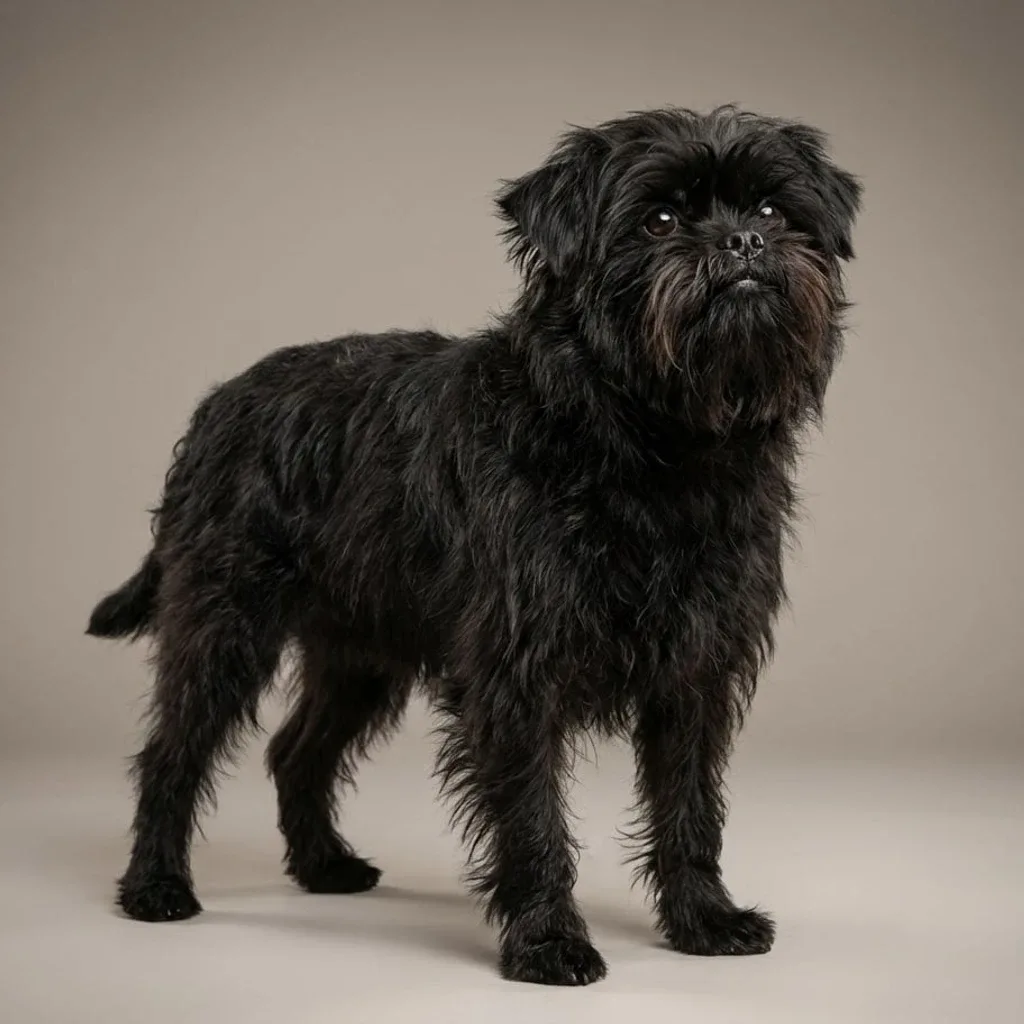
Affenpinscher
The Affenpinscher is a sturdy, monkey-like terrier-type toy breed known for its confidence and playful spirit. Despite its small size, it possesses a courageous heart and a loyal personality, making it a wonderful companion for Kiwi apartment dwellers or those with smaller sections.
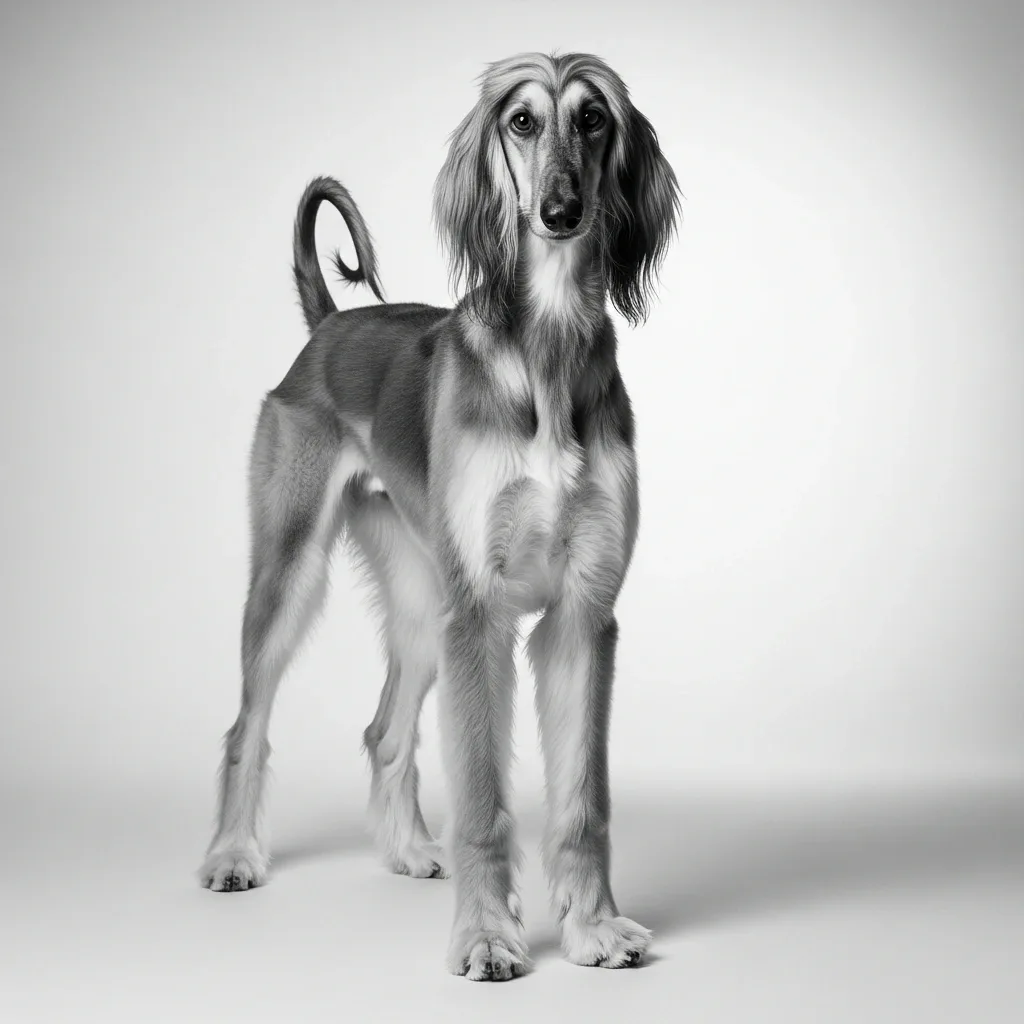
Afghan Hound
The Afghan Hound is an elegant aristocrat with a dignified and aloof personality. Known for its striking, silky coat, this breed is a high-maintenance beauty that requires ample space to run and an owner dedicated to its complex grooming needs.
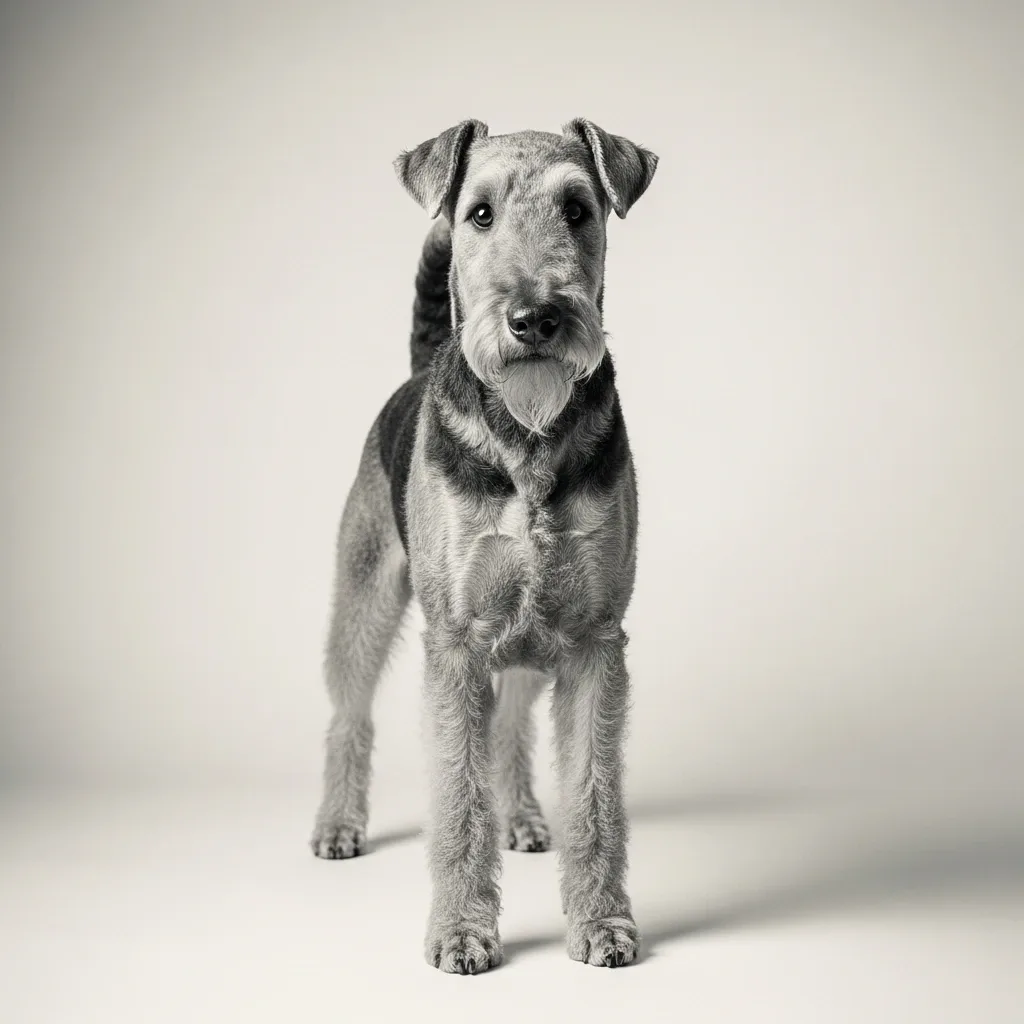
Airedale Terrier
The 'King of Terriers', the Airedale is the largest of all terrier breeds. They are brave, hardworking, and highly intelligent, making them excellent partners for active Kiwi families who love tramping and outdoor adventures.
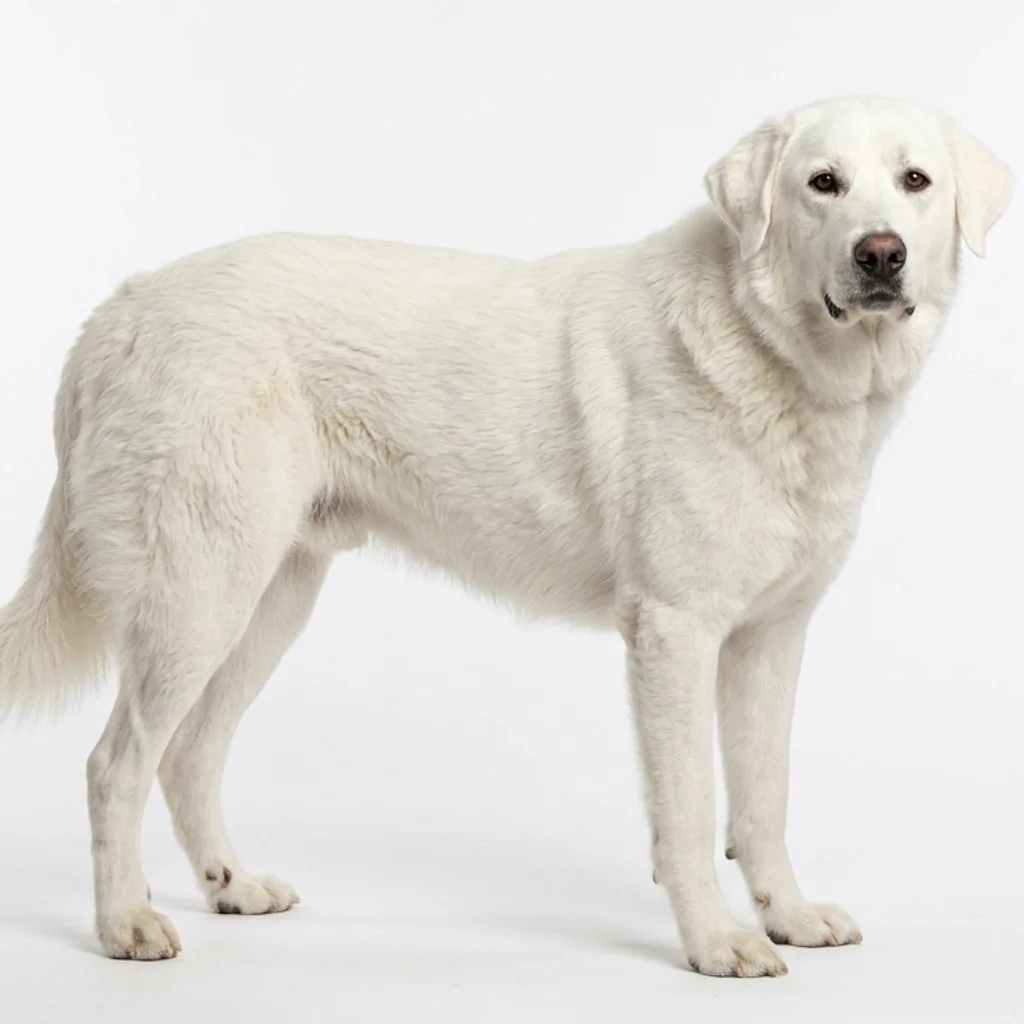
Akbash Dog
Originally a Turkish livestock guardian, the Akbash is a serious, protective, and independent breed. They are not suited for apartment living and thrive on large NZ lifestyle blocks where they can have a 'territory' to watch over.