Dog Breed Guide NZ
Siberian Husky
Siberian Huskies are captivating, energetic dogs renowned for their striking appearance and friendly nature. Bred for endurance in harsh climates, these intelligent pack animals possess an innate desire to run and explore. Their thick double coat and robust build make them well-suited to New Zealand's diverse weather, from crisp South Island winters to cooler North Island conditions. Perfect for active Kiwi families or individuals who love tramping, running, or outdoor adventures, a Husky thrives when given ample space and consistent engagement, making them a vibrant addition to an energetic New Zealand lifestyle.
Photo Gallery
Breed Snapshot
- Size
- Male: 20-27 kg; Female: 16-23 kg
- Lifespan
- 12-14 years
- Origin
- Being enriched
- Temperament
- Friendly, outgoing, intelligent, alert, gentle, independent, energetic
- NZ Price
- $800 - $3,500 NZD — lower end is typically unregistered family litters on Trade Me, upper end registered pedigree lines; $150-$350 NZD adoption via SPCA or husky rescue.
- Annual Vet Cost
- Estimated annual vet costs for a Siberian Husky in New Zealand range from $600 - $1,200 NZD. This includes routine check-ups, vaccinations, flea/worm treatments, and potential costs for breed-specific health issues such as hip and elbow dysplasia, eye conditions (e.g., cataracts, progressive retinal atrophy), hypothyroidism, and zinc deficiency. Emergency care or chronic conditions could significantly increase these costs.
Personality Scores
NZ Lifestyle Fit
Siberian Huskies require careful consideration for New Zealand living conditions. An apartment in Auckland, while possible with extreme dedication, is generally unsuitable. Their high energy and need for space mean daily, vigorous exercise outside the flat is paramount, regardless of weather. Auckland's humid summers can be challenging for their thick double coat, necessitating shade, cool water, and avoiding peak heat exercise. A house with a securely fenced section is far more appropriate, allowing them space to roam safely. The fence must be high and ideally dug into the ground, as Huskies are notorious escape artists and diggers. For rural New Zealand farms, a Husky's strong prey drive makes them a risk to livestock and native wildlife; they must be strictly contained or supervised. South Island cold winters are generally well-tolerated due to their heritage. High UV levels across NZ mean sun protection for lighter-coated or pink-nosed Huskies is wise during prolonged outdoor exposure. There are no specific MPI restrictions on Siberian Huskies in New Zealand.
Origins & History
The Siberian Husky's lineage traces back thousands of years to the Chukchi people of Northeast Asia, where they were meticulously bred as endurance sled dogs. Their primary role was to pull light loads over vast, frozen distances at moderate speeds, a task for which their incredible stamina, thick insulating coat, and efficient gait were perfectly adapted. These dogs were not just working animals; they were integral members of the Chukchi families, sharing their homes and contributing to their survival. Their gentle and friendly nature, even towards strangers, is a testament to this close human-animal bond. Huskies first gained international recognition during the Alaskan gold rush and later through their heroic efforts in the 1925 "Serum Run to Nome," where teams of Huskies, including the famous Balto and Togo, transported life-saving diphtheria antitoxin across 1,000 kilometres of treacherous Alaskan wilderness. This incredible feat cemented their reputation as resilient and courageous dogs, leading to their eventual introduction and popularity worldwide, including here in Aotearoa.
Appearance
Siberian Huskies are medium-sized working dogs, instantly recognisable by their athletic build, striking facial masks, and often piercing blue or bi-coloured eyes. Males typically stand 53-60 cm tall and weigh between 20-27 kg, while females are slightly smaller, 51-56 cm and 16-23 kg. Their most distinctive feature is their dense double coat, consisting of a soft, downy undercoat for insulation and a longer, water-resistant outer coat. This coat comes in a wide array of colours and patterns, from pure white to black, red, grey, and sable, often with intricate markings on the head. They possess erect, triangular ears and a well-furred, sickle-shaped tail carried over the back, especially when alert. Their almond-shaped eyes can be blue, brown, or one of each (heterochromia), adding to their captivating allure. Their powerful, compact body is built for endurance, not speed, reflecting their heritage as sled dogs.
Temperament & Personality
Siberian Huskies are renowned for their friendly, outgoing, and intelligent temperament. They are true pack animals, thriving on companionship with both humans and other dogs. This makes them generally good-natured with children and often welcoming to strangers, though their independence means they aren't typically "one-person" dogs. While intelligent, their independence can translate into a stubborn streak, making training a consistent and patient endeavour. Huskies are incredibly energetic and possess a strong prey drive, so secure fencing and careful supervision around smaller pets are crucial. They are also known for being vocal, expressing themselves through howls, "woos," and chattering rather than typical barking. Their alert nature means they are aware of their surroundings, but their friendliness usually precludes them from being effective guard dogs. A Husky's zest for life and adventurous spirit requires an owner who can match their energy and provide consistent mental and physical stimulation.
Life in New Zealand
Siberian Huskies are well-suited to many aspects of life in New Zealand, particularly for active individuals or families. Their thick double coat, while requiring management in warmer months, provides excellent insulation for cooler South Island winters or high-country conditions. They thrive on the extensive outdoor opportunities available across Aotearoa, from tramping tracks and dog-friendly beaches to vast reserves. However, their strong desire to run and explore means a securely fenced property is non-negotiable. Many Kiwi owners engage their Huskies in dog sports like canicross, bikejoring, or even recreational sledding (dryland mushing) to satisfy their innate drive. Socialisation is key in New Zealand's diverse communities, ensuring they interact well with other dogs and people in public spaces. Finding local dog training clubs or breed-specific groups can be invaluable for new Husky owners navigating life with this energetic breed.
Is This the Right Breed for You?
The Siberian Husky is an incredible companion, but they are not for everyone. They demand a significant commitment to exercise, training, and grooming. If you're an active individual or family who enjoys spending hours outdoors, whether tramping in the bush, running along the beach, or exploring New Zealand's beautiful landscapes, a Husky could be your perfect adventure partner. You'll need a very secure, escape-proof section and be prepared for regular grooming, especially during their twice-yearly "coat blow." Prospective owners must be patient and consistent with training, understanding their independent nature. If you're looking for a dog that will happily lounge on the couch all day, or if you prefer a quiet, low-maintenance pet, the Siberian Husky is likely not the right fit. However, for those who embrace their unique needs, a Husky offers unparalleled companionship, loyalty, and a lifetime of energetic fun.
Fun Facts
Fact 1
Siberian Huskies are known for their distinctive "mask" markings and often have striking blue or bi-coloured eyes.
Fact 2
They are incredibly vocal, communicating through howls, "woos," and chattering rather than typical barking.
Fact 3
Huskies were instrumental in the 1925 "Serum Run to Nome," delivering life-saving medicine across Alaska.
Fact 4
Despite their thick double coat, Huskies are surprisingly efficient eaters and don't always require as much food as their size suggests.
Fact 5
They are notorious escape artists, capable of jumping fences, digging under them, and even opening gates.
Related Breeds
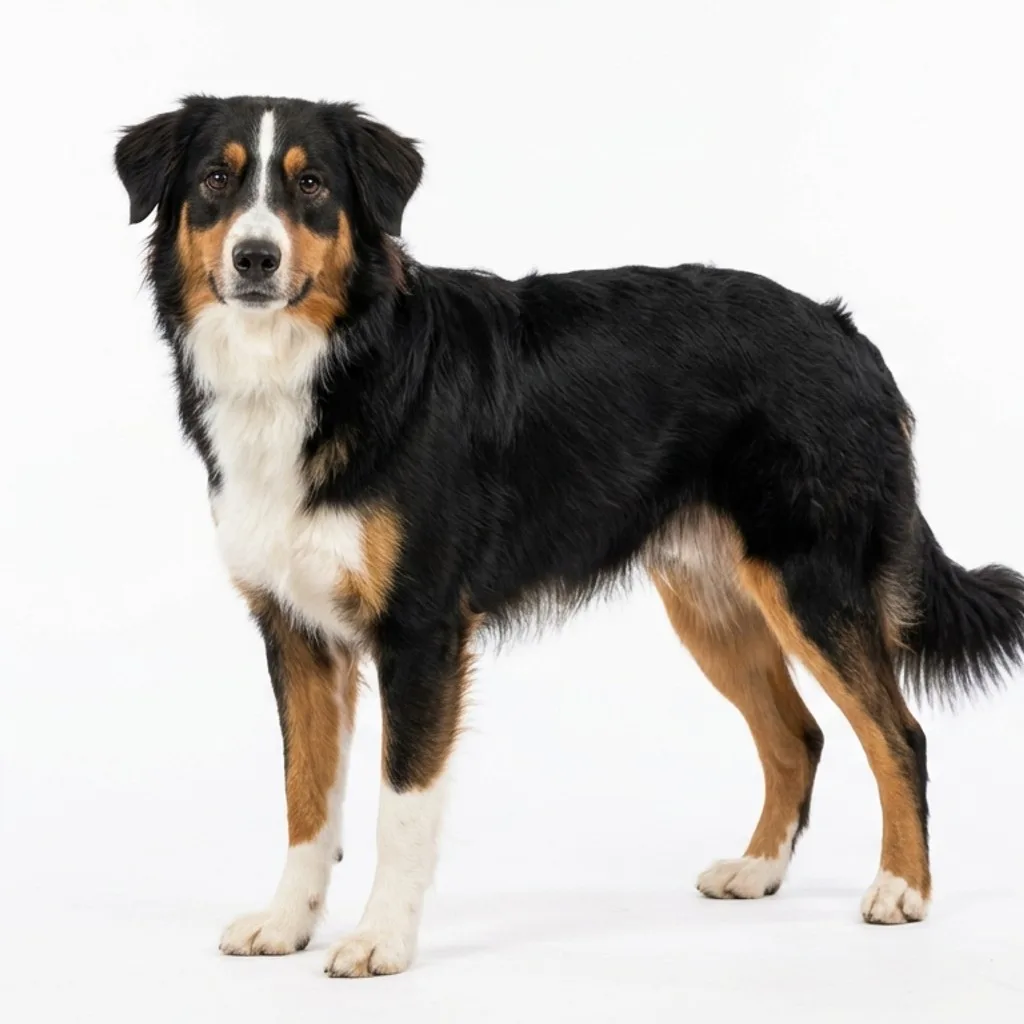
English Shepherd
A highly intelligent, versatile all-purpose farm dog. English Shepherds are alert, energetic, and possess a strong desire to work. They are devoted family members that thrive in rural or active urban environments.
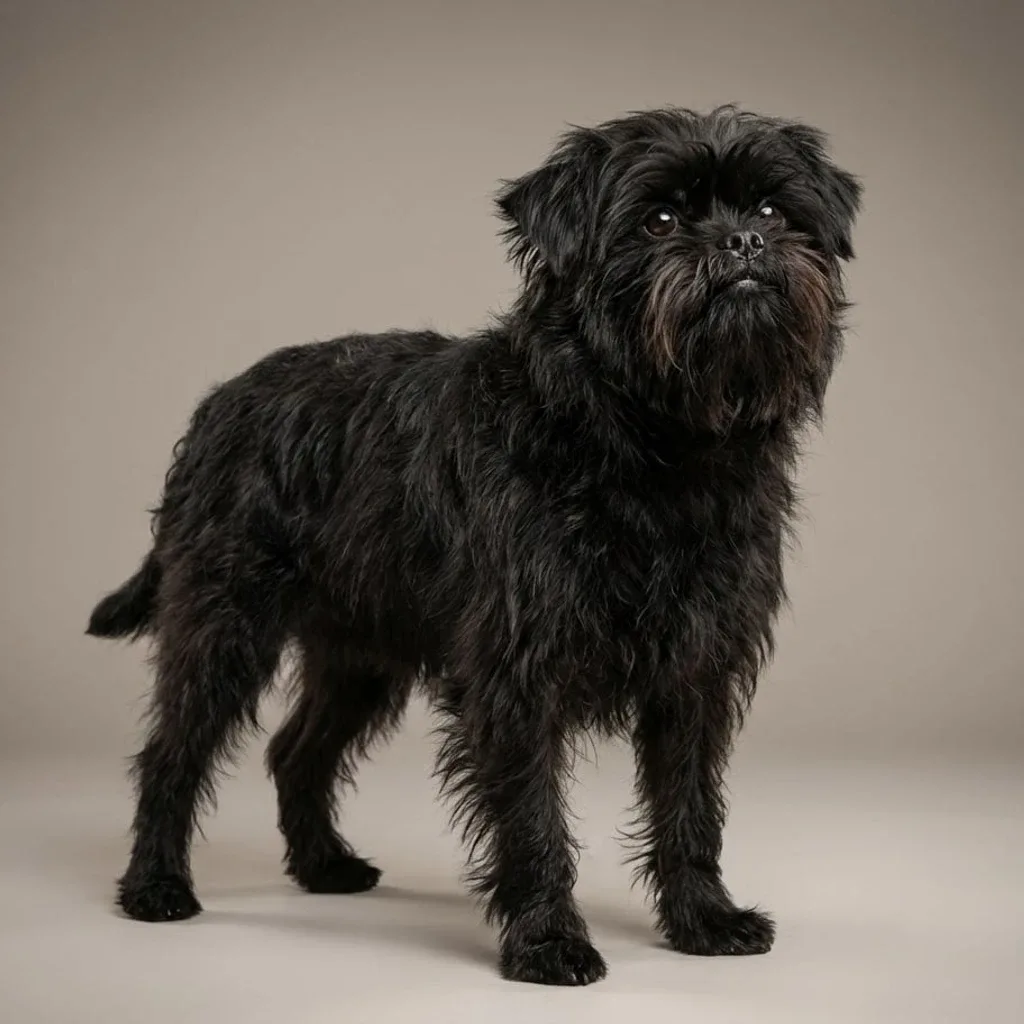
Affenpinscher
The Affenpinscher is a sturdy, monkey-like terrier-type toy breed known for its confidence and playful spirit. Despite its small size, it possesses a courageous heart and a loyal personality, making it a wonderful companion for Kiwi apartment dwellers or those with smaller sections.
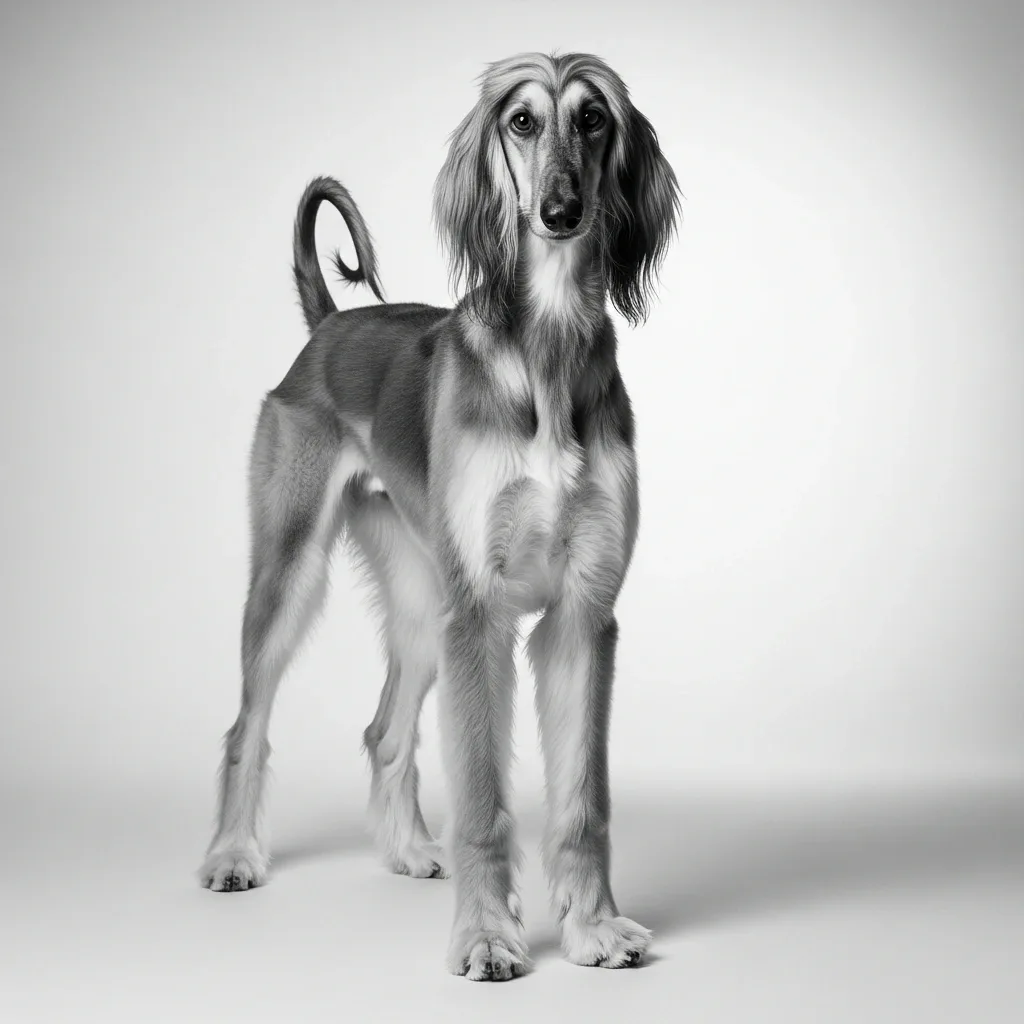
Afghan Hound
The Afghan Hound is an elegant aristocrat with a dignified and aloof personality. Known for its striking, silky coat, this breed is a high-maintenance beauty that requires ample space to run and an owner dedicated to its complex grooming needs.
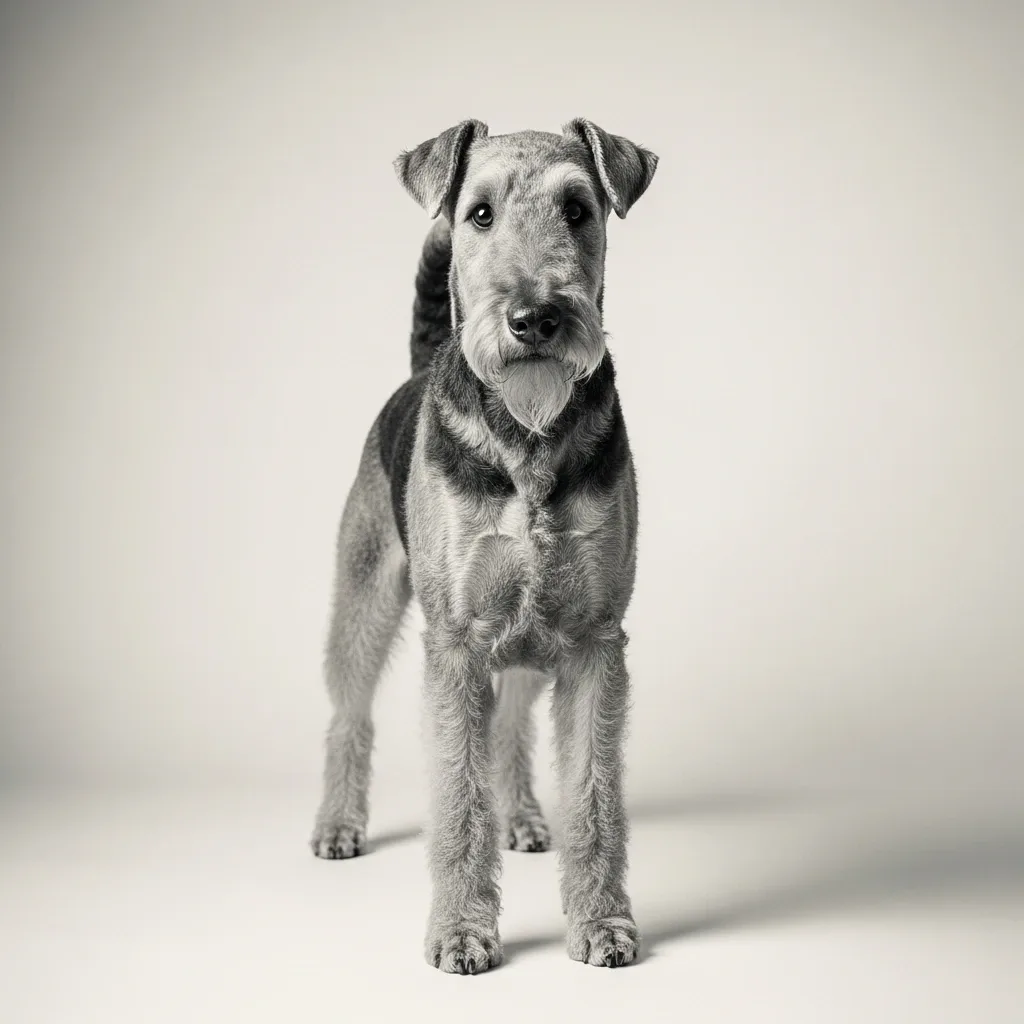
Airedale Terrier
The 'King of Terriers', the Airedale is the largest of all terrier breeds. They are brave, hardworking, and highly intelligent, making them excellent partners for active Kiwi families who love tramping and outdoor adventures.