Dog Breed Guide NZ
English Shepherd
The English Shepherd is a highly intelligent and incredibly versatile all-purpose farm dog, renowned for their strong work ethic and unwavering devotion. Originating from collies brought to America by British settlers, they excel at herding, guarding, and companionship. These alert and energetic dogs thrive on having a job to do, making them ideal for active Kiwi families or those on lifestyle blocks and rural properties. Their adaptability and eagerness to please ensure they integrate seamlessly into a busy New Zealand household, provided their needs for mental and physical stimulation are met. They are truly a dog for all seasons and many tasks.
Photo Gallery
Breed Snapshot
- Size
- Male: 20-27 kg; Female: 16-23 kg
- Lifespan
- 12-15 years
- Origin
- Being enriched
- Temperament
- Intelligent, loyal, energetic, alert, devoted, adaptable
- NZ Price
- $1,500 - $3,500 NZD from registered breeders; $150-$350 NZD adoption via SPCA
- Annual Vet Cost
- Estimated annual vet costs for an English Shepherd in NZ typically range from $600 - $1,200+ NZD. This includes routine check-ups, vaccinations, flea and worm treatments, which might cost $300-$600 annually. However, English Shepherds can be predisposed to certain health issues like hip and elbow dysplasia, certain eye conditions (e.g., Progressive Retinal Atrophy, cataracts), and the MDR1 gene mutation (which can cause sensitivity to certain medications). Addressing these breed-specific conditions, if they arise, can significantly increase costs, potentially adding hundreds or even thousands for diagnostics, specialist consultations, or surgery. Regular preventative care and early detection are key to managing these potential expenses.
Personality Scores
NZ Lifestyle Fit
The English Shepherd's adaptability makes them a good fit for various New Zealand living situations, though some are better than others. Apartment living in Auckland is generally not recommended due to their high energy and need for space; only an owner exceptionally dedicated to daily, vigorous exercise outside the flat could make this work. A house with a securely fenced section is a much better option, allowing them room to play and explore, provided they still get significant daily walks or runs. They truly excel on rural NZ farms or lifestyle blocks, where their natural herding instincts and protective nature can be fully expressed. Regarding climate, their double coat handles South Island cold winters well. In Auckland's humid summers, ensure constant access to shade and fresh water to prevent overheating. New Zealand's high UV index means dogs, especially those with lighter coats or exposed skin, need protection; provide ample shade and consider dog-specific sunscreen for sensitive areas. There are no specific MPI (Ministry for Primary Industries) restrictions on owning English Shepherds in New Zealand, as they are not classified as a dangerous or restricted breed.
Origins & History
Despite their name, the English Shepherd breed was primarily developed in the United States from various working collies brought over by British settlers. These dogs were not bred for the show ring but rather for their utility and intelligence on the farm. They quickly became the quintessential 'farm collie' across rural America, valued for their ability to herd livestock, guard property, hunt vermin, and serve as loyal family companions. Unlike many other breeds, the English Shepherd's development focused squarely on working ability and temperament, leading to a highly adaptable and intelligent dog. While not widely recognised by major international kennel clubs like the New Zealand Kennel Club (NZKC), they have a dedicated following of enthusiasts who appreciate their traditional working qualities and versatility.
Appearance
The English Shepherd is a medium-sized, athletic dog with a sturdy build, designed for endurance and agility. Males typically weigh between 20-27 kg and stand around 48-58 cm at the shoulder, while females are slightly smaller, weighing 16-23 kg and standing 46-56 cm. They possess a medium-length double coat that can be straight or wavy, providing protection against various weather conditions. Common coat colours include black and tan, tricolour (black, tan, and white), sable and white, and black and white. Their expressive, intelligent eyes often convey their alertness and eagerness. The tail is usually long and well-plumed, carried low when relaxed and raised when excited or working. Their overall appearance reflects their heritage as a capable and hardy working dog.
Temperament & Personality
English Shepherds are celebrated for their exceptional intelligence, loyalty, and energetic disposition. They are highly alert, making them excellent watchdogs, always aware of their surroundings without being overly aggressive. Their devotion to their family is profound; they form strong bonds and thrive on being an integral part of the household. This breed possesses a strong desire to work and please, making them highly trainable and eager participants in various activities. They are adaptable, capable of adjusting to different living situations provided their core needs for mental stimulation and physical activity are met. With proper socialisation from a young age, they are generally good with children and other pets, often adopting a protective but gentle demeanour towards their 'flock'. However, their herding instincts can sometimes manifest as nipping at heels, which needs gentle guidance during puppyhood.
Life in New Zealand
English Shepherds are well-suited to many aspects of the New Zealand lifestyle. Their robust double coat provides good insulation against the South Island's colder winters, while their active nature means they can adapt to the warmer, more humid Auckland summers with access to shade and water. They excel on rural farms and lifestyle blocks, where their natural herding instincts and protective nature can be fully utilised. For those in suburban homes with a good-sized, securely fenced section, an English Shepherd can thrive, provided they receive ample daily exercise and mental engagement. They are not typically suited for apartment living unless their owners are exceptionally committed to providing extensive daily outdoor activity. Their intelligence and desire to be with their people make them wonderful companions for active Kiwis who enjoy the outdoors, whether it's tramping, visiting dog-friendly beaches, or participating in dog sports.
Is This the Right Breed for You?
Bringing an English Shepherd into your home is a significant commitment, but a rewarding one for the right owner. This breed is best suited for individuals or families who can provide consistent training, ample daily exercise, and plenty of mental stimulation. They are not content to be left alone for long periods or to be merely backyard ornaments; they crave interaction and purpose. If you live on a farm or lifestyle block, or if you have a large, securely fenced section and lead an active outdoor lifestyle, an English Shepherd could be your ideal companion. They excel in environments where they can engage their minds and bodies, whether through herding, agility, obedience, or simply being an active participant in family life. Prospective owners should be prepared for a devoted, energetic, and highly intelligent dog who will thrive on being a working member of the family.
Fun Facts
Fact 1
Despite their name, English Shepherds were primarily developed in the United States, not England.
Fact 2
They are often called 'the poor man's collie' due to their versatility and working ability without the show ring focus.
Fact 3
English Shepherds are known for their 'loose-eyed' herding style, meaning they don't stare intensely at livestock like some other herding breeds.
Fact 4
Their intelligence makes them highly trainable for a wide range of tasks, from herding to search and rescue.
Fact 5
Many English Shepherds have a strong 'off switch,' meaning they can be active outdoors but calm and relaxed indoors once their needs are met.
Related Breeds
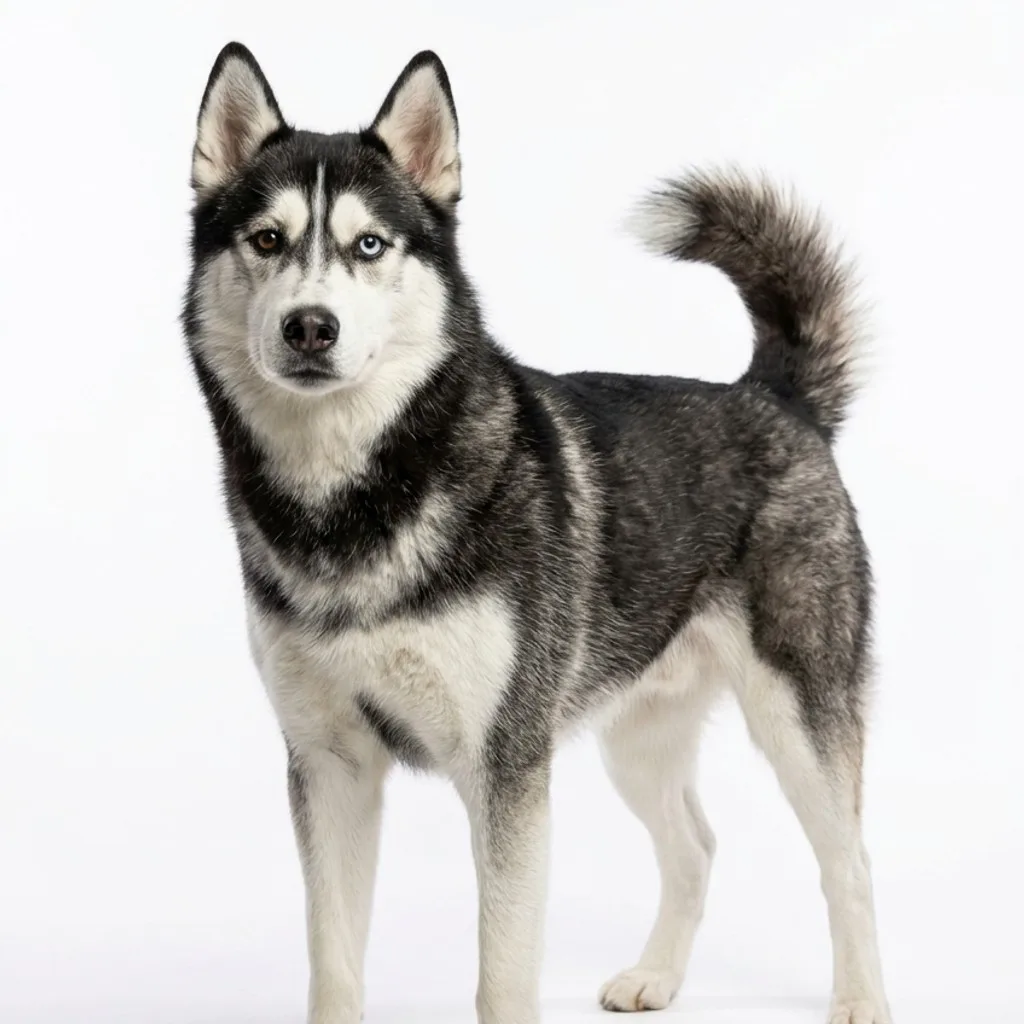
Siberian Husky
Energetic, intelligent, and friendly. Siberian Huskies are built for endurance and have a strong desire to run. They are social pack animals and perfect for active Kiwi owners who enjoy high-intensity outdoor sports.
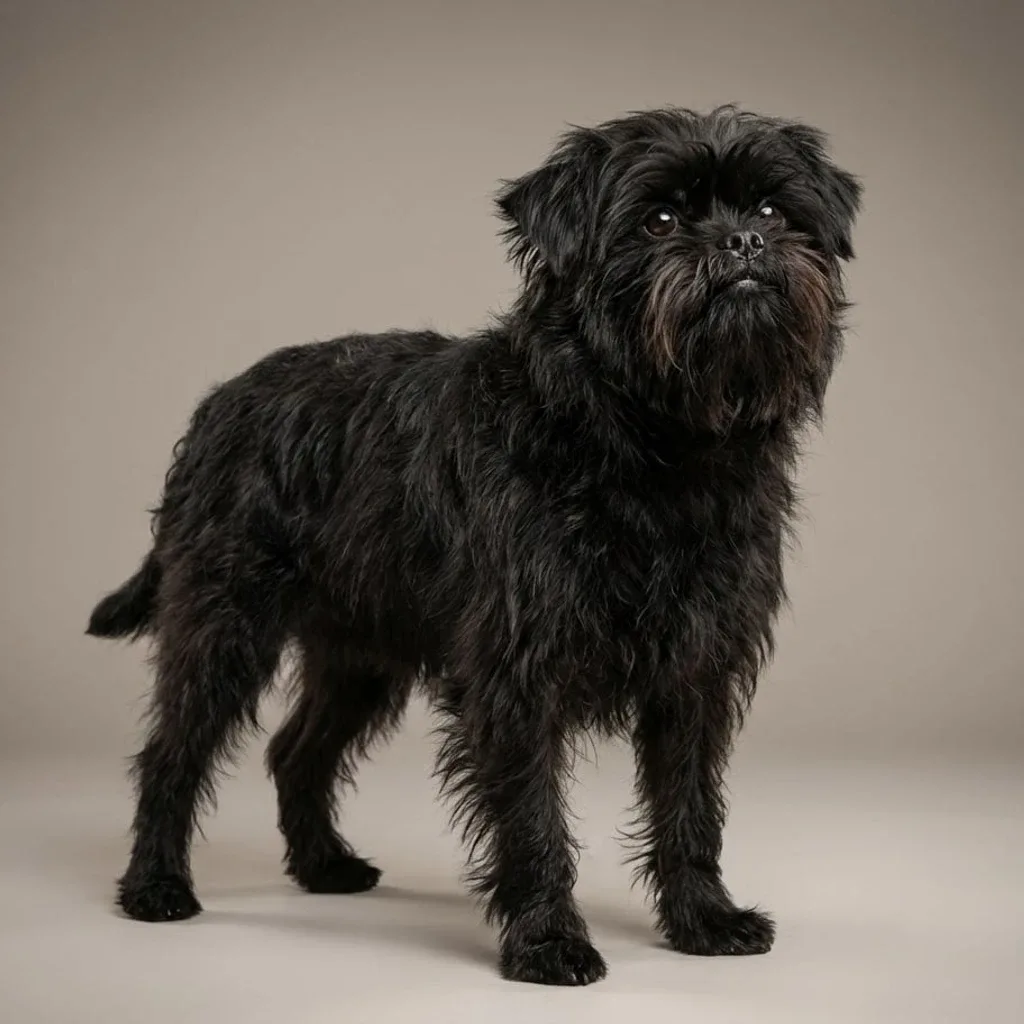
Affenpinscher
The Affenpinscher is a sturdy, monkey-like terrier-type toy breed known for its confidence and playful spirit. Despite its small size, it possesses a courageous heart and a loyal personality, making it a wonderful companion for Kiwi apartment dwellers or those with smaller sections.
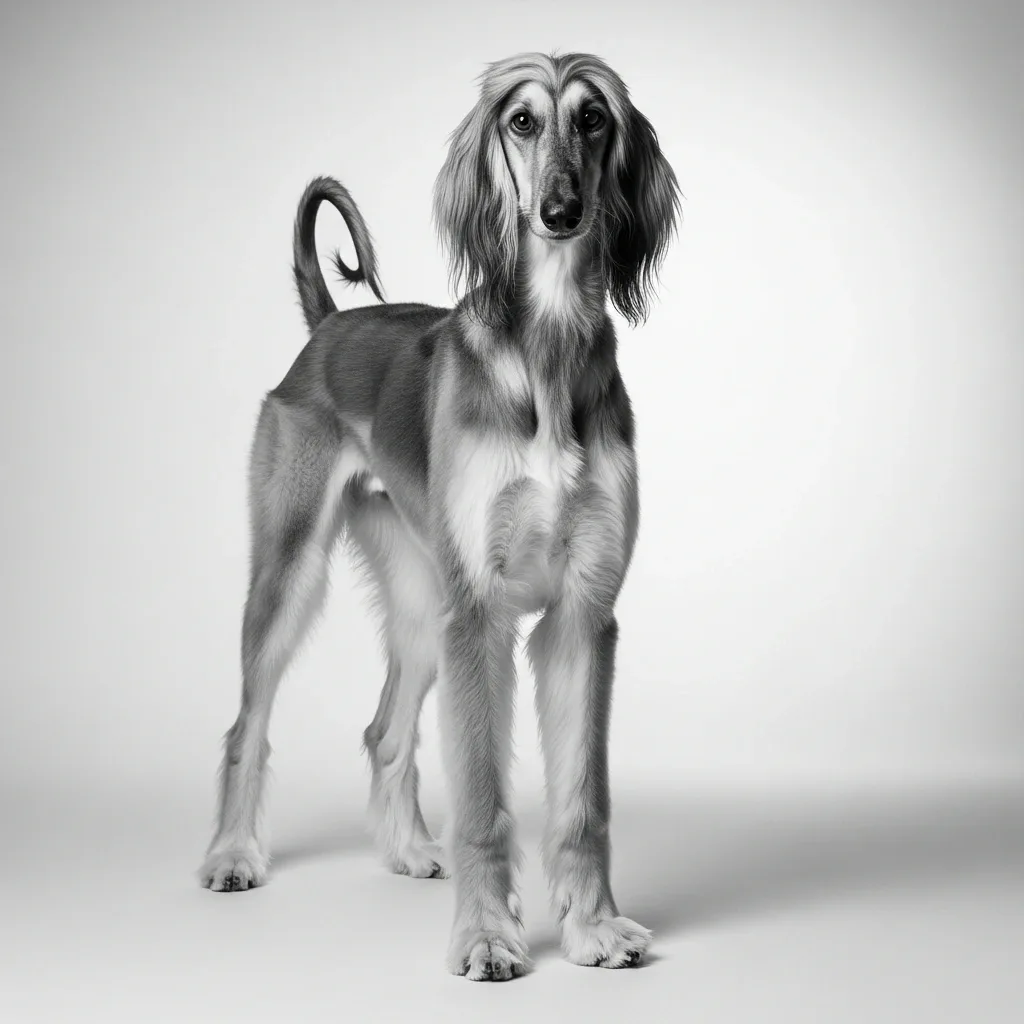
Afghan Hound
The Afghan Hound is an elegant aristocrat with a dignified and aloof personality. Known for its striking, silky coat, this breed is a high-maintenance beauty that requires ample space to run and an owner dedicated to its complex grooming needs.
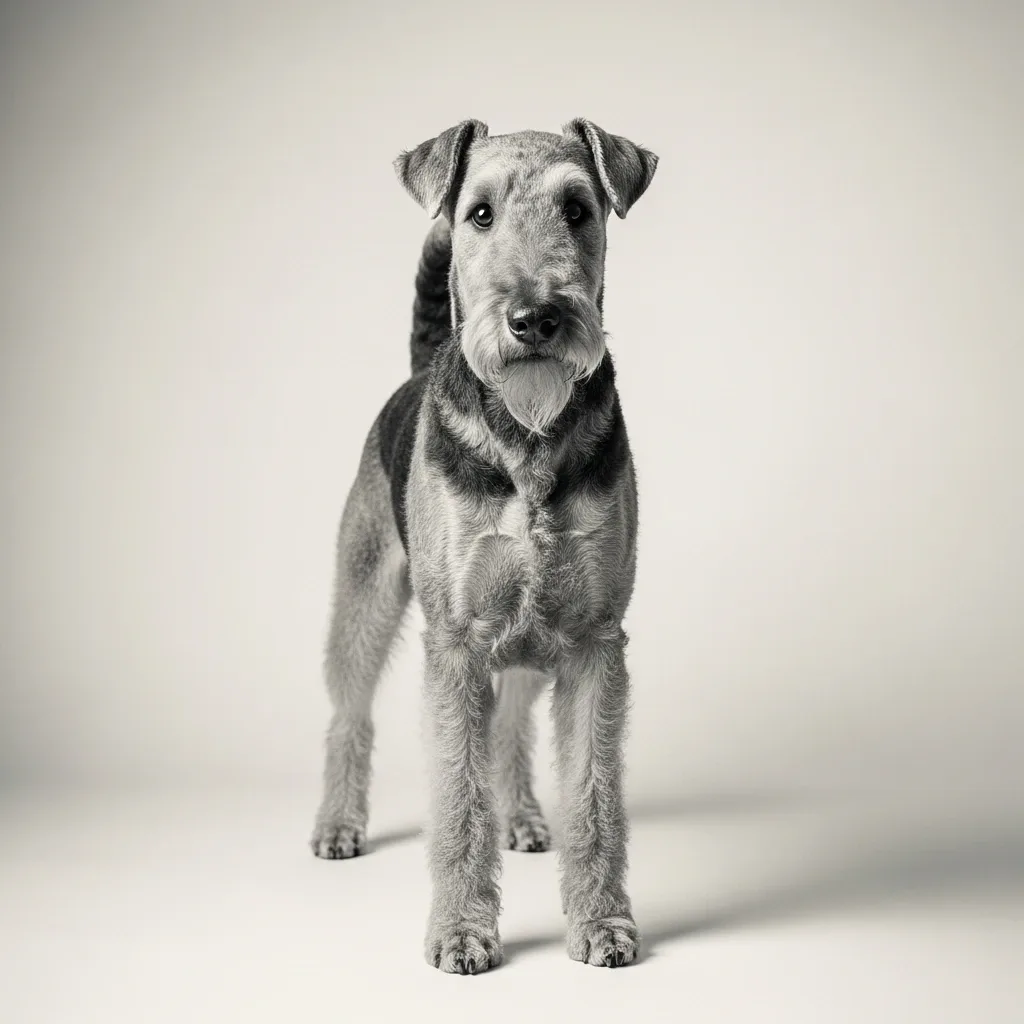
Airedale Terrier
The 'King of Terriers', the Airedale is the largest of all terrier breeds. They are brave, hardworking, and highly intelligent, making them excellent partners for active Kiwi families who love tramping and outdoor adventures.