Dog Breed Guide NZ
Weimaraner
The 'Silver Ghost,' the Weimaraner is an elegant, athletic gundog renowned for immense stamina and striking silver-grey coat. Friendly, intelligent, and possessing an unwavering desire to be part of their pack, these loyal companions thrive on close human interaction. They are highly energetic and require significant mental and physical stimulation to prevent boredom and destructive behaviours. Perfect for active Kiwi owners who love exploring New Zealand's diverse outdoors, from beach walks to tramping tracks, a Weimaraner will be a devoted and adventurous companion ready for any challenge. Their keen intelligence and eagerness to please make them highly trainable, though consistency is key.
Photo Gallery
Breed Snapshot
- Size
- Male: 32-41 kg; Female: 25-34 kg
- Lifespan
- 10-13 years
- Origin
- Being enriched
- Temperament
- Energetic, intelligent, loyal, friendly, alert, courageous, athletic
- NZ Price
- $1,800 - $3,500 NZD from registered breeders; $150-$450 NZD adoption via SPCA or breed-specific rescues, depending on age and health.
- Annual Vet Cost
- Estimated annual vet costs for a Weimaraner in NZ typically range from $600 - $1,200 NZD, excluding emergency treatments. This covers routine check-ups, vaccinations, flea and worm treatments, and general preventative care. However, Weimaraners are prone to certain health issues that can significantly increase costs. Gastric Dilatation-Volvulus (GDV) or bloat is a life-threatening emergency requiring immediate, expensive surgery, potentially costing thousands. Hip and elbow dysplasia, common in larger breeds, may necessitate X-rays, medication, or surgery. Eye conditions like entropion or distichiasis, and skin allergies, can also incur ongoing treatment expenses. Regular vet visits and being prepared for potential breed-specific health challenges are crucial for responsible Weimaraner ownership in New Zealand.
Personality Scores
NZ Lifestyle Fit
Weimaraners are highly energetic and require significant space and activity, making them generally unsuitable for apartment living, even in cities like Auckland. While a dedicated owner in a flat could manage with multiple daily long walks and dog park visits, it's a considerable challenge. They truly thrive in homes with a secure, decent-sized section where they can burn off some energy throughout the day. For families with a house and garden, they integrate well, provided their exercise needs are met. Rural New Zealand farms offer an excellent environment, allowing them ample space to run and explore, but owners must be mindful of their strong prey drive around livestock and ensure they are well-trained and contained. New Zealand's varied climate presents specific considerations. Auckland's humid summers can be challenging for active dogs; ensure access to shade and fresh water, and avoid peak heat exercise. South Island's cold winters are generally fine for Weimaraners due to their active nature, but their short coat means they'll appreciate a warm, dry indoor sleeping spot and perhaps a coat for very cold, wet outings. High UV levels across NZ necessitate protecting their sensitive skin, especially on areas with sparse fur; consider dog-safe sunscreen for prolonged sun exposure. There are no specific MPI restrictions on Weimaraners, but all dog owners must adhere to local council bylaws regarding leash laws, dog control, and responsible ownership.
Origins & History
The Weimaraner's origins trace back to 19th-century Weimar, Germany, where they were meticulously bred by the Grand Duke Karl August. Unlike most gundogs developed for specific tasks like pointing or retrieving, the Weimaraner was initially created as a versatile hunting companion, capable of tracking large game such as bear, deer, and wolf. Their exceptional scenting ability, courage, and stamina made them invaluable to German nobility. As large game became scarcer, the breed's focus shifted towards smaller game birds and rabbits, where their pointing and retrieving skills truly shone. The breed was closely guarded in Germany for many years, with strict breeding regulations ensuring the preservation of their unique traits. It wasn't until the early 20th century that Weimaraners began to be exported, eventually making their way to New Zealand, where their striking appearance and athletic prowess quickly captivated dog enthusiasts and active families alike.
Appearance
Often dubbed the "Silver Ghost," the Weimaraner is instantly recognisable by its distinctive short, smooth, silver-grey coat, which can range from mouse-grey to silver-blue. This unique colouration, combined with their amber or blue-grey eyes, gives them an aristocratic and almost ethereal look. They are medium to large-sized dogs, built for speed and endurance, with a muscular and athletic physique. Males typically stand between 64-69 cm at the shoulder and weigh 32-41 kg, while females are slightly smaller, 59-64 cm and 25-34 kg. Their head is noble and well-proportioned, with long, velvety ears set high. The tail is traditionally docked in some countries, but in New Zealand, many Weimaraners retain their natural, long, tapering tail, which they carry with an elegant curve. Their powerful legs and deep chest underscore their gundog heritage, ready for a day of vigorous activity.
Temperament & Personality
Weimaraners are celebrated for their energetic, intelligent, and fiercely loyal temperament. They are true "velcro dogs," forming incredibly strong bonds with their families and thriving on constant companionship. This intense devotion means they can suffer from separation anxiety if left alone for extended periods, often expressing their distress through destructive chewing or excessive barking. They are highly intelligent and eager to please, making them generally responsive to training, but their independent streak and boundless energy require a consistent and firm approach. Weimaraners are friendly and generally good with children and other pets if properly socialised from a young age, though their boisterous nature can sometimes be overwhelming for very small kids. They possess a strong prey drive, a remnant of their hunting past, so secure fencing and careful introductions to smaller household pets are essential. Their alertness makes them excellent watchdogs, though they are not typically aggressive.
Life in New Zealand
The Weimaraner's active and adventurous spirit makes them a fantastic fit for the New Zealand lifestyle. Their love for the outdoors aligns perfectly with our country's vast natural playgrounds, from expansive beaches to challenging tramping tracks. They excel in dog sports like agility, obedience, and tracking, which are popular activities in Kiwi dog clubs. Their short coat is relatively low maintenance, a bonus for owners who prefer spending time adventuring rather than grooming. However, their need for constant companionship means they are not suited to being left alone in a bach or on a section all day. They thrive when integrated into family life, whether it's joining a family walk along the local footpath, a weekend trip to a regional park, or simply relaxing indoors with their people. Owners in New Zealand should be prepared for their Weimaraner to be an integral part of their daily routine, embracing their need for both physical and mental engagement.
Is This the Right Breed for You?
Bringing a Weimaraner into your whānau is a significant commitment. They are not a breed for the faint of heart or the sedentary. Prospective owners must be prepared to provide at least 1-2 hours of vigorous exercise daily, coupled with consistent mental stimulation through training and interactive play. If you're an active individual or family who enjoys hiking, running, cycling, or participating in dog sports, a Weimaraner could be your ideal companion. They require an owner who understands their need for companionship and can provide a structured, loving environment. Those living in flats or with small sections might struggle to meet their exercise requirements, unless they are exceptionally dedicated to daily outings. If you're seeking a loyal, intelligent, and energetic partner for all your Kiwi adventures, and are ready to invest the time and effort into their training and socialisation, the Weimaraner will reward you with unwavering devotion and endless joy.
Fun Facts
Fact 1
Weimaraners are often called the 'Silver Ghost' due to their unique coat colour and silent, stealthy hunting style.
Fact 2
They are nicknamed 'Velcro dogs' because of their intense desire to be constantly close to their owners.
Fact 3
The breed was originally developed in 19th-century Germany to hunt large game like bears, deer, and wolves.
Fact 4
Weimaraners have distinctive light-coloured eyes, which can be amber, blue-grey, or grey, complementing their silver coat.
Fact 5
They are known for their strong prey drive and exceptional scenting abilities, making them excellent tracking dogs.
Related Breeds
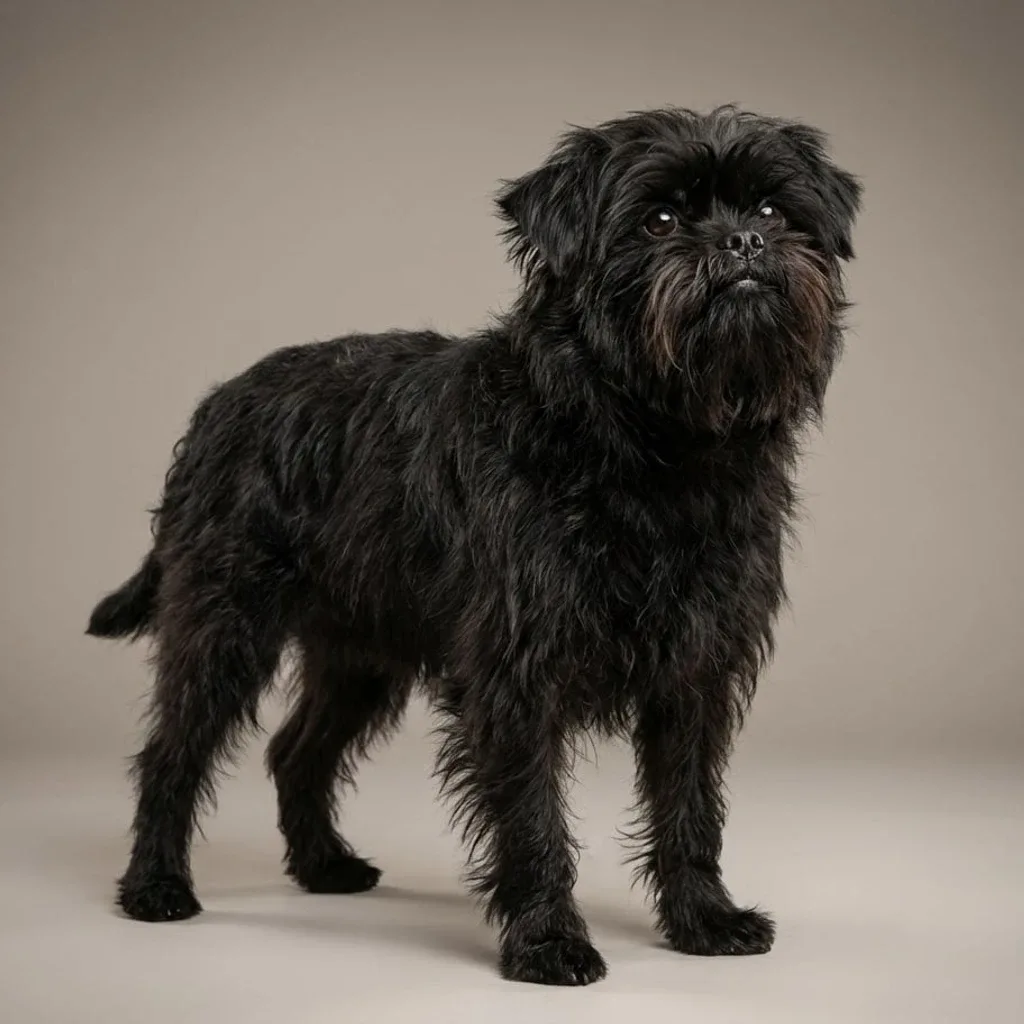
Affenpinscher
The Affenpinscher is a sturdy, monkey-like terrier-type toy breed known for its confidence and playful spirit. Despite its small size, it possesses a courageous heart and a loyal personality, making it a wonderful companion for Kiwi apartment dwellers or those with smaller sections.
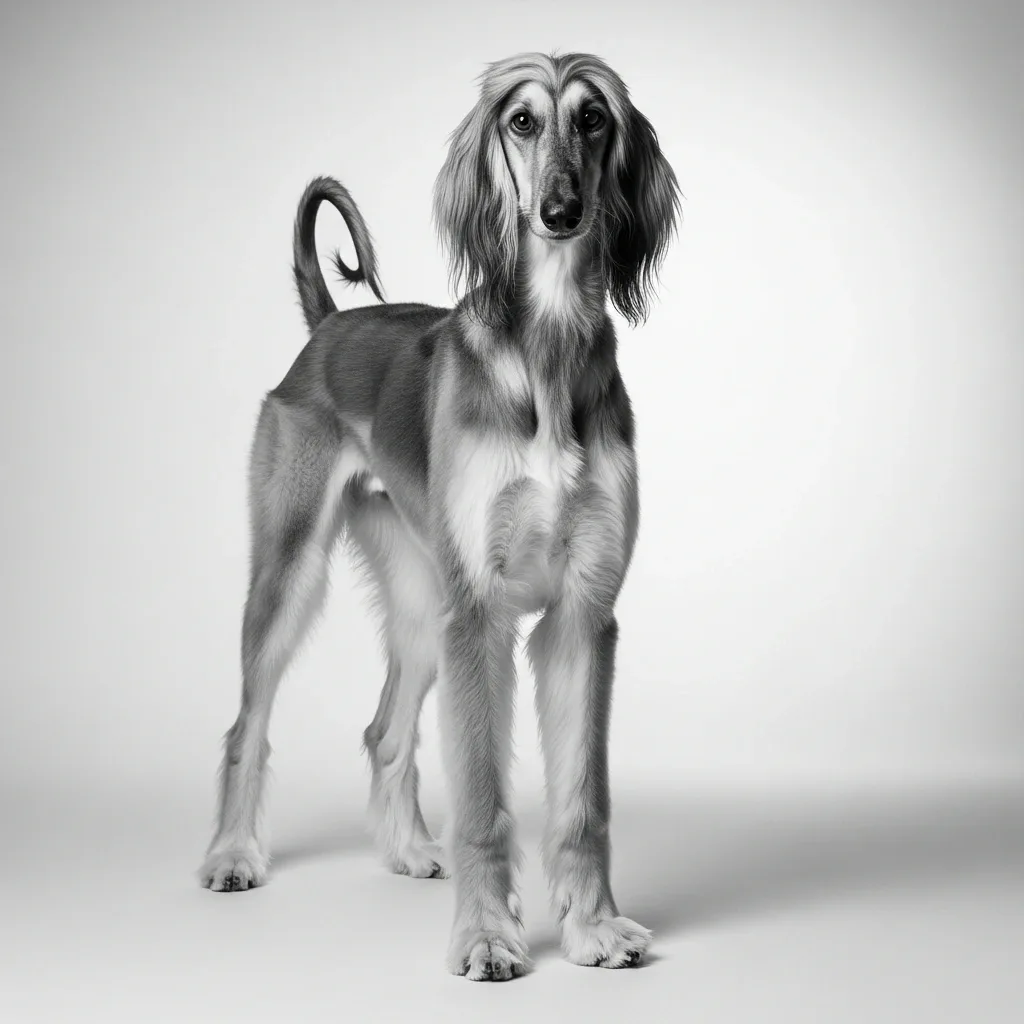
Afghan Hound
The Afghan Hound is an elegant aristocrat with a dignified and aloof personality. Known for its striking, silky coat, this breed is a high-maintenance beauty that requires ample space to run and an owner dedicated to its complex grooming needs.
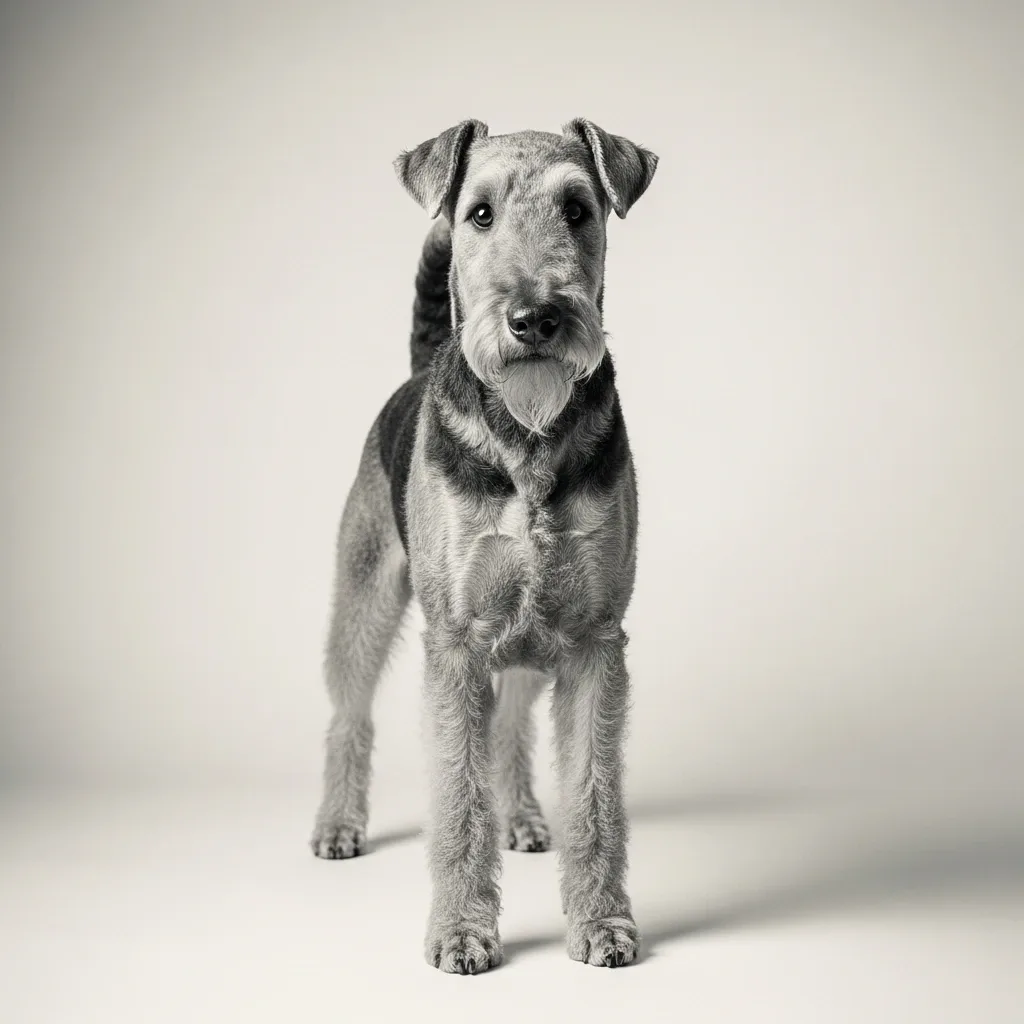
Airedale Terrier
The 'King of Terriers', the Airedale is the largest of all terrier breeds. They are brave, hardworking, and highly intelligent, making them excellent partners for active Kiwi families who love tramping and outdoor adventures.
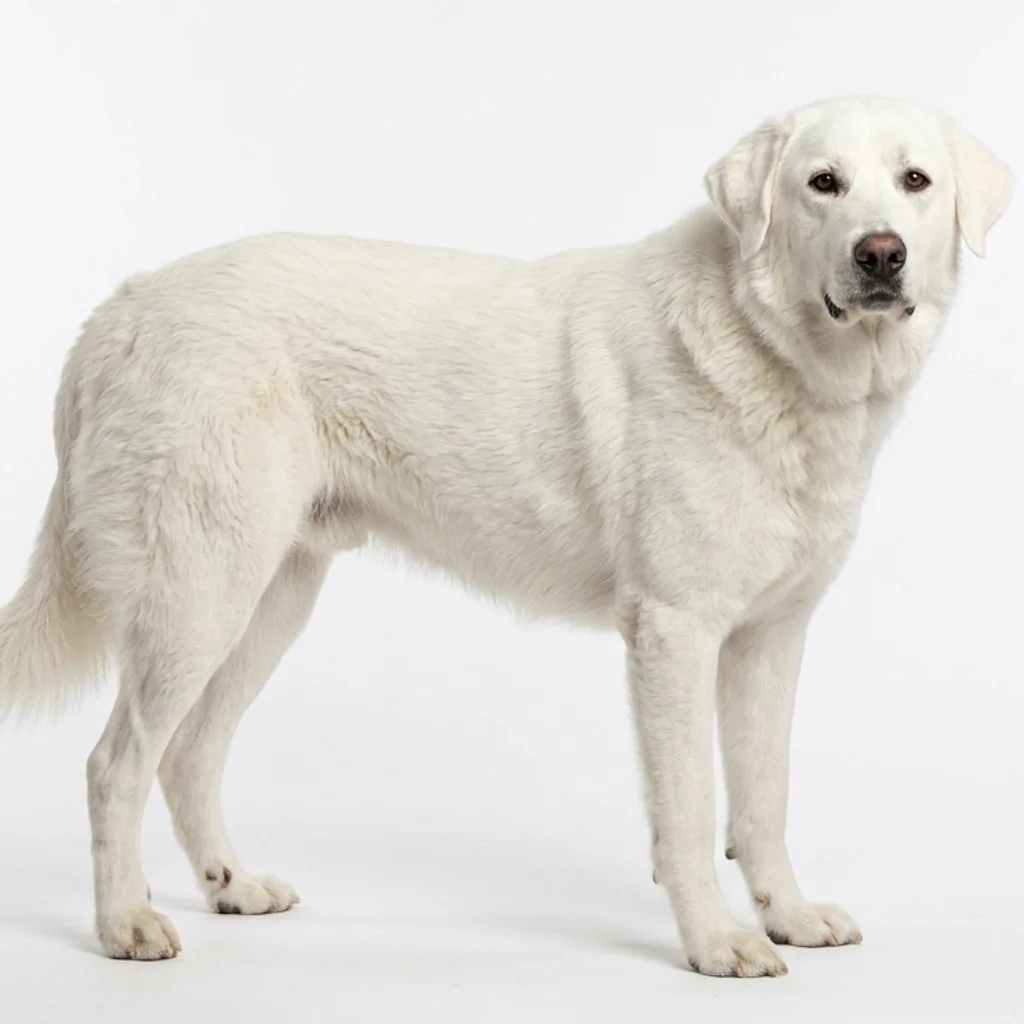
Akbash Dog
Originally a Turkish livestock guardian, the Akbash is a serious, protective, and independent breed. They are not suited for apartment living and thrive on large NZ lifestyle blocks where they can have a 'territory' to watch over.