Dog Breed Guide NZ
Dalmatian
The Dalmatian, with its striking spotted coat, is an iconic, high-energy athlete perfectly suited for active Kiwi families. Originally bred for endurance, these intelligent and dignified dogs thrive on adventure and require significant exercise to truly flourish. Their playful nature and alertness make them wonderful companions for those who enjoy an outdoor, dynamic lifestyle. In New Zealand, a Dalmatian will happily join you on beach walks, tramping expeditions, or runs along the local footpath, provided they get the mental and physical stimulation they crave. They integrate well into homes where their zest for life is matched by their owners' commitment to activity and engagement.
Photo Gallery
Breed Snapshot
- Size
- Male: 25-32 kg; Female: 20-27 kg
- Lifespan
- 11-13 years
- Origin
- Being enriched
- Temperament
- Energetic, outgoing, intelligent, alert, athletic
- NZ Price
- $1,500 - $3,500 NZD from registered breeders; $150-$350 NZD adoption via SPCA
- Annual Vet Cost
- Estimated annual vet costs for a Dalmatian in New Zealand typically range from $600 to $1,000 NZD. This covers routine check-ups, vaccinations, flea and worm treatments. However, Dalmatians are predisposed to certain health issues that can increase these costs. Bilateral or unilateral deafness is common and may require specialist assessment. They are also prone to urate urolithiasis (urinary stones), which can necessitate special diets, medication, or even surgery, potentially adding several hundred to thousands of dollars to annual expenses. Skin allergies are another concern, often requiring ongoing veterinary management. Pet insurance is highly recommended to help manage these potential breed-specific health costs.
Personality Scores
NZ Lifestyle Fit
While Dalmatians are not ideal for small Auckland flats due to their high energy, a secure, well-sized section in the suburbs provides a much better environment. Owners in Auckland's humid summers must ensure constant access to shade and fresh water, as these active dogs can overheat. In the South Island's colder winters, Dalmatians with their short coats will appreciate warm, indoor sleeping arrangements. Their pale noses and ears are susceptible to high UV, so sun protection is crucial during peak sun hours, particularly in New Zealand's strong sun. For rural New Zealand farms, Dalmatians can thrive with space, but their strong prey drive means careful supervision around livestock is essential. MPI (Ministry for Primary Industries) does not impose any specific restrictions on owning Dalmatians in New Zealand, making them a welcome addition for suitable, active owners.
Origins & History
The Dalmatian's exact origins are shrouded in some mystery, but their distinctive appearance has been documented for centuries. While often associated with Croatia's Dalmatia region, their lineage likely traces back to various European breeds. What is clear is their historical role as a carriage dog, running alongside horse-drawn carriages to guard passengers and property. This unique job honed their incredible stamina, athleticism, and loyalty, traits that remain prominent in the breed today. They were also used as sentinels, hunters, and even circus performers, showcasing their versatility and intelligence. Their striking spots made them a favourite among the gentry, and later, their association with fire engines cemented their iconic status.
Appearance
Dalmatians are medium-to-large sized dogs, instantly recognisable by their unique spotted coats. Males typically weigh between 25-32 kg and females 20-27 kg, standing gracefully with a muscular, athletic build. Their short, dense coat is predominantly white, adorned with clearly defined, round spots that can be black or liver (brown). These spots are not present at birth; puppies are born pure white and develop their markings over the first few weeks of life. They possess intelligent, expressive eyes, often dark brown or amber, and sometimes blue or heterochromatic (two different coloured eyes). Their ears are medium-sized, set high, and carried close to the head. Their overall appearance exudes elegance, strength, and a readiness for action.
Temperament & Personality
Dalmatians are renowned for their energetic, outgoing, and intelligent temperament. They are alert and athletic, possessing a keen sense of awareness that makes them excellent watchdogs, though not typically aggressive. Their high energy levels mean they thrive on activity and mental stimulation; a bored Dalmatian can quickly become a destructive one. They form strong bonds with their families and can be very affectionate, often described as having a clownish side. While generally good with children, their boisterous nature means supervision is always wise, especially with younger kids. Early socialisation is crucial to ensure they are well-adjusted around other dogs and pets, as some can have a strong prey drive. They are intelligent and eager to please, but also possess an independent streak, requiring consistent, positive reinforcement training.
Life in New Zealand
Dalmatians are well-suited to the active, outdoor lifestyle many Kiwis embrace. Their stamina makes them ideal companions for long walks on our beautiful beaches (checking local council restrictions, of course), runs along the many scenic footpaths, or even tramping on dog-friendly tracks. They thrive in homes with secure sections where they can burn off energy. Given New Zealand's varied climate, Dalmatians adapt well, though their short coats mean they'll appreciate warmth in South Island winters and plenty of shade and water during hot, humid North Island summers. Their distinctive look often makes them a talking point, and they generally enjoy being part of family outings and adventures across Aotearoa.
Is This the Right Breed for You?
Bringing a Dalmatian into your life is a significant commitment. They are not a breed for couch potatoes; prospective owners must be prepared for at least 1-2 hours of vigorous exercise daily, coupled with mental challenges. They thrive in homes where they are an integral part of the family, not left alone for long periods. If you're an active individual or family who enjoys hiking, running, cycling, or simply long, engaging walks, and you have the time and dedication to invest in their training and socialisation, a Dalmatian could be your perfect spotted companion. They require consistent care, attention to their specific health needs, and a secure environment. For the right active Kiwi owner, a Dalmatian offers boundless energy, loyalty, and a truly unique personality.
Fun Facts
Fact 1
Dalmatian puppies are born completely white and develop their spots as they grow, typically appearing within the first few weeks.
Fact 2
They are famously associated with firehouses, historically running ahead of fire carriages to clear paths and guard the horses.
Fact 3
Dalmatians have a unique genetic predisposition to deafness, with a significant percentage affected in one or both ears.
Fact 4
Their distinctive spots are a result of the 'ticking' gene, which causes small, pigmented spots to appear on a white background.
Fact 5
In the past, Dalmatians were sometimes called 'coach dogs' or 'plum pudding dogs' due to their spotted appearance.
Related Breeds
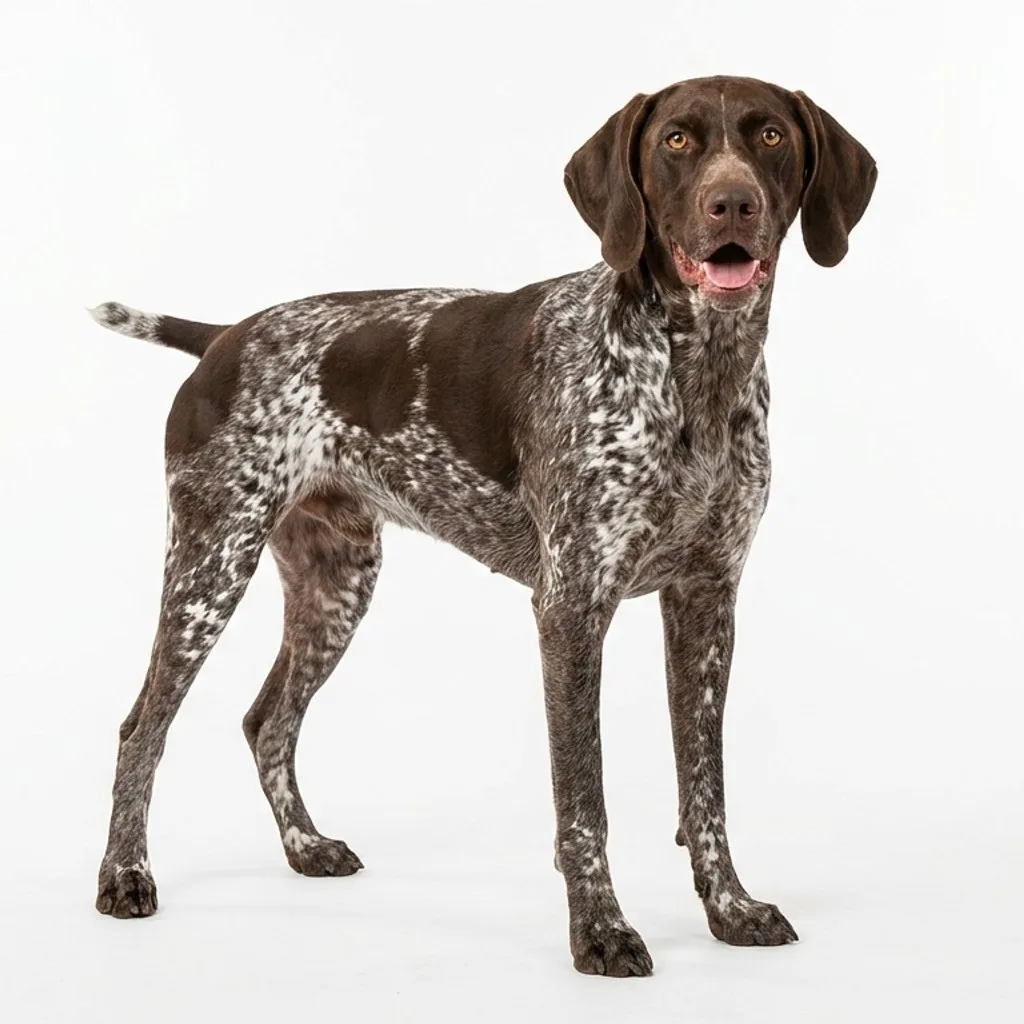
German Shorthaired Pointer
The GSP is an athletic, all-purpose hunting dog with immense stamina. They are friendly, smart, and willing to please, making them fantastic partners for active Kiwi families who enjoy tramping, running, or lake trips.
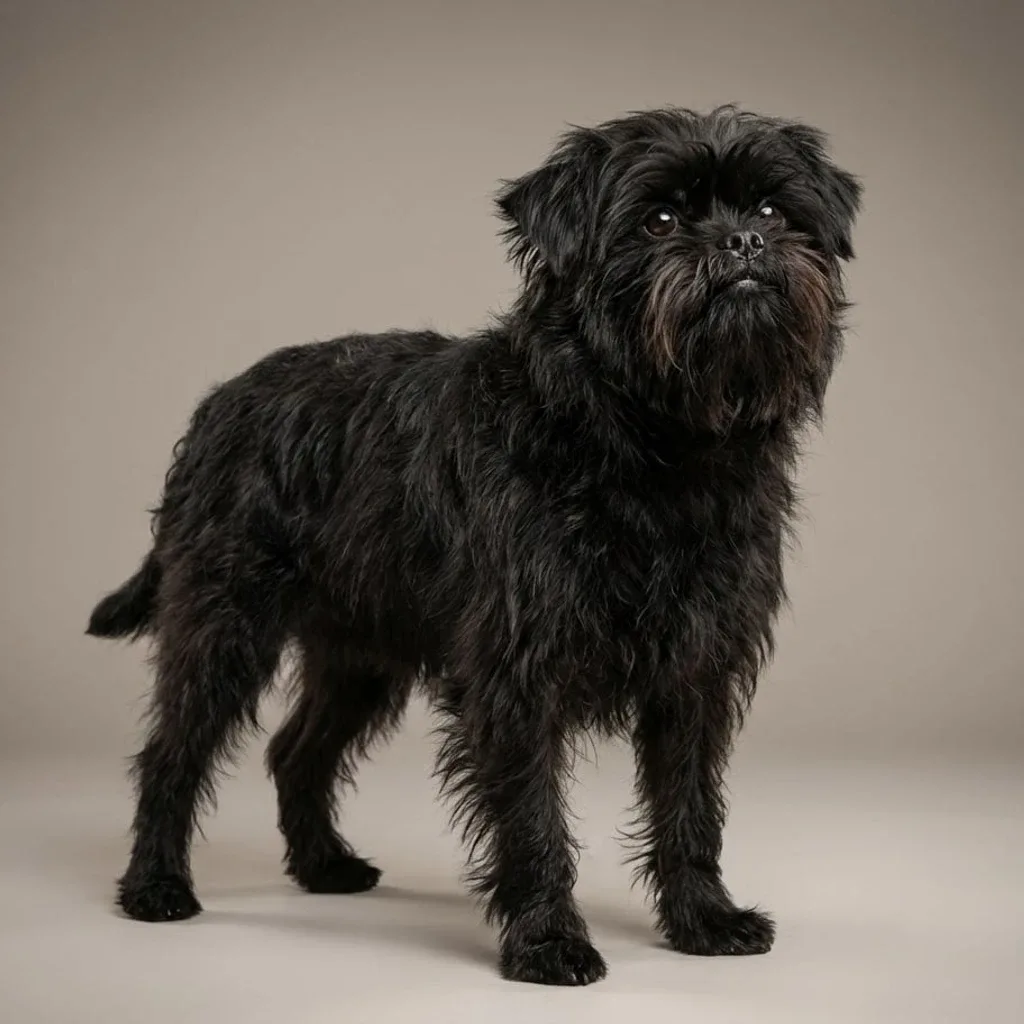
Affenpinscher
The Affenpinscher is a sturdy, monkey-like terrier-type toy breed known for its confidence and playful spirit. Despite its small size, it possesses a courageous heart and a loyal personality, making it a wonderful companion for Kiwi apartment dwellers or those with smaller sections.
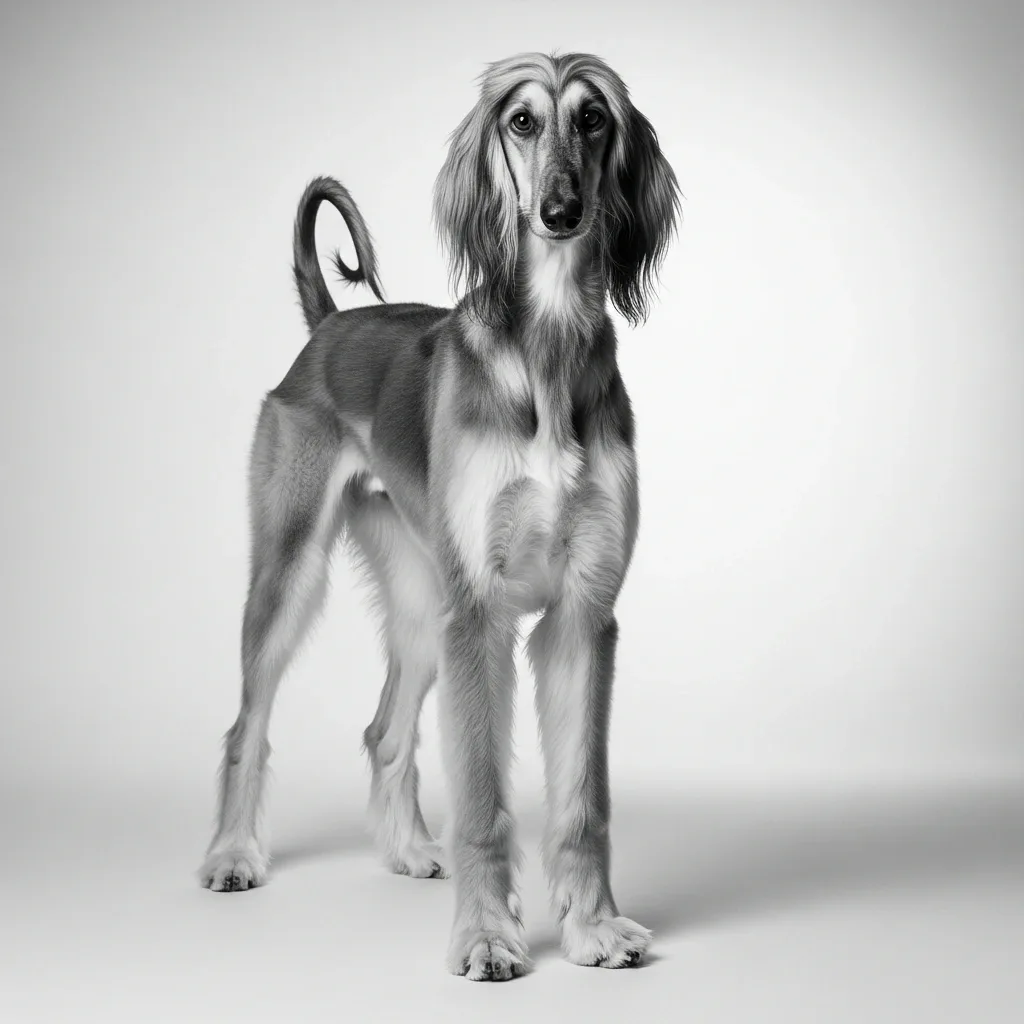
Afghan Hound
The Afghan Hound is an elegant aristocrat with a dignified and aloof personality. Known for its striking, silky coat, this breed is a high-maintenance beauty that requires ample space to run and an owner dedicated to its complex grooming needs.
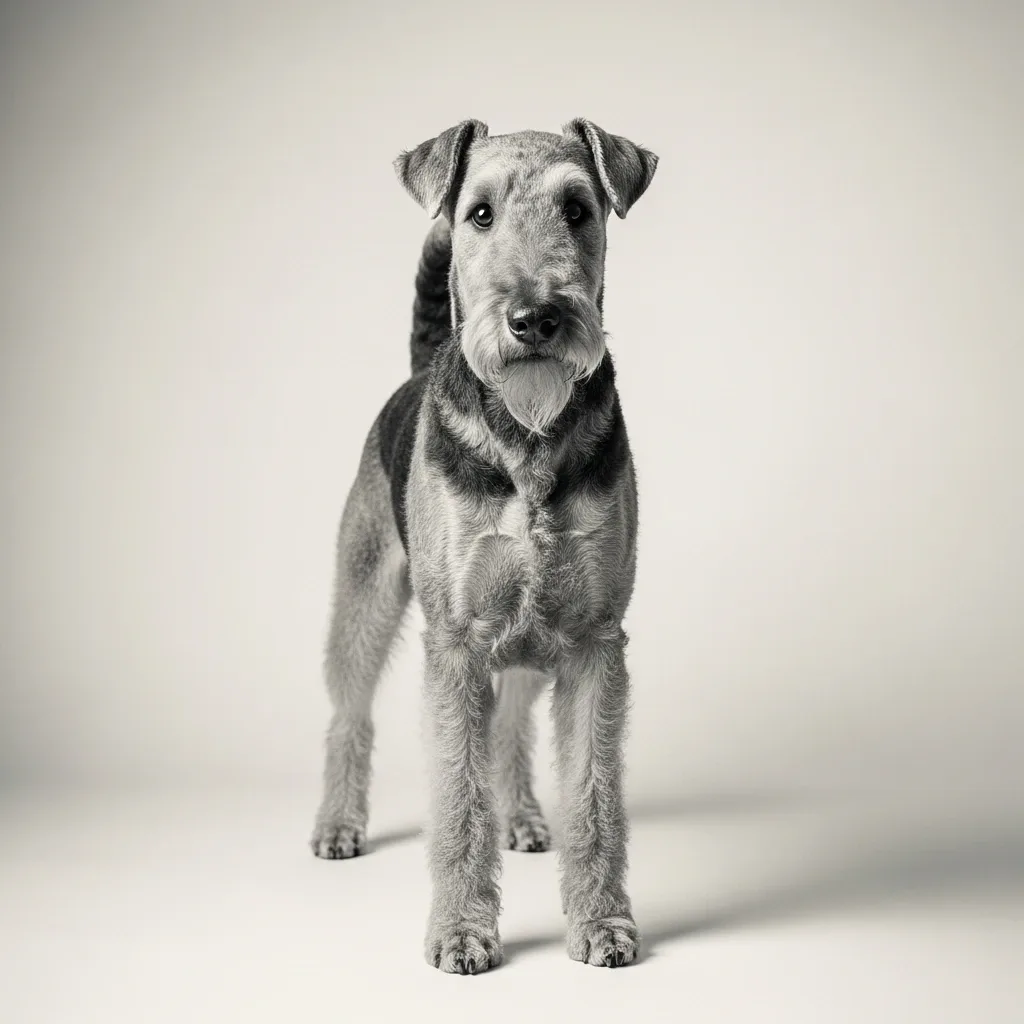
Airedale Terrier
The 'King of Terriers', the Airedale is the largest of all terrier breeds. They are brave, hardworking, and highly intelligent, making them excellent partners for active Kiwi families who love tramping and outdoor adventures.