Best Dog Breeds for Lifestyle Blocks and Farms NZ
Best dog breeds for lifestyle blocks and farms NZ: compare real profiles for recall, fencing, stock, kids and rural routines.
The best dog breeds for lifestyle blocks and farms NZ owners should shortlist are trainable, safe around boundaries and realistic for the household. A rural section is not a substitute for recall, fencing, enrichment, stock manners, road safety and daily family time.
Lifestyle block dog does not mean self-exercising dog
Lifestyle blocks can be wonderful for dogs, but they also add risks: open gates, stock, poultry, ride-on mowers, utes, visiting tradies, children, neighbour dogs and wildlife. A good match is a dog whose instincts you can train and manage, not a dog left to invent its own rural job.
Use the Dogs hub, Find a Breed and Dog Registration NZ Council Checklist before choosing. NZ dog owners still have legal control responsibilities, even when the property is large.
Quick comparison
| Breed | Why it can suit lifestyle blocks | Watch-outs |
|---|---|---|
| Border Collie | Highly trainable, agile and task-focused. | Needs mental work; may chase movement if unmanaged. |
| Australian Shepherd | Active, clever and family-involved. | Can become noisy or over-busy without structure. |
| Australian Cattle Dog | Tough, alert and practical for active rural homes. | Strong instincts and intensity need experienced owners. |
| Labrador Retriever | Friendly, trainable all-round family dog. | Enthusiasm, food drive and water/mud need management. |
| German Shepherd | Versatile, trainable and watchful. | Needs socialisation, control and clear visitor routines. |
| Jack Russell Terrier | Small, energetic and useful around active homes. | Prey drive, digging and fencing gaps matter. |
| Rough Collie | Family-friendly herding background with trainability. | Coat care and barking need routine. |
| Bearded Collie | Active, cheerful herding-style companion. | Grooming and bouncy energy can be a lot. |
Border Collie
A Border Collie is an obvious rural shortlist breed because it is intelligent, athletic and task-focused. For owners who enjoy training, agility, obedience or farm-style routines, it can be outstanding.
The watch-out is intensity. Without a job, a Border Collie may chase bikes, poultry, sheep, children or shadows. Lifestyle space helps only when the owner supplies structure.
Australian Shepherd
An Australian Shepherd can suit active rural families that want a dog involved in chores, walks and training. It is often people-focused and quick to learn.
The risk is over-arousal. Visitors, gates, horses, bikes and kids running can become triggers. Reward calm behaviour early and do not let the dog patrol fences all day.
Australian Cattle Dog
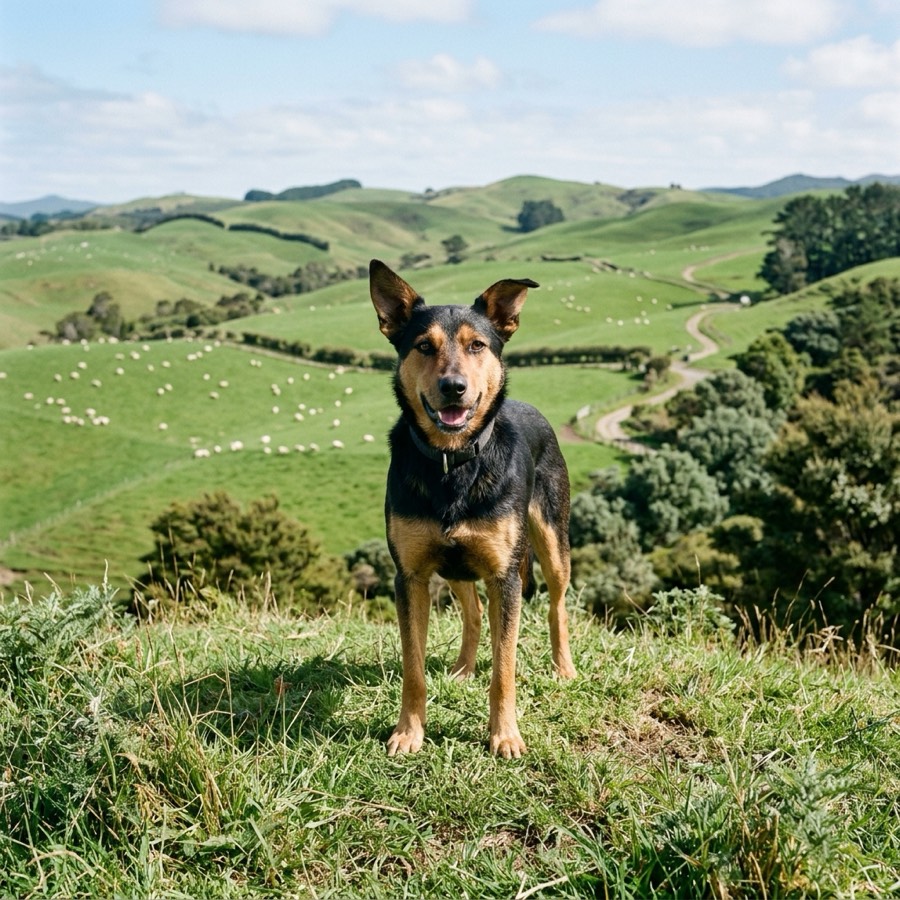
An Australian Cattle Dog can be a practical match for experienced owners who want a tough, active, alert dog. It may suit homes with daily work, secure routines and adults who understand working-dog instincts.
This is not a soft beginner pet for a casual lifestyle block. Training, socialisation and clear rules around children and stock are essential.
Labrador Retriever
A Labrador Retriever is often the sensible all-rounder. It can suit families who want a dog for paddock walks, lake trips, kids, visitors and general companionship rather than specialist herding work.
The trade-off is enthusiasm. Labs may charge through mud, greet everyone, steal food or chase water. Good manners still need training.
German Shepherd
A German Shepherd can suit lifestyle blocks where the owner wants a trainable, watchful companion. It can handle varied routines when socialised and managed.
The boundary is visitor control. Couriers, shearers, neighbours and children's friends should not be left to negotiate with a self-appointed guardian.
Jack Russell Terrier
A Jack Russell Terrier is small but very much not lazy. It can suit active owners who like terrier energy and have secure fencing.
On NZ lifestyle blocks, prey drive is the big watch-out: poultry, rabbits, cats, wildlife and gaps under gates. Do not assume small size means low risk.
Rough Collie
A Rough Collie can suit families wanting a trainable, gentler herding-style dog. It may work well where children, visitors and routine matter as much as paddock space.
The coat needs work around mud, grass seed, burrs and wet winters. Barking can also become a habit if the dog is left to monitor the boundary.
Bearded Collie
A Bearded Collie brings cheerful, active herding energy. It can fit owners who like training, grooming and a busy dog with personality.
The watch-outs are bounce, coat care and consistency. A Beardie can be too much for owners who wanted a decorative farm dog rather than a full family project.
Rural setup checklist
Before choosing:
- Walk every fence line and gate gap before the dog arrives.
- Decide where the dog is during deliveries, stock movement and children's parties.
- Train recall and lead manners before trusting open space.
- Keep dogs controlled around livestock, poultry, cats and wildlife.
- Budget in NZD for fencing, training, bedding, car restraints and vet access.
- Check DOC and council rules before taking dogs onto tracks, beaches or reserves.
- Avoid letting the dog rehearse chasing, barking or fence-running.
SPCA New Zealand's training guidance supports reward-based, low-stress methods. MPI's dog welfare code and the Dog Control Act provide the serious baseline: large properties do not remove the owner's duty of care and control.
Family companion or working dog?
Many lifestyle-block owners do not need a true working dog. They need a family companion that can cope with paddocks, mud, kids, gates and animals without becoming a full-time stock dog. That is why Labradors, German Shepherds and collie-type companions may make more sense than choosing only by farm reputation.
If you genuinely need stock work, talk to experienced working-dog people rather than relying on a generic family-breed list. This page is for household fit, not a herding manual.
Common lifestyle-block traps
The biggest problems are often ordinary: a puppy learns to chase chickens, a terrier finds a gap under the fence, a herding breed nips at running children, or a watchful dog barks at every vehicle on a shared driveway. These habits are easier to prevent than undo.
Set up gates, leads, crates or indoor zones before busy moments happen. Decide who manages the dog when stock are moved, visitors arrive or children play outside. A rural property gives room, but it also gives a clever dog more chances to practise the wrong thing. Write the routine before adoption.
Key takeaways
- The best dog breeds for lifestyle blocks and farms NZ homes choose are trainable and managed, not self-exercising.
- Herding and working-style breeds need jobs, rest and boundaries.
- Family all-rounders like Labradors may suit lifestyle blocks better than intense workers for many homes.
- Terriers need serious fencing and prey-drive management.
- Stock, poultry, wildlife, visitors and roads must be planned before the dog arrives.
- Choose the dog for the routine the adults will repeat every day.
Related reading
- Dogs hub
- Find a Breed
- Dog Registration NZ Council Checklist
- Border Collie profile
- Australian Shepherd profile
- Australian Cattle Dog profile
- Labrador Retriever profile
- Jack Russell Terrier profile
How we picked
This shortlist is based on PetMall's own breed and species profile data linked in the article, especially size, activity needs, grooming needs, beginner suitability, apartment or family fit, and NZ suitability notes. We also used general breed characteristics already summarised in those profiles. It is not a veterinary, legal or behaviour guarantee; owners still need to read the full profiles and match the individual animal to their home.
Profile and guide links used:
- Dogs hub
- Find a Breed
- Border Collie
- Australian Shepherd
- Australian Cattle Dog
- Labrador Retriever
- German Shepherd
- Jack Russell Terrier
- Rough Collie
- Bearded Collie
Reference sources
- New Zealand Legislation: Dog Control Act 1996 - checked 2026-06-04.
- MPI: Code of Welfare: Dogs - checked 2026-06-04.
- SPCA New Zealand: Dog behaviour and training - checked 2026-06-04.
- SPCA New Zealand: Training methods and devices - checked 2026-06-04.
- DOC: Where you can take your dog and access rules - checked 2026-06-04.
Free PetMall tools
Related guides
petmall.co.nz
Shop at PetMall
The products below are practical support items for your pet. PetMall ships across New Zealand.
- Dog FoodStart with food that matches your dog's life stage and activity level — and change brands slowly over 7–10 days.
- Dog TreatsTraining rewards and everyday treats — small, soft pieces work best for consistent reinforcement.
- Dog ToysA small rotation of chew, fetch, and puzzle toys usually works better than buying a large variety at once.
- Dog GroomingA gentle brush and the right shampoo make maintenance easier — especially for dogs that get muddy on walks.
- Leads & HarnessesComfort matters: padded contact points and adjustable fit help reduce rubbing on longer walks or tramping weekends.
- Flea & Worm TreatmentFor NZ conditions, look for protection that fits your routine (monthly vs longer-lasting) and your dog's weight range.